Can a GMC Terrain Be Flat Towed for Camping Adventures
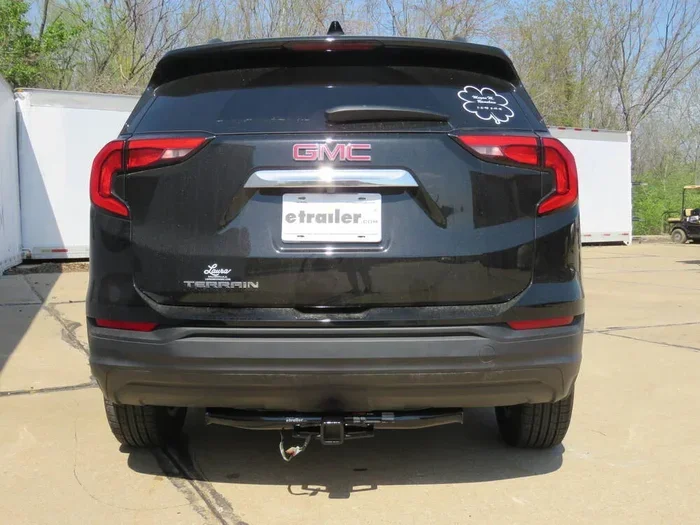
Can a GMC Terrain be flat towed? The answer depends on your model year, drivetrain, and transmission type. Flat towing a GMC Terrain is possible for certain configurations, but it requires the right equipment and preparation. This guide covers everything you need to know about flat towing a GMC Terrain safely for your next camping adventure.
There is something magical about hitting the open road with your truck and your recreational vehicle in tow. Whether you are heading to a remote campground or a lakeside getaway, the freedom of the open road never gets old. But here is the question that trips up a lot of campers: can your GMC Terrain go along for the ride?
Flat towing, also known as dinghy towing or four-down towing, means pulling your vehicle behind an RV with all four wheels on the ground. It is a popular choice among campers who want a to-go vehicle at their destination. But not every vehicle is built for this kind of setup. The good news is that for many GMC Terrain owners, flat towing is absolutely possible. However, there are important rules and requirements you must follow to avoid costly damage.
In this complete guide, we will walk through everything you need to know about flat towing a GMC Terrain. We will cover which models can be towed, what equipment you need, how to set it up correctly, and the common mistakes that can cause serious problems. By the end, you will feel confident and ready for your next camping adventure.
Key Takeaways
- Not all GMC Terrain models can be flat towed: Always check your specific drivetrain and transmission before towing.
- The right equipment matters: You need a tow bar, base plate, supplemental braking system, and towing mirrors for safe flat towing.
- Transmission damage is a real risk: Towing with the wrong gear or ignition position can cause costly repairs.
- Speed limits apply: Most manufacturers recommend staying under 55 mph when flat towing.
- Preparation is key: Following the correct setup steps ensures a safe and worry-free camping trip.
- Check your owner’s manual: This is the most reliable source for your specific GMC Terrain flat towing guidelines.
📑 Table of Contents
- What Is Flat Towing and Why Do Campers Love It?
- Can the GMC Terrain Be Flat Towed? The Official Answer
- Understanding the GMC Terrain Towing Specifications
- Equipment You Need for Flat Towing a GMC Terrain
- Step-by-Step Guide to Flat Towing Your GMC Terrain
- Common Mistakes to Avoid When Flat Towing
- Expert Tips for Flat Towing Your GMC Terrain on Camping Trips
- Comparing Flat Towing Options for Popular SUVs
- Conclusion
What Is Flat Towing and Why Do Campers Love It?
Flat towing means pulling a vehicle behind another vehicle with all four wheels touching the ground. This is different from using a trailer, where the vehicle sits on a flatbed or dolly. Many RV owners prefer flat towing because it is simple, requires no extra storage space, and makes it easy to explore once you arrive at your campsite.
Here are some reasons why flat towing is so popular among campers:
- Convenience: Your to-go vehicle is right behind you. No need to unhitch anything when you stop for gas or groceries.
- Space saving: You do not need a separate trailer or dolly that takes up cargo space in your RV.
- Easy setup: With the right equipment, connecting and disconnecting takes just a few minutes.
- Better fuel economy: Towing on the ground creates less drag than a trailer or dolly.
- More exploration: You can leave the RV parked and still have freedom to run errands or sightsee.
Flat towing has become a standard practice in the RV community. Campers love the idea of having a recreational vehicle setup that allows them to explore national parks, hike trails, and visit local attractions without hauling a full trailer behind every stop.
Can the GMC Terrain Be Flat Towed? The Official Answer
The short answer is: it depends. Not every GMC Terrain can be flat towed. The ability to flat tow depends on several factors including your model year, drivetrain, and transmission type. Let us break this down so you know exactly where your vehicle stands.
Drivetrain Matters: FWD vs AWD
This is the most important factor. The GMC Terrain comes in two drivetrain options: front-wheel drive and all-wheel drive. For flat towing purposes, these two configurations behave very differently.
Front-wheel drive GMC Terrain models generally can be flat towed without any modifications. When the front wheels are on the ground and the rear wheels are rolling freely, there is less risk of damage to the drivetrain. This makes the FWD version a popular choice among campers who want to flat tow.
All-wheel drive models, on the other hand, present more challenges. With power going to all four wheels, flat towing can cause damage to the transfer case and transmission if not done correctly. Some AWD GMC Terrain models can be flat towed, but only under very specific conditions. Always double-check your owner’s manual for the exact guidelines.
Transmission Type and Flat Towing
The transmission in your GMC Terrain plays a huge role in whether flat towing is safe. Automatic transmissions have internal components that need lubrication, even when the vehicle is not running. When you tow a vehicle with an automatic transmission, the wheels turning the transmission can cause damage if the ignition is not in the right position.
Some automatic transmissions can be flat towed if the ignition is placed in the accessory or accessory/locked position. This allows the steering to unlock and prevents the transmission from being engaged. However, this is not true for all automatic transmissions, so you must verify this with your specific model.
Manual transmission GMC Terrain models are generally easier to flat tow because you can simply place the transmission in neutral. This removes the connection between the engine and the wheels, allowing all four wheels to spin freely without causing damage.
Model Year Considerations
GMC has made changes to the Terrain over the years. Newer models may have different towing specifications than older ones. Always refer to your specific model year owner’s manual or contact a GMC dealer to confirm flat towing eligibility. The manual will clearly state whether your vehicle can be towed four-down and what conditions must be met.
Understanding the GMC Terrain Towing Specifications
Before you hit the road, you need to understand the towing specifications for your GMC Terrain. These numbers tell you the limits of your vehicle and help you stay safe on the road.
Towing Capacity Basics
The towing capacity of the GMC Terrain refers to how much weight it can pull when configured as the tow vehicle. However, when we talk about flat towing, we are not talking about the Terrain pulling something. We are talking about the Terrain being pulled behind another vehicle. So towing capacity in the traditional sense is not the main concern here.
What matters for flat towing is the vehicle’s weight and the towing capacity of the RV or truck pulling it. Your GMC Terrain should weigh well within the towing capacity of most recreational vehicles and trucks. The average GMC Terrain weighs between 3,500 and 4,200 pounds depending on the trim and engine option.
Speed Limits for Flat Towing
Most vehicle manufacturers, including GMC, recommend staying at or below 55 mph when flat towing. Going faster can cause excessive wear on the transmission and other drivetrain components. Some owners manuals specify a lower speed limit, so always check yours.
Here are some general speed guidelines for flat towing:
- 55 mph maximum: This is the most common speed limit for flat towing across most vehicle brands.
- 45 mph in some cases: Certain vehicles with specific transmission types may have a lower speed limit.
- Check your owner’s manual: The exact speed limit for your GMC Terrain will be listed in the manual.
Odometer and Steering Considerations
When your GMC Terrain is being flat towed, the odometer will continue to record miles. This is important to keep in mind for maintenance schedules and resale value. The steering column will also be unlocked during flat towing, which is why proper equipment like a tow bar and base plate is essential for control and safety.
Equipment You Need for Flat Towing a GMC Terrain
Flat towing is not just about hooking up a strap and driving away. You need the right equipment to do it safely and legally. Here is a breakdown of what you will need to flat tow your GMC Terrain behind an RV or truck.
Tow Bar
A tow bar is the primary piece of equipment that connects your GMC Terrain to the vehicle pulling it. It is a rigid bar that attaches to the front of the towed vehicle and the rear of the towing vehicle. Look for a tow bar that is specifically rated for the weight of your GMC Terrain and that is compatible with your model year.
When choosing a tow bar, consider these factors:
- Weight capacity: Make sure it can handle the weight of your GMC Terrain.
- Ease of attachment: Some tow bars are easier to connect and disconnect than others.
- Foldable design: A foldable tow bar makes storage much easier when you are not using it.
- Safety cables: Always use safety cables as a backup in case the tow bar disconnects.
Base Plate
A base plate is a custom-fitted mounting plate that installs behind the front bumper of your GMC Terrain. It provides a secure attachment point for the tow bar. Base plates are vehicle-specific, meaning you need one designed for your exact GMC Terrain model and year.
Having a base plate installed makes the flat towing setup much cleaner and more stable. It also allows you to quickly connect and disconnect the tow bar without having to deal with bumper straps or clamps.
Supplemental Braking System
This is arguably the most important piece of safety equipment. When your GMC Terrain is being flat towed, it does not have its own brakes engaged. A supplemental braking system, also called an auxiliary braking system, applies the brakes on the towed vehicle when the towing vehicle slows down or stops.
Why is this so important? Without a supplemental braking system, the GMC Terrain will keep rolling forward when the RV brakes. This can cause a dangerous situation and put extra stress on the tow bar and hitch. Most states and provinces require a supplemental braking system when towing a vehicle behind an RV.
Towing Mirrors
Standard side mirrors may not give you a clear view of the road when a GMC Terrain is attached behind your RV. Extended or adjustable towing mirrors help you see the towed vehicle and the road beside it. Good visibility is essential for safe driving, especially when changing lanes or merging onto highways.
Other Helpful Accessories
A few other items can make your flat towing experience smoother and safer:
- Breakaway cable: This connects the towed vehicle to the towing vehicle and activates the brakes if the tow bar disconnects.
- Lighting adapter: Ensures the brake lights and turn signals on the GMC Terrain work in sync with the towing vehicle.
- Steering wheel lock: Prevents the steering wheel from turning while flat towing, which reduces wear on the steering components.
Step-by-Step Guide to Flat Towing Your GMC Terrain
Now that you have the right equipment, let us walk through the process of flat towing your GMC Terrain step by step. Following these steps carefully will help you avoid damage and ensure a safe trip.
Step 1: Read the Owner’s Manual
This cannot be stressed enough. Your owner’s manual is the ultimate authority on whether your specific GMC Terrain can be flat towed. It will tell you the exact procedure, any restrictions, and the recommended gear positions. If you do not have a physical copy, you can usually find a digital version on the GMC website or by contacting a GMC dealer.
Step 2: Install the Base Plate and Tow Bar
Have a base plate professionally installed behind the front bumper of your GMC Terrain. Then attach the tow bar to the base plate using the manufacturer’s instructions. Make sure all bolts and connections are tight and secure before every trip.
Step 3: Set Up the Supplemental Braking System
Install the auxiliary braking system according to the manufacturer’s instructions. Test it before you leave to make sure it engages properly when the towing vehicle brakes. This step is not optional. It is a critical safety measure.
Step 4: Connect the Safety Cables and Lighting
Attach the safety cables from the tow bar to the towing vehicle. Connect the lighting adapter so the brake lights and turn signals on the GMC Terrain work in sync with the RV. Double-check every connection before you start driving.
Step 5: Position the Vehicle Correctly
This is where many people make mistakes. Follow these guidelines based on your drivetrain:
- Front-wheel drive: Place the transmission in neutral and the ignition in the accessory position. This unlocks the steering and prevents transmission engagement.
- All-wheel drive: Check the owner’s manual carefully. Some AWD models require the rear wheels to be off the ground (using a dolly) rather than flat towed.
- Manual transmission: Place the transmission in neutral. The ignition position is less critical but should still be in accessory or off.
Step 6: Check the Steering and Wheels
Make sure the steering wheel is straight and the wheels are aligned. If the steering is turned while flat towing, it can cause damage to the steering components and the tires. Use a steering wheel lock if needed to keep the wheel in place.
Step 7: Drive Safely
Once everything is connected and checked, you are ready to drive. Remember to stay at or below the recommended speed limit. Avoid sudden braking and sharp turns. Check the connections periodically during your trip, especially after the first few miles.
Quick Tips for Flat Towing Success
- Always do a pre-trip check of all connections, cables, and brakes.
- Practice connecting and disconnecting at home before your first trip.
- Carry a backup tow bar in case of equipment failure.
- Keep a checklist of the flat towing steps taped inside your RV for easy reference.
- Inspect your tires before every trip to ensure they are properly inflated.
Common Mistakes to Avoid When Flat Towing
Flat towing can be safe and straightforward when done correctly. But even experienced campers make mistakes that can lead to expensive repairs or dangerous situations. Here are the most common errors to avoid.
Skipping the Owner’s Manual
This is the number one mistake. Every GMC Terrain model has specific flat towing guidelines. Guessing or relying on general advice from forums can lead to costly transmission damage. Always, always check your owner’s manual first.
Forgetting the Supplemental Braking System
Some people skip the auxiliary braking system to save money or because they think it is not necessary. This is a dangerous mistake. Without it, your GMC Terrain will keep rolling when the RV stops. This can cause a rear-end collision, damage the tow bar, and violate local laws.
Towing the Wrong Drivetrain
Not all GMC Terrain models can be flat towed. Towing an AWD model without checking the manual can destroy the transfer case and transmission. Always verify your drivetrain and transmission compatibility before attempting to flat tow.
Exceeding the Speed Limit
Driving too fast while flat towing puts extra stress on the transmission, tires, and tow bar connections. Stick to the recommended speed limit of 55 mph or less. It is better to arrive a few minutes later than to arrive with a damaged vehicle.
Ignoring Regular Maintenance
Your GMC Terrain still needs maintenance even when it is being flat towed. The odometer keeps running, and the tires, brakes, and fluids all need attention. Keep up with the maintenance schedule just as you would if you were driving the vehicle yourself.
Using the Wrong Tow Bar or Base Plate
Not all tow bars are compatible with every vehicle. Using the wrong equipment can lead to an unstable setup or damage to the front bumper. Always use equipment that is specifically rated and designed for your GMC Terrain model year.
Expert Tips for Flat Towing Your GMC Terrain on Camping Trips
Once you have the basics down, these expert tips will help you get even more out of your flat towing setup and keep your GMC Terrain in great shape for years to come.
Invest in Quality Equipment
It can be tempting to buy the cheapest tow bar and braking system you can find. But quality equipment is worth the investment. A well-made tow bar, a reliable supplemental braking system, and a solid base plate will keep your GMC Terrain safe and make the setup process much easier. Look for brands that are well-reviewed in the RV community and that offer good warranties.
Practice at Home First
Before you head out on a camping trip, practice connecting and disconnecting your flat towing setup at home. This will help you become familiar with the process and identify any issues before you are on the road. It also builds confidence, which makes the whole experience more enjoyable.
Keep a Flat Towing Kit in Your RV
Pack a dedicated kit with all the essentials: the owner’s manual for your GMC Terrain, the tow bar instructions, safety cables, the supplemental braking system remote, and a tire pressure gauge. Having everything in one place saves time and reduces stress when you are setting up at the campground.
Check Tire Pressure Before Every Trip
Properly inflated tires are crucial for safe flat towing. Underinflated tires can overheat and fail, especially during long drives. Check the tire pressure on your GMC Terrain before every trip and adjust as needed based on the load and road conditions.
Know Your Campground Regulations
Not all campgrounds allow flat towing or have specific rules about it. Some campgrounds have speed limits within the grounds, designated parking areas for towed vehicles, and rules about how long a vehicle can be left unattended. Always check with the campground before you arrive to avoid any surprises.
Stay on Top of Fluids and Filters
Even when flat towing, your GMC Terrain may need fluid changes and filter replacements based on the miles recorded on the odometer. Keep track of the mileage added during flat towing trips and stay current with the maintenance schedule outlined in your owner’s manual.
Connect with the Camping Community
There are many online forums and social media groups dedicated to flat towing and RV camping. Joining these communities can give you valuable tips, product recommendations, and real-world advice from other GMC Terrain owners who flat tow regularly. It is a great way to learn from experienced campers and avoid common pitfalls.
Comparing Flat Towing Options for Popular SUVs
When planning a camping trip, it helps to compare flat towing options across different SUVs. Here is a quick comparison of popular models to give you context for the GMC Terrain’s flat towing capabilities.
| Vehicle | FWD Flat Towable | AWD Flat Towable | Supplemental Brake Required | Max Speed |
|---|---|---|---|---|
| GMC Terrain (FWD) | Yes | No | Yes | 55 mph |
| GMC Terrain (AWD) | Varies by year | Varies by year | Yes | 55 mph |
| Ford Escape | Yes | No | Yes | 55 mph |
| Chevrolet Equinox | Yes | No | Yes | 55 mph |
| Toyota RAV4 | Yes | No | Yes | 55 mph |
Always verify the specific flat towing guidelines for your exact model year and configuration. This table is for general reference only and should not replace consulting your owner’s manual or contacting a GMC dealer.
Conclusion
So, can a GMC Terrain be flat towed for camping adventures? The answer is yes, for many configurations. Front-wheel drive models are generally compatible with flat towing, while all-wheel drive models require more careful verification. The key is to know your specific vehicle, follow the manufacturer’s guidelines, and invest in the right equipment.
Flat towing a GMC Terrain opens up a world of camping possibilities. You get the comfort and convenience of an RV with the freedom to explore your destination in your own vehicle. It is a setup that many campers swear by and once you try it, you will wonder how you ever camped without it.
Remember to always check your owner’s manual, use a supplemental braking system, stay within speed limits, and practice your setup before the big trip. With the right preparation and a little bit of know-how, you and your GMC Terrain will be ready for countless camping adventures together.
The road ahead is calling. Get your equipment ready, pack your gear, and hit the highway. Happy camping!
Frequently Asked Questions
Can all model years of the GMC Terrain be flat towed?
No, not all model years can be flat towed. The ability to flat tow depends on the drivetrain, transmission type, and specific model year. Always check your owner’s manual or contact a GMC dealer to confirm flat towing eligibility for your exact vehicle.
Do I need a supplemental braking system when flat towing a GMC Terrain?
Yes, a supplemental braking system is essential for safe flat towing. It applies the brakes on the towed vehicle when the towing vehicle slows down. Most states and provinces also require an auxiliary braking system by law when towing a vehicle behind an RV.
Can I flat tow a GMC Terrain with all-wheel drive?
It depends on the model year and specific drivetrain configuration. Some AWD GMC Terrain models can be flat towed, while others cannot. Always consult the owner’s manual for the exact flat towing guidelines for your AWD vehicle.
What is the maximum speed for flat towing a GMC Terrain?
Most manufacturers recommend staying at or below 55 mph when flat towing. Some vehicles may have a lower speed limit. Always check your GMC Terrain owner’s manual for the specific speed restriction for your model.
How do I know if my GMC Terrain is front-wheel drive or all-wheel drive?
You can find this information on the driver’s side door jamb sticker, in the owner’s manual, or by checking the vehicle identification number with a GMC dealer. The drivetrain type is a critical factor in determining flat towing eligibility.
Is flat towing the same as dinghy towing?
Yes, flat towing and dinghy towing are the same thing. Both terms refer to pulling a vehicle behind another vehicle with all four wheels on the ground. Some people also use the term four-down towing to describe this setup.
=== QUICK SUMMARY ===
Can a GMC Terrain be flat towed? The answer depends on your model year, drivetrain, and transmission type. Flat towing a GMC Terrain is possible for certain configurations, but it requires the right equipment and preparation. This guide covers everything you need to know about flat towing a GMC Terrain safely for your next camping trip.