Does the GMC Acadia Need Premium Gas for Better Mileage
So, does the GMC Acadia need premium gas? The short answer is no. The GMC Acadia is designed to run perfectly well on regular unleaded gasoline, and using premium fuel will not magically boost your mileage or performance. While premium gas has a higher octane rating, it offers little to no real-world benefit for this SUV unless you are towing heavy loads or driving in extreme conditions. This guide breaks down everything you need to know about fuel choices for your GMC Acadia.
Let us talk about something that confuses a lot of SUV owners. You pull up to the gas station. The pump has regular, mid-grade, and premium options. You wonder, should I put premium in my GMC Acadia? Will it make my engine run better? Will I get better mileage? These are fair questions. And the answers might surprise you. This article covers everything you need to know about fuel choices for the GMC Acadia. We will look at what the manufacturer says, what real-world testing shows, and whether spending extra on premium gas is actually worth it.
Many drivers assume that premium fuel equals better performance. It is a common belief. But the truth is more nuanced. Your vehicle’s engine design, compression ratio, and fuel requirements all play a role. The GMC Acadia is a popular three-row SUV that families love. It comes with a capable V6 engine. It tows well. It handles highway cruising with ease. But does it need premium gas to do all of that? Let us find out.
Key Takeaways
- The GMC Acadia does not require premium gas. Regular unleaded gasoline is perfectly sufficient for everyday driving.
- Premium gas will not significantly improve your fuel economy. Any mileage gains are negligible in normal driving conditions.
- The manufacturer recommends 87 octane regular gas for the standard GMC Acadia engine.
- Using premium gas costs more money without delivering proportional benefits for most drivers.
- Towing and extreme conditions are the only scenarios where premium fuel might offer a slight advantage.
- Always check your owner’s manual before choosing a fuel type for your vehicle.
- Regular maintenance and driving habits matter far more for mileage than fuel grade.
📑 Table of Contents
- What the GMC Acadia Engine Requires
- Premium Gas vs Regular Gas — Understanding the Difference
- Does Premium Gas Improve Mileage in the GMC Acadia?
- The Cost Factor — Is Premium Gas Worth It?
- When You Should Consider Using Premium Gas
- GMC Acadia Fuel Requirements — Comparison Table
- Final Verdict and Recommendations
What the GMC Acadia Engine Requires
Engine Specifications and Fuel Needs
The GMC Acadia comes with a 3.6-liter V6 engine. This engine produces around 310 horsepower. It delivers strong acceleration and smooth power delivery. The engine uses a standard compression ratio designed for regular unleaded gasoline. That means 87 octane fuel works perfectly fine. General Motors engineered this powertrain to run on regular gas. They did not design it to require premium fuel. So from a technical standpoint, your Acadia does not need premium gas to function properly.
The fuel injection system in the GMC Acadia is calibrated for regular unleaded gasoline. The engine control module adjusts timing and fuel delivery based on the octane level you use. When you put regular gas in, the system optimizes performance for that fuel grade. When you put premium gas in, the system adjusts again. But the difference in real-world output is minimal. This is an important point that many car buyers overlook.
What the Owner’s Manual Says
Your GMC Acadia owner’s manual is the best place to start. The manual clearly states the recommended fuel type. For most Acadia trims, the recommendation is 87 octane regular unleaded gasoline. General Motors does not list premium gas as a requirement for the standard engine. They do list it as an option. Some vehicles require premium fuel. The Acadia is not one of them. Always refer to your specific model year manual for the most accurate information.
If you have a GMC Acadia with the turbocharged engine variant, the requirements may differ slightly. The turbocharged version has a higher compression ratio. It may benefit slightly from higher octane fuel. But even then, premium gas is not a strict requirement. It is a recommendation for optimal performance. Check your specific trim and engine configuration to be sure.
Premium Gas vs Regular Gas — Understanding the Difference
Octane Ratings Explained
Gasoline comes in different octane ratings. Regular gas has an octane rating of 87. Mid-grade gas is usually 89. Premium gas is typically 91 or 93 octane. The octane rating measures a fuel’s resistance to engine knocking. Engine knocking happens when the air-fuel mixture ignites too early in the combustion chamber. Higher octane fuel resists knocking better. That is the primary difference between regular and premium gas.
Higher octane does not mean more energy. It does not mean more power. It simply means the fuel burns more evenly under higher compression. For engines designed for regular gas, premium fuel offers no extra energy content. The engine cannot extract more power from it. This is a crucial fact that many drivers do not understand. They think premium gas makes their engine stronger. In reality, it just prevents knocking in engines that are prone to it.
How Octane Levels Affect Engine Performance
In the GMC Acadia, the 3.6-liter V6 engine runs smoothly on regular gas. The engine management system prevents knocking through timing adjustments. You will not notice a performance difference between regular and premium fuel in normal driving. Your acceleration will feel the same. Your top speed will be the same. Your engine will run just as cleanly on either fuel type.
Some drivers report a slight smooth feel when using premium gas. This could be a placebo effect. Or it could be due to the cleaning additives in premium fuel. Many premium gasolines contain detergent additives that help keep fuel injectors clean. These additives are also available in regular gas at many stations. Top Tier gasoline brands offer these additives across all fuel grades. So the cleaning benefit is not exclusive to premium fuel.
Does Premium Gas Improve Mileage in the GMC Acadia?
Real-World Fuel Economy Tests
This is the big question. Does premium gas give you better mileage? The answer for the GMC Acadia is mostly no. Studies and real-world tests show very little difference in fuel economy between regular and premium gas. In most cases, the difference is less than one mile per gallon. That is not enough to justify the higher cost of premium fuel. If premium gas costs 30 to 50 cents more per gallon, you will spend more money at the pump without getting meaningful mileage gains.
Fuel economy depends on many factors. Driving habits matter a lot. Speed, acceleration, and braking patterns all affect your miles per gallon. Vehicle weight matters too. Tire pressure plays a role. Aerodynamic drag on the highway also makes a difference. None of these factors are changed by switching to premium gas. So if you want better mileage, focus on how you drive, not what grade of fuel you use.
Highway vs City Driving Differences
The GMC Acadia is a large SUV. It is not the most aerodynamic vehicle on the road. At highway speeds, wind resistance increases fuel consumption. In city traffic, stop-and-go driving reduces your fuel economy. Neither of these factors is improved by using premium gas. The engine works the same way whether you are on the highway or in the city. Your fuel economy will be largely determined by your driving conditions and habits, not your fuel grade.
If you are looking for ways to improve your GMC Acadia gas mileage, here are some practical tips:
- Keep your tires properly inflated. Underinflated tires increase rolling resistance and reduce fuel economy.
- Avoid aggressive acceleration. Gentle starts save fuel over time.
- Use cruise control on the highway. Steady speeds are more fuel-efficient than varying speeds.
- Remove excess weight from your vehicle. Extra cargo makes the engine work harder.
- Keep up with regular maintenance. Clean air filters and fresh spark plugs help the engine run efficiently.
Quick Tips for Better Fuel Economy
Want to get more miles out of every tank? Try these simple habits. Avoid idling for long periods. Plan your trips to reduce unnecessary driving. Use the recommended grade of gasoline. Keep your windows closed at highway speeds. These small changes add up over time and save you real money at the pump.
The Cost Factor — Is Premium Gas Worth It?
Price Difference Breakdown
Premium gas costs more than regular gas. The price difference varies by region and market. On average, premium gas costs about 30 to 50 cents more per gallon than regular. For the GMC Acadia, which has a fuel tank capacity of around 18 to 19 gallons, filling up with premium gas could cost you an extra 5 to 10 dollars per tank. Over a year of regular fill-ups, that adds up to 100 to 200 dollars or more in extra fuel costs.
Let us look at a simple comparison. Say you drive 15,000 miles per year. Your GMC Acadia gets about 20 miles per gallon on regular gas. That means you need 750 gallons of fuel per year. At 3.50 dollars per gallon for regular gas, your annual fuel cost is 2,625 dollars. If you switch to premium gas at 4.00 dollars per gallon, your annual cost jumps to 3,000 dollars. That is an extra 375 dollars per year. And remember, you are not getting better mileage or performance for that extra money.
Long-Term Savings or Extra Costs?
Using premium gas in a vehicle that does not require it is an unnecessary expense. Over five years of driving, you could spend an extra 1,875 dollars on premium fuel for no real benefit. That money could go toward maintenance, upgrades, or simply staying in your pocket. The GMC Acadia is designed to run well on regular gas. The manufacturer engineered it that way. There is no reason to spend more on premium fuel unless your specific driving situation calls for it.
Expert Insights on Fuel Spending
Automotive experts generally agree that premium gas is a waste of money for vehicles that do not require it. The Federal Trade Commission has stated that using higher octane fuel than recommended offers little to no benefit for most vehicles. Unless your engine has a high compression ratio or a turbocharger that specifically requires premium fuel, regular gas is the smart choice. For the standard GMC Acadia, regular gas is the right call.
When You Should Consider Using Premium Gas
Towing and Hauling Scenarios
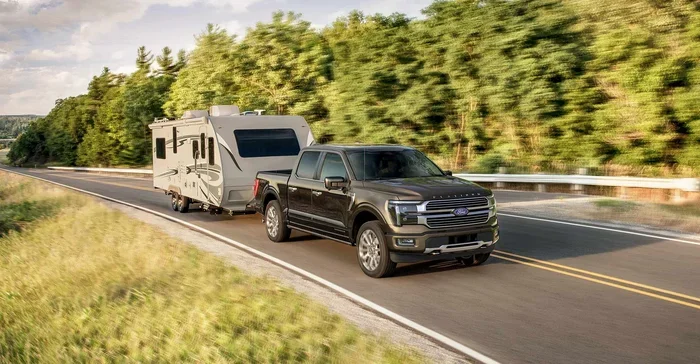
There are situations where premium gas might make sense for the GMC Acadia. If you regularly tow a trailer or haul heavy loads, your engine works harder. Under heavy load, the engine temperature rises and the compression increases. In these conditions, higher octane fuel can help prevent engine knocking. Knocking under heavy load can cause long-term engine damage over time. So if you frequently tow near your Acadia’s maximum towing capacity, premium gas could be a smart choice.
The GMC Acadia has a towing capacity of up to 4,500 pounds when properly equipped. If you are pulling a boat, a trailer, or a camper near that limit, consider using premium fuel. It gives your engine a little extra protection under stress. But for everyday driving with no trailer, regular gas is perfectly fine.
Extreme Driving Conditions
Extreme driving conditions include very hot weather, high altitude driving, and stop-and-go traffic in extreme heat. In these situations, engines are more prone to knocking. Higher octane fuel can help prevent this. If you live in a very hot climate or frequently drive in mountainous terrain, premium gas might offer a small benefit. But even then, the difference is subtle. Most drivers will not notice any change in how their Acadia performs.
Common Mistakes to Avoid
One common mistake is assuming that premium gas cleans your engine better. While premium fuel does contain more detergent additives, regular gas from Top Tier stations also has sufficient detergents. Another mistake is thinking that premium gas will fix engine problems. If your GMC Acadia is knocking or running poorly, premium gas is not a cure. It might mask a symptom temporarily, but it will not fix the underlying problem. Always diagnose engine issues properly instead of just switching fuel grades.
Some owners also make the mistake of mixing fuel grades randomly. If your car requires regular gas, stick with regular. If you accidentally put premium gas in, nothing bad will happen. Your engine will simply run as it normally would. But making a habit of switching between grades for no reason just wastes money.
GMC Acadia Fuel Requirements — Comparison Table
| Fuel Type | Octane Rating | Recommended For | Cost per Gallon (Avg.) | Mileage Impact |
|---|---|---|---|---|
| Regular Unleaded | 87 | Standard GMC Acadia driving | $3.50 | Baseline (20 MPG est.) |
| Mid-Grade | 89 | Not required | $3.75 | Negligible difference |
| Premium Unleaded | 91-93 | Towing, extreme conditions | $4.00 | Less than 1 MPG gain |
As the table shows, regular unleaded gasoline is the best choice for most GMC Acadia drivers. Premium gas offers no meaningful advantage for everyday use. The cost is higher and the benefits are minimal. Stick with regular gas unless you have a specific reason to switch.
Final Verdict and Recommendations
So, does the GMC Acadia need premium gas for better mileage? The answer is clear. No, it does not. The GMC Acadia is built to run on regular unleaded gasoline. Using premium fuel will not improve your mileage, boost your performance, or clean your engine in any meaningful way. It will simply cost you more money at the pump. For the average driver, regular gas is the smart, economical choice.
If you tow frequently or drive in extreme conditions, premium gas can offer a small protective benefit. But for 90 percent of GMC Acadia owners, regular gas is all you need. Save your money. Follow the manufacturer’s recommendation. And focus on good driving habits to get the best fuel economy out of your SUV.
The bottom line is simple. Read your owner’s manual. Use the recommended fuel grade. Do not fall for the myth that premium gas makes every engine run better. Your GMC Acadia was designed to run great on regular gas. Trust the engineers who built it. Your wallet will thank you.
Frequently Asked Questions
Can I use premium gas in my GMC Acadia even if it is not required?
Yes, you can use premium gas in your GMC Acadia without any issues. Your engine will run fine on premium fuel. However, you will not see any meaningful improvement in performance or mileage. It simply costs more money. Using premium gas in a vehicle that does not require it is perfectly safe, but it is not worth the extra expense for most drivers.
What happens if I accidentally put regular gas in a GMC Acadia that requires premium?
If your specific Acadia trim or engine variant requires premium gas and you accidentally fill up with regular, do not panic. The engine management system will adjust to prevent knocking. You may notice a slight loss in performance or hear minor knocking under heavy load. Fill up with premium gas at your next fill-up, and the issue should resolve. One tank of regular gas will not cause lasting damage.
Does premium gas last longer than regular gas in the tank?
No, premium gas does not last longer than regular gas in your fuel tank. Both fuels have similar shelf lives. The octane rating does not affect how long the fuel stays fresh. If you store your vehicle for an extended period, fuel degradation is more related to time and storage conditions than to the octane level of the gasoline.
Will using premium gas improve the resale value of my GMC Acadia?
Using premium gas will not improve the resale value of your GMC Acadia. Buyers look at the overall condition, maintenance history, and mileage when evaluating a vehicle. Fuel grade is not a factor that increases resale value. Keeping up with regular maintenance, cleaning the interior, and addressing mechanical issues are far more important for preserving your vehicle’s value.
Is it okay to mix regular and premium gas in the GMC Acadia?
Yes, it is okay to mix regular and premium gas. The resulting fuel blend will have an octane level somewhere between the two. For most GMC Acadia models, this is perfectly fine. The engine will adjust accordingly. However, mixing fuels regularly for no reason just adds unnecessary cost without delivering any real benefit.
How often should I check my GMC Acadia’s fuel requirements?
You should check your owner’s manual whenever you have questions about fuel requirements. It is also a good idea to review your manual when you buy a new or used vehicle. If you upgrade to a different Acadia trim or model year, the fuel requirements might change slightly. Staying informed ensures you always use the right fuel for your specific vehicle.
=== CONCLUSION ===
The question of whether does the GMC Acadia need premium gas comes up often among SUV owners. The answer is straightforward. Your GMC Acadia does not need premium gas for better mileage or performance. Regular unleaded gasoline is the recommended fuel type for the vast majority of driving situations. Premium fuel costs more and delivers almost no benefit for everyday use.
Save your money by sticking with regular gas. Focus on good driving habits, regular maintenance, and proper tire care to maximize your fuel economy. These factors make a far bigger difference than your fuel grade ever will. Trust your owner’s manual, trust the manufacturer, and trust the engineers who designed your GMC Acadia to run great on regular fuel.