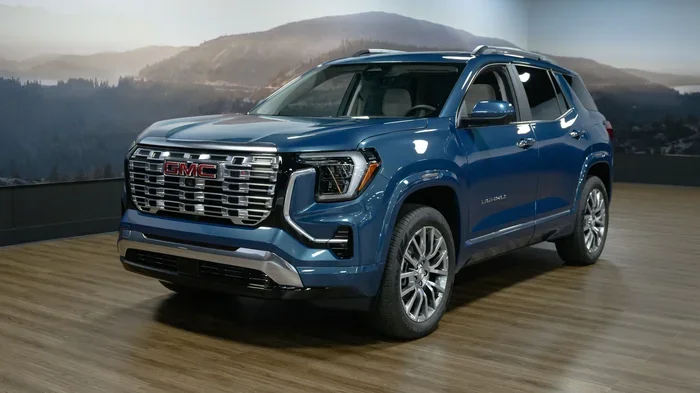
GMC Terrain Years to Avoid and the Worst Years to Skip
Not every GMC Terrain year is a smart buy. Some model years come with serious transmission failures, engine troubles, and electrical glitches that cost thousands in repairs. This guide exposes the worst GMC Terrain years to avoid, explains why they’re problematic, and helps you choose a reliable used SUV with confidence.
Buying a used SUV is exciting. But excitement can turn into a headache fast if you pick the wrong year. The GMC Terrain years to avoid have well-documented problems that range from annoying to downright dangerous. Some owners have spent thousands of dollars fixing issues that should never have happened in the first place.
So how do you know which years to skip? And what should you look for instead? This guide breaks it all down. We will walk through the worst GMC Terrain model years, explain the specific problems each one has, and point you toward years that actually deliver a good ownership experience. By the end, you will feel confident making a smart buying decision.
Key Takeaways
- 2012 and 2013 GMC Terrains rank among the worst years due to severe transmission failures and costly repairs.
- 2018 and 2019 models also show reliability concerns including engine stalling and electrical system problems.
- The 2015 and 2017 years offer much better reliability with fewer reported issues and stronger consumer ratings.
- Always check for open recalls before purchasing any used GMC Terrain, regardless of the year.
- A pre-purchase inspection is essential when buying a used Terrain to uncover hidden problems.
- Maintenance history matters more than the year — a well-maintained older model can outperform a neglected newer one.
📑 Table of Contents
- Why Some GMC Terrain Years Are Problematic
- The Worst GMC Terrain Years at a Glance
- Detailed Breakdown of Problematic GMC Terrain Years
- What the Experts Say About GMC Terrain Reliability
- Quick Tips Before You Buy a Used GMC Terrain
- Common Mistakes Buyers Make When Purchasing a Used GMC Terrain
- The Best GMC Terrain Years to Consider Instead
- Final Thoughts on GMC Terrain Years to Avoid
Why Some GMC Terrain Years Are Problematic
Every vehicle has its weak spots. But some years of the GMC Terrain have more than their fair share of issues. Understanding why certain years struggle helps you avoid the same mistakes other buyers have made.
The Terrain has been around since 2010. It went through several generations and updates. Unfortunately, not every update fixed the problems from the previous generation. Some years inherited new issues while keeping old ones. This is especially true for the first-generation models built between 2010 and 2017.
Common problem areas across bad Terrain years include the transmission, the engine, the electrical system, and the suspension. When multiple systems have issues in the same year, that is a red flag. Consumer Reports, J.D. Power, and owner forums all track these patterns. And the data shows clear winners and losers among the model years.
The Role of Manufacturing Changes
Automakers sometimes make cost-cutting changes between model years. These changes can affect quality. A part that worked well in one year might get replaced with a cheaper version the next year. This happens more often than most buyers realize. For the GMC Terrain, certain production changes introduced problems that lasted for several years before the company addressed them.
How Recalls Factor In
Recalls are another important piece of the puzzle. Some GMC Terrain years had multiple recalls covering safety-related defects. A high number of recalls often signals deeper problems with the design or manufacturing process. Always check the NHTSA website for open recalls on any used vehicle you are considering.
The Worst GMC Terrain Years at a Glance
Let us get right to it. Below is a comparison of the most problematic Terrain years and the specific issues each one carries. This table makes it easy to see at a glance which years you should think twice about.
| Model Year | Key Problems | Severity |
|---|---|---|
| 2012 | Transmission failure, rough shifting, stalling | High |
| 2013 | Same transmission issues, engine misfires, electrical gremlins | High |
| 2018 | Engine stalling, fuel system problems, infotainment glitches | Medium-High |
| 2019 | Continued stalling issues, brake system concerns | Medium |
| 2010 | Early build quality issues, coolant leaks, suspension wear | Medium |
| 2011 | Transmission hesitation, power window failures | Medium |
The 2012 and 2013 years stand out as the most troubled. Transmission problems in these years are well-documented across multiple owner forums and repair databases. If you see a 2012 or 2013 Terrain for sale, proceed with extreme caution. The repair costs can easily exceed the vehicle’s value.
Detailed Breakdown of Problematic GMC Terrain Years
2012 GMC Terrain: The Year to Forget
The 2012 GMC Terrain is arguably the worst year in this SUV’s lineup. Owners reported widespread transmission failures that appeared as early as 40,000 miles. The 6-speed automatic transmission would shudder, slip, or completely fail without warning. Some drivers described the vehicle jerking harshly during shifts or refusing to move at all.
Beyond the transmission, the 2012 year had engine stalling issues. The engine would unexpectedly shut off while driving or at idle. This created dangerous situations on highways and intersections. Electrical problems also plagued this year, with flickering lights, faulty sensors, and intermittent power window failures.
Many 2012 Terrains also suffered from coolant leaks. The coolant could seep from the water pump or radiator connections, leading to overheating if not caught early. For a vehicle that cost thousands of dollars, these problems made ownership a frustrating and expensive experience.
2013 GMC Terrain: Not Much Better
The 2013 model year carried forward many of the same issues from 2012. The transmission continued to be the biggest complaint. GM acknowledged some of these problems and issued technical service bulletins, but a full recall or extended warranty was not always offered.
Engine misfires were another common issue in the 2013 Terrain. Owners noticed rough idling, loss of power, and decreased fuel economy. The ignition coils and spark plugs were often the culprits, but the root cause was sometimes traced back to fuel quality or engine design flaws.
The electrical system in the 2013 year also caused headaches. Owners reported issues with the power windows, the climate control system, and the infotainment display. Some vehicles experienced battery drain problems that left them stranded. These electrical gremlins can be difficult and expensive to diagnose properly.
2018 GMC Terrain: A New Generation With New Problems
The 2018 Terrain was part of a redesign that brought a fresh look and updated features. But the new generation came with its own set of issues. Engine stalling was the most reported problem. The vehicle would suddenly lose power and shut down, sometimes while driving at highway speeds.
Fuel system concerns also appeared in the 2018 year. Some owners experienced fuel pump failures that caused starting difficulties and power loss. The fuel injectors also showed a higher-than-normal failure rate compared to other model years.
The infotainment system in the 2018 Terrain had its own quirks. Touchscreen freezes, Bluetooth connectivity problems, and GPS navigation errors were common complaints. While these issues are not as safety-critical as transmission or engine failures, they still detract from the driving experience and can be costly to repair.
2019 GMC Terrain: Lingering Issues
The 2019 Terrain carried some of the stalling problems from 2018 into the new year. GM issued several recalls for the 2019 model related to engine control module software and fuel system components. These recalls were important to address, but not all owners completed the repairs promptly.
Brake system concerns also surfaced in the 2019 year. Some owners reported premature brake pad wear and unusual braking noises. While brake pads wear out naturally, the rate of wear in the 2019 Terrain was faster than expected for a vehicle with average use.
The 2019 year also had reports of suspension problems. Noises from the front suspension, especially over bumps, were common. Worn suspension components can affect handling and safety, making this another issue to watch for when considering a 2019 Terrain.
What the Experts Say About GMC Terrain Reliability
Reliability ratings from trusted sources paint a clear picture of which Terrain years to avoid. Consumer Reports, J.D. Power, and RepairPal all provide data that supports the concerns raised by owners.
RepairPal gives the GMC Terrain an average reliability rating of 3.0 out of 5.0. This places it below the average for compact SUVs. The annual repair cost averages around $650, which is slightly higher than the segment average. However, certain model years push that cost significantly higher due to the frequency and severity of issues.
J.D. Power scores the Terrain’s quality and reliability differently across model years. The first-generation models (2010-2017) scored lower in initial quality and long-term reliability studies. The second-generation models (2018+) showed improvement in some areas but introduced new problems that offset those gains.
Expert mechanics often advise buyers to focus on the 2015 and 2017 model years. These years addressed many of the transmission and electrical issues from earlier models. They also benefit from design improvements that made the vehicle more durable over time.
Consumer Reports Reliability Scores
Consumer Reports tracks owner-reported problems over time. Their data shows that 2012 and 2013 Terrains had the highest rates of owner complaints. The 2015 and 2016 years scored much better. The 2018 year fell somewhere in the middle, with specific concerns about the engine and electronics. The 2020 and 2021 model years are still too new for long-term reliability data, but early reports suggest they are improving.
Quick Tips Before You Buy a Used GMC Terrain
Whether you are looking at a good year or a questionable one, follow these tips to protect yourself from a bad purchase.
- Always request a vehicle history report. Use services like Carfax or AutoCheck to check for accidents, title issues, and service records.
- Get a pre-purchase inspection. Have an independent mechanic inspect the vehicle before you buy. This single step can save you thousands of dollars.
- Check for open recalls. Visit the NHTSA website and enter the vehicle identification number. Any unresolved recalls should be addressed before purchase.
- Test drive thoroughly. Pay attention to how the transmission shifts, whether the engine stalls, and if any warning lights appear on the dashboard.
- Ask for maintenance records. A well-documented service history is a strong indicator that the previous owner took care of the vehicle.
- Compare prices across listings. If a price seems too low, it probably is. Bargain-basement prices often hide serious problems.
What to Look for During a Test Drive
During your test drive, listen for unusual sounds from the transmission. Rough or delayed shifting is a warning sign. Pay attention to how the engine responds when you accelerate. Stalling or hesitation is not normal. Test all the electrical features, including the windows, climate control, and infotainment system. Check the brakes for pulling or unusual noises. These simple checks can reveal a lot about the vehicle’s condition.
Common Mistakes Buyers Make When Purchasing a Used GMC Terrain
Even informed buyers can make mistakes. Here are the most common errors that lead to regret after purchasing a used Terrain.
Skipping the pre-purchase inspection. This is the single biggest mistake buyers make. They trust the seller’s word or rely on their own visual inspection. A professional mechanic can spot problems that are invisible to the untrained eye.
Ignoring the maintenance history. A vehicle with no records is a gamble. Regular oil changes, transmission fluid replacements, and brake inspections all extend the life of a vehicle. Without this history, you are essentially buying blind.
Focusing only on the price. A low price is tempting, but it often reflects underlying problems. A slightly higher price for a well-maintained vehicle in a good year will save you money in the long run.
Not researching common problems for that specific year. Every Terrain year has its own set of known issues. Researching these before you buy gives you an advantage during negotiations and helps you know what to inspect closely.
Overlooking the cost of repairs. Some Terrain years have repair costs that exceed the vehicle’s market value. Before you buy, research the average cost of common repairs for that model year. This knowledge helps you make a financially sound decision.
How to Negotiate Based on Known Issues
When you know the common problems for a specific Terrain year, you can use that knowledge to negotiate a better price. If the vehicle has a history of transmission issues, factor in the cost of a potential transmission rebuild, which can range from $1,800 to $3,400. Use this information to justify a lower offer. A knowledgeable buyer is always in a stronger negotiating position.
The Best GMC Terrain Years to Consider Instead
Now that you know which years to avoid, let us look at the years that actually deliver a solid ownership experience. The 2015 and 2017 model years consistently rank as the best choices for buyers seeking a reliable used Terrain.
The 2015 Terrain benefited from improvements in the transmission calibration and electrical system. Owners reported fewer stalling incidents and smoother shifting compared to the 2012 and 2013 years. The engine also showed better long-term durability in this model year.
The 2017 Terrain took those improvements further. It featured updated engine components and a refined transmission that addressed many of the earlier generation’s weaknesses. Consumer Reports gave the 2017 Terrain a reliability rating that was notably higher than the years before it.
The 2020 and 2021 Terrains are also worth considering if you want a newer vehicle with modern features. These years have not been on the market long enough for long-term data, but early reviews and owner feedback suggest they are moving in the right direction for reliability.
When choosing between these better years, prioritize vehicles with full service histories and low mileage. A 2015 Terrain with 60,000 miles and documented maintenance will serve you far better than a 2017 model with 120,000 miles and no records.
Why the 2015 and 2017 Years Stand Out
The 2015 and 2017 years represent a turning point for the GMC Terrain. GM addressed the transmission issues that plagued earlier models. The engines became more refined and fuel-efficient. The electrical systems became more stable. These improvements translated into a more enjoyable and less expensive ownership experience for buyers who chose these years.
Repair costs for the 2015 and 2017 Terrains are also lower on average. Owners report fewer major repairs and more predictable maintenance needs. This makes these years excellent choices for first-time SUV buyers or anyone looking for a dependable daily driver without the headaches of the worst model years.
Final Thoughts on GMC Terrain Years to Avoid
The GMC Terrain years to avoid are clear: 2012, 2013, 2018, and 2019 carry the most significant reliability concerns. These years have documented problems with the transmission, engine, electrical system, and brakes that can lead to expensive repairs and safety concerns.
On the other hand, the 2015 and 2017 model years offer a much better ownership experience. They address many of the earlier generation’s flaws and provide a solid foundation for a reliable used SUV. The 2020 and 2021 years are also promising, though they lack the long-term track record of their predecessors.
No matter which year you choose, always do your homework. Get a vehicle history report, schedule a pre-purchase inspection, and research the known issues for that specific model year. These steps will protect your investment and give you peace of mind.
The GMC Terrain is a capable and stylish compact SUV. When you choose the right year, it can be a dependable companion for years to come. Avoid the worst years, do your due diligence, and you will find a Terrain that serves you well without the constant repair bills and frustrating breakdowns.
Take your time, be patient, and trust the process. The right Terrain is out there. You just need to know which years to skip and which ones to embrace. Armed with the information in this guide, you are now prepared to make a confident and informed decision.
Frequently Asked Questions
What is the most unreliable GMC Terrain year?
The 2012 GMC Terrain is widely considered the most unreliable year. It suffers from severe transmission failures, engine stalling, and electrical problems that affect the driving experience and safety. Repair costs for 2012 models are among the highest of any Terrain year.
Are 2018 and 2019 GMC Terrains worth buying?
They can be, but with caution. The 2018 and 2019 Terrains have engine stalling issues and brake concerns that require attention. If you are considering these years, make sure all recalls have been addressed and get a thorough pre-purchase inspection before buying.
What is the best GMC Terrain year for reliability?
The 2015 and 2017 model years are the best choices for reliability. They feature improved transmissions, more refined engines, and fewer electrical issues compared to the problematic years. These years offer a balanced mix of capability, comfort, and dependability.
How can I avoid buying a problematic GMC Terrain?
Always get a vehicle history report, schedule a pre-purchase inspection with a trusted mechanic, and research common problems for the specific model year you are considering. Avoid vehicles with incomplete service records or signs of prior damage.
Do GMC Terrain recalls affect used car buyers?
Yes, recalls can absolutely affect used car buyers. Unresolved recalls may indicate safety issues that have not been fixed. Always check the NHTSA website for open recalls and ensure they are completed before finalizing any purchase.
Is it worth repairing a problematic GMC Terrain year?
It depends on the specific issue and the vehicle’s overall condition. Minor electrical problems may be worth fixing, but major transmission or engine failures often cost more than the vehicle is worth. Always get a repair estimate before committing to fix a major issue on an older Terrain.
=== CONCLUSION ===
Choosing the right GMC Terrain year makes all the difference in your ownership experience. The worst years to skip are clearly the 2012, 2013, 2018, and 2019 models, which come with transmission failures, engine stalling, electrical glitches, and brake concerns. These problems turn a promising SUV purchase into an expensive headache.
Instead, focus your search on the 2015 and 2017 model years. These years represent the sweet spot for reliability, value, and driving enjoyment in the Terrain lineup. They offer the features and capability you want without the constant repair worries that plague the worst years.
Remember to always do your research, get a professional inspection, and check for open recalls. These simple steps will protect your investment and help you find a Terrain that delivers the dependable performance you expect from a GMC SUV. Happy shopping, and drive safely.