Can Safelite Calibrate Your Subaru EyeSight System
Safelite can calibrate your Subaru EyeSight system in many cases, but it depends on your vehicle model and the type of calibration needed. The process involves recalibrating the cameras and sensors behind your windshield to ensure safety features work correctly. Understanding when and how calibration happens helps you make the right choice for your car.
If you drive a Subaru, you already know the EyeSight system is a big deal. It helps you stay safe on the road with features like pre-collision braking, adaptive cruise control, and lane keep assist. But what happens when your windshield gets cracked or replaced? Does your EyeSight system still work the same way? More importantly, can Safelite calibrate your Subaru EyeSight system?
This is a question a lot of Subaru owners ask, and for good reason. The EyeSight system relies on two cameras mounted near the rearview mirror. When a windshield is replaced or even slightly adjusted, those cameras can shift. Even a tiny movement can throw off the whole system. That is where calibration comes in.
In this guide, we will walk through everything you need to know about Safelite and Subaru EyeSight calibration. We will cover what the process looks like, when you need it, how much it costs, and whether Safelite or a dealer is the better choice. By the end, you will feel confident making the right call for your car.
Key Takeaways
- Safelite offers EyeSight calibration services: Many Safelite locations can handle Subaru EyeSight calibration after windshield replacement or camera adjustment.
- Two types of calibration exist: Static calibration happens in a shop, while dynamic calibration requires driving the vehicle on the road.
- Calibration is essential after windshield work: Even a small shift in camera position can affect pre-collision braking and lane keep assist.
- Dealers and third-party shops both offer calibration: Comparing cost, wait time, and expertise helps you pick the right option.
- Warning lights signal calibration needs: If your EyeSight dashboard light comes on, do not ignore it or delay service.
- Expect costs between $100 and $400: Pricing varies by location, calibration type, and Subaru model.
📑 Table of Contents
- What Is the Subaru EyeSight System and Why Does It Need Calibration?
- Can Safelite Calibrate Your Subaru EyeSight System?
- When Do You Need Subaru EyeSight Calibration?
- The Subaru EyeSight Calibration Process at Safelite
- Safelite vs. Dealer: Where Should You Get Your Subaru EyeSight Calibrated?
- Common Mistakes to Avoid with EyeSight Calibration
- Tips for a Smooth Calibration Experience
- Expert Insights on Subaru EyeSight Calibration
- Key Takeaways
- Conclusion
What Is the Subaru EyeSight System and Why Does It Need Calibration?
The Subaru EyeSight system is a set of advanced driver assistance features built into many Subaru models. It uses two stereo cameras mounted on the windshield near the rearview mirror. These cameras monitor the road ahead and help the car respond to potential dangers.
EyeSight includes several key safety features:
- Pre-Collision Braking: Detects potential front-end collisions and applies the brakes automatically.
- Adaptive Cruise Control: Maintains a safe following distance from the vehicle ahead of you.
- Lane Keep Assist: Gently steers the car back toward the center of the lane.
- Sway Warning: Alerts you if the car detects unintended lane drifting.
- Throttle Management: Reduces engine power when sudden acceleration is detected.
All of these features depend on precise camera alignment. The cameras must be pointed at the exact right angle and height to read the road correctly. When a windshield is replaced, the camera housings can shift even a few millimeters. That small change can cause inaccurate readings or complete system failure.
This is why calibration matters. Calibration is the process of resetting and adjusting the cameras so they work exactly as designed. Without proper calibration, your EyeSight features may not engage when you need them most.
Static vs. Dynamic Calibration
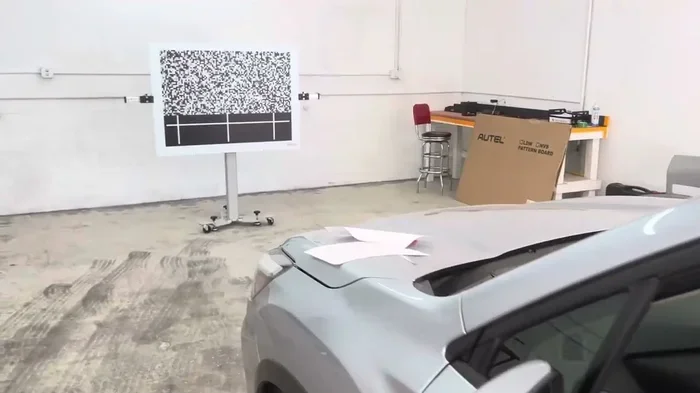
There are two main types of EyeSight calibration. Static calibration is done while the car is stationary. A technician uses specialized tools and targets placed in front of the vehicle to reset the cameras. Dynamic calibration, on the other hand, requires driving the car on a controlled road while the system recalibrates itself in real time.
Some Subaru models and situations require one method over the other. A trained technician at Safelite or a dealership will know which type your car needs based on the work done and the specific model year.
Can Safelite Calibrate Your Subaru EyeSight System?
The short answer is yes, in many cases Safelite can calibrate your Subaru EyeSight system. Safelite is one of the largest auto glass replacement companies in the United States. They offer windshield replacement and ADAS calibration services across thousands of locations nationwide.
However, not every Safelite location has the same equipment or expertise. Some locations are fully equipped for Subaru EyeSight calibration, while others may need to refer you to a partner shop or a dealership. It is always a good idea to call your local Safelite before booking an appointment.
Here are a few things to keep in mind when considering Safelite for your calibration needs:
- Equipment Availability: Safelite uses calibration tools that are compatible with many Subaru models. However, newer or less common models may require dealer-specific software.
- Technician Training: Safelite technicians receive training in ADAS calibration. They understand the Subaru EyeSight system and follow manufacturer guidelines.
- Convenience: Safelite offers mobile service at some locations, meaning they can come to you. This is a huge time-saver compared to visiting a dealership.
- Insurance Coordination: Safelite works directly with most insurance providers, which can simplify the claims process and reduce out-of-pocket costs.
Overall, Safelite is a solid option for Subaru EyeSight calibration, especially if you already need a windshield replacement. Combining both services at one location saves time and ensures the calibration is done correctly from the start.
When Do You Need Subaru EyeSight Calibration?
You might be wondering when exactly calibration becomes necessary. There are several common situations where you should have your EyeSight system recalibrated.
After Windshield Replacement
This is the most common reason Subaru owners need calibration. When a technician removes your old windshield and installs a new one, the camera mounts are disturbed. Even with careful handling, the cameras rarely end up in the exact same position. Calibration restores the correct alignment.
After a Windshield Repair
Not every windshield repair requires calibration. Small chips and cracks repaired in the lower portion of the glass usually do not affect the cameras. However, if the repair zone is near the camera mounting area or the repair involves significant structural changes to the windshield, calibration may be needed.
After a Front-End Collision
Even a minor fender bender can shift the camera housings or the windshield frame. If the front of your Subaru has been impacted, it is wise to have the EyeSight system checked and recalibrated if necessary.
After Camera or Sensor Replacement
If one of the EyeSight cameras or sensors has been replaced due to damage or malfunction, calibration is always required. The new camera must be programmed and aligned to work with the existing system.
When EyeSight Warning Lights Appear
Your Subaru dashboard has an EyeSight warning light that looks like a vehicle with two lines in front of it. If this light comes on, stays on, or flashes, it often means the system needs recalibration. Do not ignore this warning. Driving without functioning EyeSight features reduces your safety on the road.
The Subaru EyeSight Calibration Process at Safelite
If you decide to go with Safelite for your Subaru EyeSight calibration, here is what you can expect. The process is straightforward but requires precision and the right tools.
Step 1: Vehicle Inspection
The technician starts by inspecting your Subaru and the EyeSight system. They check the cameras, sensors, and dashboard indicators. They also review your service history to understand what work was recently done, such as a windshield replacement.
Step 2: Setting Up the Calibration Equipment
For static calibration, the technician sets up a calibration target in front of the vehicle. This target provides a known reference point that the cameras use to recalibrate. For dynamic calibration, the technician connects a diagnostic tool and prepares the vehicle for road testing.
Step 3: Running the Calibration
During static calibration, the technician uses a handheld device or laptop to communicate with the Subaru EyeSight system. They follow a step-by-step process to reset the camera angles. During dynamic calibration, you drive the vehicle at a controlled speed on a flat, open road while the system adjusts itself.
Step 4: Verifying the Calibration
After calibration, the technician runs a verification check. They confirm that the EyeSight system is functioning correctly and that all warning lights are off. They may also test the pre-collision braking and lane keep assist features to make sure everything works as it should.
Step 5: Final Review
The technician provides you with a summary of the calibration. They let you know if any issues were found and whether the system is fully operational. You can then drive away knowing your Subaru EyeSight system is properly calibrated.
Safelite vs. Dealer: Where Should You Get Your Subaru EyeSight Calibrated?
This is one of the most common questions Subaru owners ask. Should you go to Safelite or to the dealer for calibration? Both options have pros and cons. Let us break it down.
Cost Comparison
Dealer calibration tends to cost more. Dealerships charge premium rates for labor and use manufacturer-specific software. Safelite, as a third-party provider, often offers lower prices. On average, Subaru EyeSight calibration at Safelite costs between $100 and $400, depending on the calibration type and your location. Dealer calibration can range from $200 to $600 or more.
Wait Time and Convenience
Safelite locations are widely available, and many offer same-day service. Some locations even provide mobile calibration, where a technician comes to your home or office. Dealerships often have longer wait times, especially at busy locations. You might need to leave your car for a day or more.
Equipment and Expertise
Dealerships have direct access to Subaru-specific tools and software updates. They receive manufacturer training and have detailed service manuals for every model. Safelite also uses professional-grade calibration tools, but they may not have the latest software for very new Subaru models.
Warranty and Support
Dealer calibration often comes with a manufacturer warranty. If something goes wrong after calibration, the dealership handles it. Safelite also provides a warranty on their services, but the coverage may differ. Always ask about warranty details before committing to either option.
Which Option Is Right for You?
If you need a quick, affordable calibration after a windshield replacement, Safelite is a great choice. If you own a newer Subaru model or had extensive front-end damage, the dealer might be the safer option. For most routine calibration needs, Safelite delivers excellent results at a lower cost.
| Factor | Safelite | Dealer |
|---|---|---|
| Average Cost | $100 – $400 | $200 – $600+ |
| Wait Time | Same day often available | May require waiting days |
| Mobile Service | Available at select locations | Not typically offered |
| Subaru-Specific Tools | Most models supported | Full model coverage |
| Warranty | Service warranty provided | Manufacturer warranty |
| Convenience | High, many locations | Limited, fewer locations |
Common Mistakes to Avoid with EyeSight Calibration
Calibration is a precise process, and mistakes can cause serious safety issues. Here are some common errors to avoid.
- Skipping calibration after windshield replacement: Some people assume the system will still work without calibration. This is not true. Always get calibration done after any windshield work.
- Ignoring warning lights: If the EyeSight light comes on, do not just reset it and drive on. The light means the system needs attention.
- Choosing a shop without proper equipment: Not every auto glass shop has the tools needed for Subaru EyeSight calibration. Always confirm before scheduling.
- Driving aggressively after calibration: After dynamic calibration, follow the technician’s instructions. Avoid sudden braking or sharp turns until the system confirms it is fully calibrated.
- Delaying calibration: The longer you wait, the more time you spend driving without fully functioning safety features. Schedule calibration as soon as possible.
Tips for a Smooth Calibration Experience
Getting your Subaru EyeSight system calibrated does not have to be stressful. Follow these tips for a smooth experience.
- Call ahead: Contact your local Safelite location and confirm they can calibrate your specific Subaru model. Ask about their equipment and experience with EyeSight systems.
- Check your insurance: Many insurance policies cover ADAS calibration as part of a windshield claim. Ask Safelite about direct billing to save time and money.
- Bring your vehicle manual: The manual contains model-specific information about the EyeSight system. Share it with the technician for reference.
- Allow enough time: Calibration can take one to three hours depending on the type and your vehicle model. Plan your day accordingly.
- Ask for a post-calibration test: Before you leave, ask the technician to verify all EyeSight features are working. This gives you peace of mind.
Expert Insights on Subaru EyeSight Calibration
Automotive safety experts consistently emphasize the importance of proper ADAS calibration after any windshield work. According to industry guidelines, the Subaru EyeSight system must be recalibrated any time the windshield or camera area is disturbed. Failing to do so can result in reduced braking performance and inaccurate lane detection.
Experienced technicians also note that calibration quality varies between providers. A shop that follows the manufacturer’s calibration procedure step by step will deliver better results than one that takes shortcuts. This is why choosing a reputable provider like Safelite, with trained technicians and proper equipment, makes a real difference.
One expert tip worth sharing is to always ask whether the calibration was performed using the latest Subaru calibration software. Software updates can improve accuracy and address known issues with specific model years. A good provider stays current with these updates.
Key Takeaways
- Safelite can calibrate most Subaru EyeSight systems: They offer both static and dynamic calibration options at many locations.
- Calibration is required after windshield replacement: Never skip this step, as it directly affects your safety features.
- The process is quick and straightforward: Most calibrations take one to three hours to complete.
- Safelite is generally more affordable than the dealer: You can save money without sacrificing quality.
- Warning lights should never be ignored: They indicate the EyeSight system needs attention and possibly recalibration.
- Verify the calibration before leaving: Ask the technician to confirm all features are working properly.
Conclusion
So, can Safelite calibrate your Subaru EyeSight system? Yes, they can. Safelite is a trusted and convenient option for Subaru owners who need EyeSight calibration after windshield replacement, repair, or any front-end service. They offer professional calibration at a lower cost than dealerships, with the added benefit of widespread availability and mobile service options.
Your Subaru EyeSight system is one of the most important safety features in your car. Taking the time to calibrate it properly after any service that affects the cameras or windshield is essential. Whether you choose Safelite or a dealer, make sure the calibration is done by trained professionals with the right equipment.
Do not wait until a warning light appears or a safety feature fails. If you have recently had windshield work done on your Subaru, schedule an EyeSight calibration check today. It is a small step that makes a big difference in keeping you and your passengers safe on the road.
Frequently Asked Questions
Does Safelite calibrate all Subaru models with EyeSight?
Safelite calibrates most Subaru models equipped with EyeSight, including popular ones like the Subaru Outback, Subaru Forester, Subaru Legacy, and Subaru Ascent. However, some newer or less common models may require dealer-specific tools. Call your local Safelite to confirm they can service your specific Subaru model.
How long does Subaru EyeSight calibration take at Safelite?
Static calibration typically takes one to two hours, while dynamic calibration may take two to three hours including the test drive. The total time depends on your Subaru model, the type of calibration required, and the condition of your vehicle.
Will my insurance cover Subaru EyeSight calibration at Safelite?
Many insurance policies cover ADAS calibration as part of a windshield replacement claim. Safelite works with most major insurance providers and can often handle billing directly. Check with your insurance company and your local Safelite location to confirm coverage.
Can I drive my Subaru without EyeSight calibration after a windshield replacement?
You can drive the car, but the EyeSight safety features may not work correctly. This means pre-collision braking, adaptive cruise control, and lane keep assist might not engage when needed. It is strongly recommended to get calibration done before driving long distances.
What happens if EyeSight calibration is not done properly?
Improper calibration can lead to inaccurate camera readings, which may cause false warnings, delayed braking, or failure of safety features. This compromises your safety on the road. Always have calibration performed by trained professionals using the correct tools and procedures.
How often does Subaru EyeSight need recalibration?
EyeSight calibration is typically needed after any service that affects the windshield or front cameras, such as replacement, repair, or front-end collision repair. Under normal driving conditions without any service, the system does not need routine recalibration.