Can You Void an Extended Warranty And Why It Matters
Yes, you can void an extended warranty under certain conditions. Understanding how extended warranties work and what actions trigger cancellation is essential for every consumer. This guide explains the reasons warranties get voided, how to protect your coverage, and what steps to take if your warranty is canceled.
Have you ever spent money on an extended warranty only to wonder if it could be taken away from you? The short answer is yes, you can void an extended warranty. But the details matter a lot. Knowing what triggers cancellation helps you protect your investment and your peace of mind.
Extended warranties are popular because they offer extra protection beyond the standard manufacturer warranty. They cover repair costs for things that go wrong after the original coverage ends. But many consumers do not realize that their actions can put that coverage at risk. Understanding the rules of the game is the best way to stay on the right side of them.
In this article, we will walk through everything you need to know about voiding an extended warranty. We will cover what it means, why it happens, and how you can avoid it. Whether you have a car warranty, a home warranty, or a product protection plan, this guide will help you stay informed and confident.
Key Takeaways
- You can void an extended warranty: Certain actions like unauthorized repairs or missed maintenance can cancel your coverage.
- Read the fine print: Understanding warranty terms and conditions helps you avoid accidental cancellation.
- Third-party warranties have different rules: Not all extended warranty providers enforce the same terms.
- Regular maintenance matters: Sticking to the recommended service schedule keeps your warranty intact.
- You have options if voided: Dispute processes and consumer protection laws may help you recover your coverage.
- Prevention is key: Simple habits can keep your extended warranty coverage active and valid.
📑 Table of Contents
- What Is an Extended Warranty and How Does It Work?
- Can You Actually Void an Extended Warranty?
- Common Reasons an Extended Warranty Gets Voided
- How to Protect Your Extended Warranty From Being Voided
- What Happens When Your Warranty Is Voided?
- Should You Buy an Extended Warranty at All?
- Quick Tips to Keep Your Extended Warranty Active
- Common Mistakes That Lead to Warranty Voiding
- Expert Insights on Extended Warranty Protection
- Key Takeaways
- Conclusion
What Is an Extended Warranty and How Does It Work?
An extended warranty is a service contract that goes beyond the original manufacturer warranty. It pays for repairs or replacements when something breaks down after the standard coverage period ends. Think of it as an extra safety net for your big purchases.
Most extended warranty plans come from either the original manufacturer or a third-party provider. Manufacturer warranties are usually straightforward. Third-party warranties may have more complex rules and conditions. Both types set clear guidelines about what is covered and what is not.
How Extended Warranty Coverage Works
When you buy an extended warranty, you agree to a set of warranty terms and conditions. These terms spell out exactly what the plan covers. They also list what you must do to keep the coverage active. Common elements include:
- Coverage period: The length of time the warranty lasts.
- Deductible amount: What you pay out of pocket per claim.
- Covered parts and systems: What is included in the plan.
- Exclusions: What is specifically not covered.
- Maintenance requirements: What you must do to keep the warranty valid.
Understanding these elements is crucial. They form the foundation of your warranty claim process. If you do not follow them, you risk losing your coverage entirely.
Types of Extended Warranties
Not all extended warranties are the same. Here are the most common types you will encounter:
- Manufacturer-backed extended warranties: Offered directly by the brand. These tend to have clear and consistent warranty terms.
- Third-party extended warranties: Sold by independent companies. They often cost less but may have stricter rules.
- Home warranty plans: Cover major home systems like plumbing, electrical, and HVAC.
- Vehicle extended warranties: Also called vehicle service contracts, these cover car repairs after the factory warranty ends.
- Product protection plans: Cover electronics, appliances, and other consumer goods.
Each type has its own rules about what can void the agreement. Knowing the type you have helps you understand your specific risks.
Can You Actually Void an Extended Warranty?
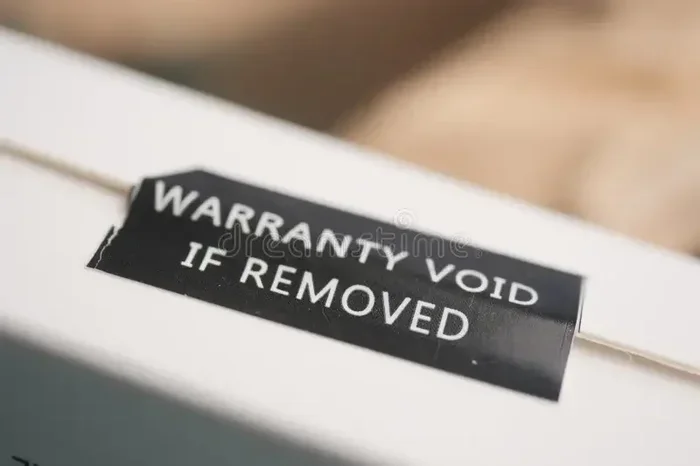
The answer is yes. A voided warranty means your coverage is canceled and you can no longer make claims. This is a serious situation, especially if you have already paid for the plan. But it does not happen by accident very often. Most warranty cancellations result from specific actions or choices by the consumer.
When a provider voids a warranty, they are essentially saying the contract is no longer in effect. This means you lose all the benefits you paid for. The good news is that voiding usually only happens under defined circumstances. It is not random or arbitrary.
What Does It Mean to Void a Warranty?
To void an extended warranty means to officially cancel or invalidate it. Once voided, the warranty provider is no longer obligated to pay for any repairs. You become responsible for all costs associated with fixing or replacing the covered item.
Think of it like a contract. Both sides agree to terms. If one side breaks those terms, the other side can walk away from the agreement. That is exactly what happens when a warranty is voided.
Is Voiding Always Permanent?
Not always. Some providers allow you to dispute a warranty voiding decision. If you believe the cancellation was unfair, you can appeal. Consumer protection laws in many states also give you rights. However, winning a dispute is not guaranteed. It depends on the circumstances and the provider’s policies.
Common Reasons an Extended Warranty Gets Voided
Understanding why warranties get voided is the first step in preventing it. Here are the most common reasons consumers lose their extended warranty coverage.
Skipping Required Maintenance
This is the number one reason warranties get canceled. Most extended warranty plans require you to follow a regular maintenance schedule. If you skip oil changes, inspections, or other recommended services, the provider can deny your claim and void the contract.
For example, if your car warranty requires oil changes every 5,000 miles and you miss several, the provider may argue you did not properly maintain the vehicle. This gives them grounds to cancel the coverage.
Making Unauthorized Repairs
Going to a repair shop that is not authorized by the warranty provider is a big red flag. Many warranties require you to use certified or approved service centers. If you take your car or appliance to a local mechanic instead, the provider may void the warranty.
This rule exists because providers want to ensure repairs are done correctly. Using unapproved shops can lead to improper fixes, which may cause more damage.
Modifying or Altering the Product
Making changes to a product that affect its performance or safety can void your warranty. This includes aftermarket modifications like adding performance parts to a vehicle or hacking a device’s software. If the modification contributes to the breakdown, the provider will likely deny the claim.
Using the Product Improperly
Every product comes with an intended use. If you use it in a way that was never designed or recommended, you risk voiding the warranty. For instance, using a household appliance for commercial purposes when it is rated for home use only can cancel your coverage.
Transferring the Warranty Improperly
Some warranties allow you to transfer the warranty to a new owner. But this process must follow specific steps. If you sell a product and fail to properly transfer the warranty, the new owner may not be covered. In some cases, the entire warranty can be voided.
Filing Fraudulent or False Claims
This should go without saying, but making false claims is a fast track to getting your warranty voided. Filing a claim for damage that was caused by wear, misuse, or neglect is considered fraud. It not only cancels the current warranty but can also blacklist you from future coverage with that provider.
How to Protect Your Extended Warranty From Being Voided
Protecting your extended warranty coverage is easier than you might think. A few smart habits can keep your plan active and valid for the entire coverage period.
Read the Contract Thoroughly
Before you sign anything, read every word of the warranty terms and conditions. Look for sections about maintenance requirements, authorized service providers, and exclusions. If something is unclear, ask the provider to explain it in writing.
Do not rely on what a salesperson tells you. The contract is the only legally binding document. Keep a copy in a safe place and refer to it often.
Follow the Maintenance Schedule
Stick to the recommended maintenance schedule without exception. Keep detailed records of every service visit. Save receipts, invoices, and service reports. These documents serve as proof that you maintained the product properly.
For vehicles, use the maintenance log provided by the manufacturer or a dedicated app. For home appliances, keep a folder with all service records. These records can save your warranty during a dispute.
Use Authorized Service Providers Only
Always check with your warranty provider before scheduling any repairs. Ask for a list of authorized service centers or approved mechanics. If you are unsure whether a shop is approved, contact the provider first.
This small step can save you from a warranty denial down the road. It is far better to confirm than to assume.
Keep the Product in Good Condition
Take care of the product you covered. Clean it regularly, store it properly, and use it as intended. Proper care reduces the likelihood of breakdowns and strengthens your position if a claim ever arises.
Document Everything
Keep a file with all warranty-related documents. This includes the original contract, purchase receipts, maintenance records, claim forms, and correspondence with the provider. Having everything organized makes it easier to respond to any questions or disputes.
Know Your Rights as a Consumer
Consumer protection laws vary by state and country. Many regions have laws that protect buyers from unfair warranty practices. Familiarize yourself with these laws so you know what to do if a provider tries to void your warranty unfairly.
What Happens When Your Warranty Is Voided?
Discovering that your extended warranty has been voided can feel devastating. You may be facing a costly repair bill with no way to offset the expense. Understanding what happens next can help you respond effectively.
The Immediate Impact
Once a warranty is voided, you lose all coverage benefits immediately. The provider will not pay for any repairs, replacements, or services related to the voided contract. You are now fully responsible for all costs.
Can You Dispute a Warranty Voiding?
Yes, you can. Most reputable warranty providers have a dispute process. You can submit a formal appeal explaining why you believe the voiding was unfair. Include all supporting documentation, such as maintenance records and correspondence.
If the internal dispute process does not resolve the issue, you can escalate the matter. Options include filing a complaint with your state’s attorney general, contacting the Better Business Bureau, or seeking legal advice. Consumer protection agencies can also intervene in some cases.
How to Avoid Getting Into This Situation
The best way to handle a voided warranty is to prevent it from happening in the first place. Follow the tips in the previous section. Stay proactive about maintenance and documentation. A little effort now can save you thousands of dollars later.
Should You Buy an Extended Warranty at All?
This is a question many consumers ask, and the answer depends on your situation. Extended warranties are not right for everyone. But for many people, they provide valuable peace of mind.
When an Extended Warranty Makes Sense
- You are buying a product with a high repair cost, like a vehicle or a major appliance.
- The extended warranty cost is reasonable compared to the potential repair expenses.
- The provider has a strong reputation and a track record of honoring claims.
- The warranty terms are clear, fair, and easy to understand.
- You plan to keep the product well beyond the standard warranty period.
When an Extended Warranty May Not Be Worth It
- The product has a low risk of breakdowns.
- The warranty cost is close to the cost of a potential repair.
- The warranty exclusions are so broad that most common issues are not covered.
- The provider has a history of warranty denials and poor customer service.
- You have the financial means to cover repairs out of pocket.
How to Choose a Reliable Warranty Provider
If you decide to buy an extended warranty, choose your provider carefully. Look for companies with strong warranty provider reputation scores. Read online reviews and check ratings with consumer protection agencies. Compare multiple plans before making a decision.
Ask questions about the warranty transfer process, claim procedures, and customer support availability. A good provider will be transparent and responsive. A bad one will hide details and make promises they cannot keep.
Quick Tips to Keep Your Extended Warranty Active
- Read the entire warranty contract before signing.
- Follow the maintenance schedule to the letter.
- Use only authorized service providers for all repairs.
- Keep all receipts and service records in one organized place.
- Never make unauthorized modifications to the covered product.
- Contact your provider before making any major repair decisions.
- Review your warranty terms annually to stay up to date.
Common Mistakes That Lead to Warranty Voiding
Many consumers unintentionally void their warranties by making common mistakes. Here are the ones to watch out for:
- Assuming all repairs are covered: Not every repair qualifies. Check your plan details first.
- Ignoring small maintenance tasks: Even minor missed services can give the provider grounds to cancel.
- Relying on verbal promises: Only written contract terms are legally binding.
- Not reporting issues promptly: Delaying can make the problem worse and complicate your claim.
- Buying from an unreliable provider: A shady company increases your risk of disputes and voiding.
Expert Insights on Extended Warranty Protection
Consumer advocates and warranty experts agree on a few key points. First, knowledge is your best defense. The more you understand about your warranty, the better equipped you are to protect it. Second, documentation is everything. Keep records of every interaction with your provider.
Experts also recommend shopping around before buying an extended warranty. Compare plans from multiple providers. Look at coverage limits, deductibles, and customer reviews. The cheapest option is not always the best. Focus on value and reliability instead.
Finally, experts stress the importance of reading the fine print. The words in the contract matter. If something is ambiguous, ask for clarification in writing before you commit. This simple step can save you from a world of trouble later.
Key Takeaways
- Yes, you can void an extended warranty: Certain actions like unauthorized repairs or missed maintenance can cancel your coverage.
- Read the fine print: Understanding warranty terms and conditions helps you avoid accidental cancellation.
- Third-party warranties have different rules: Not all extended warranty providers enforce the same terms.
- Regular maintenance matters: Sticking to the recommended service schedule keeps your warranty intact.
- You have options if voided: Dispute processes and consumer protection laws may help you recover your coverage.
- Prevention is key: Simple habits like documentation and using authorized providers keep your warranty active.
Conclusion
So, can you void an extended warranty? Yes, you can. But now you also know how to prevent it. Understanding the warranty terms and conditions, following the maintenance schedule, and using authorized service providers are your best tools for keeping your coverage active.
An extended warranty is a valuable investment when used correctly. It protects you from unexpected repair costs and gives you confidence in your purchases. But it only works if you honor the agreement. Treat your warranty like the contract it is, and it will serve you well.
Take the time to review your current warranty today. Make sure you are following all the rules. And if you are shopping for a new product protection plan, use the tips in this guide to make a smart, informed choice. Your future self will thank you when you need that coverage the most.
Frequently Asked Questions
Can I void my own extended warranty?
Yes, you can effectively void your own warranty by failing to follow the terms and conditions. Skipping required maintenance, using unauthorized repair shops, or making unapproved modifications are common ways consumers accidentally cancel their own coverage. Always review your contract to understand what actions could put your warranty at risk.
What happens when an extended warranty is voided?
When a warranty is voided, all coverage benefits end immediately. You are no longer eligible to file claims for repairs or replacements. The provider will not pay for any costs related to the covered product, leaving you responsible for all repair expenses out of pocket.
Can I dispute a voided extended warranty?
Yes, you can dispute a warranty voiding decision. Start by contacting the provider directly and submitting a formal appeal with supporting documentation. If the internal process does not resolve the issue, you can file a complaint with consumer protection agencies or seek legal advice to explore your options.
Does a third-party extended warranty have different voiding rules?
Yes, third-party warranty providers often have different rules compared to manufacturer-backed plans. These providers may enforce stricter requirements for maintenance records or authorized service centers. Always read the contract carefully before purchasing a third-party warranty to understand the specific terms.
Can I transfer a voided warranty to someone else?
No, a voided warranty cannot be transferred. Once the coverage is canceled, it is no longer valid for any owner. If you are selling a product, make sure the warranty is still active and follow the proper transfer procedures outlined in the contract.
How can I avoid accidentally voiding my extended warranty?
To avoid voiding your warranty, read the contract thoroughly, follow the maintenance schedule exactly, and only use authorized service providers. Keep detailed records of all maintenance and repairs, and contact your provider before making any major decisions about the covered product.