8 Channel Car Amp Guide To Power Your Sound System
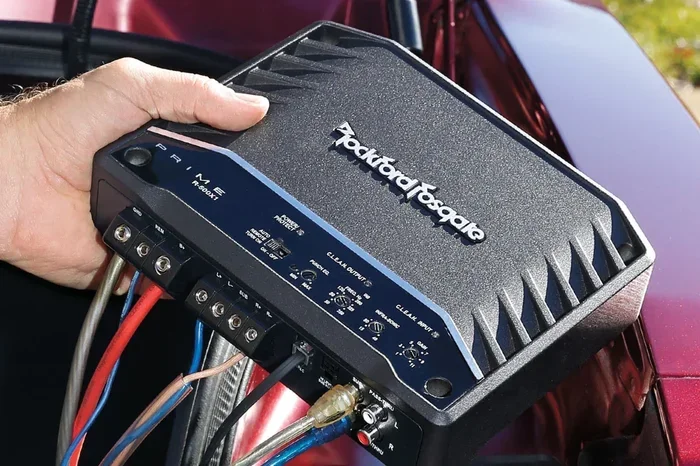
An 8 channel car amp is a powerful car audio amplifier that drives multiple speakers and subwoofers simultaneously. This guide covers everything from how an 8 channel car amp works to choosing the right one for your car sound system. You will learn about wattage, wiring, setup tips, and common mistakes to avoid.
If you love music and spend a lot of time in your car, you know that sound quality makes or breaks the experience. A great car audio amplifier can transform even a basic stereo into something truly amazing. And when it comes to powering multiple speakers at once, nothing beats the versatility of an 8 channel car amp.
Maybe you want deep bass from a subwoofer, crisp highs from tweeters, and full midrange from your door speakers. An 8 channel car amp handles all of that with ease. It replaces the need for several smaller amplifiers with one clean, powerful unit. Whether you are upgrading a factory stereo or building a custom car sound system from scratch, this guide has you covered.
In this article, we will walk you through everything you need to know. You will learn how an 8 channel car amp works, what features to look for, and how to set it up the right way. We will also share common mistakes to avoid and expert tips that will save you time and money. Let us dive in.
Key Takeaways
- An 8 channel car amp powers up to 8 speakers or a mix of speakers and subwoofers: giving your car audio system full-range sound everywhere.
- RMS wattage matters more than peak wattage: always check the continuous power rating when buying an 8 channel car amp.
- Built-in crossovers save you money and wiring: many 8 channel car amp models include filters that simplify your setup.
- Proper wiring and impedance matching prevent damage: always match your speaker load to the amp’s requirements.
- Class D amplifiers are the most efficient: they produce less heat and draw less power from your vehicle.
- An 8 channel car amp is perfect for factory stereo upgrades: it replaces multiple smaller amps with one clean unit.
- Installation is easier than you think: with the right wiring kit and basic tools, you can set up your 8 channel car amp at home.
📑 Table of Contents
- What Is an 8 Channel Car Amp and Why Do You Need One?
- Key Features to Look for in an 8 Channel Car Amp
- How to Choose the Right 8 Channel Car Amp for Your System
- Installing Your 8 Channel Car Amp: A Step-by-Step Guide
- Common Mistakes to Avoid with an 8 Channel Car Amp
- Expert Insights on Getting the Best Sound from Your 8 Channel Car Amp
- Conclusion
What Is an 8 Channel Car Amp and Why Do You Need One?
An 8 channel car amp is a multi channel amplifier designed to power up to eight separate audio channels. Each channel drives one speaker or one pair of speakers. This means one amp can run your front tweeters, front midrange speakers, rear speakers, and even one or two subwoofers.
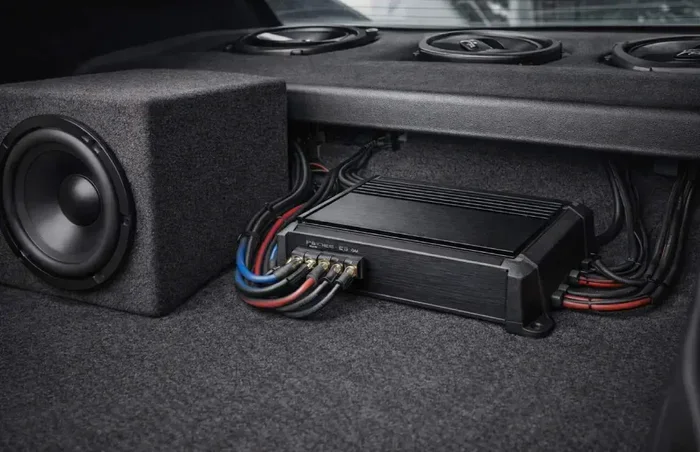
Think of it like a power station for your car audio setup. Instead of cramming three or four different amplifiers under your seat, you use one sleek unit. This saves space, reduces wiring clutter, and keeps things looking clean in your vehicle.
How Does an 8 Channel Car Amp Work?
The car audio amplifier takes a low-voltage audio signal from your head unit and boosts it. This boosted signal sends power to your speakers, making them produce sound. An 8 channel car amp does this for eight separate outputs at the same time.
Each channel has its own gain control. This lets you adjust the volume and tone for each set of speakers independently. You can make your front speakers louder than your rear ones, or give your subwoofer more punch. This level of control is what makes an 8 channel car amp so popular among car audio enthusiasts.
Who Benefits Most from an 8 Channel Car Amp?
Several types of car owners get great value from an 8 channel car amp. Here are the groups that benefit the most:
- Family car owners: You want great sound for everyone in the back seat too.
- Music lovers: You have component speakers and a subwoofer and want each to get its own dedicated channel.
- Truck and SUV drivers: Larger cabins need more speakers to fill the space with sound.
- DIY installers: You want one clean upgrade instead of wiring up multiple small amps.
- Festival and cruise fans: You need high volume and clear sound at outdoor events or car meets.
Key Features to Look for in an 8 Channel Car Amp
Not all multi channel amplifiers are created equal. When shopping for an 8 channel car amp, you need to know which features matter most. Here is what to look for.
RMS Wattage and Power Output
RMS wattage stands for Root Mean Square. It measures the continuous power an amplifier can deliver without distorting. This is the number that actually matters. Peak wattage is just a short burst of power and does not reflect real-world performance.
When comparing 8 channel car amp models, look at the RMS rating per channel. A good car audio amplifier should deliver at least 50 to 75 watts RMS per channel. Higher numbers mean louder, cleaner sound. But always match the power to your speakers’ ratings. Sending too much power can blow your speakers.
Amplifier Class: Class D vs Class AB
Amplifier classes refer to how the amp processes and delivers power. The two most common types are Class D and Class AB.
- Class D amplifiers are highly efficient. They produce less heat and draw less power from your vehicle’s electrical system. Most modern 8 channel car amp models use Class D technology.
- Class AB amplifiers offer slightly better sound quality for some audiophiles. However, they run warmer and are less efficient.
For most car sound system setups, a Class D 8 channel car amp is the best choice. It gives you excellent sound quality with great efficiency.
Built-in Crossovers and Signal Processing
A good 8 channel car amp includes built-in crossovers. These filters send the right frequencies to the right speakers. High-pass filters send treble to tweeters. Low-pass filters send bass to subwoofers. Mid-range filters handle your door speakers.
This means you do not need to buy separate crossover boxes. The car audio amplifier handles it all internally. This simplifies wiring and saves you money. Look for models with adjustable crossovers so you can fine-tune your car audio setup.
Impedance and Speaker Load Compatibility
Speaker impedance is measured in ohms and tells the amp how much load it will drive. Most car speakers are 4 ohms. Some are 2 ohms. Your 8 channel car amp must be able to handle the impedance of your speakers.
Always check the amp’s minimum impedance rating. If your speakers are 4 ohms each and the amp can handle 2 ohms per channel, you are in great shape. Wiring speakers in parallel can lower the total impedance, so make sure you understand how that works before you connect anything.
Signal-to-Noise Ratio
The signal-to-noise ratio (SNR) measures how clean the audio signal is. A higher number means less background noise and static. Look for an 8 channel car amp with an SNR of at least 90 dB. This ensures your music sounds clear and free of unwanted hiss or hum.
How to Choose the Right 8 Channel Car Amp for Your System
Choosing the right 8 channel car amp can feel overwhelming with so many options on the market. But it does not have to be. Follow these simple steps to find the perfect match for your car sound system.
Step 1: Know Your Speakers
Start by checking your speakers’ power handling ratings. Look at the RMS wattage and impedance. Your 8 channel car amp should match or slightly exceed these numbers. For example, if your speakers handle 75 watts RMS each, look for an amp that delivers around 75 to 100 watts RMS per channel.
Step 2: Decide on Your Setup
Think about how you want to use the channels. Here are common configurations:
- Full-range setup: All 8 channels power 8 individual speakers for balanced sound throughout the car.
- 3-way setup: 4 channels power component speakers (tweeter, midrange, woofer), and 4 channels power 2 subwoofers.
- Bass-heavy setup: 6 channels run full-range speakers, and 2 channels bridge to power one large subwoofer.
Your setup depends on your music taste and your vehicle size. A sedan might only need 6 full-range channels and 2 bridged for a subwoofer. A truck or SUV might benefit from all 8 channels running full-range speakers.
Step 3: Set Your Budget
Car audio amplifiers range from budget-friendly to premium. A solid 8 channel car amp typically costs between $200 and $800. Higher-priced models offer better build quality, more features, and cleaner sound. But you do not need to spend a fortune to get great results.
Set a realistic budget and look for the best features within that range. Remember, the amp is only one part of your car sound system. Good speakers and proper installation matter just as much.
Step 4: Check the Brand and Warranty
Stick with reputable brands that offer solid warranties. A good warranty shows the manufacturer trusts their product. Look for at least a 1-year warranty, but premium brands often offer 2 to 3 years of coverage.
Installing Your 8 Channel Car Amp: A Step-by-Step Guide
Installing an 8 channel car amp is easier than most people think. With the right tools and a little patience, you can do it yourself in a few hours. Here is a simple walkthrough.
What You Will Need
- 8 channel car amp of your choice
- Wiring kit (power wire, ground wire, remote turn-on wire, RCA cables)
- Ring terminals and butt connectors
- Wire stripper and crimping tool
- Fuse and fuse holder
- Mounting hardware (bolts, nuts, zip ties)
- Multimeter for testing connections
Step 1: Choose the Mounting Location
Mount your car audio amplifier in a dry, ventilated area. Under the rear seat or behind the kick panel works well for most vehicles. Make sure the amp has airflow around it to prevent overheating. Never mount it near hot exhaust components.
Step 2: Run the Power Wire
Run a power wire from your car battery to the amp location. Use a wire gauge that matches the amp’s power draw. A wiring kit specific to your amp model will tell you the correct gauge. Install an inline fuse as close to the battery as possible.
Step 3: Ground the Amplifier
Connect the ground wire to a clean, bare metal surface on the car chassis. Remove any paint or rust from the grounding point. A solid ground prevents noise and ensures your 8 channel car amp performs at its best.
Step 4: Connect the RCA Cables
Run RCA cables from your head unit to the amp inputs. Keep RCA cables away from power wires to avoid interference. Use quality RCA cables with good shielding for the cleanest signal.
Step 5: Wire the Speakers
Connect speaker wires from each amp channel to the corresponding speakers. Pay attention to positive and negative terminals. Wrong polarity can cause sound cancellation and weak bass. Use speaker impedance matching to ensure safe operation.
Step 6: Test and Tune
Before you tighten everything down, power on the system and test each channel. Adjust the gain on each channel to match your speakers. Set the built-in crossovers to the right frequencies for each speaker type. This tuning step makes a huge difference in sound quality.
Quick Tips for a Clean Installation
- Use zip ties to keep wires neat and out of the way.
- Label each wire at both ends so you know which channel it belongs to.
- Leave some slack in power and speaker wires to prevent stress on connections.
- Double-check all connections before turning on the system.
- Use dielectric grease on speaker terminals to prevent corrosion.
Common Mistakes to Avoid with an 8 Channel Car Amp
Even experienced car audio enthusiasts make mistakes. Here are the most common ones and how to avoid them.
Mistake 1: Ignoring Impedance Matching
Connecting speakers with the wrong impedance can damage your 8 channel car amp. Always check that your speaker load matches the amp’s minimum rating. If you wire speakers in parallel, the total impedance drops. Make sure the amp can handle that lower load.
Mistake 2: Using Peak Wattage to Choose an Amp
Peak wattage is misleading. It measures a very short burst of power, not continuous output. Always use RMS wattage to match your amp to your speakers. An 8 channel car amp rated at 100 watts RMS per channel will deliver consistent, clean power.
Mistake 3: Undersizing the Power Wire
Too-thin power wire causes voltage drop and poor performance. It can also overheat and become a fire hazard. Always use the correct wire gauge for your car audio amplifier. When in doubt, go one size thicker.
Mistake 4: Skipping the Ground Connection
A poor ground connection causes buzzing, humming, and static. Clean the ground point thoroughly and use a tight connection. This is one of the most overlooked steps in any car sound system installation.
Mistake 5: Overpowering Your Speakers
More power is not always better. If your 8 channel car amp delivers too much power for your speakers, you risk blowing them. Match the amp’s RMS output to your speakers’ RMS handling for the best results.
Expert Insights on Getting the Best Sound from Your 8 Channel Car Amp
Car audio experts share these tips to help you get the most out of your 8 channel car amp.
Tune Your System with an DSP
A digital signal processor (DSP) gives you precise control over your audio output. It lets you adjust time alignment, equalizer settings, and channel levels. Many modern 8 channel car amp models include a built-in DSP. If yours does not, consider adding an external one for studio-quality tuning.
Use Quality RCA Cables
Cheap RCA cables introduce noise and signal loss. Invest in high-quality, well-shielded cables. This small upgrade can dramatically improve the clarity of your car audio setup.
Break In Your Speakers
New speakers sound best after a break-in period of 20 to 50 hours. Play music at moderate volumes during this time. Your car sound system will sound smoother and more natural once the speakers are broken in.
Keep Your Amp Ventilated
Amplifier classes like Class D still produce heat. Ensure your mounting location has good airflow. Avoid enclosing the amp in a sealed compartment. Heat is the number one enemy of any car audio amplifier.
Upgrade Your Head Unit
A quality head unit sends a cleaner signal to your 8 channel car amp. If your factory head unit has a weak preamp output, consider upgrading to an aftermarket unit. This makes a noticeable difference in overall sound quality.
Conclusion
An 8 channel car amp is one of the best upgrades you can make to your vehicle’s audio system. It gives you the power, flexibility, and control to create a truly immersive car sound system. From choosing the right wattage to avoiding common wiring mistakes, this guide has given you everything you need to get started.
Remember to match your amp to your speakers, use quality wiring, and take your time during installation. The result is worth the effort. You will enjoy cleaner, louder, and more balanced sound every time you hit the road. Whether you are a casual listener or a serious audiophile, an 8 channel car amp transforms your daily drive into a personal concert.
Now that you have all the knowledge, it is time to take action. Pick the right 8 channel car amp for your needs, gather your tools, and start building the car audio setup you have always wanted. Your ears will thank you.
Frequently Asked Questions
What is the difference between an 8 channel car amp and a 4 channel car amp?
An 8 channel car amp powers up to eight speakers or a mix of speakers and subwoofers, while a 4 channel amp powers only four. An 8 channel unit gives you more flexibility and can replace multiple smaller amps in your car sound system. It is ideal for larger vehicles or setups that need full-range sound everywhere.
Can I bridge channels on an 8 channel car amp?
Yes, most 8 channel car amp models allow you to bridge pairs of channels. Bridging combines two channels into one with higher power output. This is great for powering a subwoofer. Just make sure your amp supports bridging and your speakers can handle the increased power.
Do I need a special wiring kit for an 8 channel car amp?
You need a wiring kit rated for your amp’s power draw. Most car audio amplifier manufacturers sell compatible kits. A typical setup requires a power wire, ground wire, remote turn-on wire, RCA cables, and speaker wires. Always use the correct wire gauge to avoid voltage drop.
Is an 8 channel car amp hard to install?
Not at all. With a basic wiring kit and some patience, most people can install an 8 channel car amp at home in a few hours. The key steps are mounting the amp, running power and ground wires, connecting RCA cables, and wiring the speakers. Follow the manufacturer’s instructions and you will be fine.
How much does a good 8 channel car amp cost?
A solid 8 channel car amp typically costs between $200 and $800. Budget models under $300 offer decent performance for daily driving. Mid-range amps between $300 and $600 provide excellent sound quality and features. Premium models above $600 deliver audiophile-grade performance with advanced signal processing.
Can I use an 8 channel car amp for a factory stereo upgrade?
Absolutely. An 8 channel car amp is one of the best upgrades for a factory stereo. It replaces the weak built-in amplifier with clean, powerful output. You can run better speakers on all channels and add a subwoofer for deep bass. This transforms your vehicle’s sound without replacing the entire factory system.