Do I Have to Carry Insurance on a Repossessed Car
You typically must keep insurance on a repossessed car until the loan is settled or the vehicle is sold. Lenders often require collateral protection insurance to safeguard their investment. Failing to maintain coverage can result in additional charges, legal issues, and harm to your credit score.
Car repossession is one of the most stressful financial situations a person can face. You lose your vehicle, your monthly payments stop, and suddenly you are left with many questions. One of the biggest questions people ask is about insurance. Do you still need to pay for coverage on a car the lender has already taken back? The answer might surprise you. In most cases, the answer is yes.
Understanding your insurance obligations after repossession is critical. It can save you from unexpected bills, legal trouble, and further damage to your financial health. This article breaks down everything you need to know in plain, simple language. Whether you are going through a repossession right now or preparing for what comes next, this guide has you covered.
Key Takeaways
- Insurance obligations continue after repossession: Your loan agreement likely still requires coverage even if the lender has the car.
- Lenders can force-place insurance: If your policy lapses, the lender may buy their own policy and bill you for it.
- You may still owe money: A deficiency balance can remain after the car is sold at auction.
- Credit damage is real: Repossession and insurance lapses both hurt your credit score.
- You have options: You can buy the car back, negotiate with the lender, or let them handle the sale.
- Gap insurance helps: It covers the difference between what you owe and what the car is worth.
- Act quickly: The sooner you address the situation, the less financial damage you will face.
📑 Table of Contents
What Happens to Insurance When a Car Gets Repossessed
When a lender repossesses your car, they take physical possession of the vehicle. But that does not automatically cancel your insurance policy. Many people assume that once the car is gone, the insurance goes away too. That is not how it works. Your auto insurance policy is tied to the loan agreement, not just the vehicle itself.
The lender has a financial interest in your car until the loan is fully satisfied. They want to make sure the vehicle stays protected. If the car gets damaged or stolen while in their possession, they still lose money. That is why most loan agreements include clauses that require you to maintain insurance throughout the life of the loan.
The Repossession Process and Insurance
Let us walk through what typically happens step by step. First, you miss several loan payments. The lender sends notices and tries to contact you. If you do not catch up, they repossess the car. The tow truck takes the vehicle, and it goes to a storage facility. At this point, you might think your insurance responsibility ends.
It does not. The lender still owns the loan. The car is just collateral. Your insurance obligations continue because the loan is still active. The lender expects you to keep the policy active until the loan is resolved one way or another.
Here are the most common scenarios that play out after repossession:
- You keep the insurance active: This is the safest route. It protects you from extra charges and keeps your credit score in better shape.
- You let the insurance lapse: The lender may find out and force-place their own policy. You will pay for it, often at a much higher rate.
- The lender cancels the policy: Some lenders handle this directly, but you may still be billed for coverage they had to arrange.
Do You Still Owe Insurance on a Repossessed Car
The short answer is almost always yes. Your loan agreement is a legally binding contract. It spells out your responsibilities, including maintaining insurance. Even though the lender has the car, the loan still exists. And as long as the loan exists, so do your obligations.
Let us look at this from the lender’s perspective. They repossessed the car to recover the money you owed. But repossession costs money. There are towing fees, storage fees, and legal costs. The lender wants to protect their investment while the car sits in storage or waits for auction. That is where lender-required insurance comes in.
Lender-Required Insurance Explained
Many auto loans include a clause that requires you to carry a specific type of coverage. This is often called comprehensive and collision insurance. It covers damage to the vehicle from accidents, theft, fire, and weather events. Without this coverage, the lender faces financial risk if the car gets damaged while in their possession.
Some loan agreements go even further. They require what is known as collateral protection insurance, or CPI. This is insurance the lender purchases on your behalf if you fail to maintain your own policy. CPI typically costs more than regular insurance because it includes a fee for the lender’s administrative costs.
Here is what you need to know about CPI:
- It is usually more expensive than a standard policy.
- The lender adds the cost to your loan balance.
- It does not always provide the same level of coverage you would get on your own.
- It can increase your remaining loan balance significantly.
What If You Already Had Insurance?
If you had active insurance when the car was repossessed, your policy may still be in effect. Most standard auto policies cover the vehicle for a set period after it is no longer in your possession. However, this varies by insurance company and policy type.
Some policies automatically cancel when the car is repossessed. Others continue coverage for a few days or weeks. You should contact your insurance company right away to find out what happens to your specific policy. Do not assume it just ends on its own.
Your Options After Repossession
Once the car is repossessed, you have a few paths forward. Each option has different implications for your insurance obligations and your finances. Understanding these options helps you make the best decision for your situation.
Option 1: Buy the Car Back
In some states, you have the legal right to reclaim your repossessed car. This is called redemption. You pay the full remaining loan balance plus repossession costs and any fees. Once you buy the car back, you can reinstate your insurance and keep driving it.
This option works well if the car is still in good condition and the remaining loan balance is manageable. However, you need to act quickly. Most lenders give a limited window before they sell the vehicle at auction.
Option 2: Let the Lender Sell the Car
If you cannot afford to buy the car back, the lender will eventually sell it. They typically auction it off to recover as much of the loan as possible. After the sale, the lender applies the proceeds to your loan balance.
Here is where things get tricky. If the car sells for less than what you owe, you still owe the difference. This is called a deficiency balance. And yes, your insurance obligations may continue until this balance is resolved.
Option 3: Negotiate with the Lender
You are not stuck with whatever the lender throws at you. You can negotiate. Many lenders are willing to work out a payment plan or settle for a lower amount. During negotiations, you should also discuss your insurance requirements.
Ask the lender if they will release you from the insurance obligation once the car is sold. Get any agreements in writing. This protects you from surprise bills later on.
Option 4: Check Your Loan Agreement Carefully
Not all loan agreements are the same. Some have specific clauses about what happens to insurance after repossession. Others are vague and leave room for interpretation. Read your agreement carefully or have a legal professional review it.
Look for these key terms:
- Insurance requirement duration: Does coverage need to continue until the car is sold?
- Force-place insurance rights: Can the lender buy insurance on your behalf?
- Deficiency and insurance costs: Are insurance costs added to the deficiency balance?
- Release of lien: When does the lender release their claim on the vehicle?
How Repossession Affects Your Insurance and Credit
Repossession does not just affect your car and your loan. It has ripple effects across your entire financial life. Your credit score takes a hit, and your insurance rates can be affected too.
The Credit Score Impact
A repossession is a serious negative mark on your credit report. It stays on your record for up to seven years. It lowers your credit score significantly, making it harder to get approved for loans, credit cards, and even apartments in the future.
But here is the part many people overlook. If you let your insurance lapse after repossession, that adds another negative item. A lapse in coverage can be reported to credit bureaus in some cases. It can also trigger force-place insurance fees that increase your loan balance.
Insurance Rate Changes After Repossession
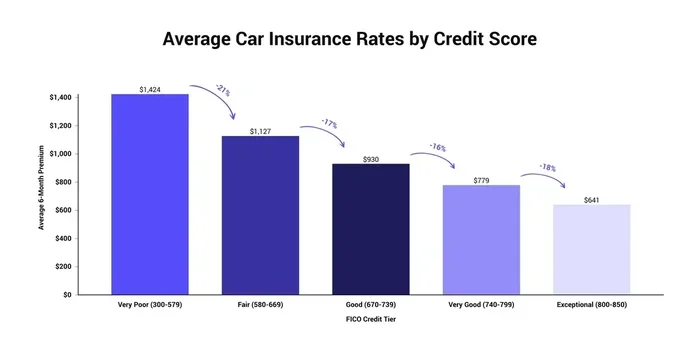
Your car insurance rates are already likely to go up after a repossession. Insurers see it as a sign of financial risk. But the impact goes further. If you had comprehensive and collision coverage on the repossessed car, losing that coverage can change your overall insurance profile.
When you get a new car in the future, insurers will see the repossession on your record. This can lead to higher premiums for years. Maintaining continuous coverage, even on a repossessed vehicle, helps minimize this damage.
Some people ask about SR-22 insurance after repossession. An SR-22 is a certificate of financial responsibility. It is usually required after serious driving violations like DUIs. A repossession itself does not typically require an SR-22. But if the repossession leads to legal action or a judgment, your state might require one.
Common Mistakes People Make After Repossession
Making mistakes after a repossession can make a tough situation much worse. Here are the most common errors people make regarding insurance after repossession.
Assuming Coverage Ends Automatically
This is the biggest mistake. Many borrowers believe that once the lender takes the car, they no longer need insurance. This is false. The loan is still active, and your agreement still requires coverage. Assuming otherwise can lead to force-place insurance fees and additional charges.
Ignoring the Remaining Loan Balance
After the car is sold at auction, people often assume their debt is gone. It is not. If the sale price does not cover the full loan amount, you still owe the difference. And your insurance costs may be added to that balance if the lender force-placed a policy.
Not Contacting Your Insurance Company
Failing to inform your insurance company about the repossession is a missed opportunity. Your agent can help you understand what happens to your current policy. They can also advise you on how to adjust coverage to avoid paying for unnecessary protection.
Forgetting About Gap Insurance
If you had gap insurance on your loan, it can help cover the difference between what you owe and what the car is worth at auction. Gap insurance does not eliminate your insurance obligations, but it can reduce your financial exposure significantly.
Expert Tips for Handling Insurance After Repossession
Dealing with insurance after a car is repossessed does not have to be overwhelming. A few smart moves can save you money and protect your financial future.
Tip 1: Contact your lender and insurance company within days of repossession. Get clarity on what is expected. Ask for written confirmation of your insurance obligations.
Tip 2: Keep all documentation. Save every letter, email, and notice from the lender and your insurance company. These records are valuable if disputes arise later.
Tip 3: Do not cancel your policy without written confirmation. Even if you think the car is no longer your responsibility, get written proof from the lender that your insurance requirement has ended.
Tip 4: Monitor your credit report. Check for errors related to the repossession and any insurance-related charges. Dispute anything that looks incorrect.
Tip 5: Consider speaking with a financial counselor. If you are overwhelmed, a credit counselor can help you understand your options and negotiate with your lender.
Tip 6: Plan for your next vehicle. Once the repossession is resolved, start rebuilding your credit and insurance profile. Shop around for the best rates when you are ready for a new car.
Handling insurance after a repossession requires attention and patience. It is not fun, but it is manageable. The key is to stay proactive and informed. Every step you take to address your obligations brings you closer to financial recovery.
Remember, the repossessed car insurance requirement exists to protect the lender, not to punish you. By understanding this and taking the right actions, you can navigate this challenging situation with confidence. Keep your coverage active, communicate with your lender, and focus on rebuilding your financial health one step at a time.
You have already faced one of the hardest parts, which is losing your vehicle. Do not let confusion about insurance make it harder. Take control of the situation, ask questions, and make decisions that serve your long-term financial well-being. The road to recovery starts with understanding your responsibilities and acting on them today.
Frequently Asked Questions
Can a lender force me to keep insurance on a repossessed car?
Yes, in most cases. Your loan agreement likely requires you to maintain insurance until the loan is fully satisfied. The lender has a financial interest in the vehicle even after repossession, and they want it protected while it is in their possession or awaiting sale.
What happens if I cancel my insurance after my car is repossessed?
If you cancel your insurance, the lender may force-place their own policy and bill you for it. Force-placed insurance is typically more expensive and offers less coverage. The cost is added to your loan balance, increasing your deficiency balance and making your financial situation worse.
Does gap insurance cover a repossessed car?
Gap insurance helps cover the difference between what you owe on the loan and what the car is worth. It does not eliminate your insurance obligations, but it can reduce the financial impact if the car sells for less than your remaining loan balance at auction.
How long do I need to keep insurance on a repossessed car?
You need to maintain insurance until the lender releases you from the obligation or the loan is fully resolved. This could be when the car is sold, the loan is paid off, or a settlement is reached. Check your loan agreement and get written confirmation from the lender.
Will a repossession affect my future car insurance rates?
Yes, a repossession can lead to higher insurance rates in the future. Insurers view it as a sign of financial risk. Maintaining continuous coverage, even during a repossession, can help minimize the long-term impact on your premiums.
Can I get my repossessed car back if I have insurance?
Having insurance does not guarantee you can get the car back, but it does help. In many states, you can redeem the car by paying the full loan balance plus repossession costs. Keeping your insurance active shows the lender you are serious about resolving the debt.
=== CONCLUSION ===
The question of Do I Have to Carry Insurance on a Repossessed Car comes up more often than most people think. The answer is clear: in most cases, yes, you must maintain insurance until the loan is fully resolved. Your loan agreement requires it, and failing to comply can lead to costly consequences.
From force-place insurance fees to deficiency balances and credit damage, the risks of ignoring your insurance obligations are real. But the good news is that you have options. You can buy the car back, negotiate with the lender, or let them handle the sale. Each path has its own implications for your insurance requirements and your financial future.
The best thing you can do right now is to stay informed and take action. Contact your lender, talk to your insurance company, and review your loan agreement carefully. Do not let confusion or fear make bad decisions for you. You have already taken a big step by learning about your responsibilities. Now use that knowledge to protect yourself and move forward with confidence. Your financial recovery starts with understanding the rules and playing them smart.