Do You Really Need Car Insurance in New Hampshire Today
New Hampshire does not require drivers to carry car insurance by law, but that doesn’t mean you should skip it. Every driver is still financially responsible for any damage or injury they cause. Without a proper auto insurance policy, a single accident could cost you tens of thousands of dollars. Understanding your options helps you make a smart, informed decision that protects your wallet and your future.
New Hampshire is famous for its rugged mountains, cozy fall foliage, and the motto “Live Free or Die.” But when it comes to car insurance in New Hampshire, the rules can surprise you. The state does not legally require drivers to carry auto insurance. That fact alone makes many people wonder if they even need a policy at all.
The short answer is yes. You really do need car insurance in New Hampshire, even though the law doesn’t force you to have it. The longer answer involves understanding how financial responsibility works, what happens after an accident, and how much a single crash could cost you out of pocket. This guide breaks it all down in plain, simple terms.
Whether you are a first-time driver, a longtime NH resident, or someone who just moved to the Granite State, this article will help you make a smart decision about your coverage. We will walk through the laws, the risks, the costs, and the best ways to protect yourself on the road.
Key Takeaways
- NH has no mandatory insurance law: New Hampshire is one of only two states that don’t require car insurance by statute.
- Financial responsibility still applies: You must prove you can pay for damages after an accident, whether through insurance or personal funds.
- Penalties for driving uninsured are steep: Fines, license suspension, and SR-22 filings can cost you hundreds or thousands of dollars.
- Minimum liability coverage is affordable: A basic liability insurance policy in NH can cost as little as $30 to $50 per month.
- Full coverage gives better protection: collision coverage and comprehensive coverage shield you from out-of-pocket expenses.
- Uninsured motorist coverage is highly recommended: It protects you when another driver causes an accident and has no insurance.
- Comparing quotes saves money: Shopping around helps you find the best insurance premium for your needs.
📑 Table of Contents
- Understanding New Hampshire’s Car Insurance Laws
- What Happens If You Drive Without Insurance in NH?
- How Much Does Car Insurance Cost in New Hampshire?
- Types of Coverage You Should Consider
- Common Mistakes People Make About NH Car Insurance
- When You Might Not Need Full Coverage
- How to Choose the Right Car Insurance Policy in NH
- Conclusion
Understanding New Hampshire’s Car Insurance Laws
New Hampshire stands out among all 50 states when it comes to auto insurance requirements. It is one of only two states — Virginia being the other — that does not mandate car insurance by law. This unique status often leads to confusion. People assume that if there is no law requiring it, they can simply drive without any coverage at all.
The Financial Responsibility Law
Here is the critical part that many people miss. Even though New Hampshire does not require you to carry insurance, it does enforce a financial responsibility law. This law, found in NH RSA 260:6, states that every driver must be able to prove they can pay for damages they cause in an accident.
So what does this mean in practice? If you hit another car and cause $15,000 in damage, you are personally responsible for that bill. You could pay it yourself, or you could have insurance cover it. But if you cannot pay, the state can take action against you.
Proving financial responsibility usually means showing proof of insurance after an accident. You might need to file an SR-22 form, which is a certificate from your insurance company confirming you carry the required coverage. This process can be expensive and inconvenient, which is why most people simply buy a policy upfront.
How NH Compares to Other States
Most states operate under a mandatory auto insurance system. They require drivers to carry a minimum level of liability coverage before they can register a vehicle or get a driver’s license. New Hampshire takes a different approach by letting drivers choose.
However, choosing to go without insurance in NH comes with real risks. If you get into an accident and cannot prove financial responsibility, you could face license suspension, vehicle registration revocation, and significant fines. The state takes financial responsibility seriously, even if it does not mandate insurance in advance.
What Happens If You Drive Without Insurance in NH?
Driving without insurance in New Hampshire is not illegal in the traditional sense. But the consequences of being caught without coverage after an accident are serious. Let us look at what can happen.
Fines and Penalties
If you cause an accident and cannot prove financial responsibility, the state can impose fines. These fines vary depending on the severity of the incident. For a minor fender bender, you might face a fine of a few hundred dollars. For a serious accident with injuries or significant property damage, the penalties can escalate quickly.
Beyond fines, the state can suspend your driver’s license. This means you cannot legally drive in New Hampshire or any other state until you resolve the issue. Your vehicle registration can also be revoked, which means your car cannot be legally registered or driven on public roads.
The SR-22 Requirement
An SR-22 filing is one of the most common consequences of driving without insurance in NH. This form is filed by your insurance company with the state to prove you carry the required coverage. Having an SR-22 on your record usually means higher insurance premiums for at least three years.
The cost of an SR-22 filing itself can range from $15 to $50 per year on top of your regular premium. But the real cost comes from the increased insurance premium that follows. Many drivers who need an SR-22 end up paying significantly more for their coverage than they would have if they had just maintained a policy from the start.
License Suspension and Reinstatement
Getting your license back after a suspension is not easy. You typically need to provide proof of insurance, pay all outstanding fines, and pay a reinstatement fee. The process can take weeks or even months, depending on the circumstances. During that time, you cannot legally drive, which can affect your job, your daily routine, and your independence.
Quick Tip: If you ever find yourself in a situation where you need to reinstate a suspended license, contact the New Hampshire DMV right away. They can walk you through the specific steps and requirements for your case.
How Much Does Car Insurance Cost in New Hampshire?
One of the biggest concerns people have about buying auto insurance is the cost. The good news is that car insurance in New Hampshire tends to be more affordable than the national average. But the exact price depends on several factors.
Average Premiums in NH
The average driver in New Hampshire pays between $1,200 and $1,800 per year for a standard auto policy. That breaks down to roughly $100 to $150 per month. Of course, your actual rate could be higher or lower depending on your personal situation.
A basic policy with minimum liability coverage will cost less. A full coverage policy with collision coverage, comprehensive coverage, and higher limits will cost more. The key is finding the right balance between protection and affordability.
Factors That Affect Your Rate
Several factors influence how much you pay for car insurance in New Hampshire:
- Your driving record: A clean driving history with no accidents or violations will keep your rates lower.
- Your age and gender: Younger drivers, especially teenagers, typically pay higher premiums.
- Your vehicle type: A reliable sedan costs less to insure than a sports car or luxury SUV.
- Your location: Drivers in urban areas like Manchester or Nashua may pay more than those in rural towns.
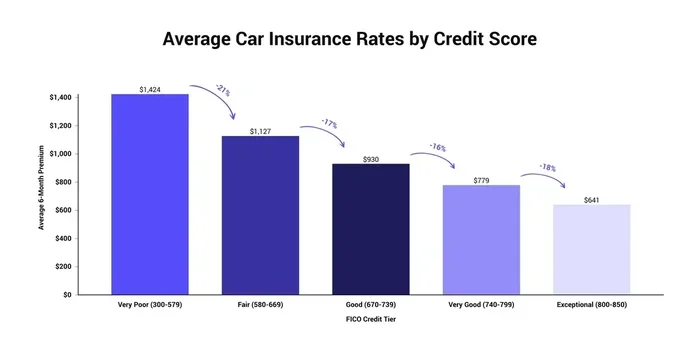
- Your credit score: In most states, including NH, insurers use credit-based insurance scores to help determine rates.
- Your coverage levels: Higher coverage limits and lower deductibles increase your premium.
- Your mileage: If you drive fewer miles each year, you may qualify for a low-mileage discount.
Ways to Lower Your Premium
Saving money on your auto policy is absolutely possible. Here are some practical steps you can take:
- Shop around and compare quotes from at least three different insurers.
- Bundle your policies — combine your auto and home insurance with the same company.
- Increase your deductible — a higher deductible lowers your monthly premium.
- Ask about discounts — many insurers offer discounts for safe driving, good students, military service, and more.
- Maintain continuous coverage — never let your policy lapse, as this can spike your rates.
- Drive safely — avoid accidents and traffic violations to keep your record clean.
Types of Coverage You Should Consider
Even though New Hampshire does not require specific coverage types, having the right policies in place is essential. Let us break down the main types of coverage you should consider for your auto insurance policy.
Liability Coverage
Liability insurance is the most important type of coverage you can have. It pays for damages and injuries you cause to other people in an accident. This includes both property damage and bodily injury.
In most states, liability coverage is mandatory. In New Hampshire, it is not required by law, but it is strongly recommended. Without it, you would have to pay for any damage you cause out of your own pocket.
A typical liability policy in NH includes:
- Bodily injury liability per person: Covers medical expenses for one injured person.
- Bodily injury liability per accident: Covers total medical costs for all injured people.
- Property damage liability: Covers damage to other people’s vehicles or property.
Collision Coverage
Collision coverage pays for damage to your own vehicle after an accident, regardless of who is at fault. This coverage is especially valuable if you have a newer car or a vehicle with a high market value.
Without collision coverage, you would need to pay for all repairs to your car yourself. For many people, this can mean thousands of dollars in unexpected expenses. If you have a loan or lease on your vehicle, your lender will likely require collision coverage anyway.
Comprehensive Coverage
Comprehensive coverage protects your vehicle from damage that is not caused by a collision. This includes theft, vandalism, fire, flooding, hail, and hitting an animal.
Comprehensive coverage is particularly useful in New Hampshire during the winter months. Ice storms, heavy snowfall, and falling tree branches can all cause significant vehicle damage. Having this coverage means you are not left paying for expensive repairs on your own.
Uninsured Motorist Coverage
Uninsured motorist coverage is one of the most underrated types of protection. It kicks in when another driver causes an accident but does not have insurance of their own.
Here is a startling fact: approximately 1 in 8 drivers in the United States does not carry auto insurance. That means on any given day, there is a real chance you could be hit by someone who has no coverage at all. Without uninsured motorist coverage, you would be stuck paying for your own medical bills and vehicle repairs.
Expert Insight: “Uninsured motorist coverage is one of the best values in auto insurance,” says Sarah Mitchell, a licensed insurance broker in Concord, NH. “For a relatively small increase in your premium, you get significant protection against the most common and costly scenarios.”
Medical Payments Coverage
Medical payments coverage, also known as MedPay, pays for your own medical expenses after an accident, regardless of who is at fault. This is different from liability coverage, which only pays for the other person’s injuries.
In New Hampshire, where health insurance is not mandatory, MedPay can be especially valuable. It helps cover hospital bills, ambulance costs, and rehabilitation expenses that your health insurance might not fully pay for.
Common Mistakes People Make About NH Car Insurance
Many drivers make avoidable mistakes when it comes to car insurance in New Hampshire. Understanding these pitfalls can save you money, time, and stress.
Mistake 1: Assuming No Law Means No Risk
The most common mistake is assuming that because NH does not require insurance, there is no risk in driving without it. This is simply not true. A single accident can result in financial devastation that takes years to recover from.
Mistake 2: Choosing Only Minimum Coverage
Some drivers buy only the bare minimum coverage to save money. While this keeps premiums low, it leaves you exposed to significant financial risk. If an accident exceeds your coverage limits, you are personally responsible for the remainder.
Mistake 3: Not Comparing Quotes
Too many people stick with the first insurance company they find or continue with a policy they have had for years without checking the market. Shopping around can save you hundreds of dollars per year on your insurance premium.
Mistake 4: Letting Coverage Lapse
Even in a state like New Hampshire where insurance is not mandatory, letting your policy lapse can cause problems. If you are involved in an accident during a lapse period, you have no protection at all. Plus, a lapse in coverage can lead to higher rates when you do purchase a new policy.
Mistake 5: Ignoring Uninsured Motorist Coverage
Many people skip uninsured motorist coverage to lower their premium. This is a risky decision. As we mentioned earlier, about 1 in 8 drivers nationwide has no insurance. Being involved in an accident with one of those drivers without your own uninsured motorist coverage can be financially devastating.
When You Might Not Need Full Coverage
There are some situations where a driver in New Hampshire might reasonably choose to skip certain types of coverage. Understanding these scenarios helps you make a more informed decision.
If you drive an older vehicle that is worth less than $3,000, dropping collision coverage and comprehensive coverage might make financial sense. The cost of these coverages over a year might exceed the value of the vehicle itself. In that case, you would essentially be paying for coverage that would never pay out.
Similarly, if you have significant assets and savings, you might feel confident handling a minor accident out of pocket. However, even wealthy individuals should carry at least basic liability coverage. A serious accident can result in lawsuits that far exceed what most people can afford to pay on their own.
Quick Tip: Before dropping any coverage, calculate the total cost of the policy for one year and compare it to the value of your vehicle and your personal savings. The decision should be based on numbers, not assumptions.
How to Choose the Right Car Insurance Policy in NH
Choosing the right auto insurance policy does not have to be overwhelming. With a clear plan and some basic knowledge, you can find coverage that fits your needs and your budget.
Step 1: Assess Your Needs
Start by asking yourself a few key questions:
- What is the value of your vehicle?
- How much can you afford to pay out of pocket after an accident?
- Do you have a loan or lease on your car?
- How many miles do you drive each year?
- What is your driving history like?
- Do you have health insurance that covers accident-related injuries?
Your answers to these questions will help you determine the right types and levels of coverage.
Step 2: Get Multiple Quotes
Never settle for the first quote you receive. Get at least three quotes from different insurance companies. Each company uses its own formula to calculate rates, so prices can vary significantly for the same coverage.
Use online comparison tools, contact local agents, and check with national carriers. The more quotes you compare, the better your chances of finding a competitive insurance premium.
Step 3: Review the Policy Details
Before you sign anything, read the policy carefully. Pay attention to:
- The coverage limits and deductibles
- What is included and what is excluded
- The claims process and how to file a claim
- Any discounts you qualify for
- The cancellation policy
Understanding your policy before you need it is one of the best ways to avoid surprises later.
Step 4: Reassess Annually
Your insurance needs change over time. A new car, a move to a different town, a change in your driving habits, or a marriage can all affect your ideal coverage. Make it a habit to review your policy at least once a year and adjust as needed.
Conclusion
The question “Do you need car insurance in New Hampshire?” does not have a simple yes or no answer. Technically, the state does not require it. But practically speaking, driving without insurance in NH is a significant financial risk that most people cannot afford to take.
New Hampshire’s financial responsibility law means you must be prepared to pay for any damage or injury you cause. Without a proper auto insurance policy, that responsibility falls entirely on your shoulders. A single accident could cost you tens of thousands of dollars, potentially wiping out your savings and putting your assets at risk.
The good news is that car insurance in New Hampshire is affordable and accessible. With a wide range of coverage options and competitive pricing, there is a policy that fits nearly every budget and every driver’s needs. The key is to understand your options, compare quotes, and choose coverage that gives you real protection.
Do not let the lack of a legal requirement trick you into going without insurance. Take the time to evaluate your situation, explore your options, and invest in a policy that protects you, your vehicle, and your financial future. The peace of mind that comes with knowing you are covered is well worth the cost.
Key Takeaways: New Hampshire does not mandate car insurance, but financial responsibility is required. Driving without coverage can lead to fines, license suspension, and significant financial exposure. A basic liability insurance policy is affordable and provides essential protection. Adding collision coverage, comprehensive coverage, and uninsured motorist coverage strengthens your safety net. Comparing quotes helps you find the best insurance premium for your situation. Review your policy annually to ensure it still meets your needs. Investing in the right coverage is one of the smartest financial decisions you can make as a driver.
Frequently Asked Questions
Is car insurance required by law in New Hampshire?
No, New Hampshire does not legally require drivers to carry car insurance. However, the state does enforce a financial responsibility law that requires drivers to prove they can pay for damages they cause in an accident. Most people satisfy this requirement by having an auto insurance policy.
What are the penalties for driving without insurance in NH?
While there is no mandate to carry insurance, driving without coverage and being unable to prove financial responsibility after an accident can result in fines, driver’s license suspension, vehicle registration revocation, and the requirement to file an SR-22 form. These consequences can be costly and long-lasting.
How much does basic car insurance cost in New Hampshire?
A basic policy with minimum liability coverage in NH typically costs between $30 and $60 per month. The exact price depends on factors like your driving record, age, vehicle type, and the coverage limits you choose. Full coverage policies will cost more but provide significantly better protection.
What is the best type of car insurance for NH drivers?
Every driver’s situation is different, but a solid combination of liability coverage, uninsured motorist coverage, and collision coverage works well for most people in New Hampshire. Adding comprehensive coverage is also wise, especially during winter months when weather-related damage is common.
Can I drive without insurance if I have a clean driving record?
You can technically drive without insurance in New Hampshire because the state does not mandate it. However, a clean driving record does not protect you from the financial consequences of an accident. If you cause a crash, you are personally responsible for all costs, which can be financially devastating even for the safest drivers.
Do I need uninsured motorist coverage if NH doesn’t require it?
Yes, uninsured motorist coverage is highly recommended even though it is not required in New Hampshire. A significant percentage of drivers nationwide operate vehicles without any insurance. If one of those drivers causes an accident, uninsured motorist coverage protects your medical bills and vehicle repairs without costing a fortune in premiums.
=== SEO TITLE ===
Do You Really Need Car Insurance in New Hampshire Today
=== META TITLE ===
Car Insurance in New Hampshire: Do You Really Need It?
=== URL SLUG ===
do-you-need-car-insurance-new-hampshire