How Many Miles Is a Complete Drive Cycle Explained
A complete drive cycle typically covers about 50 to 100 miles and takes roughly 15 to 30 minutes of mixed driving. It is a specific sequence of driving conditions that lets your vehicle’s OBD-II system test all readiness monitors and confirm that emission control systems are working properly.
You just cleared a check engine light. Maybe you reset a code after fixing a sensor. Maybe your car failed a smog check and you want to get it ready for a retest. Either way, you have probably heard someone say you need to “complete a drive cycle.” But what does that actually mean? And how many miles is a complete drive cycle, really?
The short answer is that most vehicles need somewhere between 50 and 100 miles of mixed driving to finish a full drive cycle. But the longer answer is more interesting. A drive cycle is not just any road trip. It is a carefully designed sequence of driving conditions that your car’s onboard computer uses to test every emission-related system. Without completing it properly, your readiness monitors stay incomplete, and you could face a failed inspection or a returning check engine light.
In this guide, I will walk you through everything you need to know. I will explain what a drive cycle actually is, how many miles it takes, what conditions you need to meet, and exactly how to do it right. Whether you are dealing with a pending code, preparing for an emissions test, or just curious about how your car’s diagnostics work, this article has you covered.
Key Takeaways
- Drive cycles vary by vehicle: Different makes and models require slightly different driving patterns to complete all readiness monitors.
- A full drive cycle usually takes 50–100 miles: The exact distance depends on your car’s year, make, and model.
- Cold starts matter: A proper drive cycle must begin from a cold engine to trigger the correct diagnostic sequence.
- Highway and city driving are both needed: You must combine steady-speed driving with stop-and-go conditions to activate all monitors.
- Readiness monitors reset after clearing codes: If you disconnect the battery or clear codes, you need a new complete drive cycle to set all monitors back to “ready.”
- Pending codes can become permanent: Failing to complete a drive cycle may cause a check engine light to return or fail an emissions test.
- An OBD-II scanner helps track progress: Using a scan tool lets you see which monitors are still incomplete and guide your next driving session.
📑 Table of Contents
- What Exactly Is a Drive Cycle?
- How Many Miles Is a Complete Drive Cycle?
- Factors That Affect Drive Cycle Distance
- How to Complete a Drive Cycle Step by Step
- Common Mistakes People Make During a Drive Cycle
- How to Check If Your Drive Cycle Is Complete
- The Connection Between Drive Cycles and Emissions Testing
- Expert Insight: The Role of Driving Patterns in Monitor Completion
- Key Takeaways
What Exactly Is a Drive Cycle?
A drive cycle is a specific driving pattern that triggers all of your vehicle’s readiness monitors. These monitors are part of the OBD-II system, which stands for On-Board Diagnostics II. Every car sold in the United States since 1996 has this system built in. Its job is to watch your emission control systems and flag any problems.
Think of the drive cycle as a diagnostic workout for your car. During this workout, your vehicle’s computer checks things like the oxygen sensor, the catalytic converter, the EVAP system, the fuel system, the ignition system, and the oxygen sensor heater circuit. Each of these checks is called a readiness monitor. For your car to pass an emissions test, all of these monitors need to show as “ready” or “complete.”
Here is the thing most people do not realize. The drive cycle is not just about distance or time. It is about specific driving conditions. You need a cold start, steady highway speeds, deceleration periods, idle time, and various engine loads. If you just drive around the block a few times, you will not trigger all the monitors. You need a proper mix of conditions to complete the full sequence.
Why Does a Drive Cycle Matter?
Your car’s diagnostic trouble codes (DTCs) tell you when something is wrong with your emission systems. But here is the key detail. When you clear a code, the readiness monitors reset to “not ready.” They do not automatically go back to “ready” just because the code is gone. They need fresh data from a complete drive cycle to confirm everything is working.
If you take your car for an emissions test before all monitors are ready, you will most likely fail. Even if your car is running perfectly fine. The test station sees incomplete monitors and flags it as a failure. This is why completing a drive cycle is so important. It proves to the testing equipment that your vehicle’s emission controls have been fully evaluated under real-world conditions.
Also, some states use a two-part emissions test. One part checks for current codes, and the other part checks the status of the readiness monitors. Even a single incomplete monitor can cause you to fail the entire test. That is why understanding the drive cycle is not just a nice-to-know. It is essential for any car owner who wants to keep their vehicle compliant.
How Many Miles Is a Complete Drive Cycle?
The most common question I get is, “How many miles is a complete drive cycle?” The honest answer is it depends. On most vehicles, a full drive cycle covers approximately 50 to 100 miles. But some vehicles need more. And the time it takes can range from about 15 minutes to over an hour of actual driving, depending on traffic and road conditions.
The distance is not the most important factor. The driving conditions are. A drive cycle must include specific phases that match what the manufacturer programmed into the OBD-II system. Let me break down what those phases typically look like.
The Typical Phases of a Drive Cycle
Most drive cycles follow a similar structure. Here are the common phases you will need to complete:
- Cold Start Phase: The engine must be cold when you start. This usually means the car has sat for at least 8 hours. The computer checks fuel trim, idle stability, and the oxygen sensor during this phase.
- Idle Phase: You need to let the car idle for a few minutes. This tests the idle air control system and allows the engine to reach operating temperature slowly.
- Low-Speed City Driving: You drive at moderate speeds, usually under 25 mph, with acceleration and deceleration. This triggers the fuel system monitor and misfire detection.
- Highway Cruising: You need sustained highway speeds, typically 55 to 65 mph, for several minutes. This tests the catalytic converter efficiency and the EVAP system under load.
- Deceleration Phase: You coast down from speed without using the throttle. This checks the fuel cut-off strategy and oxygen sensor response.
- Final Idle Phase: The cycle ends with another idle period, allowing the computer to finalize all monitor status checks.
Not every vehicle follows this exact sequence. Some manufacturers use shorter or simpler cycles. But the general idea is the same. You need a mix of cold starts, idling, city-speed driving, and highway cruising to activate all the monitors.
Factors That Affect Drive Cycle Distance
So why do some cars need 50 miles and others need 100? Several factors come into play. Let me walk you through the biggest ones.
Vehicle Year and Model
Older vehicles from the late 1990s and early 2000s often have simpler drive cycle requirements. They may need fewer miles to set all monitors. Newer vehicles, especially those from the 2010s and beyond, have more monitors and more complex emission control systems. This means they need more driving to complete all checks.
For example, a 2002 Honda Civic might complete a full cycle in about 50 miles. But a 2018 Ford F-150 with a more complex fuel system and additional monitors might need closer to 80 or 100 miles. Always check your specific vehicle’s service manual if you want the exact requirements.
Engine Type and Fuel System
Diesel engines have different drive cycle requirements than gasoline engines. Diesel particulate filters and selective catalytic reduction systems add extra monitors that need specific conditions to activate. Similarly, hybrid vehicles have additional electric motor-related monitors that require unique driving scenarios.
Vehicles with direct fuel injection also tend to need longer drive cycles. The high-pressure fuel system has more components that need testing, which adds to the overall distance required.
Driving Style and Conditions
How you drive matters a lot. If you accelerate gently, maintain steady speeds, and avoid hard braking, your car may complete monitors faster. Aggressive driving can sometimes delay monitor completion because the computer is busy managing fuel trim and ignition timing corrections.
Weather conditions play a role too. Cold weather makes it harder for the engine to reach full operating temperature, which can extend the drive cycle. Hot weather usually helps monitors complete faster. Altitude and humidity can also affect how long it takes.
Previous Diagnostic Issues
If your car had a hard fault code, like a misfire or a catalytic converter efficiency code, the computer may be more cautious about setting monitors back to ready. It might need more driving data to confirm the problem is truly fixed before it will mark those monitors as complete.
How to Complete a Drive Cycle Step by Step
Now that you understand what a drive cycle is and how many miles it takes, let me walk you through how to actually do it. Following these steps will give you the best chance of completing all monitors in one session.
Step 1: Start With a Cold Engine
This is the most important step. Turn off your car and let it sit for at least 8 hours. Overnight is ideal. When you start the engine in the morning, the coolant temperature should be cold. This triggers the cold start sequence that begins the drive cycle.
Do not let the car idle for long before you start driving. Just start it, let it idle for about 30 seconds, and then begin driving gently. This gives the computer the cold start data it needs.
Step 2: Drive Through City Conditions
For the first 10 to 15 minutes, drive like you would in city traffic. Accelerate moderately from stops, drive at speeds between 20 and 35 mph, and come to complete stops at intersections. You want the computer to see a variety of engine loads and fuel trim adjustments.
Avoid jackrabbit starts. Gentle, normal acceleration works best. The computer needs to see smooth transitions between idle, acceleration, and cruising to properly evaluate the fuel system and oxygen sensor response.
Step 3: Get on the Highway
After 10 to 15 minutes of city driving, find a road where you can maintain a steady speed of 55 to 65 mph for at least 10 minutes. This highway cruising phase is critical for testing the catalytic converter and the EVAP system.
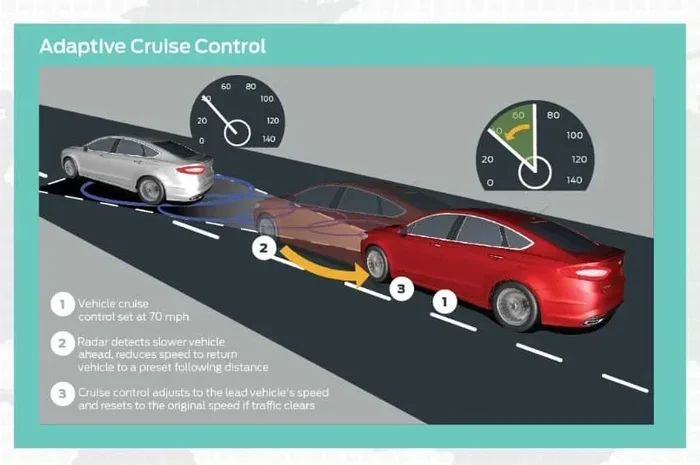
Use cruise control if your vehicle has it. Steady speed is the goal here. The computer needs consistent data over time to evaluate the efficiency of the emission control systems. If you keep speeding up and slowing down, the monitors may not complete.
Step 4: Decelerate Gradually
After your highway cruise, let off the throttle and allow the car to coast down in speed without braking heavily. This deceleration phase tests the fuel system’s response when the computer cuts fuel delivery. It also gives the oxygen sensors a chance to report lean conditions.
Aim for at least 2 to 3 minutes of coasting. You do not need to brake hard or come to a complete stop during this phase. Just let the car slow down naturally.
Step 5: Return to City Driving
Once you have decelerated, get back into city-style driving for another 10 to 15 minutes. Mix in some stops, some accelerations, and some steady-speed stretches. This final phase helps the computer confirm that all monitors have received sufficient data.
Step 6: End With an Idle Period
Pull over and let the car idle for 2 to 3 minutes. This final idle phase allows the computer to run its final checks and lock in the monitor status. After this, the drive cycle should be complete.
Quick Tips for a Successful Drive Cycle
- Check your gas cap. A loose or faulty gas cap can trigger an EVAP code and interfere with the drive cycle.
- Avoid extreme temperatures. Very cold or very hot days can delay monitor completion.
- Keep the battery fully charged. A weak battery can cause voltage drops that reset monitors mid-cycle.
- Do not use aftermarket accessories that interfere with the OBD-II system. Things like cheap engine tuners can disrupt the diagnostic process.
- Be patient. Some monitors take multiple drive cycles to complete. If not all are ready after one session, just repeat the process.
Common Mistakes People Make During a Drive Cycle
Even with the best intentions, many people make mistakes that prevent them from completing a drive cycle properly. Here are the most common ones I see.
Starting With a Warm Engine
This is the number one mistake. If your car has been running recently, the engine is not cold. The cold start monitor will not activate, and you will not complete the cycle. Always wait at least 8 hours after the engine has cooled down before starting a drive cycle.
Driving Too Aggressively
Flooring the accelerator or doing burnouts will not help. It will actually hurt your chances. The computer needs smooth, normal driving data to evaluate the emission systems properly. Aggressive driving can put the engine into closed-loop fuel control too quickly, skipping some of the early monitoring phases.
Not Driving Long Enough
Some people drive 20 miles and think they are done. They are not. Most drive cycles require at least 50 miles of mixed driving. If you stop early, you may only complete a few monitors and leave the rest incomplete.
Ignoring Pending Codes
If your check engine light is not on but you have pending codes, those pending codes can block monitor completion. You need to fix the underlying issue first before attempting a drive cycle. Otherwise, the monitors will keep showing as incomplete no matter how much you drive.
Clearing Codes Too Early
Some people clear codes, drive a little, check the scanner, and get frustrated when monitors are not ready. Then they clear the codes again and start over. This resets the entire process. Pick a day when you have time, start with a cold engine, and commit to finishing the full cycle without interruption.
How to Check If Your Drive Cycle Is Complete
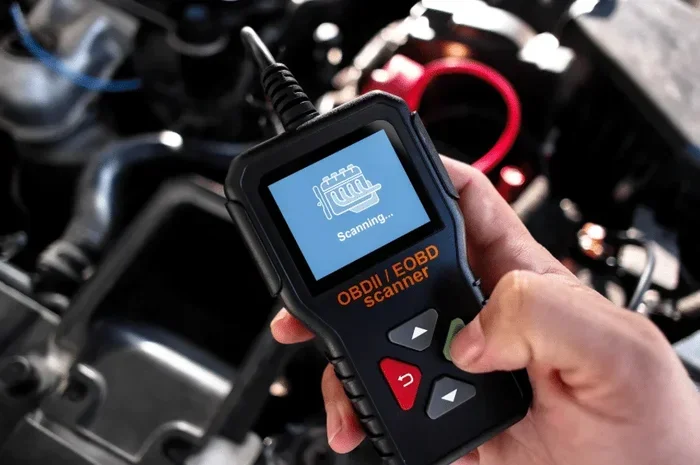
The best way to know if you have completed a drive cycle is to use an OBD-II scanner. These tools plug into your car’s diagnostic port, which is usually located under the dashboard on the driver’s side. Once connected, the scanner reads the status of all readiness monitors.
Look for the monitor status screen. Each monitor will show as either “Complete” or “Incomplete” or “Not Ready.” If all emission-related monitors show as complete, your drive cycle is done. If one or more show as incomplete, you need to drive more.
You can buy a basic OBD-II scanner for under $30 at most auto parts stores. More advanced scanners with live data and enhanced diagnostics cost more but give you much better visibility into what is happening with your vehicle’s systems.
Some newer vehicles also let you check monitor status through the dashboard information screen. Check your owner’s manual to see if your car has this feature built in.
What If a Monitor Won’t Go Ready?
Sometimes a specific monitor will refuse to go ready even after multiple drive cycles. This usually points to an underlying problem. The most common culprits include a faulty oxygen sensor, a vacuum leak, a failing catalytic converter, or an issue with the EVAP system.
If you have completed multiple drive cycles and one monitor is still incomplete, it is worth having a professional diagnose the issue. An experienced mechanic can use the OBD-II scanner data to pinpoint exactly which system is causing the problem and what needs to be fixed.
The Connection Between Drive Cycles and Emissions Testing
Most states in the US require vehicles to pass an emissions test as part of the annual registration process. The test checks two things. First, it measures the actual exhaust gases coming out of your tailpipe. Second, it checks the readiness monitor status through the OBD-II port.
Here is where the drive cycle becomes critical. If your readiness monitors are not all set to “complete” when the tester hooks up the scanner, you will fail the test. Even if your tailpipe emissions are perfectly clean. The testing equipment needs to see that your car’s computer has run all the required self-tests.
This is why smart car owners plan ahead. If you know your emissions test is coming up, complete a drive cycle a few days before the appointment. This gives the monitors time to lock in and gives you time to address any issues if a monitor is still incomplete.
Also, keep in mind that some states have specific rules about how recently a drive cycle must have been completed. For example, California requires that the drive cycle be completed within a certain timeframe before the test. Check your state’s specific requirements so you do not get caught off guard.
Expert Insight: The Role of Driving Patterns in Monitor Completion
From years of working with vehicle diagnostics, I have found that driving patterns matter more than people realize. The OBD-II system is designed to evaluate your car under conditions that mimic real-world driving. It does not just need raw miles. It needs the right kind of miles.
A long, boring highway cruise will complete some monitors but not all. A short trip around the neighborhood will complete almost none. You need variety. Cold starts, warm-ups, acceleration, steady cruising, deceleration, and idling all play a role in the diagnostic process.
This is why the drive cycle takes the amount of time it does. The computer is running multiple tests simultaneously, and each test needs its own specific set of conditions to produce reliable data. Rushing through it or skipping key phases will leave monitors incomplete.
If you want to speed things up, focus on the highway cruising and city driving phases. These are the ones that take the longest and test the most systems. A 20-minute highway drive at steady speeds followed by 15 minutes of mixed city driving covers a lot of ground in terms of monitor completion.
Key Takeaways
- A complete drive cycle typically covers 50 to 100 miles and takes about 15 to 30 minutes of active driving.
- The drive cycle must start from a cold engine that has been off for at least 8 hours to trigger the correct diagnostic sequence.
- All readiness monitors must show as “complete” for your vehicle to pass an emissions test in most states.
- Highway cruising and city driving are both essential components of a proper drive cycle. You cannot skip either one.
- Use an OBD-II scanner to verify monitor status after completing a drive cycle to confirm everything is ready.
- Common mistakes like warm starts and aggressive driving can prevent monitors from completing properly.
- Multiple drive cycles may be needed if one or more monitors still show as incomplete after the first attempt.
Frequently Asked Questions
How long does it take to complete a drive cycle?
For most vehicles, a complete drive cycle takes about 15 to 30 minutes of active driving. However, the total distance usually ranges from 50 to 100 miles because you need a mix of city and highway driving conditions. The exact time depends on traffic, road conditions, and your specific vehicle model.
Can I complete a drive cycle in one day?
Yes, most drive cycles can be completed in a single day of driving. The key is to include all the required phases, such as a cold start, city driving, highway cruising, deceleration, and idle periods. Plan your route so you can cover both city streets and highways in one session.
What happens if I don’t complete a drive cycle?
If you do not complete a drive cycle, some or all of your readiness monitors will show as “not ready.” This means your vehicle will likely fail an emissions test, even if the engine is running fine. You may also see a check engine light return if the underlying issue has not been fully resolved.
Do I need a special tool to check if my drive cycle is complete?
You need an OBD-II scanner to check the readiness monitor status. Basic scanners are affordable and widely available at auto parts stores. These tools plug into your car’s diagnostic port and display whether all emission monitors are set to “complete.”
Why does my drive cycle keep failing?
A drive cycle may keep failing if you are starting with a warm engine, not driving long enough, or missing key driving conditions like highway cruising. It can also indicate an underlying mechanical issue, such as a vacuum leak, a faulty oxygen sensor, or a problem with the catalytic converter that is preventing monitors from completing.
Does disconnecting the battery reset the drive cycle?
Yes, disconnecting the battery will reset the readiness monitors, but it also erases any diagnostic codes and learned adaptations. This means you will need to start a completely new drive cycle from scratch. It is usually better to use an OBD-II scanner to clear codes instead of disconnecting the battery, as it preserves other electronic settings in your vehicle.
=== CONCLUSION ===
Understanding how many miles is a complete drive cycle is one of those small pieces of car knowledge that saves a lot of headaches. Whether you are preparing for an emissions test, clearing a check engine light, or just want to make sure your vehicle’s emission control systems are working properly, the drive cycle is the process that ties it all together.
Most vehicles need between 50 and 100 miles of mixed driving to finish a full cycle. The key is not just the distance but the specific driving conditions you include. A cold start, city driving, highway cruising, deceleration, and idle periods all play a role in activating every readiness monitor in your car’s OBD-II system.
Avoid the common mistakes I mentioned. Start cold, drive smoothly, cover enough distance, and use an OBD-II scanner to verify your progress. If you follow these steps, you will complete your drive cycle with confidence and walk into that emissions test knowing your vehicle is ready.
The next time someone asks you, “How many miles is a complete drive cycle?” you will have a clear, accurate answer. And more importantly, you will know exactly how to do it right. Safe driving, and happy diagnostics.