How to Figure Out Your Brand Positioning and Stand Out
Figuring out your brand positioning is the key to standing out in a crowded automotive market. This guide walks you through simple, actionable steps to define your unique place in the industry. You will learn how to identify your target audience, craft a powerful brand message, and build a strategy that drives real results.
Figuring out your brand positioning is one of the most important things you can do for your business. In the automotive world, the market is crowded. There are dozens of brands competing for the same drivers, buyers, and enthusiasts. If you do not know where you stand, you will blend into the noise.
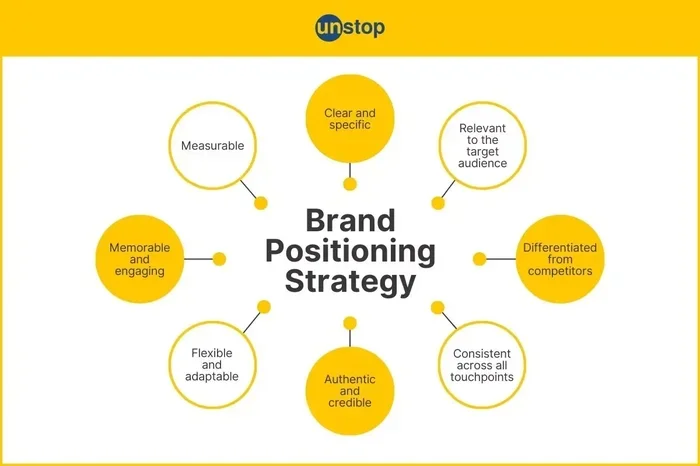
Brand positioning is all about how your customers see you. It is the space you occupy in their minds compared to your rivals. When you get it right, everything else falls into place. Your marketing feels clearer. Your sales process gets smoother. Your customers stay loyal longer.
This guide will show you exactly how to figure out your brand positioning and make it work for you. We will break it down into simple, actionable steps. You will learn how to understand your audience, study your competition, and build a brand positioning statement that really hits home. By the end, you will have a clear roadmap to stand out in the automotive industry.
Key Takeaways
- Know Your Audience: Understanding your ideal customer is the foundation of strong brand positioning.
- Study Your Competitors: Analyzing what others do helps you find gaps and opportunities in the market.
- Craft a Clear Statement: A simple positioning statement keeps your brand focused and memorable.
- Avoid Common Traps: Trying to please everyone dilutes your message and weakens your identity.
- Stay Consistent: Your brand voice, visuals, and promises must align across every touchpoint.
- Act on Feedback: Customer insights help you refine and strengthen your positioning over time.
📑 Table of Contents
What Is Brand Positioning and Why Does It Matter?
Brand positioning is the process of defining how your brand sits in the market. It answers a simple question: why should a customer choose you over someone else? In the automotive industry, this question matters more than ever. There are hundreds of car brands, truck makers, and accessory companies all fighting for attention every single day.
Understanding the Basics
At its core, brand positioning is about perception. It is not just about what you sell. It is about how people feel about your brand when they think about their options. Think about it this way. When someone says “luxury SUV,” certain names come to mind immediately. When someone says “affordable compact car,” a completely different set of brands pops up. That mental connection is your brand positioning at work.
Your brand identity includes your logo, colors, and tagline. But your positioning goes much deeper than that. It shapes your brand messaging, your tone of voice, and the promises you make to customers. Strong brand positioning ties all of these elements together into one clear, consistent story that people can understand and trust.
Think of it like this. Your brand identity is the outfit your company wears. Your brand positioning is the personality underneath. Both matter, but the personality is what makes people connect with you on a deeper level. In the automotive industry, where customers invest thousands of dollars, that emotional connection is incredibly powerful.
Why It Matters in the Automotive World
The automotive industry is one of the most competitive markets on the planet. Consumers have more choices than ever before. They compare prices online, read reviews on every platform, and watch YouTube videos before making a single purchase decision. In this environment, a weak brand positioning strategy will leave you completely invisible.
Good positioning gives you a real competitive advantage. It helps you attract the right customers instead of chasing everyone. It builds brand loyalty over time so customers keep coming back. When your brand positioning is clear and confident, your marketing efforts become more effective. You spend less money chasing leads and more money connecting with the right people.
Here are a few reasons why brand positioning is essential for automotive businesses today:
- Clarity: It gives your entire team a clear direction for all marketing and sales efforts.
- Differentiation: It sets you apart from competitors in a crowded and noisy market.
- Trust: Consistent positioning builds consumer trust and long-term credibility.
- Focus: It helps you target the right market segmentation instead of trying to reach everyone.
- Growth: Strong positioning supports long-term brand equity and sustainable business growth.
How to Figure Out Your Brand Positioning Step by Step
Now that you understand what brand positioning is, let us get into the practical part. Figuring out your position is not guesswork. It is a process you can follow step by step. Follow these steps to build a solid foundation for your automotive branding efforts and create a brand strategy that actually works.
Step 1: Define Your Target Audience
You cannot position your brand if you do not know who you are talking to. Start by getting clear on your target audience. Who are your ideal customers? What problems do they need solved? What matters most to them when they make a purchase decision?
In the automotive space, your audience might be first-time car buyers, families looking for safe and reliable vehicles, or off-road enthusiasts who want serious performance. Each group has different needs, values, and buying habits. The more specific you are, the better your market segmentation will work.
Ask yourself these questions to get started on your target audience research:
- What age group do my best customers fall into?
- What is their income level and buying power?
- What challenges do they face when shopping for vehicles or services?
- Where do they spend their time online and offline?
- What values drive their purchasing decisions the most?
Use surveys, customer interviews, and analytics data to build a clear picture of who your audience really is. Your target audience insights will directly shape your entire brand positioning strategy. Take the time to get this right because everything else flows from here.
Step 2: Study Your Competitors
You need to know what your rivals are doing before you can find your own unique space in the market. Spend real time analyzing your top competitors. Look at their websites, social media profiles, and advertising campaigns. Pay close attention to how they talk about themselves and what promises they make to customers.
Here is a simple way to compare your brand against the competition side by side:
| Factor | Your Brand | Competitor A | Competitor B |
|---|---|---|---|
| Price Range | Mid-range | Premium | Budget |
| Target Audience | Young families | Professionals | First-time buyers |
| Key Message | Safety and reliability | Luxury and performance | Affordability |
| Brand Voice | Friendly and helpful | Sleek and sophisticated | Casual and fun |
| Unique Strength | Best warranty in class | Cutting-edge technology | Lowest price guarantee |
This kind of competitive analysis helps you spot gaps in the market that others are missing. Maybe your competitors are all focused on luxury, but no one is talking about family-friendly value. That gap is your opportunity. Your market differentiation starts with understanding what others are doing and finding the open space where you can truly shine.
Quick Tip: Do not just look at direct competitors. Look at adjacent brands in the automotive industry that appeal to a similar audience. They might inspire ideas you would never have thought of on your own.
Step 3: Find Your Unique Value
Every strong brand has something that makes it genuinely different from everyone else. This is your unique selling proposition, or USP. It is the one thing that makes customers choose you instead of the next option available to them.
In the automotive world, your USP could be based on many different factors:
- Price: You offer the best value in your specific category or segment.
- Quality: Your vehicles or parts are built to last longer than the competition.
- Service: You provide an unmatched customer experience at every touchpoint.
- Innovation: You lead with the latest technology and forward-thinking solutions.
- Community: You build a loyal following around shared values and passions.
Your value proposition should be clear, specific, and easy to communicate. Avoid vague claims like “we are the best.” Instead, focus on what makes you genuinely different from everyone else. Ask your existing customers why they chose you in the first place. Their answers are pure gold for shaping your brand positioning strategy.
Quick Tip: Write your USP in one single sentence. If you cannot do it clearly and concisely, keep refining it until you can. A sharp, focused USP is the backbone of great brand positioning and gives your team something to rally around.
Crafting Your Brand Positioning Statement
Once you have done your research, it is time to put it all together into something tangible. A brand positioning statement is a short, focused declaration that captures who you are, who you serve, and why you matter in the market. It becomes the anchor for every marketing decision you make.
What Makes a Great Positioning Statement
A good brand positioning statement is simple and memorable. It should answer four key questions clearly:
- Who is your target customer?
- What category do you operate in?
- What is your key benefit or differentiator?
- Why should the customer believe you?
Here is a basic framework you can use to build your own:
For [target audience], [brand name] is the [category] that [key benefit] because [reason to believe].
Let us say you run an automotive shop that specializes in electric vehicles. Your brand positioning statement might look something like this:
For eco-conscious drivers, GreenDrive Auto is the electric vehicle service center that delivers fast, reliable maintenance at fair prices because our technicians are factory-trained and EV-certified.
See how that works? It is specific. It is clear. And it gives customers a real reason to trust you over the competition. Your brand positioning statement becomes the anchor for all your marketing efforts, from website copy to social media posts to sales conversations and everything in between.
Quick Tip: Test your positioning statement with real customers. Ask them if it resonates with their experience. If they can repeat it back to you and feel something, you are on the right track. If it feels generic or forgettable, keep refining until it clicks.
Real-World Automotive Examples
Some of the biggest names in the automotive industry have incredibly powerful positioning statements that everyone recognizes. Tesla positions around innovation, sustainability, and cutting-edge technology. Ford leans into rugged reliability and American heritage. Luxury brands like Lexus focus on craftsmanship, quiet elegance, and premium experiences.
Each of these brands has a distinct brand perception in the minds of consumers. They do not try to be everything to everyone. They own a specific space in the market and they defend it fiercely. That is the real power of a well-crafted brand positioning statement. It gives your brand a home in the customer’s mind.
Expert Insight: Branding professionals consistently note that the most successful automotive brands spend at least 20% of their marketing budget on building brand awareness and reinforcing their brand positioning. Short-term sales tactics get quick results, but long-term positioning builds lasting brand equity and customer loyalty that compounds over time.
Common Mistakes That Hurt Your Brand Positioning
Even the best brands make mistakes when it comes to brand positioning. Knowing what to avoid is just as important as knowing what to do. Here are the most common pitfalls that hurt automotive brands and how you can steer clear of them.
Trying to Appeal to Everyone
This is the number one mistake brands make. When a company tries to speak to every possible customer at once, the message becomes completely diluted. Nobody feels spoken to directly. In the automotive world, this looks like a brand that sells luxury cars one month and budget cars the next with no clear thread connecting the two messages.
Your brand positioning needs focus and clarity. Pick your niche and own it with confidence. You can always expand later once your position is strong. But a scattered, unfocused message confuses customers and weakens your market differentiation. Think about it this way: it is far better to be the go-to brand for one specific group than a forgettable option for absolutely everyone.
Ignoring Customer Feedback
Your customers are telling you exactly how they perceive your brand every single day. If you ignore that feedback, you are basically guessing about your own brand positioning. In the automotive industry, customer reviews, social media comments, and survey responses are full of valuable insights about how people actually see you versus how you think they see you.
Make it a habit to listen carefully and consistently. Track what customers say about your brand across every platform. Look for patterns in their feedback over time. If multiple customers mention that your service feels rushed or impersonal, that is a clear signal about your brand promise and how it is being delivered in practice. Align your internal operations with the promises your brand messaging makes to customers.
Copying Competitors Instead of Differentiating
It is very tempting to look at what a successful competitor is doing and simply copy their approach. But this strategy seriously undermines your brand identity over time. If every automotive brand sounds the same and looks the same, customers will just pick based on price alone. That is a race to the bottom that nobody wins.
Instead, find your own authentic voice and point of view. What do you do better than anyone else in your space? What do your existing customers genuinely love about working with you? Let those real answers guide your brand strategy and brand messaging. Your competitive advantage comes from being genuinely, authentically you, not a copy of someone else’s success.
Expert Tips to Strengthen Your Brand Positioning
Building strong brand positioning takes time, effort, and consistent attention. But there are some proven strategies that can genuinely accelerate your progress. Here are expert-backed tips to help your automotive brand stand out and connect with the right customers.
Quick Tips for Automotive Brands
- Be Consistent Across All Channels: Your website, social media profiles, showroom experience, and email communications should all reflect the same brand voice and visual identity. Consistency builds recognition and deepens trust with every interaction.
- Invest in Storytelling: People connect with stories, not just features or specifications. Share the story behind your brand. Why did you start? What drives your team every day? A compelling brand story makes your brand positioning feel real, relatable, and memorable.
- Monitor Your Brand Reputation: Use online tools to track what people are saying about your brand across the web. Respond to reviews, both positive and negative, with care. A strong brand reputation directly supports and reinforces your positioning efforts.
- Train Your Entire Team: Every single employee should understand your brand positioning and live it out in their daily interactions. Your front desk, sales team, and service advisors all shape customer perception in meaningful ways.
- Stay Agile and Adaptable: Markets change and customer preferences shift over time. Review and adjust your brand positioning regularly to stay relevant, fresh, and competitive in a constantly evolving landscape.
Common Mistake Alert: Do not change your positioning every time a new trend comes along. Frequent, reactive shifts confuse your audience and slowly erode the trust you have built. Make deliberate, data-driven adjustments rather than impulsive, trend-driven ones. Your brand strategy should be stable enough to build on but flexible enough to evolve.
Bringing Your Brand Positioning to Life
A great brand positioning strategy means nothing if it just stays on paper. The real magic happens when you bring it to life across every single customer touchpoint. Here is how to make your brand positioning real, tangible, and actionable in your day-to-day operations.
From Strategy to Daily Execution
Start by mapping out every place your brand shows up in the real world. This includes your website, social media profiles, showroom experience, email campaigns, and even your physical signage and employee uniforms. Each of these touchpoints should reinforce your brand positioning consistently and without contradiction.
For example, if your positioning is centered on premium service and attention to detail, your showroom should feel welcoming, polished, and professional. Your emails should be personalized and thoughtful. Your social media posts should reflect your brand voice and core values authentically. Every single interaction is a chance to strengthen your brand perception in the customer’s mind and move them closer to a purchase decision.
Quick Tip: Create a simple brand guidelines document that your entire team can reference. Include your brand positioning statement, tone of voice guidelines, color palette, typography, and key messaging points. Share this document with every team member. When everyone is on the same page, your brand identity stays strong, consistent, and recognizable across all channels.
Measuring the Success of Your Brand Positioning
How do you actually know if your brand positioning is working effectively? Look at these key performance indicators that matter most:
- Customer Retention Rate: Are repeat customers coming back regularly? Strong positioning builds lasting loyalty over time.
- Net Promoter Score (NPS): How likely are customers to recommend you to friends and family? This reflects your brand equity and the trust you have earned.
- Brand Awareness: Are people recognizing and remembering your brand when they see it? Brand awareness is a leading indicator of positioning success.
- Customer Feedback: What words do customers actually use to describe you? Their language should align closely with your brand messaging and positioning goals.
- Market Share: Are you gaining ground in your target segment? Growth signals that your market differentiation strategy is working as intended.
Track these metrics consistently over time. They will tell you clearly whether your brand positioning is resonating with your audience or needs adjustment. Use the data you gather to refine your strategy and keep moving forward with confidence and clarity.
Conclusion
Figuring out your brand positioning is not a one-time task you complete and forget about. It is an ongoing process of understanding your audience more deeply, refining your message continuously, and staying true to what makes your brand genuinely unique. In the automotive industry, where competition is fierce and customer expectations are higher than ever, strong brand positioning is your single greatest asset for long-term success.
Start by knowing your target audience inside and out. Study your competitors carefully to find the open space in the market where you can truly shine. Craft a clear, compelling brand positioning statement that captures your unique value in a single, memorable sentence. Avoid common mistakes like trying to appeal to everyone or copying what others do. And most importantly, bring your positioning to life every single day through consistent, authentic, and meaningful interactions with your customers.
Your brand positioning is the foundation of everything you do as a business. When it is strong, clear, and authentic, your marketing works harder, your customers stay loyal for the long haul, and your business grows with real confidence. Take the time to get it right. The results will absolutely speak for themselves.
Frequently Asked Questions
What is brand positioning in the automotive industry?
Brand positioning in the automotive industry is how a car brand or auto business defines its place in the market compared to competitors. It shapes how customers perceive your brand, what makes it different, and why they should choose you over other options available to them.
Why is brand positioning important for automotive businesses?
Strong brand positioning helps automotive businesses attract the right customers, build lasting brand loyalty, and create a clear competitive advantage. It gives your marketing a consistent direction and makes your brand messaging more effective across every channel you use.
How do I find my brand positioning statement?
Start by identifying your target audience, your unique value, and what sets you apart from competitors. Use a simple framework: “For [audience], [brand] is the [category] that [benefit] because [reason].” Keep it specific, clear, and easy to remember so your whole team can use it consistently.
What are common mistakes in brand positioning?
The biggest mistakes include trying to appeal to everyone at once, ignoring real customer feedback, and copying competitors instead of finding your own voice. These errors dilute your brand identity and make it harder for customers to understand what makes you different and worth choosing.
How often should I review my brand positioning?
Review your brand positioning at least once a year. Also revisit it when your target audience shifts, new competitors enter the market, or your business goals change. Staying current ensures your brand strategy remains relevant and effective over time.
Can small automotive businesses benefit from brand positioning?
Absolutely. In fact, small businesses often benefit the most because strong brand positioning helps them compete against larger companies by carving out a clear niche marketing space. When you know exactly who you serve and why you are different, even a small business can build a powerful and loyal customer base.