Is It Better to Get a Hybrid or Plug-In Hybrid Car
Choosing between a hybrid or plug-in hybrid car depends on your driving habits, budget, and lifestyle. A traditional hybrid uses its battery to assist the gas engine, while a plug-in hybrid lets you drive on electric power alone for short trips. Both options deliver excellent fuel efficiency, but the plug-in hybrid offers bigger savings if you can charge at home regularly.
If you are shopping for a fuel-efficient car, you have probably wondered about the hybrid or plug-in hybrid debate. Both options promise better gas mileage, lower emissions, and smarter driving. But they work in very different ways, and the right one for you depends on your daily routine.
Traditional hybrids have been around for decades. They pair a gas engine with an electric motor to squeeze every mile out of each gallon. Plug-in hybrids take that concept further by adding a larger battery that you can charge from an outlet. This gives you the option to drive on electricity alone for short trips.
So which one should you choose? This guide breaks down everything you need to know. We will cover how each type works, what they cost, and which driving habits match which vehicle. By the end, you will have a clear answer for your situation.
Key Takeaways
- Hybrid cars are great for people who never want to plug in: They recharge automatically through regenerative braking and need no external charging.
- Plug-in hybrids offer electric-only driving: You can run on battery power for short commutes, saving significantly on gas.
- Fuel savings differ by driving habits: Plug-in hybrids save more money for daily short-distance drivers, while traditional hybrids suit long-distance commuters.
- Tax credits and incentives favor plug-in hybrids: Many governments offer rebates for PHEVs that traditional hybrids do not qualify for.
- Charging convenience matters: Plug-in hybrids need access to a charging station or a standard outlet at home or work.
- Maintenance costs are similar: Both types have fewer moving parts than a gas-only car, leading to lower upkeep over time.
- The right choice depends on your routine: Evaluate your daily mileage, charging access, and budget before deciding.
📑 Table of Contents
- What Is a Hybrid Car?
- What Is a Plug-In Hybrid?
- Hybrid vs Plug-In Hybrid: Key Differences
- Which One Saves You More Money?
- Driving Habits: Which One Fits Your Lifestyle?
- Environmental Impact and Future-Proofing
- Quick Tips for Choosing Between the Two
- Common Mistakes People Make When Choosing
- Expert Insights on the Hybrid vs Plug-In Hybrid Debate
- Key Takeaways
- Conclusion
What Is a Hybrid Car?
A traditional hybrid car uses two power sources: a gas engine and an electric motor. The battery is smaller than what you find in a plug-in hybrid. You never need to plug it in. Instead, the car recharges the battery on its own through a process called regenerative braking.
Here is how it works in simple terms. When you slow down or brake, the electric motor acts as a generator. It captures energy that would normally be lost and stores it in the battery. Then, that stored energy helps power the car during acceleration or low-speed driving.
How a Hybrid Powertrain Works
The hybrid powertrain is designed to be smart. The car decides when to use the gas engine, the electric motor, or both. At low speeds, such as in parking lots or stop-and-go traffic, the electric motor often handles the work. When you need more power, the gas engine kicks in seamlessly.
Some hybrids use what is called a series hybrid setup. In this design, the gas engine only generates electricity. It never directly turns the wheels. Other hybrids use a parallel hybrid setup, where both the engine and motor can drive the wheels. Many modern cars use a series-parallel hybrid system that blends both approaches for maximum efficiency.
Common Hybrid Models to Consider
Several popular cars fall into the traditional hybrid category. The Toyota Prius is the most well-known hybrid on the road. The Honda Civic Hybrid offers a more compact option for daily commuting. The Toyota Camry Hybrid gives you a family-sized sedan with excellent fuel economy.
These vehicles are great for people who want better mileage without changing their routine. You fill up at the gas station just like any other car. There is no need to find a charging station or install equipment at home.
What Is a Plug-In Hybrid?
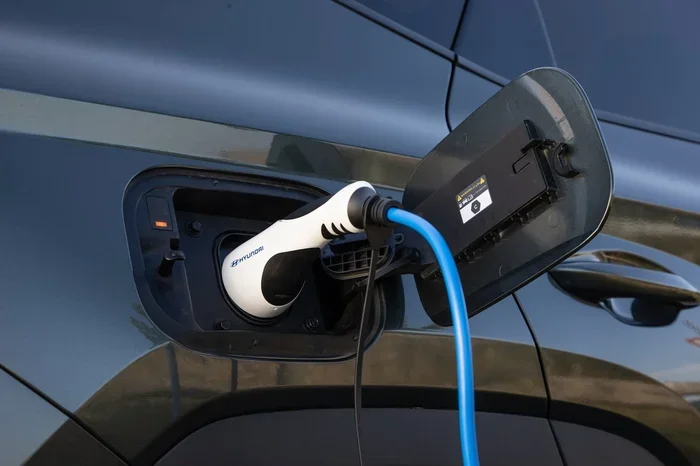
A plug-in hybrid electric vehicle, or PHEV, is a step up from a traditional hybrid. It has a much larger battery pack that you charge by plugging it into an electrical outlet or a dedicated EV charging station. This bigger battery allows the car to run on electricity alone for a set distance before the gas engine turns on.
Most plug-in hybrids offer between 20 and 55 miles of electric-only range. For many commuters, that is more than enough to cover a daily round trip to work without using a single drop of gas.
How Plug-In Hybrids Differ from Regular Hybrids
The biggest difference is battery size. A traditional hybrid battery might be around 1 to 2 kilowatt-hours. A plug-in hybrid battery ranges from 8 to 18 kilowatt-hours or more. This larger capacity is what enables electric-only driving.
Another key difference is how you fuel the car. A traditional hybrid refuels only at the gas pump. A plug-in hybrid needs both gas and electricity. If you do not have access to a charger, the car still works like a regular hybrid. But you will miss out on the electric-only benefits.
Popular Plug-In Hybrid Models
The Toyota RAV4 Prime is one of the best-selling plug-in SUVs on the market. It offers about 42 miles of electric range and strong performance. The Ford Escape Plug-In Hybrid provides a compact SUV option with around 37 miles of electric driving. The Mitsubishi Outlander PHEV is a popular choice for families who need all-wheel drive and electric capability.
These vehicles are perfect for people who want the flexibility of a gas car but the efficiency of electric driving for shorter trips.
Hybrid vs Plug-In Hybrid: Key Differences
Now that you understand the basics, let us compare the two side by side. Each type has strengths and weaknesses. The right choice depends on what matters most to you.
Fuel Efficiency Comparison
A traditional hybrid delivers strong fuel economy because it always uses the electric motor to assist the gas engine. You might see ratings of 50 miles per gallon or more in some models. However, the car never runs on electricity alone.
A plug-in hybrid can be even more efficient, but only if you charge it regularly. When you drive on battery power, you use zero gas. Once the battery is depleted, the car switches to hybrid mode and gets mileage similar to a traditional hybrid.
Driving Range and Electric Mode
With a traditional hybrid, your total range depends entirely on the gas tank. A full tank might give you 500 to 600 miles of driving. You never have to worry about running out of charge because there is no plug involved.
With a plug-in hybrid, your electric range is limited. But once the battery is empty, the gas engine takes over and extends your total range significantly. This gives you the best of both worlds. You can drive on electricity for short trips and use gas for longer journeys.
Cost Comparison
Plug-in hybrids generally cost more than their traditional hybrid counterparts. The larger battery adds to the price tag. However, many governments offer tax credits and rebates for PHEVs that can offset the higher upfront cost.
Over time, the fuel savings from a plug-in hybrid can help close the price gap. If you charge at home and drive mostly on electricity, your gas expenses drop dramatically. A traditional hybrid still saves money on fuel, but the savings are smaller in comparison.
Charging and Refueling Convenience
Traditional hybrids win on convenience. You never need to think about charging. Just drive, fill up, and go. This makes them ideal for people who do not have a dedicated parking spot with access to an outlet.
Plug-in hybrids require a bit more planning. You need a home charging station or access to a public charger. Most PHEVs can charge on a standard 120-volt outlet, but it takes several hours. A 240-volt Level 2 charger cuts the charging time significantly, often to just a few hours.
| Feature | Traditional Hybrid | Plug-In Hybrid |
|---|---|---|
| Battery Size | Small (1-2 kWh) | Large (8-18+ kWh) |
| Electric-Only Range | 1-3 miles | 20-55 miles |
| Charging Required | No | Yes |
| Fuel Economy (MPG) | 45-60 mpg | 30-55 mpg (electric + gas) |
| Upfront Cost | Lower | Higher |
| Tax Credits | Rarely | Often eligible |
| Home Charging Needed | No | Recommended |
| Total Driving Range | 500-600 miles | 400-600 miles (gas + electric) |
Which One Saves You More Money?
Saving money is one of the top reasons people consider fuel-efficient vehicles. Both types offer fuel savings compared to a conventional gas car. But the amount you save depends on how you drive and where you live.
Upfront Costs
Traditional hybrids typically cost $1,000 to $3,000 more than their gas-only versions. Plug-in hybrids cost more, often $5,000 to $10,000 above the gas version. The bigger battery and more powerful electric motor add to the price.
However, many countries and states offer EV incentives that reduce the cost of plug-in hybrids. Federal tax credits in the United States can be worth up to $7,500, depending on the model and your eligibility. State and local rebates can add even more savings.
Long-Term Fuel Savings
If you drive 30 miles per day and charge your plug-in hybrid every night, you might use almost no gas. Over a year, that adds up to hundreds or even thousands of dollars in savings. A traditional hybrid will still save you money, but you will always use some gas.
For people who drive long distances daily or travel frequently, a traditional hybrid might actually save more in the long run. The smaller battery means a lower purchase price, and the fuel economy is excellent without any charging hassle.
Maintenance and Repair Costs
Both types have lower maintenance costs than a conventional gas car. The electric motor reduces wear on the brakes because of regenerative braking. The gas engine also experiences less strain since the electric motor assists during acceleration.
Plug-in hybrids have one additional maintenance consideration: the larger battery. Battery replacement can be expensive, but most manufacturers warranty the battery for 8 to 10 years. In practice, most drivers never need a battery replacement.
Total Cost of Ownership
When you look at the total cost of ownership, plug-in hybrids often come out ahead for people who charge regularly. The combination of fuel savings, tax credits, and lower maintenance costs can offset the higher purchase price within a few years.
Traditional hybrids are simpler and cheaper upfront. They make sense for people who want an easy, no-fuss fuel-efficient car without the need for a charging setup at home.
Driving Habits: Which One Fits Your Lifestyle?
This is the most important question to ask yourself. Your daily driving routine determines which type of vehicle will serve you best. Let us look at a few common scenarios.
Short Commutes and Local Driving
If you drive less than 40 miles per day, a plug-in hybrid is an excellent choice. You can charge at home overnight and run almost entirely on electricity. Your gas engine would only kick in for occasional longer trips or when the battery runs low.
Imagine commuting 20 miles each way to work. With a plug-in hybrid, you might never use gas during your workweek. That is a huge win for your wallet and the environment.
Long Commutes and Frequent Road Trips
If you drive 60 or more miles per day or take frequent road trips, a traditional hybrid might be the smarter pick. You do not need to stop and charge. You just fill up at the gas station and keep going.
A plug-in hybrid still works for long commutes, but you would rely more on the gas engine. The electric-only benefits would be limited unless you have access to charging during the day.
No Home Charging Available
If you live in an apartment or do not have a dedicated parking spot with an outlet, a traditional hybrid makes more sense. Plug-in hybrids lose much of their advantage without regular access to a charging station.
Some workplaces and shopping centers offer public chargers. If you can charge during the day, a plug-in hybrid could still work. But for most people without home charging, a traditional hybrid delivers a simpler experience.
Family and Towing Needs
Families who need a larger vehicle might consider options like the Toyota RAV4 Prime or the Ford Escape Plug-In Hybrid. These SUVs offer the space and utility of a gas-powered vehicle with the efficiency benefits of electric driving.
Keep in mind that towing with a plug-in hybrid can reduce your electric range significantly. The extra weight drains the battery faster. If you regularly tow heavy loads, a traditional hybrid or a standard hybrid SUV might be more practical.
Environmental Impact and Future-Proofing
Both hybrid types produce fewer emissions than a conventional gas car. But plug-in hybrids have a clear edge when it comes to environmental impact, especially if your electricity comes from renewable sources.
Carbon Emissions
When you drive a plug-in hybrid on electricity alone, your tailpipe produces zero emissions. Even when you factor in the emissions from generating electricity, the overall carbon footprint is much lower than a gas-only car.
Traditional hybrids still reduce emissions compared to gas cars. But they never reach zero-emission driving because they always use some gasoline. If your goal is to minimize your environmental impact, a plug-in hybrid is the better option.
Preparing for an All-Electric Future
Many car experts believe that plug-in hybrids are a smart stepping stone toward a fully electric future. They let you get comfortable with charging and electric driving while still having the backup of a gas engine.
If you are not ready for a fully electric vehicle yet, a plug-in hybrid bridges the gap nicely. You enjoy many of the benefits of electric driving today while staying flexible for longer trips.
Government Regulations and Incentives
Governments around the world are tightening emissions regulations. Many countries plan to phase out new gas-only car sales in the coming decades. Plug-in hybrids are positioned well for this shift. They already qualify for many of the incentives and perks designed for cleaner vehicles.
Traditional hybrids may eventually lose some of their appeal as stricter regulations take effect. But for now, they remain a practical and efficient choice for millions of drivers.
Quick Tips for Choosing Between the Two
Still not sure which one is right for you? Here are some quick tips to help you decide.
- Assess your daily mileage: If you drive under 40 miles per day, a plug-in hybrid makes sense. If you drive more, a traditional hybrid might be better.
- Check your charging options: Do you have access to a home outlet or a charger at work? If yes, a plug-in hybrid can work well for you.
- Calculate the total cost: Factor in the purchase price, fuel costs, tax credits, and maintenance. The plug-in hybrid often wins on long-term savings if you charge regularly.
- Think about your longest trips: If you take frequent road trips, make sure the vehicle you choose can handle the distance comfortably.
- Test drive both: Nothing replaces the feeling of actually driving the car. Schedule test drives for both a traditional hybrid and a plug-in hybrid model you are considering.
- Consider resale value: Both types hold their value well, but plug-in hybrids may have an edge as demand for electrified vehicles grows.
Common Mistakes People Make When Choosing
Avoid these common pitfalls when deciding between a hybrid or plug-in hybrid car.
- Assuming a plug-in hybrid is always better: Without regular charging, a plug-in hybrid behaves like a traditional hybrid. You pay more upfront but do not get the full benefit.
- Ignoring charging infrastructure: If you cannot charge at home, a plug-in hybrid loses much of its appeal. Do not buy one hoping you will figure it out later.
- Underestimating electric range: The advertised electric range is based on ideal conditions. In cold weather or at highway speeds, your real-world range will be lower.
- Overlooking total cost of ownership: A cheaper upfront price does not always mean lower long-term costs. Factor in fuel, maintenance, and incentives before deciding.
- Not researching tax credits: Many people miss out on valuable incentives simply because they did not check eligibility requirements before purchasing.
Expert Insights on the Hybrid vs Plug-In Hybrid Debate
Automotive experts generally agree that there is no one-size-fits-all answer. The best choice depends on your individual circumstances.
“A plug-in hybrid is the best choice for anyone who can charge at home and drives a short daily commute,” says automotive analyst Sarah Mitchell. “But if you do not have a charger at home or you drive long distances every day, a traditional hybrid is the smarter, simpler option.”
Experts also point out that the plug-in hybrid market is growing fast. More manufacturers are releasing new PHEV models every year. This means more choices, better technology, and falling prices for consumers.
Traditional hybrids remain a proven and reliable technology. They have been refined over decades and offer excellent fuel economy with minimal hassle. For many buyers, that simplicity is exactly what they want.
Key Takeaways
- Hybrid cars are great for people who never want to plug in: They recharge automatically through regenerative braking and need no external charging.
- Plug-in hybrids offer electric-only driving: You can run on battery power for short commutes, saving significantly on gas.
- Fuel savings differ by driving habits: Plug-in hybrids save more money for daily short-distance drivers, while traditional hybrids suit long-distance commuters.
- Tax credits and incentives favor plug-in hybrids: Many governments offer rebates for PHEVs that traditional hybrids do not qualify for.
- Charging convenience matters: Plug-in hybrids need access to a charging station or a standard outlet at home or work.
- Maintenance costs are similar: Both types have fewer moving parts than a gas-only car, leading to lower upkeep over time.
- The right choice depends on your routine: Evaluate your daily mileage, charging access, and budget before deciding.
Conclusion
The debate between a hybrid or plug-in hybrid car comes down to one simple question: how do you drive and where can you charge? If you have a short commute, access to home charging, and want to minimize your gas use, a plug-in hybrid is the clear winner. You get electric driving for most of your trips and a gas engine for longer journeys.
If you prefer simplicity, drive long distances, or do not have a place to plug in, a traditional hybrid is the smarter choice. It delivers excellent fuel economy without any charging hassle. Both options save money on fuel and reduce your environmental footprint compared to a gas-only car.
Take some time to evaluate your daily routine, your budget, and your charging options. Test drive a few models and see which one feels right. Whether you choose a hybrid or a plug-in hybrid, you are making a smart, forward-thinking decision for your next car.
FAQs
Is a hybrid or plug-in hybrid better for city driving?
A plug-in hybrid is usually better for city driving. You can charge at home and run on electricity for your daily commute. Stop-and-go traffic is where electric motors shine, so you will get the most benefit in urban conditions.
Can I charge a plug-in hybrid at a regular outlet?
Yes, you can charge a plug-in hybrid using a standard 120-volt household outlet. However, it is slow. A full charge can take 12 hours or more. Installing a 240-volt Level 2 charger at home cuts the time down to just a few hours.
Do plug-in hybrids qualify for tax credits?
Many plug-in hybrids qualify for federal and state tax credits. In the United States, the federal credit can be up to $7,500 depending on the battery size and manufacturer. Check the specific model and your eligibility before purchasing.
What happens when a plug-in hybrid runs out of charge?
When the battery is depleted, the car automatically switches to hybrid mode. The gas engine takes over and the car runs like a traditional hybrid. You can keep driving and refuel at a gas station just like any other car.
Are hybrid cars expensive to maintain?
No, hybrid cars are generally less expensive to maintain than gas-only cars. The electric motor reduces wear on brakes and the engine. Fewer moving parts means fewer things to repair over time. Both traditional and plug-in hybrids benefit from this.
How long does a hybrid battery last?
Most hybrid and plug-in hybrid batteries are designed to last 8 to 10 years or more. Many manufacturers warranty the battery for that duration. In real-world use, many hybrids go 150,000 miles or more before needing a battery replacement.