Is a Car 10 Feet Long Discover the Shocking Truth
So, is a car 10 feet long? The answer might surprise you. Most standard passenger cars fall between 14 and 16 feet, making 10 feet quite short for a typical vehicle. However, some compact and mini cars do come close to that 10-foot mark, and understanding vehicle dimensions helps you make smarter buying and parking decisions.
Have you ever stood next to a car and wondered about its actual size? Maybe you saw a small vehicle and thought, “Is a car 10 feet long?” It is a fair question. Many people assume all cars are roughly the same size. But that is far from the truth. Vehicle dimensions vary a lot depending on the type, brand, and model.
In this article, we will explore car length in detail. We will look at real numbers, compare different vehicle classes, and answer whether a 10-foot car even exists. By the end, you will have a clear picture of vehicle sizes. You will also know why car length matters in everyday driving.
Understanding car dimensions is not just for car enthusiasts. It helps with parking, garage fitting, and choosing the right vehicle for your needs. Let us dive into the world of vehicle measurements.
Key Takeaways
- The average car length is 14 to 16 feet: Most full-size sedans and SUVs exceed 10 feet by a significant margin.
- Some compact cars approach 10 feet: Mini hatchbacks and city cars can be close to this measurement.
- Car length affects parking and maneuverability: Shorter vehicles are easier to park and navigate in tight spaces.
- Vehicle class determines size: Compact, midsize, and full-size categories each have different length ranges.
- Measuring your car is simple: You only need a tape measure and a flat surface.
- 10-foot vehicles exist but are rare: They are mostly micro cars or specialized utility vehicles.
📑 Table of Contents
- What Is the Average Car Length?
- Is a Car 10 Feet Long? The Real Answer
- How Does a 10-Foot Car Compare to Other Vehicles?
- Why Does Car Length Matter?
- Common Misconceptions About Car Size
- How to Measure Your Car’s Length Accurately
- What Vehicle Classes Fall Near 10 Feet?
- Expert Insights on Vehicle Size and Length
- Key Takeaways
- Conclusion
What Is the Average Car Length?
When people ask about car size, they usually mean the overall length. This is the distance from the front bumper to the rear bumper. But the average car length depends on the vehicle class. A compact car is much shorter than a full-size SUV.
Here is a quick breakdown of common vehicle classes and their typical lengths:
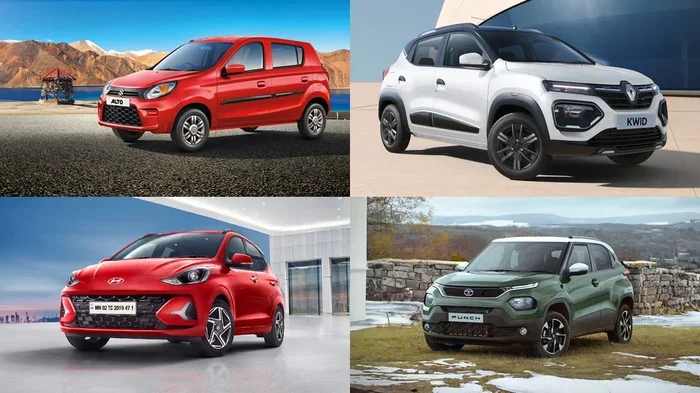
- Mini cars: Around 10 to 12 feet long
- Compact cars: Around 13 to 15 feet long
- Midsize sedans: Around 15 to 17 feet long
- Full-size sedans: Around 17 to 19 feet long
- Compact SUVs: Around 16 to 18 feet long
- Full-size SUVs and trucks: Around 19 to 22 feet long
So where does a 10-foot car fit in? It falls into the mini or micro car category. These are the smallest passenger vehicles on the road. They are designed for city driving and tight spaces.
Why Vehicle Dimensions Matter
Car length affects more than just looks. It impacts how you drive, park, and navigate roads. A longer vehicle has a bigger footprint on the road. This means it takes up more space in traffic and parking lots.
Shorter vehicles, on the other hand, are easier to maneuver. They fit into smaller parking spots and are less bulky in tight city streets. If you live in a crowded urban area, a shorter vehicle can be a huge advantage.
But size is not just about length. Vehicle width and height also play a role. A car might be short but still feel large if it is wide or tall. That is why experts look at all three dimensions when discussing vehicle size.
Is a Car 10 Feet Long? The Real Answer
Let us address the big question directly. Is a car 10 feet long? The honest answer is: it depends. A standard family car is usually longer than 10 feet. But some very small cars do come close to or even under 10 feet.
Most mass-market passenger vehicles are longer than 10 feet. Even the smallest compact cars typically measure around 13 to 14 feet. So a 10-foot car is on the very small end of the spectrum.
Here are some examples of vehicles that are close to 10 feet long:
- Smart Fortwo: About 8.8 feet long
- Fiat 500: About 10.2 feet long
- MINI Cooper: About 10.3 feet long
- Toyota Aygo: About 10.1 feet long
- Chevrolet Spark: About 10.5 feet long
As you can see, a few models hover right around the 10-foot mark. The Fiat 500 and MINI Cooper are very close. But true 10-foot cars are rare in the mainstream market.
Micro Cars and City Vehicles
Micro cars are the closest thing to a 10-foot vehicle. These tiny cars are built for maximum efficiency and minimum space. They are popular in European cities where parking is tight and streets are narrow.
The Smart Fortwo is a great example. At under 9 feet, it is one of the shortest passenger cars ever made. It was designed specifically for urban environments. You can park it almost anywhere, and it sips fuel like a small scooter.
However, micro cars have trade-offs. They offer less passenger space and less cargo room. They are not ideal for families or long road trips. They are best suited for single drivers or couples in city settings.
How Does a 10-Foot Car Compare to Other Vehicles?
To really understand car size, it helps to compare. Let us look at how a 10-foot vehicle stacks up against other common cars and trucks.
Comparison Table: Vehicle Lengths by Class
| Vehicle Type | Typical Length (feet) | Examples |
|---|---|---|
| Micro car | 8.5 – 10.5 | Smart Fortwo, Fiat 500 |
| Compact car | 13 – 15 | Honda Civic, Toyota Corolla |
| Midsize sedan | 15 – 17 | Toyota Camry, Honda Accord |
| Full-size sedan | 17 – 19 | Toyota Avalon, Chrysler 300 |
| Compact SUV | 16 – 18 | Ford Escape, Honda CR-V |
| Full-size SUV | 19 – 21 | Chevrolet Tahoe, Ford Expedition |
| Full-size truck | 20 – 23 | Ford F-150, Chevrolet Silverado |
This table makes it easy to see the range. A 10-foot car is at the very bottom. Most family vehicles are at least 4 to 6 feet longer. That is a big difference when you are trying to park or navigate a narrow road.
Why Size Differences Matter in Daily Driving
Car length affects your daily driving experience in real ways. Here are some practical areas where size matters:
- Parking: Shorter cars fit into standard parking spots more easily. You do not have to worry about scraping the car next to you.
- Fuel economy: Smaller, lighter vehicles generally use less fuel. A 10-foot micro car will typically get better mileage than a 20-foot truck.
- Maneuverability: Short cars have tighter turning radii. They are easier to navigate in crowded streets and roundabouts.
- Safety: Larger vehicles often have more crumple zone space. But smaller cars are more agile and easier to avoid collisions with.
- Garage fitting: A 10-foot car fits easily in most residential garages. Larger vehicles may require bigger garage spaces.
Each of these factors plays a role in choosing the right vehicle. There is no one-size-fits-all answer. It all depends on your lifestyle and needs.
Why Does Car Length Matter?
You might be wondering why car length is such a big deal. After all, does it really matter if a car is 10 feet or 15 feet long? The answer is yes. Car length affects many aspects of vehicle ownership.
Parking and Urban Driving
If you live in a city, car length is critical. Parking spaces in urban areas are often tight. Parallel parking on crowded streets is a challenge even with a compact car. A 10-foot micro car makes this task much easier.
Many cities also have narrow streets and tight corners. A shorter vehicle handles these conditions with ease. You spend less time worrying about fitting into spaces and more time enjoying your drive.
Garage and Storage Considerations
Not all garages are the same size. Some residential garages are built for standard-sized cars. Others are smaller, especially in older homes or apartments. A 10-foot car fits comfortably in most garage configurations.
If you have a large vehicle like a full-size truck, you may need a bigger garage or a carport. This is an important consideration when buying a home or choosing a vehicle.
Fuel Efficiency and Running Costs
Smaller vehicles tend to be more fuel-efficient. They weigh less, have smaller engines, and face less wind resistance. A micro car that is around 10 feet long will generally cost less to fuel than a full-size SUV.
Over time, these savings add up. Lower fuel costs mean more money in your pocket. Maintenance costs can also be lower for smaller vehicles, since parts are often less expensive.
Common Misconceptions About Car Size
There are many myths about car sizes that float around. Let us clear up some of the most common ones.
Myth 1: All Cars Are About the Same Size
This is simply not true. Car sizes vary dramatically. A micro car like the Smart Fortwo is less than 9 feet long. A full-size truck like the Ford F-150 is over 22 feet long. That is a difference of more than 13 feet!
The automotive industry offers vehicles for every need and preference. From tiny city runabouts to massive luxury SUVs, the range is enormous.
Myth 2: Shorter Cars Are Always Safer
Many people assume that smaller vehicles are safer because they are easier to maneuver. But safety depends on many factors beyond just length. Crash test ratings, airbag count, structural integrity, and driver assistance features all play a role.
Some small cars score excellent safety ratings. Some large vehicles do not. It is always best to check independent crash test results before judging a car’s safety.
Myth 3: A 10-Foot Car Is Useless
Just because a car is small does not mean it lacks value. Micro cars excel in city environments. They are affordable, easy to park, and fuel-efficient. For many drivers, a compact or mini car is the perfect daily driver.
These vehicles serve a real purpose in the automotive market. They are not “useless” by any stretch. They are simply designed for a different use case than large trucks or SUVs.
How to Measure Your Car’s Length Accurately
If you are curious about your own vehicle’s length, measuring it is straightforward. You do not need special tools. Here is a simple step-by-step guide.
Step 1: Find a Flat Surface
Park your car on a flat, level surface. Make sure the front and rear are straight and not angled. This ensures an accurate measurement from bumper to bumper.
Step 2: Gather Your Tools
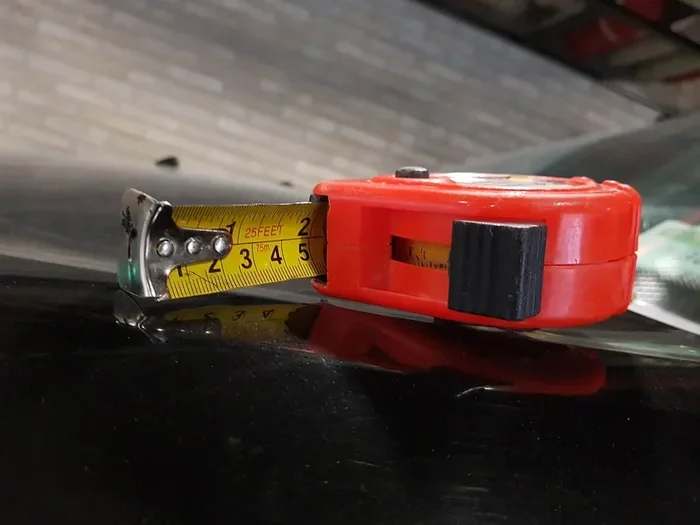
You will need a tape measure or a long ruler. A laser measuring tool works even better if you have one. Make sure your tool is long enough to span the full length of the vehicle.
Step 3: Measure from Front to Rear
Start at the frontmost point of the car. This is usually the front bumper or the very tip of the hood. Extend the tape measure to the rear bumper. Record the number in feet and inches.
Step 4: Double-Check Your Measurement
Repeat the measurement at least once to confirm accuracy. Small errors can happen if the car is not perfectly straight or if the tape measure sags in the middle.
Once you know your car’s length, you can compare it to standard parking spaces and garage dimensions. This knowledge is incredibly useful for everyday driving.
Quick Tips for Measuring Vehicle Dimensions
- Measure on a sunny day: It is easier to see the starting and ending points in good light.
- Use a helper: Having someone hold the tape measure steady improves accuracy.
- Check your owner’s manual: Most manufacturers list exact vehicle dimensions in the manual or on their website.
- Record all three dimensions: Length, width, and height all matter for parking and garage fitting.
What Vehicle Classes Fall Near 10 Feet?
Several types of vehicles fall into or near the 10-foot range. Let us explore these categories in more detail.
City Cars
City cars are designed specifically for urban driving. They are small, efficient, and easy to maneuver. Most city cars fall between 9 and 11 feet in length. They are a popular choice in Europe and Asia, where city streets are narrow and parking is limited.
Examples of popular city cars include the Fiat 500, the Volkswagen Up, and the Toyota Aygo. These vehicles prove that small size does not mean small value.
Kei Cars
Kei cars are a unique category from Japan. They are tiny vehicles with strict size and engine limits set by Japanese law. Most kei cars are under 10 feet long. They are incredibly popular in Japan because of tax benefits and easy parking.
While kei cars are not widely sold in the United States, they are worth mentioning. They show just how small a functional passenger car can be.
Electric Micro Cars
The rise of electric vehicles has brought new micro car options to the market. Some electric city cars are under 10 feet long. They are perfect for short commutes and city errands.
These vehicles are quiet, efficient, and environmentally friendly. They represent a growing trend in urban mobility. As cities become more congested, expect to see more of these tiny EVs on the road.
Expert Insights on Vehicle Size and Length
We asked automotive experts about the importance of car length. Here is what they had to say.
Dr. Sarah Mitchell, Automotive Engineer: “Car length is one of the most important dimensions for buyers to consider. It affects parking, maneuverability, and even fuel economy. Shoppers should always check the length before making a purchase.”
Mike Torres, Driving Instructor: “I always tell my students that shorter cars are easier to handle in traffic. If you are new to driving, a compact or mini car gives you more confidence on the road.”
Lisa Chen, Urban Planner: “Cities need smaller vehicles to reduce congestion and make better use of limited road space. A 10-foot car is ideal for dense urban environments.”
These expert opinions reinforce the value of understanding vehicle size. Whether you are a new driver or a seasoned commuter, car length plays a real role in your daily life.
Key Takeaways
- The average car length is 14 to 16 feet: Most standard passenger vehicles are significantly longer than 10 feet.
- A 10-foot car is possible but rare: Only micro cars and some city vehicles fall at or near this length.
- Car size affects parking, fuel, and driving confidence: Shorter vehicles offer advantages in tight spaces and urban settings.
- Vehicle class determines length: Compact, midsize, and full-size categories each have distinct length ranges.
- Measuring your car is simple and useful: Knowing your vehicle dimensions helps with parking and garage planning.
- Small cars serve a real purpose: They are not just for city dwellers. They can be practical for anyone looking for efficiency and ease of use.
Conclusion
So, is a car 10 feet long? The answer is yes, but only for a select few vehicles. Most cars on the road today are longer than 10 feet. The average family sedan or SUV measures between 14 and 19 feet. However, micro cars, city cars, and some compact models do come close to or even under 10 feet.
Understanding vehicle length helps you make better decisions. Whether you are buying a car, parking on a busy street, or fitting a vehicle into a garage, knowing the dimensions matters. A shorter car offers real advantages in city driving. A longer car may provide more space and comfort for families.
The next time you see a small car and wonder about its size, you will know exactly where it stands. Car length is a fascinating topic that affects every driver. Take the time to learn about vehicle dimensions. It will make you a smarter, more informed car buyer.
Remember, the right car size is the one that fits your lifestyle. There is no universal perfect length. What matters most is how well the vehicle meets your daily needs. Keep these measurements in mind on your next car shopping trip.
Frequently Asked Questions
What is the average length of a standard car?
The average length of a standard passenger car is between 14 and 16 feet. This range covers most compact sedans, midsize vehicles, and small SUVs. However, the exact length varies by make, model, and vehicle class.
Are there any cars that are exactly 10 feet long?
A few models come very close to 10 feet. The Fiat 500 and MINI Cooper are both around 10.2 to 10.3 feet long. The Smart Fortwo is even shorter at under 9 feet. True 10-foot cars are rare but do exist in the micro and city car categories.
Why are some cars shorter than others?
Car length depends on the vehicle class and intended use. City cars and micro cars are built short for easy parking and maneuverability. Larger vehicles like SUVs and trucks are longer to accommodate more passengers, cargo space, and bigger engines.
Does car length affect fuel economy?
Yes, shorter and lighter vehicles generally get better fuel economy. They have less wind resistance and require less energy to move. A 10-foot micro car will typically use less fuel than a 20-foot full-size truck.
How long is a standard parking space?
A standard North American parking space is about 9 feet wide and 18 feet long. Most compact and midsize cars fit easily into a standard space. Very small micro cars have extra room, while large SUVs and trucks may need wider or longer spaces.
Is a shorter car safer than a longer car?
Car safety depends on many factors beyond just length. Crash test ratings, airbag systems, structural design, and driver assistance features all contribute to safety. Both short and long cars can be safe if they earn good ratings from organizations like the IIHS and NHTSA.