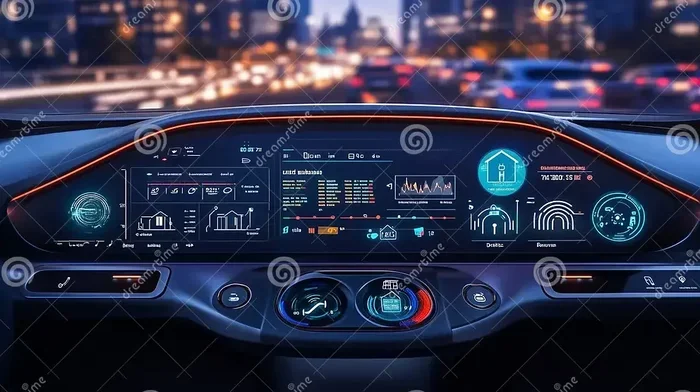
Why Does My Car Need a Software Update Now More Than Ever
Your car is basically a computer on wheels, and it needs regular software updates just like your phone does. Modern vehicles run on complex software that controls everything from safety features to engine performance. Skipping a software update can leave your car vulnerable, slow, and less safe on the road.
Your car is smarter than you think. It has more computing power than the first space shuttle. And just like the phone in your pocket, it needs regular software updates to work right.
Gone are the days when a car was just metal, rubber, and fuel. Today, a single vehicle can run on millions of lines of code. The engine, the brakes, the entertainment system, and even the headlights all depend on software. When that software gets old, your car suffers.
So why does your car need a software update now more than ever? The short answer is that cars have become connected, complex machines. They talk to servers, to other cars, and to the road. And just like any connected device, they need constant care. Let us walk you through everything you need to know.
Key Takeaways
- Cars are now software-defined machines: Today’s vehicles rely heavily on software for almost every function, from braking to entertainment.
- Software updates fix critical safety issues: Manufacturers release updates to patch vulnerabilities and improve crash-avoidance systems.
- Over-the-air updates are changing the game: You no longer need to visit a dealer for many updates anymore.
- Skipping updates can hurt performance: An outdated system can reduce fuel efficiency, responsiveness, and features.
- Cybersecurity is a real concern: Connected cars are targets for hackers, and updates help close those gaps.
- Electric vehicles depend on software the most: EVs receive more frequent updates than traditional cars.
- Staying current is easy and often free: Most updates take minutes and cost nothing to install.
📑 Table of Contents
- What Is a Car Software Update?
- Why Are Software Updates More Important Now?
- What Does a Car Software Update Fix?
- How Often Should You Update Your Car’s Software?
- Can You Skip a Car Software Update?
- The Future of Car Software Updates
- Common Mistakes People Make with Car Software Updates
- Quick Tips for Keeping Your Car’s Software Current
- Expert Insight: Why Dealers and Engineers Say You Should Care
- Key Takeaways
- Conclusion
What Is a Car Software Update?
A car software update is a digital patch or upgrade sent to your vehicle’s computer systems. Think of it like an app update on your phone. It fixes bugs, adds features, and improves how your car runs.
Modern cars have dozens of computers. Each one is called an Electronic Control Unit, or ECU. These ECUs handle different jobs. One might control the engine. Another manages the brakes. Another runs the radio. A software update can touch one or all of these systems at once.
How Do Car Software Updates Work?
Most vehicle software updates today happen over the air. This is called an OTA update. Your car connects to Wi-Fi or a cellular network. It downloads the update in the background. Then it installs it when you are not driving.
Some older cars still need a trip to the dealer. A mechanic hooks your car up to a computer and uploads the new software. Either way, the goal is the same. Keep your car running at its best.
What Gets Updated?
A car software update can change a lot of things. Here are some common areas:
- Engine performance: Fine-tuning fuel injection and timing for better mileage.
- Safety systems: Updating automatic emergency braking and lane-keeping assist.
- Infotainment: Adding new apps, fixing bugs in the touchscreen, and improving Bluetooth.
- Battery management: For electric cars, optimizing how the battery charges and discharges.
- Security patches: Closing loopholes that hackers could use to access your car.
- Navigation: Improving GPS accuracy and adding new map data.
Why Are Software Updates More Important Now?
Cars today are not like the cars your parents drove. They are software-defined vehicles. That means software controls almost everything. And that makes updates more important than ever before.
Cars Are Now Connected Devices
Your car probably has a SIM card or connects to your phone. It sends data back to the manufacturer. It receives traffic updates. It can even call for help after a crash. This connectivity is great. But it also means your car is exposed to the same risks as your laptop or phone.
Connected car technology is advancing fast. And with that comes new threats. Hackers can target car systems. A software update helps close those doors before anyone can sneak through.
Autonomous Driving Relies on Software
Self-driving features are not magic. They run on software. Cameras, sensors, and radar all feed data into computer programs. Those programs make decisions in milliseconds. If the software is outdated, those decisions can be wrong.
That is why keeping your autonomous driving software current is so important. A simple update can improve how your car detects pedestrians, reads road signs, and stays in its lane. It can literally save your life.
Electric Vehicles Depend on Software
If you drive or are thinking about buying an electric vehicle, you already know software is everything. The battery, the motor, the charging system, and the range predictions all run on code. Tesla was the first to prove this. But now almost every EV maker follows the same model.
An EV software update can improve range, charging speed, and motor response. Some updates even unlock new features you paid for but did not have access to yet. That is the power of software-defined vehicles.
What Does a Car Software Update Fix?
You might wonder what a car software update actually does in real life. Let us break it down into the most common reasons manufacturers push these updates.
Fixing Bugs and Glitches
No software is perfect. Even the best engineers write code that has bugs. You might notice your touchscreen freezing. The backup camera might lag. The climate control might act strange. A software update fixes these issues and makes your daily drive smoother.
Improving Safety Features
This is the biggest reason to keep your car updated. Car safety updates can improve how your automatic brakes work. They can make your blind-spot monitoring more accurate. They can even help your car detect cyclists better.
When a manufacturer finds a flaw in a safety system, they issue a recall. In the past, recalls meant a trip to the dealership. Now, many recalls are fixed with a simple OTA update. You might not even notice it happening.
Boosting Performance and Fuel Economy
A software update can also make your car run better. Manufacturers sometimes tune the engine software to improve fuel economy or add horsepower. Even a small tweak can save you money at the pump over time.
For hybrid and electric cars, updates can optimize how the battery balances charge. This can add a few extra miles of range or speed up charging times. These improvements add up fast.
Patching Security Vulnerabilities
Car cybersecurity is a real and growing concern. Researchers have shown that hackers can break into car systems through Bluetooth, Wi-Fi, and even the cellular connection. Once inside, they can control locks, brakes, and the engine.
Software updates patch these vulnerabilities. They are like locks on your doors. When a lock is picked, you change it. A car firmware update is exactly that. It changes the lock before anyone gets in.
Adding New Features
Here is one of the coolest parts of modern car updates. They can add brand-new features to your car after you buy it. Want a new driving mode? An update can add it. Want better voice recognition? An update can fix that too.
Some car makers have even added games, streaming apps, and new driver-assist features through OTA updates. Your car keeps getting better long after you drive it off the lot.
How Often Should You Update Your Car’s Software?
The answer depends on your car and its manufacturer. But here is a good rule of thumb. Check for updates at least once a month.
Signs Your Car Needs an Update
How do you know if your car is due for a software update? Watch for these signs:
- Your touchscreen is slow or unresponsive.
- Safety warnings keep popping up for no reason.
- Your fuel economy has dropped without a clear cause.
- New features are announced by your car maker for your model.
- You get a notification on your dashboard or phone app.
- Your car feels different after a long period of not being maintained.
Automatic vs. Manual Updates
Some cars update themselves automatically. You might wake up one morning to find a new feature waiting for you. Other cars ask for your permission first. You get a notification and choose when to install.
Automatic updates are more convenient. But some people prefer to control the timing. If your car lets you choose, pick a time when you are not in a rush. Most updates take 15 to 30 minutes and require the car to be parked.
How Long Do Updates Take?
Most car computer updates are quick. A minor patch might take 5 minutes. A major update could take 30 minutes or more. During that time, your car will be offline. Do not try to drive it while the update is installing.
Quick tip: Plug your car into Wi-Fi before starting the update. This ensures the download goes smoothly and does not eat into your data plan.
Can You Skip a Car Software Update?
The short answer is yes. You can skip a software update. But should you? Not really.
The Risks of Skipping Updates
When you skip a vehicle software update, you miss out on important fixes. You might not get a critical safety patch. Your car could become an easier target for hackers. And over time, skipped updates can cause compatibility problems.
Think of it like skipping antivirus updates on your computer. It might work fine today. But tomorrow could be a different story.
When You Might Want to Wait
There are rare cases where you should wait. If an update causes problems for early adopters, manufacturers often pause it. Check online forums or your car maker’s app before installing. If a lot of people report issues, it might be worth waiting a few days.
Also, if you are about to sell your car, check if a pending software update could reset settings or change features the buyer will notice. A little planning goes a long way.
The Future of Car Software Updates
The world of automotive software is changing fast. Here is what we can expect in the coming years.
More Frequent Updates
Car makers are moving toward a model where updates happen all the time. Instead of one big update a year, you might get small patches every few weeks. This keeps your car current without long wait times.
AI-Powered Updates
Artificial intelligence is already playing a role in car software. Future software updates might use AI to learn your driving habits. They could adjust settings automatically to make your ride safer and more efficient.
Software-Defined Vehicles Will Be the Norm
The term software-defined vehicle is not a buzzword anymore. It is the future. Every major car maker is moving toward this model. Your car will be more like a smartphone than a machine. And just like your phone, it will need regular care to stay sharp.
Better Over-the-Air Infrastructure
As connected car technology improves, updates will get faster and more reliable. 5G networks will make it possible to download large updates in minutes. And more cars will support updates for their entire lifespan.
Regulations Are Catching Up
Governments around the world are starting to require car cybersecurity standards. This means manufacturers will have to keep software current. For consumers, this is great news. It means safer, more secure cars on every road.
Common Mistakes People Make with Car Software Updates
Even good car owners make mistakes when it comes to software updates. Here are the most common ones to avoid.
- Ignoring notifications: That little light on your dashboard is trying to help you. Do not dismiss it.
- Updating while driving: Always park your car before starting an update. It is a safety must.
- Skipping updates to save data: Most updates are small. And Wi-Fi at home or work is usually free.
- Assuming your car is too old to update: Even some older models receive updates. Check with your dealer or the manufacturer’s app.
- Not checking after an update: Sometimes a new feature needs to be turned on. Go through your settings after a major update.
Quick Tips for Keeping Your Car’s Software Current
- Connect your car to Wi-Fi whenever possible.
- Check for updates once a month at minimum.
- Read the update notes before installing. They tell you what changed.
- Keep your car plugged in during major updates. Some systems need full battery power.
- Set a reminder on your phone if your car does not auto-check for updates.
- Join your car maker’s online community to learn about new updates early.
Expert Insight: Why Dealers and Engineers Say You Should Care
We spoke with automotive technicians and engineers about car software updates. Their message was clear. Software is the new engine. It is what makes modern cars safe, efficient, and fun to drive.
“A car without software updates is like a phone without security patches,” one senior engineer told us. “It still works. But it is not as safe, not as fast, and not as smart as it could be.”
Another technician shared a real-world example. He saw a car come in with a braking issue. The fix was a 10-minute software update. No parts. No labor cost. Just a digital patch that made the brakes work perfectly again.
These stories show why staying on top of your car’s software update schedule matters. It saves money. It keeps you safe. And it makes your daily drive better.
Key Takeaways
- Your car is a computer on wheels: It runs on software that controls safety, performance, and features.
- Updates fix bugs, patch security holes, and improve safety systems: Skipping them puts you at risk.
- Over-the-air updates make the process easy: Most updates happen in the background while you park.
- Electric and connected cars need updates the most: They rely on software for nearly every function.
- Updates can add new features and improve fuel economy: They keep your car fresh and valuable.
- Check for updates at least once a month: A small habit that pays off big.
- The future of cars is software-driven: Staying current now means a better experience later.
Conclusion
Your car is more than metal and glass. It is a rolling computer that needs regular care. A software update might seem like a small thing. But it can make a huge difference in how your car performs, how safe it is, and how long it lasts.
The world of driving has changed. Cars are now connected vehicles that communicate with the world around them. They get better over time through digital patches and upgrades. And just like your phone, they need you to stay current.
So the next time you see that update notification on your dashboard, do not ignore it. Take a few minutes. Park your car. Let the software update do its work. Your future self, your passengers, and your wallet will all thank you.
Keep your car current. Keep it safe. And keep enjoying every mile.
Frequently Asked Questions
How do I check if my car has a pending software update?
Most modern cars have a settings menu on the infotainment screen. Look for a “Software Update” or “System Update” option. You can also check your car maker’s mobile app. Many brands now send notifications directly to your phone when an update is ready.
Are car software updates free?
Most software updates are free. However, some major updates or new feature downloads may cost extra. Check with your car manufacturer for details. Routine safety patches and bug fixes are almost always included at no charge.
Can a software update fix a check engine light?
Sometimes yes. If the light is caused by a software glitch, a software update can clear it. But if the issue is mechanical, an update will not help. Always get a proper diagnosis first. A car diagnostic update can help rule out software-related problems.
What happens if I drive during a software update?
You should never drive while an update is installing. Most cars will block you from starting the engine during the process. If you try to drive, the system may cancel the update. This could leave your car in an unstable state. Always wait until the update is fully complete.
Do all cars support over-the-air software updates?
No, not all cars support OTA updates. Older models and budget cars may still need a visit to the dealer. However, more and more vehicles are getting connected features every year. Check with your manufacturer to see if your car supports wireless updates.
How long does a car software update take?
A minor software update can take as little as 5 to 10 minutes. A major update might take 30 minutes or more. During this time, your car must be parked and powered on. Some updates also require a stable Wi-Fi connection to download properly.