Why Does My Car Temperature Go Up and Down So Much
Your car temperature going up and down is a common problem that usually points to a few specific issues in your cooling system. A stuck thermostat, low coolant, or a failing radiator fan can all cause these frustrating temperature swings. In this guide, you will learn the exact reasons behind the fluctuation and what you can do about it right now. Understanding your car temperature behavior helps you avoid costly engine damage and stay safe on the road.
Have you ever been driving down the road and noticed your car temperature gauge acting strange? One moment it sits nicely in the middle. The next moment it climbs toward hot. Then it drops back down again. This up-and-down dance is not just annoying. It can signal real problems with your engine.
Many car owners ignore temperature fluctuations at first. They assume it will fix itself. But here is the truth. A car temperature that keeps going up and down usually means something in your cooling system is not working right. The good news is that most causes are easy to find and affordable to fix. This guide breaks down every reason your car temperature might be acting up. You will learn what to look for and how to handle it before things get worse.
By the end of this article, you will understand exactly how your car’s cooling system works. You will know the top reasons for temperature swings. And you will feel confident about what steps to take next. Let us dive in.
Key Takeaways
- A stuck thermostat is the most common reason your car temperature gauge moves up and down.
- Low coolant levels cause air pockets that lead to erratic temperature readings.
- A failing radiator fan can make your engine overheat during idle and cool down while driving.
- Water pump problems stop coolant from flowing properly through the engine.
- A bad temperature sensor may give false readings even when the engine is fine.
- Regular maintenance of your cooling system prevents most temperature fluctuation issues.
- Ignoring temperature swings can lead to serious engine damage over time.
📑 Table of Contents
Understanding Your Car Temperature Gauge
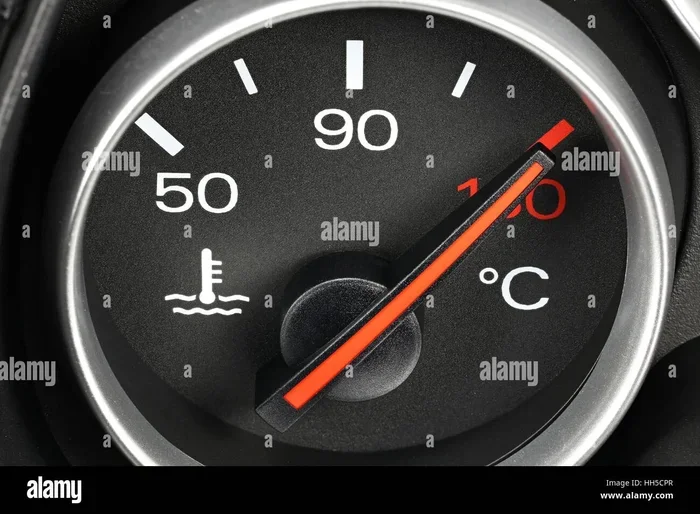
Before we look at causes, it helps to understand what your temperature gauge is actually telling you. The gauge on your dashboard shows the current temperature of your engine coolant. Most cars have a normal range right in the middle. This is usually between 195 and 220 degrees Fahrenheit.
When your engine runs, it generates a lot of heat. The cooling system removes that heat and keeps things at a safe level. Your car temperature gauge is the window into this process. If the needle moves too high, your engine is overheating. If it drops too low, the engine is not reaching its ideal operating temperature.
What Normal Temperature Looks Like
A healthy engine maintains a steady temperature. The needle should sit comfortably in the center of the gauge. Small movements are normal. For example, the needle might rise slightly when you are stuck in traffic. It should come back down when you start moving again.
But large swings are a red flag. If your needle bounces between cold and hot several times in a short drive, something is wrong. This kind of temperature fluctuation is one of the most common car problems people bring to mechanics.
Why Temperature Stability Matters
Your engine is designed to run within a narrow temperature range. When it gets too hot, parts can warp, crack, or seize. When it runs too cold, fuel efficiency drops and emissions increase. Stable engine temperature means better performance, better fuel economy, and a longer life for your vehicle.
Keeping an eye on your temperature gauge should be part of every driver’s routine. Do not wait for the check engine light to come on. By then, the problem may already be serious.
Common Reasons Your Car Temperature Goes Up and Down
Now let us get into the heart of the matter. There are several reasons your car temperature gauge might swing wildly. Some are simple fixes. Others need professional attention. Here are the most common culprits.
1. A Stuck Thermostat
The thermostat is a small valve that controls the flow of coolant through your engine. When the engine is cold, the thermostat stays closed. This lets the engine warm up quickly. Once it reaches the right temperature, the thermostat opens and allows coolant to flow through the radiator.
When a thermostat gets stuck, it cannot do its job properly. A stuck-open thermostat lets too much coolant flow too soon. This causes the engine to run cold. A stuck-closed thermostat blocks coolant flow entirely. This causes the engine to overheat quickly.
Either way, you will see wild temperature swings. Replacing a thermostat is one of the most common and least expensive car repairs. A new thermostat usually costs between 50 and 250 dollars, including parts and labor.
2. Low Coolant Levels
Coolant is the lifeblood of your car’s cooling system. It absorbs heat from the engine and carries it away through the radiator. When your coolant level drops too low, air gets into the system. Air pockets cause the temperature gauge to spike and drop unpredictably.
Low coolant usually means you have a leak somewhere. Common leak points include:
- Radiator hoses — these rubber hoses crack and leak over time.
- The radiator itself — rust or damage can create small holes.
- The water pump gasket — this seal can wear out and seep coolant.
- The heater core — a leaking heater core can cause a sweet smell inside the car.
- The coolant reservoir — the plastic tank that holds extra coolant can crack.
Check your coolant reservoir regularly. If the level is consistently low, get the leak fixed right away. Driving with low coolant can cause your engine to overheat and suffer serious damage.
3. A Failing Water Pump
The water pump pushes coolant through the engine and radiator. It is driven by the serpentine belt or chain. When the water pump starts to fail, coolant does not circulate properly. This leads to hot spots in the engine and temperature fluctuations.
Signs of a failing water pump include:
- A whining noise coming from the front of the engine.
- Coolant leaks near the front of the car.
- The temperature gauge climbing quickly, especially at idle.
- Steam or vapor coming from under the hood.
Water pump replacement can cost anywhere from 300 to 750 dollars depending on your vehicle. It is a repair you should not put off. A failed water pump can cause your engine to overheat within minutes.
4. Radiator Fan Problems
The radiator fan kicks in when your car is moving slowly or sitting still. It pulls air through the radiator to cool the coolant down. When the fan does not work, your engine temperature rises during idling and traffic. Once you pick up speed, the airflow from driving cools things down. This creates the classic up-and-down temperature pattern.
Common radiator fan issues include:
- A bad fan relay — this switch controls when the fan turns on and off.
- A faulty temperature sensor — this sensor tells the fan when to activate.
- A blown fuse — a simple fuse can stop the fan from working.
- A damaged fan motor — the motor itself may need replacement.
If you notice your temperature climbing in traffic but dropping on the highway, the radiator fan is a prime suspect. Have it checked as soon as possible.
5. A Bad Temperature Sensor or Gauge
Sometimes the problem is not the engine at all. It is the sensor or the gauge itself. The coolant temperature sensor sends data to your dashboard gauge. If the sensor is faulty, it can send incorrect readings. This makes it look like your engine temperature is changing when it is actually stable.
A bad temperature sensor can also send wrong data to your car’s computer. This can affect fuel delivery and ignition timing. The result is poor performance and reduced fuel economy.
Diagnosing a faulty sensor requires an OBD2 scanner. Many auto parts stores will read the codes for free. If the scanner shows a temperature-related error code, the sensor is likely the culprit.
6. Air Pockets in the Cooling System
After adding coolant or repairing a leak, air can get trapped in the cooling system. These air pockets block the flow of coolant and cause temperature spikes. You might notice the gauge climbing suddenly, then dropping back down after a few minutes.
Bleeding the cooling system removes trapped air. Most cars have a bleed screw or a specific procedure for this. Check your owner’s manual for the exact steps. If you are not comfortable doing it yourself, a mechanic can bleed the system quickly.
7. Head Gasket Issues
A blown head gasket is one of the more serious causes of temperature fluctuation. The head gasket sits between the engine block and the cylinder head. It keeps coolant and engine oil separate while sealing the combustion chambers.
When a head gasket fails, combustion gases can leak into the cooling system. This creates air pockets and pressure that push coolant out. Symptoms include:
- The temperature gauge reading erratically.
- White smoke coming from the exhaust.
- A milky substance under the oil cap.
- Bubbles in the coolant reservoir.
- Coolant loss without any visible leaks.
A head gasket repair is expensive, often costing 1,000 to 2,000 dollars. But catching it early can prevent even more costly engine damage. If you suspect a head gasket problem, get your car to a mechanic immediately.
The Role of the Thermostat in Temperature Control
The thermostat deserves its own section because it is the most common cause of temperature swings. Think of it as the gatekeeper of your cooling system. It decides when coolant flows and when it stays put.
A working thermostat opens and closes smoothly as the engine heats up and cools down. A broken thermostat gets stuck in one position. This creates a one-way problem that throws off the entire cooling system.
How to Tell if Your Thermostat Is Stuck
Here are some easy signs that your thermostat may be failing:
- The temperature gauge rises quickly after starting the car.
- The heater blows cold air even when the engine is hot.
- The temperature gauge drops below normal after warming up.
- You notice the needle bouncing between hot and cold.
- Your engine takes a long time to warm up in cold weather.
You can also do a simple test. Start the car cold and feel the upper radiator hose. If the hose stays cold even after the engine warms up, the thermostat is probably stuck closed. If the hose gets hot immediately, the thermostat may be stuck open.
Replacing a thermostat is a straightforward job for most mechanics. The part itself is cheap, and the labor usually takes less than an hour. It is one of the first things a mechanic will check when you report temperature problems.
Cooling System Components You Need to Know
Your car’s cooling system is a team of parts working together. When one part fails, the whole system suffers. Here is a quick look at the key components and how they affect your car temperature.
| Component | Role | Failure Symptom |
|---|---|---|
| Thermostat | Controls coolant flow based on engine temperature | Temperature gauge fluctuates between hot and cold |
| Water Pump | Pushes coolant through the engine and radiator | Overheating, especially at idle |
| Radiator | Dissipates heat from the coolant into the air | Engine runs hot, especially in traffic |
| Radiator Fan | Forces air through the radiator at low speeds | Overheating when idling, cooling when driving |
| Coolant Temperature Sensor | Sends temperature data to the gauge and computer | Inaccurate gauge readings, poor fuel economy |
| Coolant Hoses | Carry coolant between engine, radiator, and heater | Coolant leaks, air pockets, temperature spikes |
| Coolant Reservoir | Stores excess coolant and allows for expansion | Coolant loss, overheating from low levels |
| Heater Core | Provides cabin heat and helps circulate coolant | Sweet smell, foggy windows, coolant loss |
Understanding how these parts work together helps you make sense of temperature problems. When one component fails, it puts extra stress on the others. This is why regular cooling system maintenance is so important.
When to See a Mechanic
Some temperature issues are easy to handle at home. Checking the coolant level, topping it off, and watching the gauge are things any driver can do. But there are times when you need professional help.
See a mechanic right away if you notice any of these signs:
- The temperature gauge goes into the red zone.
- Steam or vapor is coming from under the hood.
- You see coolant puddles under your car.
- The temperature needle swings wildly on every drive.
- Your car overheats repeatedly, even after adding coolant.
- You hear knocking or pinging sounds from the engine.
Driving an overheating car can cause catastrophic engine damage. A blown head gasket, warped cylinder head, or cracked engine block can turn a small repair into a major one. Do not take chances. If your temperature gauge shows signs of trouble, pull over safely and let the engine cool down.
Regular maintenance visits can catch cooling system problems before they become emergencies. A mechanic can pressure-test the system, check the thermostat operation, and inspect hoses and belts. These simple checks can save you hundreds of dollars in repairs down the road.
How to Prevent Temperature Swings in the Future
Prevention is always better than repair. A well-maintained cooling system keeps your engine running at a stable temperature and avoids those frustrating gauge swings.
Simple Steps You Can Take Today
- Check your coolant level monthly. Look at the reservoir when the engine is cool. The level should be between the minimum and maximum marks.
- Inspect hoses and connections. Look for cracks, bulges, or wet spots around the hoses and clamps.
- Flush and replace coolant on schedule. Most manufacturers recommend flushing the system every 30,000 to 50,000 miles.
- Watch the temperature gauge while driving. Get to know what normal looks like for your specific car.
- Replace the thermostat as part of routine maintenance. Thermostats are cheap insurance against overheating.
- Keep the radiator clean. Bugs, dirt, and debris can block airflow through the radiator fins.
- Address leaks immediately. Even small coolant leaks can lead to big problems if ignored.
These steps take very little time but can make a huge difference. A little attention to your cooling system keeps your engine healthy and your temperature gauge steady.
Quick Tips for Hot Weather Driving
Summer heat puts extra stress on your cooling system. Here are a few tips to keep your car temperature stable during hot weather:
- Keep your AC on low instead of off. The AC helps pull heat from the engine.
- Avoid idling for long periods in direct sunlight.
- Carry extra coolant in your trunk for emergencies.
- Watch for signs of overheating in slow traffic or uphill driving.
- Make sure your radiator fan turns on when the engine is hot.
Key Takeaways
- A stuck thermostat is the most common reason your car temperature gauge moves up and down.
- Low coolant levels cause air pockets that lead to erratic temperature readings.
- A failing radiator fan can make your engine overheat during idle and cool down while driving.
- Water pump problems stop coolant from flowing properly through the engine.
- A bad temperature sensor may give false readings even when the engine is fine.
- Regular maintenance of your cooling system prevents most temperature fluctuation issues.
- Ignoring temperature swings can lead to serious engine damage over time.
Conclusion
Your car temperature going up and down is not something to ignore. Whether it is a simple thermostat issue or a more serious cooling system problem, early attention makes all the difference. The most important thing you can do is pay attention to your temperature gauge and act quickly when you notice changes.
Start with the basics. Check your coolant level. Look for leaks. Listen for unusual noises. These simple checks can often point you in the right direction. If the problem continues, take your car to a trusted mechanic. A proper diagnosis saves time, money, and prevents further damage to your engine.
Remember, your car’s cooling system works hard every time you drive. A little care and attention goes a long way in keeping it running smoothly. Stay on top of your maintenance, watch for warning signs, and you will avoid most temperature problems before they start. Your engine will thank you with years of reliable performance.
FAQs
Why does my car temperature go up and down while driving?
This usually happens because of a thermostat that is stuck open or closed. It can also be caused by low coolant levels, a failing radiator fan, or air pockets in the cooling system. Each of these problems disrupts the normal flow of coolant, leading to temperature swings.
Is it safe to drive if my temperature gauge is fluctuating?
It depends on how extreme the fluctuations are. Small movements are normal, especially in varying driving conditions. But if the needle swings dramatically into the hot range, you should pull over and let the engine cool. Continued driving with an erratic temperature gauge can lead to engine damage.
How much does it cost to fix a car temperature problem?
The cost varies widely depending on the cause. A thermostat replacement typically costs 50 to 250 dollars. A radiator fan repair might run 100 to 400 dollars. A water pump replacement can cost 300 to 750 dollars. A head gasket repair is the most expensive, often ranging from 1,000 to 2,000 dollars.
Can low coolant cause temperature fluctuations?
Yes, absolutely. When coolant levels drop too low, air enters the system and creates pockets. These air pockets prevent proper coolant flow, causing the temperature gauge to spike and drop unpredictably. Always check for leaks if your coolant level keeps going down.
How do I know if my temperature sensor is bad?
A bad temperature sensor often gives readings that do not match how the engine feels. For example, the gauge might show hot while the engine is cool, or vice versa. A mechanic can use an OBD2 scanner to check for error codes. They can also test the sensor with a multimeter to confirm if it is faulty.
How often should I flush my cooling system?
Most car manufacturers recommend flushing the cooling system every 30,000 to 50,000 miles. Check your owner’s manual for the exact interval for your vehicle. Regular flushing removes old coolant, rust, and debris that can clog the system and cause temperature problems.