Why Is Hybrid Towing Capacity So Low on Modern Trucks
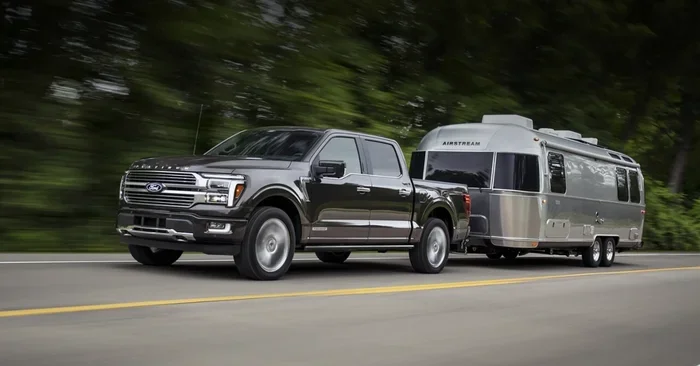
Hybrid towing capacity remains surprisingly low on most modern trucks, leaving many drivers wondering why these advanced powertrains can’t haul more. The answer comes down to battery weight, engineering trade-offs, and how manufacturers balance fuel economy with towing performance. If you are shopping for a truck that can tow, understanding these limits is essential before you buy.
Key Takeaways
- Battery weight reduces available towing capacity: Heavy hybrid packs eat into the payload and towing limits of any truck.
- Manufacturers prioritize fuel economy over towing power: Hybrid systems are tuned for efficiency, not maximum towing output.
- Torque delivery differs between hybrid and conventional engines: Electric motors provide instant torque but may not sustain it under heavy loads.
- Hybrid trucks often have lower gross vehicle weight ratings: This directly impacts how much weight the truck can safely tow.
- Diesel engines still dominate heavy towing: For serious hauling needs, diesel remains the go-to choice.
- Future hybrid trucks may improve towing numbers: Advances in battery technology and powertrain design could close the gap over time.
📑 Table of Contents
- Why Is Hybrid Towing Capacity So Low on Modern Trucks?
- The Real Reasons Behind Low Hybrid Towing Numbers
- Hybrid vs Diesel: Which Is Better for Towing?
- Can You Improve Hybrid Towing Capacity?
- What the Future Holds for Hybrid Towing
- Common Mistakes People Make When Towing with a Hybrid Truck
- Final Thoughts
Why Is Hybrid Towing Capacity So Low on Modern Trucks?
You would think that a hybrid truck would tow just as well as a regular one. After all, hybrid systems add electric motors. Those motors produce instant torque. Torque is what you need to pull heavy trailers. So why do most hybrid trucks have such low towing ratings? The answer is more complicated than you might expect.
The truth is that hybrid towing capacity gets held back by several factors working against each other. Battery packs add significant weight. Engineers must balance fuel efficiency with hauling power. And many hybrid systems are simply not designed for heavy-duty towing. In this article, we will break down every reason why hybrid trucks struggle with towing. We will also look at what you can do about it.
If you have ever tried to tow a trailer with a hybrid truck and felt underpowered, you are not alone. Many truck owners feel the same frustration. Understanding the towing capability limits of hybrid vehicles helps you make smarter buying decisions. It also sets realistic expectations for what your truck can actually handle.
The Weight Problem: Heavy Battery Packs
One of the biggest reasons hybrid towing capacity stays low comes down to raw weight. Hybrid trucks carry large battery packs. These packs can weigh anywhere from 400 to 1,500 pounds. That is a lot of extra mass sitting on the frame. The more a truck weighs, the less it can tow safely.
Every truck has a gross vehicle weight rating, or GVWR. This number tells you the maximum safe weight of the fully loaded vehicle. When you add a heavy battery pack, you eat into that budget. Less weight is left for the trailer, cargo, and passengers. So the towing limit drops even if the engine is powerful enough.
For example, a standard full-size truck might weigh around 5,500 pounds. A hybrid version of the same truck could weigh 6,200 pounds or more. That extra 700 pounds comes directly from the battery. This weight penalty reduces the total towing ratings compared to the gas-only version.
How Battery Weight Affects Towing Numbers
Here is a simple way to think about it. Imagine you are carrying a backpack. The heavier the backpack, the less you can carry in your hands. A hybrid truck works the same way. The battery pack is the backpack. The trailer is what you are trying to carry.
Manufacturers must account for the total weight of everything on the truck. This includes the battery, the cargo, the passengers, and the trailer. When the battery takes up a big chunk of the weight budget, less is available for towing. That is why hybrid towing capacity numbers often look disappointing on paper.
Some trucks use lithium-ion batteries to keep weight down. But even these advanced packs add significant mass. The trade-off between electric range and towing ability is a constant challenge for engineers. They cannot have both maximum efficiency and maximum hauling power without making compromises.
Engineering Trade-Offs: Efficiency vs. Towing Power
Hybrid trucks are built with a specific goal in mind: save fuel. The entire hybrid system is tuned for fuel efficiency. This means the powertrain prioritizes smooth electric driving and regenerative braking. Towing is not always the main focus.
When a manufacturer designs a hybrid truck, they make choices. They choose a smaller battery for better mileage. They tune the electric motor for city driving. They optimize the transmission for economy. All of these choices can reduce the truck’s ability to tow heavy loads.
Compare this to a conventional truck built for towing. Those trucks use larger engines, stronger transmissions, and heavier-duty cooling systems. Every component is designed to handle sustained heavy loads. A hybrid truck may not have that same level of reinforcement.
Why Hybrid Powertrains Are Not Built for Heavy Towing
The hybrid powertrain in most trucks uses a smaller electric motor. These motors are great for assisting the gas engine during normal driving. But they may not have the sustained power needed for towing heavy trailers up steep grades.
Electric motors produce peak torque at zero RPM. That sounds great for towing. But sustained towing requires consistent power over long periods. Many hybrid motors are not built to handle that kind of continuous strain. They can overheat or lose power under heavy loads.
Also, the transmission in a hybrid truck is often a continuously variable transmission, or CVT. These transmissions are efficient but not always built for heavy towing. A conventional truck with a 10-speed automatic transmission handles towing loads much better in many cases.
Towing Ratings: Hybrid vs. Conventional Trucks
Let us look at some real numbers. When you compare hybrid towing capacity to conventional trucks, the difference is clear. Most hybrid full-size trucks tow between 5,000 and 7,000 pounds. Their gas-only counterparts can often tow 10,000 to 13,000 pounds or more.
The gap is significant. A driver who needs to tow a large boat or a horse trailer may find a hybrid truck insufficient. For light-duty towing like a small utility trailer, a hybrid works fine. But for serious hauling, the numbers do not add up.
Some manufacturers offer a towing package for their hybrid trucks. This package may include a stronger cooling system and a towing hitch. But even with these additions, the towing capability rarely matches the gas-only version of the same truck.
What About Electric-Only Towing Mode?
Some newer hybrid trucks offer an electric-only towing mode. In this mode, the electric motor does all the work. It sounds impressive, but there are limits. Electric-only towing drains the battery quickly. The range drops dramatically when you are pulling a heavy load.
Most hybrid trucks can only tow in electric mode for short distances. The battery overheats or runs out of charge. After that, the gas engine kicks in. So electric-only towing is more of a novelty than a practical solution for long hauls.
Regenerative braking also plays a role. When you tow a trailer, the brakes work harder. Regenerative braking helps recover some energy. But it cannot fully offset the extra strain that towing puts on the braking system. This is another reason why hybrid towing capacity stays low.
The Real Reasons Behind Low Hybrid Towing Numbers
Now that we have covered the basics, let us dig deeper into the specific reasons. Each factor plays a role in limiting how much a hybrid truck can safely tow.
1. Gross Combined Weight Rating Limitations
The gross combined weight rating, or GCWR, is the maximum safe weight of the truck plus the trailer. Hybrid trucks often have a lower GCWR than their gas-only versions. This is because the heavier battery pack reduces the total weight the truck can handle.
When you subtract the battery weight from the GCWR, the remaining capacity for the trailer goes down. This is the most direct reason hybrid towing capacity is lower. It is simple math: more weight in the truck means less weight available for the trailer.
2. Cooling System Limitations
Towing puts a massive strain on a truck’s cooling system. The engine, transmission, and brakes all generate extra heat. Hybrid trucks have additional components that also need cooling. The electric motor, power inverter, and battery pack all produce heat during heavy use.
Many hybrid trucks do not have the same cooling capacity as conventional trucks. They use smaller radiators and less robust cooling systems. When the temperature climbs during a long tow, the truck may go into protective mode. This limits power and reduces towing performance.
3. Transmission and Drivetrain Design
The transmission in a hybrid truck is different from a conventional truck. Most hybrids use a planetary gear set or a CVT. These designs are efficient but not always strong enough for heavy towing. They can slip or overheat under sustained heavy loads.
Conventional trucks often use robust automatic transmissions with more gears. A 10-speed transmission can handle towing loads much better than a CVT. The gear ratios are optimized for both highway cruising and heavy hauling. Hybrid transmissions simply are not built with that same priority.
4. Frame and Suspension Differences
Not all hybrid trucks have the same frame strength as their gas-only counterparts. Some manufacturers use a lighter frame to offset the battery weight. A lighter frame may not handle the stress of heavy towing as well.
The suspension system also matters. Hybrid trucks may use different suspension components to accommodate the battery pack. These components might not be rated for the same towing loads. The result is a truck that feels less stable when pulling a heavy trailer.
5. Manufacturer Marketing and Target Audience
Let us not forget the business side. Most hybrid trucks are marketed to commuters and eco-conscious buyers. These customers care about fuel economy, not towing. Manufacturers design the hybrid system with this audience in mind.
The towing features on a hybrid truck are often an afterthought. They may include a basic towing hitch and a trailer sway control system. But the underlying powertrain is not optimized for heavy towing. This is why hybrid towing capacity lags behind conventional trucks.
Hybrid vs Diesel: Which Is Better for Towing?
If you need a truck that can tow heavy loads, you might wonder about diesel vs hybrid. Diesel trucks have long been the king of towing. They produce massive torque and can handle sustained heavy loads with ease.
Hybrid trucks simply cannot compete with diesel when it comes to towing. A diesel truck like the Ford Super Duty or Ram 3500 can tow 30,000 pounds or more. A hybrid truck of similar size might tow half that amount. The difference is enormous.
However, hybrid trucks do have some advantages. They offer better fuel economy during daily driving. They produce lower emissions. And they can still handle light to moderate towing just fine. The key is matching the truck to your actual needs.
| Feature | Hybrid Truck | Diesel Truck |
|---|---|---|
| Max Towing Capacity | 5,000-7,000 lbs | 20,000-37,000 lbs |
| Fuel Economy (Combined) | 25-35 MPG | 15-22 MPG |
| Battery/Weight Penalty | High (400-1,500 lbs) | Low (no battery pack) |
| Best Use Case | Commuting, light towing | Heavy towing, hauling |
| Upfront Cost | Higher than gas | Highest in class |
| Maintenance Complexity | Moderate | High |
As you can see from the comparison table, diesel trucks are far superior for towing. But they also cost more and use more fuel during daily driving. Hybrid trucks shine in the city, not on the highway with a heavy trailer in tow.
Can You Improve Hybrid Towing Capacity?
If you already own a hybrid truck and want to tow more, there are a few things you can try. These tips will not change the factory towing rating. But they can help you tow more safely within the limits of your truck.
1. Reduce Overall Vehicle Weight
The lighter your truck, the more it can tow. Remove unnecessary items from the bed and cabin. Every pound counts when you are near the towing limit. A lighter truck puts less strain on the brakes, transmission, and engine.
2. Use the Right Transmission Settings
Many hybrid trucks have a towing mode or a manual transmission setting. Use this mode when towing. It keeps the transmission in lower gears and prevents unnecessary shifting. This reduces heat buildup and improves towing performance.
3. Upgrade the Cooling System
Aftermarket cooling upgrades can help your hybrid truck handle towing better. An upgraded radiator or transmission cooler can keep temperatures down. This prevents the truck from going into protective mode during long tows.
4. Stay Within the Weight Limits
Never exceed the factory towing capacity. This is the single most important rule. Overloading a hybrid truck is dangerous. It can cause brake failure, transmission damage, and loss of control. Always check the towing ratings before you hook up a trailer.
What the Future Holds for Hybrid Towing
The good news is that hybrid technology is improving fast. Future hybrid trucks may offer better hybrid towing capacity than current models. Engineers are working on lighter battery packs and more powerful electric motors. These advances could close the gap between hybrid and conventional trucks.
Some automakers are already testing dual-motor hybrid systems. These systems provide more power and better towing capability. Plug-in hybrid trucks could also change the game. They offer larger batteries and more electric-only range. This could make towing in electric mode more practical.
As battery technology continues to evolve, we can expect better towing numbers from hybrid trucks. The key will be balancing weight, power, and efficiency. For now, hybrid trucks remain best suited for light-duty towing and daily driving.
Common Mistakes People Make When Towing with a Hybrid Truck
Many hybrid truck owners make mistakes that reduce their towing safety and performance. Avoiding these errors can help you get the most out of your truck.
- Ignoring the owner’s manual towing limits: Always follow the manufacturer’s recommended towing capacity.
- Overloading the truck: Exceeding the GCWR is dangerous and can void your warranty.
- Not using towing mode: Failing to engage the correct driving mode can cause overheating.
- Skipping regular maintenance: Hybrid trucks need the same maintenance as conventional trucks. Brakes, fluids, and filters all need attention.
- Assuming electric mode is enough for towing: Electric-only towing drains the battery fast and is not practical for long trips.
- Neglecting trailer maintenance: A poorly maintained trailer can cause problems for any truck, hybrid or not.
Final Thoughts
So why is hybrid towing capacity so low on modern trucks? The reasons are clear. Heavy battery packs reduce the available weight budget. Hybrid powertrains prioritize fuel efficiency over towing power. Cooling systems and transmissions are not always built for heavy-duty hauling. And manufacturers design these trucks for commuters, not for heavy towing.
If you need a truck for serious towing, a hybrid may not be the best choice. A conventional gas truck or a diesel truck will serve you much better. But if you want a truck for daily driving with the occasional light trailer, a hybrid can work well.
The future looks promising for hybrid towing. Advances in battery technology and powertrain design will likely improve towing numbers in the coming years. For now, know the limits of your hybrid truck and tow safely within them.
Understanding hybrid towing capacity helps you make informed decisions. It keeps you safe on the road and protects your investment. Whether you are buying a new truck or towing with your current one, always respect the limits and plan accordingly.
Frequently Asked Questions
Why do hybrid trucks have lower towing capacity than gas trucks?
Hybrid trucks carry heavy battery packs that add significant weight to the vehicle. This extra weight reduces the amount of weight the truck can safely tow. Manufacturers also design hybrid systems for fuel efficiency, not heavy towing, which further limits the towing numbers.
Can a hybrid truck tow a travel trailer?
Yes, most hybrid trucks can tow a travel trailer within their rated capacity. The towing limit varies by model, but many hybrid trucks can handle trailers in the 5,000 to 7,000-pound range. Always check your specific truck’s towing rating before hauling.
Does towing in electric mode damage a hybrid truck?
Towing in electric-only mode can strain the battery and electric motor. The battery drains quickly under heavy loads, and the motor may overheat. It is best to use the gas engine for towing and reserve electric mode for lighter loads or short distances.
Will future hybrid trucks have better towing capacity?
Yes, future hybrid trucks are likely to have improved towing capacity. Advances in battery technology, lighter materials, and more powerful electric motors will help close the gap. Automakers are actively working on next-generation hybrid powertrains designed for better towing performance.
Is it worth buying a hybrid truck if you tow occasionally?
If you tow occasionally and your loads are within the hybrid truck’s capacity, it can be a great choice. You get excellent fuel economy for daily driving and enough towing power for light-duty loads. Just make sure your towing needs match the truck’s capabilities.
What happens if you exceed the hybrid towing capacity?
Exceeding the towing capacity is dangerous and can cause serious damage. The transmission can overheat, the brakes can fail, and the engine can be strained beyond its limits. It also voids most manufacturer warranties. Always stay within the rated towing limits for safe operation.
=== CONCLUSION ===
Hybrid towing capacity is low on modern trucks for several well-understood reasons. Battery weight, engineering trade-offs, and design priorities all play a role. Hybrid trucks are built for efficiency, not heavy hauling. If towing is your primary need, a conventional or diesel truck is a better fit. But for drivers who want a versatile truck for daily use and light towing, hybrid trucks offer a compelling option. Know the limits, tow safely, and enjoy the benefits of hybrid technology.