Why Is My Traction Control Stuck On And How To Fix It
Your traction control system may stay stuck on due to a faulty wheel speed sensor, a bad traction control module, or a blown fuse. Understanding the root cause helps you fix it quickly and safely. This guide walks you through the most common reasons and practical solutions.
Have you ever started your car and noticed the traction control light stays on? It can be a little scary, especially if you do not know what it means. The good news is that a traction control system stuck in the on position is a common issue. In most cases, it is something simple you can fix yourself. In this guide, we will explore the top reasons why your traction control is stuck on. We will also walk you through easy fixes and tell you when it is time to see a mechanic. By the end, you will feel confident about handling this problem. Let us get started.
Your car’s traction control system helps keep your wheels from slipping. It works hand in hand with your ABS brakes and stability control. When the system detects a loss of grip, it reduces engine power or applies the brakes to specific wheels. This keeps you safe on wet roads, ice, or gravel. But sometimes, the system gets confused or breaks down. The warning light stays on even when everything looks fine. That is when you need to pay attention. A stuck traction control light can point to anything from a dirty sensor to a serious electrical problem.
Key Takeaways
- Faulty wheel speed sensors are the most common reason your traction control light stays on.
- A bad traction control module can cause the system to malfunction and stay engaged.
- Low brake fluid or ABS issues often trigger the traction control warning light.
- Resetting the system is a simple fix that works in many cases.
- Driving with traction control stuck on can reduce fuel efficiency and cause uneven tire wear.
- Replacing sensors or modules costs between $100 and $400 depending on your vehicle.
- Regular maintenance keeps your traction control system working properly for years.
📑 Table of Contents
What Does the Traction Control Light Mean?
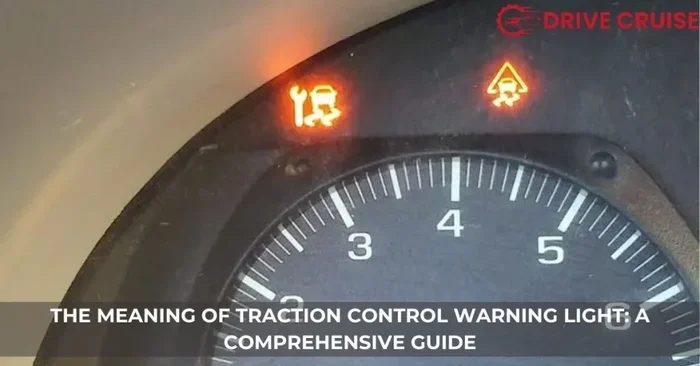
The traction control warning light looks like a car with wavy lines underneath it. When you start your car, this light usually flashes for a few seconds. That is normal. It means the system is doing a self-check. The light should turn off once the engine is running. If it stays on, something is wrong. The system has detected an issue it cannot fix on its own. Sometimes the light flashes when you are driving on slippery roads. That is the system doing its job. But if it stays solid, you have a problem that needs attention.
Understanding what the light is telling you is the first step. A steady light usually means a steady problem. It could be as minor as a dirty sensor or as major as a failed control module. Either way, ignoring it is not a good idea. Your car will still run, but you lose an important safety feature. That is especially true in bad weather conditions.
Common Reasons Your Traction Control Stays On
Several things can cause your traction control stuck on problem. Here are the most common culprits:
- Faulty wheel speed sensors – These sensors monitor how fast each wheel spins. When one fails, the system gets confused.
- Bad traction control module – The module is the brain of the system. If it fails, the light stays on.
- Blown fuse – A simple blown fuse can shut down the system and trigger the light.
- Low brake fluid – The traction control system shares components with your brakes. Low fluid causes problems.
- ABS system failure – Since traction control works with ABS, any ABS issue can cause the light to stay on.
- Wiring or electrical issues – Corroded or damaged wires can disrupt the signal between sensors and the module.
- Faulty steering angle sensor – This sensor helps the system know your steering direction. A bad reading can keep the light on.
Each of these issues has its own set of symptoms. Let us break them down one by one so you can figure out what might be causing your problem.
Why Is My Traction Control Stuck On? Top Causes Explained
Now let us dive deeper into each cause. This will help you understand what is happening under the hood. Knowledge is power when it comes to car repairs.
1. Faulty Wheel Speed Sensors
This is the number one reason for a traction control light stuck on. Every wheel has a speed sensor attached to it. These sensors send data to the traction control module and the ABS system. When a sensor gets dirty, damaged, or wears out, it sends wrong signals. The system thinks a wheel is slipping when it is not. Or it cannot read the wheel speed at all. Either way, the warning light comes on and stays there.
You might notice other symptoms too. Your ABS light may also come on. The car might feel different when braking on wet roads. Some drivers report a humming or clicking noise from the wheel area. If you suspect a bad sensor, start by cleaning it. Sometimes road grime builds up and blocks the sensor. A simple cleaning can fix the problem. If cleaning does not work, you will need to replace the sensor.
2. Bad Traction Control Module
The traction control module is the computer that runs the system. It processes data from all the sensors and makes decisions in milliseconds. When this module fails, the whole system goes haywire. The light stays on, and the system may not engage when you need it most.
Module failures can happen from water damage. Driving through deep puddles or floods can cause corrosion inside the module. Electrical surges and aging wiring can also lead to failure. Replacing a module is more expensive than replacing a sensor. But it is still a repairable problem. A mechanic can reprogram or replace the module depending on the damage.
3. Blown Fuse or Relay Issues
Do not overlook the simple stuff. A blown fuse can shut down your traction control system entirely. Every car has a fuse box under the hood and sometimes inside the cabin. Check your owner’s manual to find the right fuse. Look for a blown filament inside the fuse. If you see it, replace the fuse with one of the same rating.
If the new fuse blows again right away, you have a bigger problem. There may be a short circuit or an overloaded system. In that case, take the car to a mechanic. Do not keep replacing fuses without finding the root cause.
4. Low Brake Fluid Levels
Your traction control and braking systems share many components. When your brake fluid is low, the traction control system notices. It triggers the warning light to let you know something is wrong. Check your brake fluid reservoir under the hood. It is usually a small white container with a black cap near the back of the engine bay.
If the fluid is low, top it off with the type recommended in your owner’s manual. But do not just ignore the low fluid. Find out why it is low. Brake fluid does not evaporate. Low levels usually mean a leak somewhere. That is a serious issue that needs professional attention right away.
5. ABS System Problems
Your traction control system and ABS work together closely. They share sensors, wiring, and sometimes the same module. So when ABS has a problem, the traction control light often comes on too. Common ABS issues include worn brake pads, damaged ABS rings, or faulty ABS pumps.
If both the ABS light and traction control light are on, do not ignore it. Your braking system may not work as it should. Get the car checked as soon as possible. Driving without proper ABS function is dangerous, especially on wet or icy roads.
How To Fix Traction Control Stuck On
Now that you know the common causes, let us talk about fixes. Some of these you can do at home. Others will need a professional mechanic.
Step 1: Check and Clean the Wheel Speed Sensors
Start with the easiest fix. Locate the wheel speed sensors on each wheel. They are usually near the hub assembly. Use a clean cloth to wipe away any dirt, grease, or road grime. If the sensor tip looks corroded, you may need to replace it. Cleaning the sensors costs nothing and takes just a few minutes.
After cleaning, drive the car for a few minutes. Turn the ignition off and back on to see if the light goes out. If it does, you have found the problem. If not, move on to the next step.
Step 2: Reset the Traction Control System
Sometimes the system just needs a reset. Here is how to do it:
- Turn the ignition off and wait 30 seconds.
- Turn the ignition on without starting the engine.
- Wait for all the warning lights to come on.
- Start the engine and let it idle for one minute.
- Drive the car at a steady speed for a few minutes.
This simple reset clears temporary error codes. Many drivers find that the light turns off after a reset. It is worth trying before spending money on parts.
Step 3: Check the Fuses
Pop open your fuse box and look for the traction control fuse. Check your owner’s manual for the exact location and fuse number. Pull out the fuse and inspect it. If the metal strip inside is broken, replace it with a new fuse of the same amperage. This costs just a few dollars and can solve the problem instantly.
Step 4: Use an OBD2 Scanner
An OBD2 scanner is a handy tool for any car owner. You plug it into the diagnostic port under your dashboard. The scanner reads error codes stored in your car’s computer. Each code tells you what part or system has a problem.
For example, a code starting with C0034 might point to a left front wheel speed sensor issue. A code like C0040 could indicate a right rear sensor problem. You can buy a basic OBD2 scanner for under $30. More advanced scanners cost more but give you detailed information. Once you know the code, you can look up what it means and decide on the next step.
Step 5: Replace Faulty Components
If cleaning, resetting, and checking fuses do not work, you may need to replace parts. Here is a rough cost breakdown:
- Wheel speed sensor replacement: $100 to $250 per sensor
- Traction control module replacement: $200 to $500
- Fuse replacement: $1 to $5
- Brake fluid top-off: $10 to $20
- ABS pump repair: $300 to $800
Prices vary based on your car’s make and model. Luxury vehicles and European cars usually cost more to repair. Always get a quote from a trusted mechanic before approving any work.
Can You Drive With Traction Control Stuck On?
This is a question many drivers ask. The short answer is yes, you can drive. But it is not ideal. When your traction control system is not working properly, you lose an important safety feature. On wet roads, icy highways, or gravel paths, traction control helps you maintain control. Without it, your wheels are more likely to spin or lock up.
You might also notice your car feels different. Some drivers report a slight vibration in the steering wheel. Others say the car feels less stable during sharp turns. Fuel efficiency can drop too. The system may keep trying to engage and disengage, which puts extra strain on the engine and brakes.
For short trips on dry roads, driving with the light on is usually okay. But avoid rough weather conditions until you fix the problem. And never ignore the light for too long. What starts as a small sensor issue can turn into a bigger, more expensive problem.
Quick Tips To Prevent Traction Control Problems
- Keep your sensors clean – Wash your wheels regularly to prevent grime buildup on the sensors.
- Check brake fluid often – Top it off and look for leaks around the brake lines.
- Replace worn brake pads – Old brake pads put extra stress on the ABS and traction control systems.
- Avoid deep water – Driving through flooded areas can damage sensors and modules.
- Get regular diagnostics – Use an OBD2 scanner during routine maintenance to catch issues early.
- Pay attention to warning lights – Do not ignore any dashboard lights, even if the car seems to drive fine.
Expert Insights On Traction Control System Maintenance
Experienced mechanics agree that most traction control issues come down to sensors. The wheel speed sensors are exposed to road conditions every single time you drive. They take a beating from dirt, salt, water, and debris. Over time, they wear out. That is why regular inspection matters.
One mechanic we spoke with shared a simple tip. He said, “I tell my customers to clean their wheel speed sensors every time they get an oil change. It takes two minutes and saves hundreds of dollars in repairs.” That small habit can make a big difference in the life of your traction control system.
Another expert pointed out that software updates matter. Some car manufacturers release updates for the traction control module. These updates fix bugs and improve performance. Ask your dealer if your car is eligible for a module update. It is a free fix that can resolve stubborn warning lights.
When To See A Professional Mechanic
Some fixes are DIY-friendly. But there are times when you need a professional. Here are the signs that it is time to visit a mechanic:
- The traction control light stays on after a reset and cleaning the sensors.
- You see multiple warning lights on the dashboard at the same time.
- The car pulls to one side when braking.
- You hear grinding or clicking noises from the wheels.
- The brake pedal feels spongy or goes to the floor.
- You notice a burning smell while driving.
These symptoms could point to serious problems with your braking system. Do not try to fix them yourself unless you have experience. A trained mechanic has the tools and knowledge to diagnose the issue safely.
Key Takeaways
- Faulty wheel speed sensors are the most common reason your traction control light stays on.
- A bad traction control module can cause the system to malfunction and stay engaged.
- Low brake fluid or ABS issues often trigger the traction control warning light.
- Resetting the system is a simple fix that works in many cases.
- Driving with traction control stuck on can reduce fuel efficiency and cause uneven tire wear.
- Replacing sensors or modules costs between $100 and $400 depending on your vehicle.
- Regular maintenance keeps your traction control system working properly for years.
Conclusion
A traction control system stuck on is a frustrating problem, but it is almost always fixable. Whether it is a dirty sensor, a blown fuse, or a bad module, the causes are well understood and the fixes are within reach. Start with the simple steps. Clean the sensors, reset the system, and check the fuses. Use an OBD2 scanner to read error codes if the problem persists. Replace any faulty parts as needed. And do not ignore the warning light for too long. Your traction control system is a vital safety feature that keeps you secure on the road. Take care of it, and it will take care of you. Now you know exactly what to do when your traction control is stuck on. Go ahead and give your car the attention it deserves.
Frequently Asked Questions
Can a bad wheel speed sensor cause traction control to stay on?
Yes, absolutely. A faulty wheel speed sensor is the most common reason the traction control light stays on. The sensor sends incorrect data to the control module, which keeps the system engaged even when there is no loss of traction. Cleaning or replacing the sensor usually fixes the problem.
How much does it cost to fix a stuck traction control light?
The cost depends on the cause. Cleaning sensors costs nothing. Replacing a wheel speed sensor runs between $100 and $250. A traction control module replacement can cost $200 to $500. Always get a diagnosis first so you know exactly what needs to be fixed.
Is it safe to drive with the traction control light on?
It is generally safe on dry roads at low speeds. But on wet, icy, or gravel roads, a non-functioning traction control system reduces your safety. The system helps prevent wheel spin and loss of control. Get the issue fixed as soon as possible, especially before driving in bad weather.
Will resetting the traction control system turn off the light?
Sometimes yes. A simple reset can clear temporary error codes and turn off the light. Turn the ignition off, wait 30 seconds, and restart the car. If the light comes back on, there is a real problem that needs further diagnosis and repair.
What is the difference between traction control and ABS?
Traction control prevents wheel spin during acceleration. ABS prevents wheel lockup during braking. They share sensors and sometimes modules, which is why a problem with one can affect the other. Both systems work together to keep your car stable and safe.
Can low brake fluid cause the traction control light to come on?
Yes, it can. The traction control system uses the same hydraulic components as your brakes. When brake fluid is low, the system detects an issue and triggers the warning light. Always check your brake fluid level if the traction control light stays on.