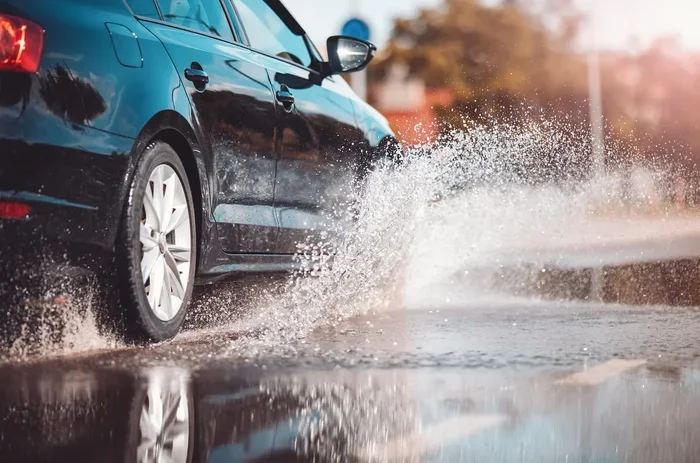
A Car With Vertical Windshield Moves in a Rain Scene
A car with vertical windshield moves in a rain creates one of the most visually striking scenes in automotive photography and film. This classic design element evokes nostalgia, drama, and timeless elegance. Whether you are a car enthusiast, photographer, or creative storyteller, understanding this aesthetic opens up a world of inspiration. We will explore the design history, visual appeal, photography techniques, and cultural impact of rain scenes featuring upright windshield vehicles. You will learn how to capture and appreciate this iconic look like a pro.
There is something magical about a car with a vertical windshield moving through rain. The glass stands tall and straight. Water beads slide across the surface. The road below glistens with reflected light. This combination creates a scene that feels both nostalgic and cinematic.
For decades, car designers built vehicles with upright windshields. These cars looked bold and distinctive. Today, they are celebrated by enthusiasts and photographers alike. When rain enters the picture, the entire scene transforms into something truly artistic. In this article, we will dive deep into this fascinating topic.
You will learn about the design history, visual appeal, and cultural significance of these scenes. Whether you are a car lover, a photographer, or simply someone who appreciates beauty, this guide has something for you. Let us explore the world of vertical windshields and rain together.
Key Takeaways
- Vertical windshields define a classic era: Older cars featured upright glass that gave vehicles a distinctive, bold look that still turns heads today.
- Rain adds cinematic depth: Water on glass and wet roads creates reflections, mood, and atmosphere that elevate any car scene dramatically.
- Photography techniques matter: Shooting a car with vertical windshield in rain requires the right angle, lighting, and camera settings for best results.
- Design evolution changed everything: Modern windshields are sloped for aerodynamics, but vertical styles remain beloved for their retro charm.
- Pop culture loves this look: Movies, ads, and art frequently use rain-and-vertical-windshield scenes to convey emotion and nostalgia.
- You can recreate this aesthetic: With simple tips and a rainy day, anyone can capture stunning images of upright-windshield cars in the rain.
📑 Table of Contents
- What Makes a Car With Vertical Windshield Special in Rain
- The History of Vertical Windshield Design
- Capturing the Perfect Rain Scene with a Vertical Windshield Car
- The Cinematic and Cultural Appeal
- Common Mistakes to Avoid When Shooting Rain Car Scenes
- Why This Aesthetic Continues to Inspire
- How to Recreate This Scene on a Budget
- Expert Insights on Vertical Windshield Rain Aesthetics
- Conclusion
What Makes a Car With Vertical Windshield Special in Rain
The design of a car shapes how we perceive it. A vertical windshield gives a vehicle a tall, commanding presence. When rain falls on that glass, the effect is extraordinary. Each droplet catches the light. The reflections dance across the surface. The scene feels alive and dramatic.
Modern cars use sloped windshields for aerodynamics. They cut through the air smoothly. But vertical windshells tell a different story. They belong to an era when style mattered as much as function. These vehicles stand out on any road, and even more so in the rain.
The Visual Appeal of Upright Glass
Vertical windshields create strong lines. Those lines contrast beautifully with falling rain. The straight glass frame acts like a canvas. Water streaks across it like brushstrokes. The result is a picture that feels both raw and polished.
Photographers love this combination for several reasons:
- Strong contrast: The vertical lines of the glass contrast with the diagonal fall of rain.
- Reflections: Wet roads mirror city lights, headlights, and streetlamps through the upright glass.
- Mood: Rain adds emotion. A car with a vertical windshield in rain feels like a scene from a classic film.
- Simplicity: The clean, tall glass panel creates a minimalist yet powerful visual.
How Rain Interacts with Vertical Glass
Rain behaves differently on vertical surfaces compared to angled ones. On a tilted windshield, water slides off quickly. But on a vertical glass panel, droplets cling longer. They roll down slowly. They pool at the bottom. This creates a textured, layered look that is incredibly photogenic.
Water droplets on vertical glass also distort what is behind them. This adds depth and mystery to any image. Headlights become soft orbs. Street signs blur into colorful shapes. The car itself becomes a frame within a frame. This natural framing effect is one reason why rain scenes with upright windshields captivate viewers.
The History of Vertical Windshield Design
Cars did not always have sloped windshields. In the early days of automobile design, glass panels stood almost straight up. This was true for many vehicles built between the 1930s and 1960s. The design was simple and cost-effective. It also gave drivers a clear, unobstructed view of the road ahead.
Early Automotive Design and Flat Glass
In the 1930s, car manufacturers used flat, vertical glass. Vehicles like the 1930s Auburn and the 1940s Mercury had tall, upright windshields. These cars looked elegant and imposing. The vertical glass made the front end appear longer and more dramatic.
During this era, engineers had not yet fully explored aerodynamics. Windshields were shaped more for visibility and cost than for air resistance. As a result, the vertical design remained popular for many years. It became a signature look of classic American and European automobiles.
The Shift to Sloped Windshields
By the 1970s, car design changed significantly. Engineers understood that sloped windshields reduced drag. They improved fuel efficiency. They also lowered the center of gravity, making cars feel more stable at high speeds.
But this shift did not erase the love for vertical windshields. Enthusiasts and collectors still prize cars from the upright-glass era. These vehicles represent a time when design was bold and unapologetic. When you see a car with a vertical windshield moving in rain, you are witnessing automotive history come alive.
Capturing the Perfect Rain Scene with a Vertical Windshield Car
If you want to photograph or film a car with a vertical windshield in rain, preparation matters. The right technique can turn an ordinary rainy day into a stunning visual story. Let us walk through the essential steps.
Choosing the Right Vehicle
Not every car has a vertical windshield. To capture this look, you need a vehicle from the classic era. Some excellent choices include:
- 1950s American classics: Think of a 1957 Chevrolet Bel Air or a 1955 Ford Thunderbird. Their tall, flat glass panels are perfect for rain scenes.
- Vintage European models: Cars like the Jaguar E-Type or Porsche 356 feature upright windshields with elegant curves.
- Classic sedans: Many 1940s and 1950s sedans have beautifully tall vertical windshields that create striking silhouettes.
When selecting a vehicle, look for clean, well-maintained glass. Any scratches or chips will show up dramatically in rain. A polished windshield enhances the entire scene.
Camera Settings and Techniques
Getting the shot right requires some technical knowledge. Here are practical tips for photographing or filming a car with vertical windshield in rain:
- Use a slow shutter speed: This captures the motion of rain streaks beautifully. Try 1/30s to 1/60s for creative blur.
- Shoot during golden hour: The warm, low light adds a magical glow to wet surfaces and glass.
- Focus on reflections: Wet roads reflect light. Position your angle to capture these reflections through the vertical glass.
- Use a polarizing filter: This reduces glare on the windshield and enhances the wet look of the car body.
- Try low angles: Shooting from near the ground makes the car look powerful and dramatic against the rainy sky.
Lighting Tips for Rainy Car Scenes
Rain scenes thrive on lighting. Overcast days provide soft, even illumination. But for maximum drama, try shooting at dusk or dawn. Streetlights and headlights create pools of warm light on wet pavement. These reflections bounce off the vertical glass and add depth to your image.
Avoid harsh midday sun. It creates unflattering highlights on wet glass. Instead, embrace the soft, diffused light that rain naturally provides. This is what gives rain car scenes their signature moody atmosphere.
The Cinematic and Cultural Appeal
A car with a vertical windshield moving in rain has appeared in countless films, advertisements, and artworks. This combination carries powerful emotional weight. It speaks to themes of nostalgia, solitude, elegance, and movement.
Rain Scenes in Classic Cinema
Filmmakers have long used cars with upright windshields in rainy scenes to set a mood. Think of classic film noir. The tall glass panels frame the driver like a portrait. Rain streaks down the windshield suggest urgency, mystery, or melancholy. These images stay with viewers long after the credits roll.
In modern cinema, directors occasionally revive this look for period pieces or artistic sequences. The vertical windshield signals a bygone era. Paired with rain, it instantly transports the audience to another time and place.
Advertising and Brand Storytelling
Car brands also leverage this aesthetic in advertising. A vintage car with a vertical windshield driving through rain suggests heritage, craftsmanship, and timeless style. Luxury brands especially use this imagery to evoke emotion and aspiration.
Some perfume and fashion campaigns borrow this visual language too. The car becomes a prop for a larger story about elegance and atmosphere. The rain adds texture and feeling that static images simply cannot achieve.
Common Mistakes to Avoid When Shooting Rain Car Scenes
Even experienced photographers make mistakes with rain car scenes. Here are some pitfalls to watch out for:
Ignoring the Background
The background matters as much as the car itself. A cluttered or distracting backdrop can ruin an otherwise perfect shot. Look for clean walls, open skies, or simple streets. The vertical windshield should be the hero of the frame.
Overlooking Water Details
Rain is not just about falling drops. Pay attention to puddles, water trails on the car body, and mist around the wheels. These details add realism and depth. A car with a vertical windshield parked next to a puddle that reflects its tall glass shape creates a powerful composition.
Using the Wrong Gear
Shooting in rain requires protection for your equipment. Use weather-sealed cameras or rain covers. Also, avoid auto-focus that struggles in low light or rain. Switch to manual focus for sharper results when water droplets are in the foreground.
Forgetting the Human Element
Sometimes the best rain car scenes include a person. A driver leaning against a classic car with a vertical windshield in rain tells a story. It adds scale, emotion, and narrative to the image. Do not underestimate the power of a human figure in your composition.
Why This Aesthetic Continues to Inspire
The appeal of a car with vertical windshield moving in rain does not fade. It endures because it taps into something universal. We all feel a connection to rain. It is calming, melancholic, and beautiful at the same time. When you add a classic car with tall glass to that mix, the result is pure visual poetry.
This aesthetic also connects to the broader world of retro design. Vintage cars represent a time when machines were crafted with more personality. Every curve and line had intention. The vertical windshield was not just functional. It was a design statement. Rain amplifies that statement, adding layers of texture, color, and emotion.
Social media has also fueled interest in this look. Automotive photographers share rain car images regularly. These posts receive high engagement because they are visually stunning and emotionally resonant. The car with a vertical windshield in rain has become a beloved subject across Instagram, Pinterest, and automotive forums.
How to Recreate This Scene on a Budget
You do not need a vintage luxury car or a professional studio to capture this look. Here are practical steps to recreate a car with vertical windshield rain scene on a budget:
- Find a classic car: Check local car shows, classifieds, or car clubs. Many owners rent their vehicles for photography sessions.
- Wait for rain: You do not need a storm. Light rain or even a recent shower works best. Roads should be wet but not flooded.
- Choose the right location: A quiet street with warm streetlights or a simple garage with good lighting can work wonders.
- Bring a spray bottle: If it is not raining, you can mist the car and windshield yourself. This gives you control over water placement.
- Use a smartphone: You do not need an expensive camera. Modern smartphones capture stunning rain scenes with the right lighting and angle.
The key is to experiment. Try different angles, times of day, and water levels. Each attempt will teach you something new about this beautiful aesthetic.
Expert Insights on Vertical Windshield Rain Aesthetics
Professional automotive photographers often share a common thought about this subject. They say that a vertical windshield acts as a natural mirror. Rain enhances that mirror effect. The glass reflects the world around it, creating layers of visual interest. This is what separates a simple car photo from a truly compelling image.
Design historians also point out that the vertical windshield represents a specific philosophy. It values clarity over efficiency. It prioritizes presence over speed. When rain falls on that kind of design, it softens the hard edges. It adds a sense of movement and life to something that is otherwise still and solid.
Many experts recommend visiting classic car museums on rainy days. The combination of indoor lighting and wet exteriors creates natural rain-like conditions. You can practice your photography skills and study the design details up close. It is one of the best ways to deepen your appreciation for this timeless aesthetic.
Conclusion
A car with a vertical windshield moving in rain is more than a visual image. It is a feeling. It is a moment frozen in time. It combines the elegance of classic design with the raw beauty of nature. Whether you are photographing it, filming it, or simply admiring it, this scene never fails to impress.
The vertical windshield represents an era when cars were bold and expressive. Rain adds mood, depth, and atmosphere. Together, they create something truly special. We hope this guide has given you a deeper understanding and appreciation for this iconic combination.
Next time it rains, look out your window. Or better yet, grab your camera and head out. You might just find the perfect car with a vertical windshield waiting for you. The scene is there. All you need is the eye to see it and the courage to capture it.
Frequently Asked Questions
Why do older cars have vertical windshields?
Older cars featured vertical windshields because early automotive design focused on simplicity and visibility. Engineers had not yet prioritized aerodynamics, so they used flat, upright glass panels. This design was also cheaper to produce and easier to manufacture. Over time, it became a signature style of classic automobiles from the 1930s through the 1960s.
Can I photograph a car with a vertical windshield in rain using a smartphone?
Absolutely. Modern smartphones have excellent cameras that handle low light and rain scenes well. Use portrait mode for background blur, and try shooting during golden hour for warm, soft lighting. A simple trick is to wipe a small area of the windshield clean to create a clear reflection point. This adds depth to your smartphone rain car photos.
What type of car looks best in a rain scene with a vertical windshield?
Classic American sedans and sports cars from the 1950s and 1960s look incredible in rain. Vehicles like the Chevrolet Bel Air, Ford Thunderbird, and Jaguar E-Type have tall vertical windshields that create stunning reflections. The key is choosing a car with clean glass and a well-maintained body for the best visual impact.
How does rain affect the appearance of a vertical windshield?
Rain transforms a vertical windshield into a dynamic visual element. Water beads cling to the upright glass, creating texture and movement. Droplets distort reflections behind the glass, adding mystery and depth. The tall, flat surface of a vertical windshield catches rain differently than angled modern windshields, resulting in a unique and photogenic look.
What camera settings work best for shooting a car in the rain?
Use a slow shutter speed around 1/30s to 1/60s to capture rain streaks creatively. Set your aperture to f/2.8 to f/5.6 for a blurred background and sharp car focus. Increase ISO slightly to compensate for lower light. A polarizing filter helps reduce glare on the wet glass and enhances colors in the rainy scene.
Is a vertical windshield less safe than a modern sloped windshield?
Vertical windshields from older cars offer less aerodynamic efficiency and can create more wind noise at high speeds. Modern sloped designs reduce drag and improve stability. However, vertical windshields still meet safety standards for their era. Today, they are appreciated more for their classic design and nostalgic charm than for everyday driving practicality.
=== QUICK SUMMARY ===
A car with vertical windshield moves in a rain scene is one of the most captivating subjects in automotive photography and design. This classic aesthetic combines bold upright glass with the natural drama of rainfall, creating images that feel timeless and cinematic. Understanding the history, techniques, and cultural significance of this look empowers enthusiasts and photographers to capture truly stunning visuals. The beauty of a vertical windshield car in the rain lies in its simplicity, its reflections, and the emotion it evokes. Whether you are shooting for a portfolio or simply appreciating the art, this guide gives you everything you need to see and capture this iconic scene with confidence and creativity.