Air Conditioner Kit for Cars Everything You Need to Know
An air conditioner kit for cars is a complete cooling solution that keeps your vehicle comfortable in hot weather. Whether you drive a classic car without factory AC or need a replacement system, the right kit makes a huge difference. This guide covers everything from types and features to installation and maintenance.
Driving in a hot car is no fun at all. The sweat, the discomfort, the fogged-up windows — it all adds up fast. That is where an air conditioner kit for cars comes in. Whether you own a classic vehicle that never had air conditioning or your current system is on its last breath, a car AC kit can transform your driving experience.
But with so many options out there, how do you know which one is right for you? What should you look for? And can you actually install it yourself? This guide answers all of those questions and more. We will walk you through everything you need to know about car air conditioner kits in plain, simple language.
By the end of this article, you will understand the different types of kits available, how they work, what to consider before buying, and how to keep your system running strong for years. Let us dive in.
Key Takeaways
- Multiple kit types exist: portable, full-system replacement, and retrofit kits fit different needs and budgets.
- Key components include a compressor, condenser, evaporator, and refrigerant lines.
- Installation difficulty varies from simple plug-and-play portable units to full DIY or professional installs.
- Regular maintenance like cleaning filters and checking refrigerant levels keeps your car AC running smoothly.
- Cost ranges widely from under $100 for portable units to over $1,000 for full system kits.
- Common mistakes include wrong sizing and skipping proper sealing during installation.
📑 Table of Contents
What Is an Air Conditioner Kit for Cars?
An air conditioner kit for cars is a self-contained system or set of components designed to cool the interior of a vehicle. These kits range from simple portable units you plug into a cigarette lighter to full-blown replacement systems that mimic factory-installed AC.
The basic idea is the same across all types. A car AC compressor pressurizes a refrigerant gas, which then absorbs heat from inside the car and releases it outside. This cycle repeats continuously to keep your cabin cool and comfortable.
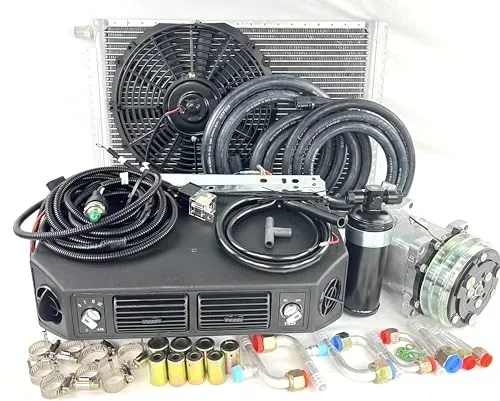
Most kits include the essential parts you need. These typically cover a car AC condenser, an evaporator unit, refrigerant lines, a compressor, and a mounting bracket. Some kits also come with a car AC evaporator and all the wiring harnesses you need for a clean install.
People buy these kits for many reasons. Classic car owners often add AC for the first time. Others need a full automotive AC kit because their original system broke down beyond repair. And some drivers want a portable car AC unit as a supplemental cooling option for hot days.
How Car AC Systems Work
Understanding how a car cooling system works helps you make better buying decisions. The process has four main steps:
- The compressor squeezes the refrigerant into a high-pressure gas.
- The car AC condenser releases that heat outside the vehicle.
- The refrigerant cools down and turns into a liquid.
- The car AC evaporator absorbs heat from inside the car, blowing cool air through the vents.
Every vehicle AC unit follows this same basic cycle. The difference lies in the type of kit and how it is powered. Some use the car engine for energy, while others run on electricity or battery power.
Types of Air Conditioner Kits for Cars
Not all car AC kits are the same. There are three main categories, and each serves a different purpose. Let us break them down.
Portable Car AC Units
A portable air conditioner for car is the simplest option. These are standalone units that sit on your dashboard or hang from a window. They plug into your car’s power outlet and blow cool air directly into the cabin.
Pros:
- Easy to install — no tools needed
- Affordable, usually under $150
- Works in any vehicle
- Great for supplemental cooling
Cons:
- Less powerful than full systems
- Takes up dashboard or window space
- Not as effective in extreme heat
Full Replacement AC Kits
A full car air conditioner replacement kit replaces your entire AC system. This is the option for classic car owners or anyone whose factory AC is completely dead. These kits include every major component needed for a complete DIY car AC installation.
Pros:
- Delivers factory-like cooling performance
- Professional-grade results
- Long-lasting and durable
Cons:
- Higher cost, often $500 to $1,500
- Requires mechanical skill or professional help
- More complex installation process
Retrofit AC Kits
Retrofit car AC kits are designed for vehicles that never had air conditioning from the factory. They are pre-configured to fit specific makes and models, making the car AC installation process smoother. Popular brands like Vintage Air and Classic Auto Air specialize in these kits.
Pros:
- Designed for a specific vehicle model
- Cleaner look than DIY setups
- Includes mounting hardware and wiring
Cons:
- Priced higher than universal kits
- May still require professional fitting
How to Choose the Right Air Conditioner Kit for Cars
Choosing the right air conditioner kit for cars depends on several factors. Here is what you should consider before making a purchase.
Consider Your Vehicle Type
The make and model of your car matters a lot. A compact sedan has different cooling needs than a full-size truck or a classic muscle car. Make sure the kit you choose is compatible with your vehicle’s size and interior space.
For classic cars, look for retrofit AC kits that match your specific model year. For modern vehicles, a full replacement car AC kit from a reputable brand will give you the best results.
Think About Your Budget
Car AC kit cost varies widely. Here is a quick comparison to help you plan:
| Kit Type | Price Range | Best For |
|---|---|---|
| Portable Car AC | $50 – $150 | Supplemental cooling, renters, budget buyers |
| Universal Full Replacement | $300 – $800 | DIY enthusiasts with mechanical skills |
| Model-Specific Retrofit | $500 – $1,500 | Classic car owners wanting clean installs |
| Professional Install Kit | $1,000 – $2,500 | Turnkey solutions with expert support |
Keep in mind that the car AC kit price does not always include installation costs. If you plan to hire a professional, add $200 to $500 for labor.
Check the Components Included
A quality automotive AC kit should include all the major parts you need. Look for kits that contain:
- Compressor — the heart of the system
- Condenser and evaporator — for heat exchange
- Refrigerant lines and fittings
- Mounting brackets and hardware
- Wiring harness and electrical connections
- Receiver-dryer or accumulator
If a kit is missing key components, you will need to source them separately. That adds cost and complexity to your car air conditioner installation.
Look for Warranty and Support
Always check the warranty before buying. A good car AC kit should come with at least a one-year warranty. Some premium brands offer lifetime warranties on certain parts. Customer support matters too — especially if you are tackling a DIY car AC installation for the first time.
Step-by-Step Installation Guide
Installing an air conditioner kit for cars can be a rewarding project if you enjoy working with your hands. However, the difficulty level depends on the type of kit. A portable unit takes minutes. A full replacement system can take a full weekend or more.
Installing a Portable Car AC Unit
This is the easiest option. Here is how to do it:
- Place the unit on your dashboard or secure it with the included bracket.
- Plug the unit into your car’s 12V power outlet.
- Adjust the fan speed and temperature settings.
- Position the exhaust hose to vent hot air outside through a window or vent.
- Turn it on and enjoy the cool air.
Quick Tip: Make sure the exhaust hose is as straight as possible. Kinks reduce efficiency and make the unit work harder.
Installing a Full Replacement AC Kit
A full car air conditioner replacement kit requires more work. Here are the general steps:
- Remove the old AC components, including the compressor, condenser, and evaporator.
- Flush the refrigerant lines to remove any debris or old refrigerant.
- Mount the new car AC condenser in front of the radiator.
- Install the compressor and secure it with the provided brackets.
- Connect the car AC evaporator inside the cabin, usually under the dashboard.
- Run the refrigerant lines and connect all fittings.
- Install the receiver-dryer or accumulator.
- Evacuate the system using a vacuum pump to remove moisture and air.
- Charge the system with the correct refrigerant.
- Test the system and check for leaks.
Expert Insight: If you have never worked on automotive AC systems before, consider watching several installation videos for your specific vehicle. The car AC installation process involves handling refrigerant, which requires proper certification in many regions.
Common Mistakes During Installation
Avoid these common errors when installing your vehicle AC unit:
- Skipping the vacuum step — moisture in the system causes ice buildup and poor cooling.
- Using the wrong refrigerant — always check your kit specifications.
- Undersizing the compressor — this leads to weak cooling and early failure.
- Loose fittings — even a small leak can ruin your entire system.
- Ignoring the wiring — improper electrical connections can damage the compressor clutch.
Common Problems with Car AC Kits
Even the best air conditioner kit for cars can run into issues. Here are the most common problems and how to fix them.
Weak or Warm Air
If your car AC cooling is not cold enough, the most likely cause is low refrigerant. Over time, small leaks can reduce the charge in your system. You can recharge the refrigerant yourself using a car AC recharge kit from any auto parts store.
Other causes of weak cooling include a clogged condenser, a failing compressor, or a blocked evaporator. Inspect each component to find the root cause.
Strange Noises
Grinding, squealing, or rattling sounds usually point to a worn compressor or loose mounting brackets. If the car AC compressor makes noise when you turn on the AC, have it checked soon. Ignoring it can lead to a complete compressor failure.
Water Leaks Inside the Car
A small amount of water under the dashboard is normal. It comes from the car AC evaporator condensation. But if you see a large puddle or a sweet smell, you may have a refrigerant leak. Check your lines and fittings for visible signs of moisture or oil residue.
AC Compressor Not Engaging
If the compressor does not turn on at all, check the fuse and relay first. A faulty car AC clutch or low refrigerant can also prevent engagement. Sometimes the issue is as simple as a bad ground wire.
Maintaining Your Car Air Conditioner Kit
Regular car AC maintenance keeps your system running efficiently and extends its lifespan. A well-maintained automotive AC kit can last for many years without major issues.
Simple Maintenance Tips
- Run your AC regularly — even in winter. This keeps the seals lubricated and prevents them from drying out.
- Change or clean the cabin filter — a dirty filter reduces airflow and cooling performance.
- Check refrigerant levels annually. Low refrigerant is the number one cause of poor car AC cooling.
- Inspect the condenser — remove any debris like leaves or dirt that can block airflow.
- Listen for unusual sounds — catching problems early saves you from expensive repairs.
When to Call a Professional
Some car AC troubleshooting tasks are best left to professionals. If you notice a persistent refrigerant leak, a compressor that makes loud noises, or electrical issues, a certified technician can diagnose and fix the problem safely.
Regular car AC maintenance visits — once a year or every 15,000 miles — can also help catch small issues before they become big expenses. Think of it as an oil change for your cooling system.
Cost of Car AC Repairs
The car AC repair cost depends on what is broken. A simple refrigerant recharge costs $100 to $200. Compressor replacement can run $400 to $1,000. Replacing the car AC condenser or car AC evaporator typically falls between $300 and $800. Regular maintenance helps you avoid most of these costs.
Frequently Asked Questions
Can I install an air conditioner kit for cars myself?
Yes, you can install a portable car AC unit yourself with no tools or experience. For a full replacement kit, basic mechanical skills and some patience are required. If you have never worked on automotive AC systems, it is wise to watch tutorials or consult a professional for the refrigerant handling portion.
How long does it take to install a full car AC kit?
A DIY car AC installation typically takes one to two full days for someone with experience. Beginners should budget for a weekend or more. The time depends on your vehicle model, the complexity of the kit, and your comfort level with automotive systems.
What refrigerant do modern car AC kits use?
Most modern automotive AC kits use R-134a refrigerant. Some newer vehicles and kits use R-1234yf, which is more environmentally friendly. Always check your kit specifications to use the correct refrigerant type.
Are portable car AC units worth it?
Portable units are worth it if you need supplemental cooling or drive a vehicle without factory AC. They are affordable, easy to install, and effective for mild to moderate heat. However, they cannot match the cooling power of a full vehicle AC unit system.
How often should I recharge my car AC system?
Most car AC systems need a refrigerant recharge every two to three years. If you notice your cooling is getting weaker, check the refrigerant level sooner. Regular recharging keeps your car air conditioner kit performing at its best.
What is the average cost of an air conditioner kit for cars?
The car AC kit price ranges from about $50 for a portable unit to $1,500 or more for a premium full replacement kit. The average cost for a universal full replacement kit is between $300 and $800. Remember to factor in installation costs if you are hiring a professional.
Conclusion
An air conditioner kit for cars is one of the best investments you can make for comfort and safety on the road. Whether you choose a simple portable air conditioner for car or a complete full replacement AC kit, the right system keeps you cool and focused during those hot summer drives.
Take the time to choose the right kit for your vehicle and your budget. Follow proper installation steps carefully. And commit to regular car AC maintenance so your system stays in top shape for years to come.
With the information in this guide, you are now equipped to make a smart decision. Pick the kit that fits your needs, follow the installation steps, and enjoy the comfort of a cool car no matter how high the temperature climbs outside. Your car cooling system is worth the effort.