Can a Diesel Car Be Converted to CNG and Save Money
A diesel car converted to CNG can cut your fuel costs dramatically and reduce harmful emissions. The process involves installing a conversion kit that lets your engine run on compressed natural gas instead of diesel. Many car owners report significant fuel savings within the first year. However, the upfront cost and finding a CNG filling station nearby are important factors to consider. This guide covers everything you need to know before making the switch.
Have you been wondering whether a diesel car converted to CNG is a smart move? You are not alone. Many drivers are looking for ways to slash fuel costs and reduce their environmental impact. The idea of switching from diesel to compressed natural gas sounds appealing, but it raises a lot of questions. Is it even possible? Is it legal? Will you actually save money in the long run?
The short answer is yes. You can convert a diesel car to run on CNG. But the process is not as simple as swapping out a fuel pump. It requires careful planning, the right equipment, and a trusted technician. This guide walks you through every step of the journey. We will look at costs, savings, benefits, risks, and real-world experiences. By the end, you will have a clear picture of whether this switch makes sense for your vehicle and your budget.
Key Takeaways
- Fuel Savings: Converting a diesel car to CNG can reduce fuel costs by 40 to 60 percent compared to diesel prices.
- Conversion Cost: The average cost ranges from $1,000 to $3,000 depending on the kit and vehicle model.
- Environmental Benefits: CNG produces fewer emissions than diesel, helping reduce your carbon footprint.
- Not All Cars Qualify: Older diesel engines and certain models may not be suitable for conversion.
- Finding Fuel Stations: Availability of CNG filling stations varies by location and can affect daily convenience.
- Expert Tip: Always choose a certified conversion specialist to ensure safety and warranty protection.
📑 Table of Contents
What Happens When You Convert a Diesel Car to CNG
Understanding the conversion process is the first step. When you convert a diesel car to CNG, you are essentially changing the fuel system so the engine can burn compressed natural gas instead of diesel. This involves several key components and modifications.
How the Conversion Process Works
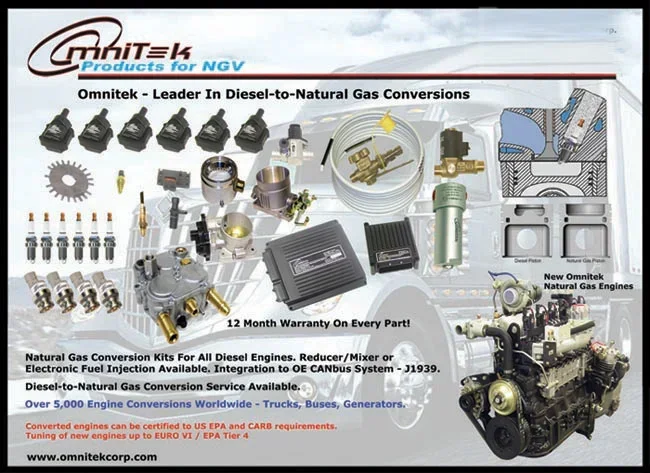
The conversion process starts with installing a CNG conversion kit. This kit typically includes a high-pressure fuel tank, fuel lines, a pressure regulator, and an electronic control unit. The technician mounts the tank in your trunk or under the vehicle. Then they connect it to the engine through a series of fuel lines and regulators.
The electronic control unit plays a crucial role. It manages the fuel-air mixture and ensures the engine runs smoothly on CNG. Some kits are dual fuel systems, meaning the car can switch between diesel and CNG. Others are dedicated CNG systems that only run on natural gas.
What You Need to Know Before Starting
Not every diesel car is a good candidate for conversion. The engine type, age, and condition matter a lot. Here are some key factors to consider before you start:
- Engine Compatibility: Older diesel engines with mechanical fuel injection tend to convert more easily than modern electronic ones.
- Vehicle Age: Cars that are 10 years old or younger often have better conversion options.
- Engine Condition: A well-maintained engine will perform better after conversion than one that is already worn out.
- Local Regulations: Some regions require certification or inspections for converted vehicles.
- Warranty Status: Converting your car may void the manufacturer warranty on the engine.
Expert Insight
Many conversion specialists recommend converting diesel cars that are at least five years old. Newer vehicles with complex electronic systems can be more challenging and expensive to convert. Always consult a certified professional before making a decision.
The Cost of Converting Diesel to CNG
Money is the big question for most car owners. How much does it actually cost to convert a diesel car to CNG? The answer depends on several factors, including your vehicle model, the type of kit you choose, and labor costs in your area.
Breakdown of Conversion Costs
The total cost of a diesel-to-CNG conversion typically falls between $1,000 and $3,000. Here is a rough breakdown of what you can expect:
- CNG Conversion Kit: $600 to $1,800 depending on brand and type.
- CNG Fuel Tank: $300 to $800 for a standard-capacity tank.
- Labor Costs: $200 to $500 for professional installation.
- Additional Parts: $100 to $300 for fuel lines, regulators, and fittings.
Keep in mind that these are average figures. The actual cost can be higher for luxury vehicles or complex engine types. Some kits also require additional tuning or ECU remapping, which adds to the expense.
Quick Tips to Reduce Expenses
You can save money during the conversion process with a few smart moves:
- Get quotes from at least three conversion shops in your area.
- Look for manufacturer rebates or incentives for alternative fuel conversions.
- Consider a used CNG tank if it meets safety standards.
- Ask about package deals that include the kit and installation together.
- Check if your local government offers tax credits for CNG conversions.
Fuel Savings and Long-Term Benefits
This is where the real appeal of a diesel car converted to CNG shines. The fuel savings can be substantial, especially for drivers who put a lot of miles on their vehicle.
CNG vs Diesel Fuel Cost Comparison
CNG is significantly cheaper than diesel in most markets. On average, CNG costs about 40 to 60 percent less per gallon equivalent than diesel fuel. This means that even with the upfront conversion cost, many drivers see a return on their investment within one to two years.
Here is a simple comparison of what you can expect:
| Factor | Diesel | CNG |
|---|---|---|
| Average Fuel Cost per Gallon Equivalent | $3.50 – $5.00 | $1.50 – $2.50 |
| Annual Fuel Cost (15,000 miles) | $1,800 – $2,500 | $900 – $1,500 |
| Conversion Cost | N/A | $1,000 – $3,000 |
| Break-Even Point | N/A | 12 – 24 months |
| Engine Maintenance Cost | Moderate | Lower |
| Emissions Level | Higher | Lower |
How Much Can You Really Save?
The fuel savings depend on your driving habits and local fuel prices. If you drive 15,000 miles per year and spend $2,000 annually on diesel, switching to CNG could save you $800 to $1,200 per year. Over five years, that is $4,000 to $6,000 in savings. After subtracting the conversion cost, you could come out well ahead.
Many drivers who have completed a diesel engine conversion report feeling the difference immediately. The engine runs smoother, and the exhaust smell is noticeably less pungent. CNG also burns cleaner, which means less carbon buildup in the engine over time.
Quick Tips
Track your fuel consumption for a month before conversion. This gives you a baseline to measure your actual savings after the switch. Use a fuel tracking app or simply keep a log in your phone.
Pros and Cons of Diesel-to-CNG Conversion
Every conversion has its advantages and disadvantages. Let us take a balanced look at both sides so you can make an informed decision.
The Advantages
- Lower Fuel Costs: CNG is much cheaper than diesel, leading to significant monthly savings.
- Reduced Emissions: CNG burns cleaner than diesel, producing fewer harmful pollutants.
- Engine Longevity: Cleaner combustion means less wear on engine components over time.
- Quieter Operation: CNG engines tend to run quieter than diesel engines.
- Energy Independence: CNG is often produced domestically, reducing reliance on imported oil.
- Tax Benefits: Some regions offer tax credits or incentives for alternative fuel vehicles.
The Drawbacks to Consider
- Upfront Cost: The conversion kit and installation can be expensive upfront.
- Limited Fuel Stations: CNG filling stations are not available everywhere, especially in rural areas.
- Reduced Cargo Space: The CNG tank takes up trunk or undercarriage space.
- Lower Range: CNG has a lower energy density than diesel, so you may need to refuel more often.
- Warranty Concerns: The conversion may void your original manufacturer warranty.
- Safety Considerations: A high-pressure fuel tank requires proper installation and maintenance.
Common Mistakes to Avoid
Many people rush into a diesel car converted to CNG without doing proper research. Avoiding these common mistakes can save you time, money, and headaches.
Skipping the Research Phase
The biggest mistake is not researching enough before starting. You need to understand your vehicle’s compatibility, the type of kit that works best, and the local regulations. Rushing into a conversion without proper knowledge can lead to poor performance and wasted money.
Take the time to read reviews, watch installation videos, and talk to other car owners who have made the switch. Knowledge is your best investment before spending any money on the conversion itself.
Choosing the Wrong Kit
Not all CNG conversion kits are created equal. Some are designed for specific engine types, while others are more universal. Buying the cheapest kit without checking compatibility is a recipe for problems.
Make sure the kit you choose is compatible with your vehicle model and engine type. Look for kits that come with warranties and have good customer reviews. A quality conversion kit might cost more upfront but will save you from expensive repairs later.
Ignoring After-Sales Service
Many people forget about after-sales support. What happens if something goes wrong with the conversion? Choose a conversion shop that offers follow-up service and support. A good technician will adjust the system after the initial installation to ensure optimal performance.
Expert Insight
Experienced mechanics advise scheduling a follow-up inspection two weeks after conversion. This allows the technician to fine-tune the system and catch any issues early. Regular maintenance of the CNG system is just as important as maintaining your engine.
Expert Insights and Real-World Experiences
What do real car owners and professionals have to say about converting diesel cars to CNG? Let us look at some practical insights.
What Mechanics Say
Most certified mechanics agree that a diesel-to-CNG conversion is a viable option for the right vehicle. They emphasize the importance of choosing a reputable conversion shop and using high-quality components.
Many mechanics also note that older diesel engines with mechanical fuel systems are the easiest to convert. Modern diesel engines with electronic fuel injection require more complex modifications and specialized kits. Always ask your mechanic about their experience with CNG conversions before committing.
Owner Testimonials
Car owners who have made the switch often report positive experiences. One taxi driver in a major city shared that his diesel car converted to CNG saved him over $200 per month in fuel costs. Another owner noted that the engine felt smoother and the exhaust was much less noticeable.
Of course, not every experience is perfect. Some owners have reported issues with CNG tank durability or difficulty finding filling stations. These challenges are real but manageable with proper planning.
Is Converting Your Diesel Car to CNG Worth It?
The answer depends on your personal situation. If you drive a lot of miles, live in an area with affordable CNG and accessible filling stations, and own a compatible diesel vehicle, the conversion can be a great financial and environmental decision.
On the other hand, if you drive short distances, live in a rural area without CNG stations, or own a newer vehicle with a complex engine, the conversion may not be the best choice. Weigh the pros and cons carefully based on your driving habits and local infrastructure.
The return on investment for a diesel car converted to CNG is generally positive for high-mileage drivers. The fuel savings add up quickly, and the environmental benefits are meaningful. But it is not a one-size-fits-all solution. Do your homework, consult a professional, and make a decision that fits your needs.
Remember that the automotive landscape is always changing. More CNG filling stations are being built every year, and conversion technology continues to improve. What might not be practical today could be a much better option in a few years. Keep an eye on developments in alternative fuel infrastructure in your area.
Whether you decide to convert or not, understanding your options empowers you as a car owner. The knowledge you gain from exploring a diesel car converted to CNG helps you make smarter decisions about fuel, maintenance, and vehicle ownership in general.
Frequently Asked Questions
Can any diesel car be converted to CNG?
Not every diesel car is suitable for conversion. Older engines with mechanical fuel systems convert more easily than modern electronic ones. Vehicle compatibility depends on the engine type, age, and overall condition. Always consult a certified conversion specialist to evaluate your specific car before proceeding.
How long does a diesel to CNG conversion take?
A typical conversion takes between two and five days, depending on the vehicle model and the complexity of the installation. Some straightforward conversions can be completed in a single day, while others with custom tank placements or advanced electronic systems may take longer. Ask your conversion shop for an estimated timeline before starting the work.
Does converting to CNG void the car warranty?
In most cases, a CNG conversion can void the manufacturer warranty on the engine and fuel system. However, some manufacturers may honor the warranty for non-conversion-related issues. Check your warranty terms carefully and discuss the implications with both the manufacturer and the conversion specialist before proceeding.
How safe is a CNG tank in a passenger vehicle?
CNG tanks are designed with multiple safety features including pressure relief valves, impact-resistant materials, and leak detection systems. When installed by a certified professional and maintained properly, CNG tanks are very safe. Regular inspections ensure the tank and fuel lines remain in good condition over time.
What is the lifespan of a CNG conversion kit?
A quality CNG conversion kit can last between 100,000 and 150,000 miles with proper maintenance. The CNG tank itself typically has a lifespan of 15 to 20 years or more. Regular inspections and timely replacements of worn components like fuel filters and seals help extend the overall system life.
Are there government incentives for converting to CNG?
Some regions offer tax credits, rebates, or other incentives for alternative fuel vehicle conversions. These programs vary widely by country, state, and local jurisdiction. Check with your local transportation authority or energy department to find out what incentives may be available in your area.
=== CONCLUSION ===
Converting a diesel car to CNG is a practical option for many drivers who want to save money and reduce their environmental impact. The process requires an upfront investment, but the long-term fuel savings and lower maintenance costs can make it well worth the effort. A diesel car converted to CNG offers cleaner combustion, quieter operation, and significant fuel cost reductions over time.
As with any major vehicle modification, doing your research is essential. Choose a certified conversion specialist, select a high-quality kit, and understand the local fuel infrastructure before committing. The decision to convert should be based on your driving habits, budget, and access to CNG filling stations.
If you have been on the fence about making the switch, now is a great time to explore your options. Talk to a professional, get a few quotes, and weigh the benefits against the costs. With the right approach, converting your diesel car to CNG can be a smart move that pays off for years to come.