Can You Negotiate on a Factory-Order Car Right Now
Yes, you can negotiate on a factory-order car, but the process works differently than buying one off the lot. A factory-order vehicle is built to your exact specs, which means the dealer has less room to offer discounts. However, smart car buyers still find ways to save through dealer holdback, manufacturer incentives, and strategic timing. This guide breaks down every angle of negotiating a factory-order car so you can make a confident purchase decision.
You have your eye on a specific car. The color is perfect. The trim level is exactly what you want. The options are spot on. So you go to the dealership and ask them to order it from the factory. But then comes the big question — can you negotiate on a factory-order car? The short answer is yes. The longer answer is that it works differently than buying a car that is already sitting on the lot.
When you buy a factory-order vehicle, you are essentially telling the dealer, “Build this exact car for me.” The dealer doesn’t have to discount something they already own. They don’t have to worry about carrying inventory or losing money on a car sitting in their lot for months. That gives them less incentive to cut you a deal. But that does not mean all hope is lost.
There are many ways to save money on a custom car order. You just need to know how the system works, where the leverage is, and what strategies to use. In this article, we will walk you through everything you need to know about negotiating a factory-order car. By the end, you will feel confident walking into any dealership and getting the best possible deal.
Key Takeaways
- You can negotiate factory-order cars: Dealers still have some wiggle room even on custom-ordered vehicles.
- Know your numbers: Understanding invoice price, MSRP, and dealer holdback gives you a huge advantage.
- Timing matters: End of month, end of quarter, and end of model year are the best times to negotiate.
- Factory-order vs. dealer stock: Factory orders offer customization but fewer discounts compared to in-stock vehicles.
- Use online tools: Build and price tools, car buying services, and price comparison sites help you negotiate smarter.
- Avoid common mistakes: Don’t skip the research, rush the deal, or ignore hidden fees like the destination charge.
📑 Table of Contents
- What Is a Factory-Order Car?
- Can You Negotiate on a Factory-Order Car?
- Understanding the Numbers: MSRP, Invoice Price, and More
- Best Strategies to Negotiate a Factory-Order Car
- Factory Order vs. Dealer Stock: Which Saves You More?
- Common Mistakes to Avoid When Ordering a Factory Car
- Expert Insights on Factory-Order Car Negotiations
- Key Takeaways
- Conclusion
What Is a Factory-Order Car?
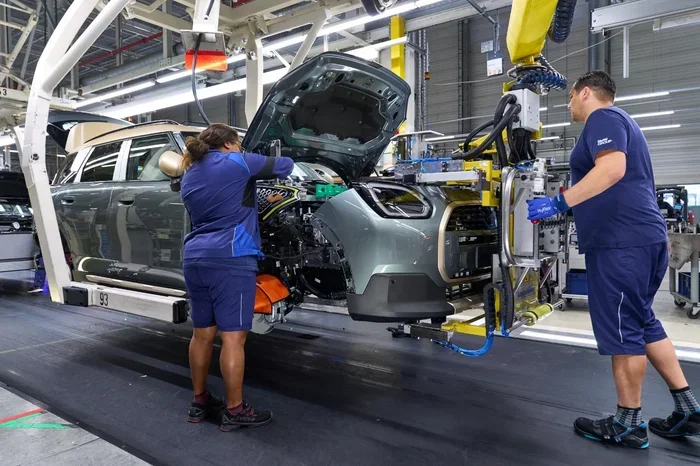
A factory-order car is a vehicle that a customer configures and pays for before it is built at the factory. You choose the color, the interior, the engine, and every option you want. Then the dealer submits the order to the manufacturer. The car is built at a factory and shipped directly to the dealership. You then go pick it up.
This is very different from buying a dealer stock vehicle. Dealer stock is already built, already shipped, and already sitting on the lot. The dealer owns that car. They want to sell it quickly. That is why they are usually more willing to negotiate on in-stock vehicles.
How the Factory Order Process Works
Here is how a factory order vehicle typically comes together:
- You visit the dealership and pick your exact configuration.
- The dealer enters your order into the manufacturer’s system.
- You pay a deposit, usually between $500 and $1,000.
- The factory builds the car on the assembly line.
- The car is shipped to your local dealership.
- You receive a call that your car has arrived.
The whole process can take anywhere from a few weeks to several months. It depends on the car, the options you chose, and how busy the factory is. Some popular configurations build faster because they use parts that are already in the supply chain. Others take longer because they require special ordering of certain components.
Why People Choose Factory Orders
There are some real benefits to ordering a car from the factory:
- Total customization: You get exactly the car you want. No compromises.
- Avoid dealer markups: Some popular models sell above sticker price from dealer stock.
- No hidden dealer mods: You know exactly what is in the car.
- Fresh build: The car is brand new and straight from the factory.
But there is a tradeoff. You give up the ability to drive the car home that day. You also give up some negotiating leverage. That is what this article is all about.
Can You Negotiate on a Factory-Order Car?
This is the big question. And the answer is more nuanced than a simple yes or no. When you buy a factory-order car, you are not negotiating on a product the dealer already owns. You are negotiating on a product that does not even exist yet. That changes the dynamic significantly.
Why Negotiating a Factory-Order Car Is Harder
Dealers have less reason to cut you a deal on a factory order vehicle. Here is why:
- No carrying cost pressure: The dealer does not have to pay to store the car or worry about it depreciating on the lot.
- No discounting needed: In-stock cars sometimes need to be discounted to move inventory. Factory orders do not.
- You set the price: When you configure a car online using the build and price tool, you lock in a specific price. The dealer may feel bound to that price.
- Limited competition: If the car is not in stock anywhere else, the dealer knows you have fewer options.
All of this means the dealer has less incentive to offer you a discount. They know you want that specific car. They know you are willing to wait for it. That puts them in a stronger negotiating position.
Where You Still Have Leverage
But here is the good news. You are not completely powerless. There are several areas where you can still negotiate a factory-order car and save money:
- The vehicle price itself: Even on a factory order, the dealer markup over the factory price is negotiable.
- Fees and charges: Document fees, dealer prep charges, and other add-ons can often be reduced or removed.
- Accessories and extras: If the dealer tries to add aftermarket accessories, those are often negotiable or removable.
- Financing terms: The interest rate and loan terms can be negotiated separately from the car price.
- Trade-in value: Your trade-in is a separate negotiation and a great place to find savings.
The key is to understand that you are negotiating multiple pieces of the deal, not just the sticker price. When you think of it that way, you realize there are many opportunities to save even on a custom car order.
Understanding the Numbers: MSRP, Invoice Price, and More
To negotiate effectively on a factory-order car, you need to understand the pricing structure. The car industry has its own language, and knowing the terms gives you an edge.
MSRP vs. Invoice Price
MSRP stands for Manufacturer’s Suggested Retail Price. This is the sticker price on the window. It is the starting point for most negotiations. But the MSRP is not what the dealer paid for the car.
The invoice price is what the dealer actually paid the manufacturer. This is closer to the real cost of the vehicle. On most cars, the invoice price is several thousand dollars below the MSRP. That gap is where negotiations happen.
For factory-order vehicles, the invoice price is especially important because it shows you what the dealer actually paid. If the dealer is asking for $2,000 over invoice on a car they have not even received yet, that is worth questioning.
Dealer Holdback
Dealer holdback is a percentage of the car’s price that the manufacturer rebates to the dealer after the sale. It typically ranges from 1% to 3% of the MSRP. This means the dealer can sell the car below invoice price and still make a profit.
Here is why this matters for factory order cars. When a dealer knows they can sell at or below invoice and still profit, they have less reason to negotiate hard on price. But knowing about holdback helps you understand their true cost. You can use this information to push back on high markups.
Destination Charge
The destination charge is the fee for shipping the car from the factory to the dealership. This is a non-negotiable fee set by the manufacturer. It is typically listed separately on the price breakdown. Make sure this charge is correct and not inflated when you review your order details.
Retail Price vs. Invoice Price Comparison
| Price Type | What It Means | Negotiable? |
|---|---|---|
| MSRP | Suggested retail price from manufacturer | Yes, always |
| Invoice Price | What the dealer paid the manufacturer | Less room, but still some |
| Dealer Holdback | Rebate dealer gets after sale | Not directly, but affects leverage |
| Destination Charge | Shipping fee from factory | No, this is fixed |
| Dealer Markup | Extra charge over invoice | Yes, this is the main target |
Use this table as a quick reference when you are reviewing your factory order car pricing. Focus your negotiation efforts on the dealer markup and any add-on fees.
Best Strategies to Negotiate a Factory-Order Car
Now that you understand the pricing, let us talk about actual strategies. These are the tactics that work best when you are trying to negotiate on a factory-order car.
1. Do Your Homework Before You Walk In
Knowledge is your biggest weapon. Before you even talk to a dealer, research the following:
- The MSRP for your exact configuration.
- The invoice price for the same configuration.
- The dealer holdback percentage for that model.
- Any manufacturer incentives or factory rebates currently available.
- The destination charge for your region.
Use online tools like the manufacturer’s build and price configurator to get exact numbers. Sites like Edmunds, Kelley Blue Book, and Consumer Reports also provide car pricing guides that show what others are paying for similar configurations.
2. Get Quotes from Multiple Dealers
Do not go to just one dealership. Get quotes from at least three dealers. When they know you are shopping around, they are more likely to compete on price. This is especially effective for factory-order cars because the dealer knows you could order the same car from a competitor.
You can even call dealers and tell them exactly what you want. Ask them for a firm quote on a factory-order vehicle with your specific configuration. Compare those quotes side by side.
3. Time Your Order Strategically
Timing can make a big difference in how much you save. Here are the best times to place a factory order:
- End of the month: Dealers are trying to hit monthly sales quotas. They may be more flexible on pricing.
- End of the quarter: Same idea, but even more pressure. Dealers want to hit quarterly targets.
- End of the model year: Dealers want to clear out the current year’s models to make room for new ones.
- Holiday sales events: Many manufacturers run special promotions around holidays like Memorial Day, Labor Day, and Black Friday.
- When new models are about to launch: Dealers may offer discounts to move remaining current-year inventory.
4. Negotiate the Total Price, Not the Monthly Payment
This is one of the most important car buying tips you will ever hear. When a dealer focuses on your monthly payment, they can extend the loan term and hide the true cost. Always negotiate the total out-the-door price. That is the final amount you will pay, including all fees and taxes.
For a factory-order car, this is especially important because the car is not there yet. You do not want to be surprised by hidden fees when the car finally arrives.
5. Use Online Car Buying Services
Several online services can help you negotiate a better price on a factory-order vehicle. Services like CarBargains, Costco Auto Program, and others submit your request to multiple dealers and let them compete for your business. This takes the pressure off you and often results in a lower price.
These services work well for factory orders because they remove the need for you to visit multiple dealerships in person. You can get competitive quotes from the comfort of your home.
6. Be Ready to Walk Away
This might sound extreme, but it is one of the most powerful negotiation tactics. If the dealer will not come down on price, be willing to walk away. Sometimes just saying “I will think about it” or “Let me look at other options” creates urgency.
Remember, you are not buying a car off the lot. You are ordering a car that does not exist yet. The dealer needs you more than you need them in many cases. Use that to your advantage.
Factory Order vs. Dealer Stock: Which Saves You More?
This is a question many buyers ask. Should you buy a car that is already in stock, or should you order a factory car with your exact specifications? The answer depends on your priorities.
When a Dealer Stock Car Saves More
If saving money is your top priority, a dealer stock vehicle is usually the better choice. Here is why:
- The dealer already owns the car and wants to sell it.
- They may offer bigger discounts to move inventory.
- You can drive it home the same day.
- There is no waiting period.
- You can negotiate on a physical car you can inspect.
On the other hand, popular models that are in high demand sometimes sell above MSRP from dealer stock. In those cases, a factory order might actually be the better financial choice.
When a Factory Order Saves More
There are situations where ordering from the factory is actually cheaper:
- High-demand models: When dealers are marking up popular cars, ordering at MSRP can save you thousands.
- Custom configurations: If you want a specific combination of options that is rare, a factory order ensures you get exactly what you want.
- Manufacturer incentives: Some factory-order promotions are only available through the ordering process.
- Avoiding dealer markups: You can bypass the inflated prices on hot-selling models.
Quick Tips for Deciding Between Factory Order and Dealer Stock
- Check if the model you want is in high demand.
- Compare the factory order price to the dealer stock price.
- Consider how long you are willing to wait.
- Think about whether you need the car immediately.
- Calculate the total savings including any markups or incentives.
Common Mistakes to Avoid When Ordering a Factory Car
Even with the best intentions, buyers make mistakes when ordering a factory-order car. Here are the most common ones and how to avoid them.
1. Skipping the Research
Walking into a dealership without knowing the invoice price, MSRP, and market value for your desired configuration is a huge mistake. The dealer will take advantage of your lack of knowledge. Always research before you go.
2. Focusing Only on the Car Price
The car price is just one piece of the puzzle. Financing terms, extended warranties, gap insurance, and add-on accessories all add up. Negotiate each piece separately and make sure you understand the total cost.
3. Ignoring the Waiting Period
A factory order means waiting. Sometimes the wait is short, sometimes it is long. Make sure you understand the expected delivery timeline before you place the order. Do not let the dealer pressure you into an order without a clear delivery date.
4. Not Reading the Contract Carefully
When the car arrives and you go to finalize the deal, read every line of the contract. Watch for unexpected fees, inflated charges, or add-ons you did not agree to. This is especially important for factory-order vehicles because the car is custom-built and you have already invested time and effort.
5. Falling for the “Limited Time Offer” Trap
Dealers sometimes create a false sense of urgency. They say the factory order window is closing or the price is going up. Do not fall for this. Take your time, do the math, and make a decision based on facts, not pressure.
Expert Insights on Factory-Order Car Negotiations
We spoke with several experienced car buyers and industry professionals to get their best advice on negotiating a factory-order car. Here is what they had to say.
Start with the Right Mindset
“Treat a factory order like a project,” says one veteran car shopper. “Do not just show up and hope for the best. Plan every step, know your numbers, and be patient. The patience pays off.”
Use the Build and Price Tool as Your Starting Point
“I always start with the manufacturer’s build and price tool,” explains a car buying advisor. “It gives me the exact MSRP for my configuration. Then I use that as my baseline for negotiations. The dealer cannot hide behind vague pricing when I have the exact numbers.”
Be Friendly but Firm
“The best negotiations happen when both sides feel respected,” notes a former dealership manager. “Be polite, be reasonable, but be firm on your numbers. A good dealer will work with you. A bad one will not, and that tells you everything you need to know.”
Consider Using a Car Broker
For buyers who do not want to handle the negotiation themselves, a car broker can be a valuable resource. Brokers have relationships with multiple dealerships and can often secure better pricing than an individual buyer. They handle the research, the quoting, and the negotiation on your behalf.
Key Takeaways
- You can negotiate on a factory-order car: The dealer may have less leverage, but there are still many opportunities to save.
- Know the pricing structure: Understanding MSRP, invoice price, dealer holdback, and destination charge gives you a major advantage.
- Use multiple quotes: Getting quotes from several dealers creates competition and drives prices down.
- Time your order wisely: End of month, end of quarter, and holiday events offer the best negotiating windows.
- Avoid common mistakes: Do your research, negotiate the total price, and read every line of the contract.
- Consider professional help: Car buying services and brokers can save you time and money on a factory-order vehicle.
Conclusion
So, can you negotiate on a factory-order car? Absolutely. It just takes a different approach than buying a car off the lot. When you understand the pricing structure, know your numbers, and use smart negotiation strategies, you can save real money even on a custom car order.
The key is preparation. Do your research before you walk into the dealership. Get multiple quotes. Time your order strategically. And never be afraid to walk away if the deal does not feel right. With the right approach, a factory-order vehicle can be just as affordable as a dealer stock car — and you get exactly the car you want.
Now that you have the knowledge and strategies, it is time to put them to work. Start by building your dream car on the manufacturer’s website. Get the exact price. Then use the tips in this guide to negotiate the best deal possible. Your perfect car is waiting, and with the right approach, you can get it at a price that makes sense.
Frequently Asked Questions
Can you negotiate the price on a factory-order car?
Yes, you can negotiate on a factory-order car, though the process is different than negotiating on a car already in stock. Focus on the dealer markup, fees, and add-ons rather than just the sticker price. The dealer has less leverage, but you still have room to save.
How long does it take to get a factory-order car?
The wait time varies depending on the car, the options you choose, and how busy the factory is. Most factory-order vehicles take between 4 and 12 weeks to arrive. Popular configurations with high-demand options may take longer.
Is it cheaper to order a car from the factory or buy one on the lot?
It depends on the situation. If the car is in high demand, a factory order may actually be cheaper because you avoid dealer markups. If the car is not in demand, buying from dealer stock usually offers better discounts. Compare both options before deciding.
What is dealer holdback and how does it affect factory-order negotiations?
Dealer holdback is a percentage of the MSRP that the manufacturer rebates to the dealer after the sale. It typically ranges from 1% to 3%. Knowing about holdback helps you understand the dealer’s true cost and gives you leverage when negotiating a factory-order vehicle.
Can I change my factory-order car after placing the order?
Once a factory order is submitted, it is very difficult to change. Some dealers may allow minor changes before the car enters production. Once the build process starts, changes are usually not possible. This is why it is so important to get everything right before you place the order.
Are there manufacturer incentives for factory-order cars?
Yes, many manufacturers offer special factory incentives and rebates that apply to factory orders. These can include low-interest financing, cash-back rebates, or bonus cash for specific configurations. Always check the manufacturer’s website for current offers before placing your order.