Can a Head Gasket Cause a Car to Overheat and Stall
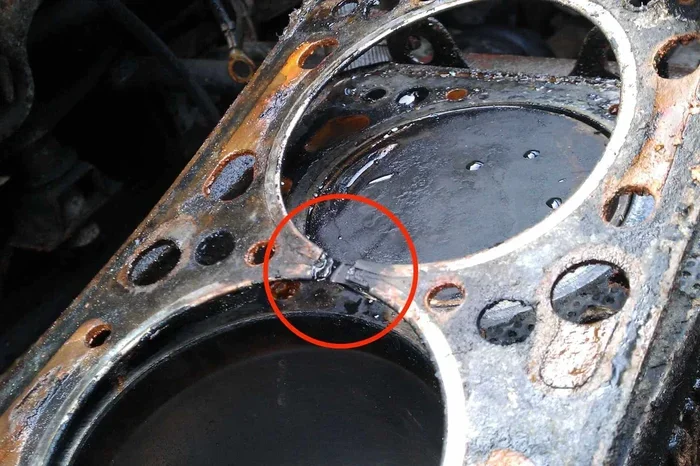
A damaged or blown head gasket can absolutely cause your car to overheat and stall. The head gasket seals the engine block and cylinder head, keeping coolant and oil in their proper channels. When it fails, coolant leaks into combustion chambers, oil mixes with coolant, and your engine loses the ability to regulate temperature, leading to dangerous overheating and stalling.
There are few things more stressful than watching your temperature gauge climb into the red while you drive. Your heart races. Your hands grip the steering wheel tighter. And the first question that pops into your mind is usually the same: what is wrong with my engine?
One of the most common culprits behind engine overheating and stalling is a blown head gasket. Many drivers have heard of this term but do not fully understand what it means or how it happens. The truth is, a head gasket failure can turn a minor issue into a major engine problem very quickly if you ignore the warning signs.
In this article, we will walk you through everything you need to know. We will cover what a head gasket does, why it fails, the symptoms you should watch for, and what you can do about it. Whether you are a seasoned car owner or someone who just wants to understand their vehicle better, this guide has you covered.
Key Takeaways
- Head gasket failure is a serious issue: A blown head gasket can cause your engine to overheat and stall unexpectedly.
- Early warning signs matter: White smoke, coolant loss, and bubbles in the radiator are red flags you should never ignore.
- Multiple factors cause head gasket failure: Overheating, age, poor maintenance, and engine design all play a role.
- DIY diagnosis is possible: Simple tests like the combustion leak test can help you spot a head gasket problem early.
- Repair costs vary widely: Head gasket replacement can range from a few hundred to over two thousand dollars depending on your vehicle.
- Driving with a blown head gasket is risky: Continued use can cause catastrophic engine damage and expensive repairs.
- Prevention is always cheaper than repair: Regular maintenance, coolant flushes, and monitoring temperature gauges can extend your head gasket life significantly.
📑 Table of Contents
- What Is a Head Gasket and Why Does It Matter?
- Can a Head Gasket Cause a Car to Overheat?
- Common Symptoms of a Blown Head Gasket
- What Causes Head Gasket Failure?
- How to Diagnose a Head Gasket Problem
- Head Gasket Replacement: What to Expect
- Preventing Head Gasket Failure
- When to Seek Professional Help
- Key Takeaways
- Conclusion
What Is a Head Gasket and Why Does It Matter?
Your engine has two main parts that work together: the engine block at the bottom and the cylinder head on top. The head gasket sits between these two parts like a seal. Its job is to keep coolant and engine oil flowing through their proper passages while also sealing the combustion chambers where fuel burns to create power.
Think of the head gasket as the gatekeeper of your engine. It keeps the right fluids in the right places and prevents dangerous mixing. When this seal is intact, your engine runs smoothly. When it fails, everything goes wrong fast.
The head gasket faces extreme conditions every time you drive. It endures high temperatures, intense pressure from combustion, and constant exposure to hot coolant. Over time, this stress takes a toll. Understanding how the head gasket seal works helps you appreciate why keeping it in good shape matters so much.
How the Head Gasket Supports Engine Cooling
Your cooling system relies on a continuous flow of coolant through the engine block and cylinder head. The head gasket has specific channels that allow coolant to pass through while keeping it separate from oil and combustion gases. When the gasket is healthy, coolant absorbs heat from the engine and carries it away to the radiator.
If the head gasket fails, coolant can escape into areas where it should not be. It might leak into the combustion chamber, mix with engine oil, or simply escape outside the engine. Any of these scenarios disrupts your cooling system and can quickly lead to engine overheating.
Can a Head Gasket Cause a Car to Overheat?
The short answer is yes. A blown head gasket is one of the leading causes of engine overheating. But the relationship between head gasket failure and overheating works in two directions. A failing gasket can cause overheating, and overheating can cause a head gasket to fail. It becomes a dangerous cycle if you are not careful.
When the head gasket fails, it creates passages where there should be none. Coolant escapes, combustion gases leak into cooling channels, and the engine loses its ability to maintain a safe operating temperature. The result is often a sudden spike in temperature that can leave you stranded on the side of the road.
The Overheating and Stalling Connection
Overheating does not just damage the head gasket. It also affects other engine components. When your engine runs too hot, parts expand beyond their normal tolerances. This can cause the engine to misfire, lose power, and eventually stall. A car overheating and stalling situation often points to a head gasket problem, especially if the issue comes on suddenly.
The stalling happens because the combustion process gets disrupted. When coolant enters the combustion chamber, it interferes with the air-fuel mixture. The engine cannot burn fuel properly, power drops, and the engine may shut down entirely. This is why many drivers notice their car overheating and stalling at the same time.
Common Symptoms of a Blown Head Gasket
Spotting the signs of head gasket failure early can save you from a much bigger repair bill. Your vehicle will usually give you several warning signals before the problem becomes catastrophic. Here are the most common symptoms to watch for.
White Smoke from the Exhaust
One of the most recognizable signs of a blown head gasket is white smoke coming from your exhaust pipe. This happens when coolant leaks into the combustion chamber and burns along with fuel. The smoke often has a sweet smell and looks thicker than normal exhaust vapor.
Do not confuse this with normal condensation on cold mornings. If you see white smoke that persists after your engine warms up, get your vehicle inspected right away.
Coolant Loss Without Visible Leaks
If you keep topping off your coolant but cannot find any external leaks, the head gasket might be the problem. A blown gasket can allow coolant to escape internally, flowing into the combustion chamber or mixing with engine oil. You might notice the coolant reservoir level dropping faster than normal.
Overheating Warning Light and Temperature Gauge Spikes
Your dashboard has a temperature gauge and often a warning light for a reason. When the head gasket fails, the cooling system cannot do its job properly. You may see the temperature gauge climb into the red zone or the warning light illuminate on your dashboard.
Do not ignore these warnings. Pull over safely and turn off the engine if the temperature continues to rise. Driving with an overheating engine can cause permanent damage.
Bubbles in the Radiator or Coolant Reservoir
This is a less well-known but very telling sign. If you open your coolant reservoir (when the engine is cool) and see bubbles forming, combustion gases may be leaking into the cooling system through a failed head gasket. This is a strong indicator that your head gasket seal has been compromised.
Milky or Frothy Oil
Check your engine oil dipstick regularly. If the oil looks milky, frothy, or has a creamy texture, coolant has likely mixed with your engine oil. This happens when the head gasket fails and allows coolant to enter the oil passages. Milky oil is a serious problem that requires immediate attention.
Engine Misfires and Loss of Power
A compromised head gasket can disrupt the compression in your cylinders. When compression drops, the engine struggles to generate power. You might notice rough idling, hesitation when accelerating, or a general loss of engine performance. These engine misfire symptoms often accompany overheating issues.
What Causes Head Gasket Failure?
Understanding what leads to head gasket failure can help you prevent it. While some failures are simply due to age and wear, many are caused by factors you can control with proper maintenance.
Engine Overheating
This is the number one cause of head gasket failure. When an engine runs too hot for too long, the metal components expand excessively. The cylinder head can warp, and the head gasket gets squeezed beyond its limits. Once the gasket fails, the cooling system cannot function properly, and the overheating continues to get worse.
Common reasons for engine overheating include a failing water pump, a clogged radiator, a stuck thermostat, or low coolant levels. Any of these issues, if left unaddressed, can eventually lead to a blown head gasket.
Age and Mileage
Head gaskets do not last forever. Most are designed to last around 100,000 to 150,000 miles under normal conditions. As a vehicle ages, the gasket material degrades and loses its ability to maintain a proper seal. High-mileage vehicles are at a higher risk of head gasket failure.
Poor Maintenance Habits
Skipping regular coolant flushes, ignoring coolant leaks, and failing to address minor overheating episodes all contribute to premature head gasket failure. Your cooling system needs proper care to function well over time. Using the wrong type of coolant or mixing different coolant brands can also cause problems.
Engine Design and Manufacturing Defects
Some engines are more prone to head gasket problems than others. Engines with aluminum cylinder heads are particularly susceptible because aluminum expands and contracts more than cast iron. Certain vehicle models have known design flaws that lead to higher rates of head gasket failure. If your vehicle is known for this issue, stay extra vigilant with your maintenance schedule.
Improper Installation
If a head gasket was replaced previously but not installed correctly, it can fail prematurely. This includes issues like uneven torque on head bolts, surface contamination, or using a gasket that does not match the engine specifications. Always trust certified mechanics for head gasket work.
How to Diagnose a Head Gasket Problem
If you suspect your head gasket is failing, there are several tests a mechanic can perform to confirm the diagnosis. Some of these tests are simple enough that you can do them yourself with basic tools.
Combustion Leak Test
This is one of the most reliable tests for a blown head gasket. A chemical solution is added to the coolant system, and the mechanic watches for a color change that indicates combustion gases are present in the coolant. A positive result strongly suggests a head gasket breach.
Compression Test
A compression test measures the pressure inside each cylinder. If one or more cylinders show low compression, it could mean the head gasket is no longer sealing properly. This test helps pinpoint exactly which cylinder is affected.
Cooling System Pressure Test
This test pressurizes the cooling system to check for external and internal leaks. If the system loses pressure without any visible external leaks, the head gasket is a likely suspect.
Visual Inspection
A thorough visual inspection of the coolant, oil, and exhaust can reveal a lot. Milky oil, discolored coolant, and excessive white smoke are all visual clues that point toward head gasket failure.
Head Gasket Replacement: What to Expect
If your head gasket has failed, you will need to have it replaced. This is not a cheap repair, but it is far less expensive than replacing an entire engine.
Average Cost of Head Gasket Replacement
The head gasket replacement cost varies depending on your vehicle make and model, the extent of the damage, and labor rates in your area. On average, you can expect to pay between $1,000 and $2,500 for the repair. The gasket itself is relatively inexpensive, but the labor involved is significant because the mechanic must remove the cylinder head to access the gasket.
Additional Repairs You May Need
In many cases, a failed head gasket has already caused damage to other components. Your mechanic may recommend replacing the thermostat, water pump, or radiator hoses during the same repair. If the cylinder head has warped, it may need to be resurfaced or replaced. Always ask for a detailed estimate before authorizing any work.
Can You Drive With a Blown Head Gasket?
Technically, yes. But you really should not. Driving with a blown head gasket risks worsening the damage to your engine. Coolant can enter the combustion chambers and damage the catalytic converter. Oil contamination can cause bearing failure. Every mile you drive with a failed head gasket increases the chance of a catastrophic engine breakdown.
If you must drive a short distance to get to a repair shop, keep an eye on the temperature gauge and watch for any signs of stalling. Carry extra coolant with you and be prepared to pull over if the engine starts to overheat.
Preventing Head Gasket Failure
The good news is that you can take steps to reduce your risk of head gasket failure. Prevention starts with consistent maintenance and paying attention to warning signs.
Regular Cooling System Maintenance
Flush your coolant according to your vehicle manufacturer’s recommended schedule. Old coolant loses its effectiveness and can become acidic, which corrodes internal engine components including the head gasket. Use the correct type of coolant for your vehicle and never mix different coolant formulations.
Monitor Your Temperature Gauge
Make it a habit to glance at your temperature gauge during every drive. If you notice the needle climbing higher than normal, pull over and let the engine cool down. Ignoring an overheating episode is one of the fastest ways to cause head gasket failure.
Address Coolant Leaks Immediately
If you notice a puddle of coolant under your vehicle or see the coolant level dropping frequently, do not ignore it. Even small leaks can lead to low coolant levels, which causes overheating, which leads to head gasket failure. Fix leaks promptly and investigate the root cause.
Replace Worn Cooling System Components
Your radiator, water pump, and thermostat all work together to keep your engine at the right temperature. When any of these components fail, the engine is at risk of overheating. Replace worn parts before they cause bigger problems.
Use Quality Parts and Fluids
When it comes to coolant, gaskets, and other engine components, quality matters. Cheap coolant or aftermarket gaskets that do not meet specifications can fail prematurely. Invest in quality parts and have work done by qualified professionals.
When to Seek Professional Help
While some car repairs are manageable for DIY enthusiasts, a head gasket replacement is not one of them. This repair requires significant mechanical expertise, specialized tools, and a clean workspace. If you suspect a head gasket problem, take your vehicle to a trusted mechanic as soon as possible.
Look for a mechanic who specializes in your vehicle make or has experience with cooling system repairs. Ask for references, read reviews, and get multiple estimates if the repair seems expensive. A second opinion is always worth it when facing a major repair bill.
Remember that ignoring a head gasket problem will only make it worse. What starts as a small coolant leak can turn into a seized engine if left unchecked. Early intervention is always the smarter and more affordable choice.
Key Takeaways
- A blown head gasket can absolutely cause your car to overheat and stall: The gasket seals the combustion chambers and cooling passages, and when it fails, the engine loses its ability to regulate temperature.
- Watch for early warning signs: White exhaust smoke, coolant loss, bubbles in the radiator, milky oil, and temperature gauge spikes all point to potential head gasket failure.
- Overheating is both a cause and a consequence: A failed head gasket leads to overheating, and prolonged overheating leads to head gasket failure. Breaking this cycle is essential.
- Regular cooling system maintenance is your best defense: Coolant flushes, thermostat checks, and water pump inspections can prevent head gasket problems before they start.
- Do not ignore overheating symptoms: Pulling over and addressing the issue early can save you from a costly head gasket replacement and prevent engine damage.
- Professional diagnosis is essential: Tests like the combustion leak test and compression test can confirm a head gasket problem quickly and accurately.
- Repair costs are significant but manageable: Expect to pay $1,000 to $2,500 for a head gasket replacement, which is far less than a full engine replacement.
Conclusion
The answer to the question can a head gasket cause a car to overheat and stall is a definitive yes. Your head gasket plays a critical role in keeping your engine cool and running smoothly. When it fails, the consequences can range from mild overheating to complete engine stalling and serious internal damage.
The key to protecting your vehicle is awareness. Learn the symptoms of head gasket failure, keep up with your cooling system maintenance, and never ignore warning signs like white smoke, coolant loss, or temperature gauge spikes. These simple habits can save you thousands of dollars in repair costs and keep your engine running reliably for years to come.
If you suspect your head gasket has failed, do not delay. Get your vehicle inspected by a qualified mechanic and address the problem before it escalates. Your engine is a complex machine, and the head gasket is one of its most important components. Treat it with the care and attention it deserves, and your car will reward you with dependable performance mile after mile.
Frequently Asked Questions
Can I drive my car if the head gasket is blown?
You can, but it is not recommended. Driving with a blown head gasket risks further engine damage, including warped cylinder heads, damaged catalytic converters, and seized engines. If you must drive a short distance, monitor the temperature gauge closely and carry extra coolant.
How long can you drive with a bad head gasket?
There is no safe distance or time frame. Some drivers manage a few miles before the engine stalls, while others drive for days with worsening symptoms. Every mile increases the risk of catastrophic engine damage. Have the vehicle towed to a repair shop if possible.
What does head gasket failure feel like while driving?
You may notice the engine overheating, a loss of power, rough idling, or the car stalling unexpectedly. Some drivers also report a sweet smell from the exhaust, visible white smoke, or a drop in the coolant reservoir level without any visible external leaks.
Is a head gasket replacement worth it on an older car?
It depends on the vehicle’s overall condition and value. If the car is in good shape otherwise, replacing the head gasket is usually worth the investment. However, if the vehicle has high mileage and other major issues, you may want to weigh the repair cost against the cost of a replacement vehicle.
Can low coolant cause a head gasket to blow?
Yes. Low coolant levels lead to engine overheating, which is the most common cause of head gasket failure. Always maintain proper coolant levels and address any leaks immediately to protect your head gasket and cooling system.
How can I test for a head gasket leak at home?
You can perform a simple combustion leak test using a chemical tester available at auto parts stores. Add the solution to your coolant system and squeeze the bulb. If the fluid changes color, combustion gases are present in the coolant, which strongly indicates a head gasket breach.