Can Police Unlock Your Car And How To Protect Yourself
Yes, police can unlock your car using specialized tools and techniques, but only under specific legal circumstances. Understanding how they do it helps you protect your vehicle from unauthorized entry. This guide covers the methods, legal limits, and best ways to keep your car secure.
Have you ever wondered, can police unlock your car? Maybe you locked your keys inside and called for help. Or maybe you heard stories about officers breaking into vehicles during emergencies. Either way, the answer is more nuanced than you might think.
Police can unlock your car using a variety of tools and methods. But they cannot do it anytime they want. There are laws, rules, and procedures that govern when and how officers can access your vehicle. Understanding these rules helps you protect your car and know your rights.
In this article, we will walk through exactly how police unlock cars, when they are allowed to do so, and what you can do to keep your vehicle secure. We will also cover what to do if your car gets unlocked without your permission. Let us get into it.
Key Takeaways
- Police use specialized tools like air wedges, lock picks, and electronic bypass devices to unlock vehicles in certain situations.
- Legal authority matters — officers generally need a warrant, emergency justification, or owner consent to unlock your car.
- Modern smart-key cars present unique challenges and require advanced electronic bypass methods.
- Steering wheel locks and car alarms are among the most effective ways to deter unauthorized entry.
- Knowing your rights helps you respond properly if police unlock your vehicle without permission.
- Parking in safe, well-lit areas significantly reduces the risk of both police and criminal unauthorized entry.
- Keeping spare keys secure prevents lockout situations that might lead to forced entry.
📑 Table of Contents
How Police Can Unlock Your Car
When people ask, can police unlock your car, they often want to know the actual methods used. Law enforcement agencies have access to several tools designed for vehicle entry. These tools range from simple mechanical devices to advanced electronic systems. Let us break them down.
Standard Lockout Tools
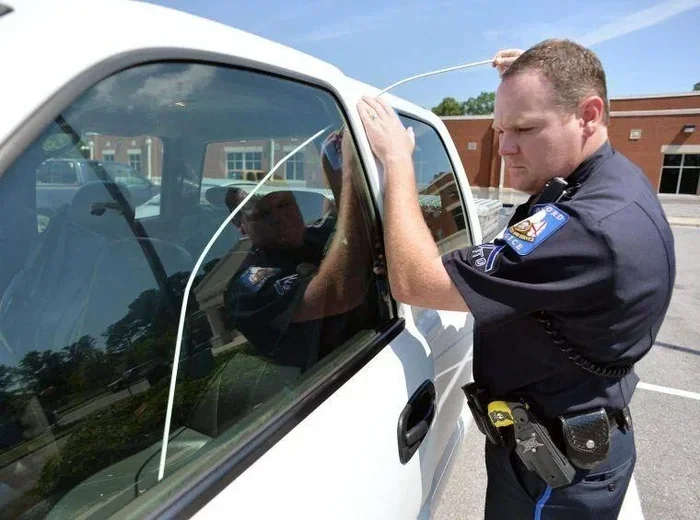
The most common method involves what is often called a lockout tool or a wedge and rod setup. Officers use a thin wedge to create a small gap between the door and the frame. Then they insert a long rod to press the unlock button or pull the door handle from the inside.
This method works on many older vehicles and some newer ones. It is non-destructive, meaning it usually does not damage your car. However, it requires skill and practice. A clumsy attempt can scratch your paint or break the door mechanism.
Many police departments train officers in these techniques. Some even carry lockout kits in their patrol cars. These kits include various wedge sizes and rods to fit different vehicle models.
Air Wedge and Inflatable Tools
For tighter gaps, officers may use an air wedge. This is a small inflatable bag that gets placed between the door and the frame. Once inflated, it creates a wider opening for the tool rod.
Air wedges are gentler on the vehicle than metal wedges. They distribute pressure evenly. This reduces the risk of damaging the door seal or paint. Many professional locksmiths and police units prefer this method.
The process goes like this:
- The officer places the air wedge near the top of the door.
- They inflate it slowly to create a gap.
- They insert a long tool through the gap.
- The tool reaches the unlock button or door latch.
- The door opens without major damage.
This method is effective and widely used. It is also one of the reasons can police unlock your car is such a common question. People want to know if their vehicle will come out of the process unharmed.
Electronic Lock Bypass Devices
Modern cars use electronic lock systems and keyless entry technology. These systems are harder to defeat with traditional tools. That is where electronic bypass devices come in.
Some law enforcement agencies use tools like the Slim Jim or similar lock bypass tools. These slide between the window glass and the weather stripping to manipulate the internal linkage. However, these tools can damage newer vehicles with complex electronic systems.
More advanced tools include key programmer devices that can communicate with the car’s onboard computer. These can sometimes clone or mimic a valid key signal. This allows officers to unlock the car and even start the ignition in some cases.
Some departments also use the LockMaster or similar professional tools. These devices send a signal that tricks the car’s central locking system into releasing all doors. They work on many makes and models without physical manipulation.
When Can Police Legally Unlock Your Car
Knowing the methods is only half the story. The other half is understanding when police are legally allowed to unlock your vehicle. The law draws clear lines around this issue.
Emergency Situations
The most common legal justification is an emergency situation. If police believe someone is trapped inside a vehicle, they can break in to save a life. This includes children locked in hot cars or individuals experiencing a medical crisis.
In these cases, officers do not need a warrant or the owner’s permission. Their duty to protect life takes priority. However, they must document the reason for the entry. Most departments require officers to note the emergency circumstances in their report.
Another emergency scenario involves evidence destruction. If officers believe someone inside the vehicle is about to destroy evidence, they may enter. But this justification is closely scrutinized and must be truly urgent.
Warrant Requirements
In most non-emergency situations, police need a search warrant to unlock your car. A judge must issue the warrant based on probable cause. The warrant specifies what officers are allowed to search and why.
A warrant gives officers legal authority to access your vehicle. But it also limits what they can do. They can only search the areas and for the items listed in the warrant. If they go beyond those limits, the evidence they find may be challenged in court.
Some people ask, can police unlock your car with a warrant, and the answer is yes. A valid warrant is one of the strongest legal bases for vehicle entry. It also means the process is documented and accountable.
Consent and Cooperation
You can also give police permission to unlock your car. If an officer asks and you say yes, they have legal grounds to enter. This is called “consent search” and it is one of the most common scenarios.
Here is the important part: you do not have to give consent. If an officer asks to search your car, you can politely decline. Saying “I do not consent to a search” is your right. Officers may still try to get a warrant, but they cannot force entry without one in most cases.
Many people feel pressured to agree during a traffic stop. Remember, you have the right to refuse. Staying calm and respectful is the best approach. You can always consult a lawyer later if needed.
How Police Unlock Different Car Types
Not all vehicles are the same. The method police use to unlock a car depends heavily on the vehicle’s age, model, and security features. Let us look at how this plays out for different types of cars.
Modern Cars With Smart Keys
Newer vehicles with smart key systems and push-button start are much harder to unlock. These cars use transponder chips in the key fob that communicate with the ignition system. Without the correct signal, the car will not start.
Police must use specialized electronic bypass tools for these vehicles. They may need to access the car’s OBD port (On-Board Diagnostics) to interface with the security system. Some departments carry key programmer tools that can read and clone the transponder signal.
Even with these tools, modern cars present challenges. Many manufacturers have strengthened their vehicle security systems in recent years. Some cars will not respond to bypass attempts at all. In those cases, police may need to call a professional locksmith or the car manufacturer for assistance.
Older Vehicles Without Electronic Locks
Older cars with traditional mechanical locks are much easier to unlock. The lockout tool and wedge method works very well on these vehicles. There are no electronic systems to trick or bypass.
For cars made before the 2000s, police often use simple lock pick sets or lock bumping tools. These are standard locksmith tools that many officers are trained to use. The process is quick and usually causes no damage.
The main risk with older vehicles is the ignition lock cylinder. Forcing it open can damage the steering column. But in most cases, a skilled officer can unlock the door without touching the ignition at all.
Luxury and High-Security Vehicles
Luxury cars and vehicles with advanced security packages require the most effort. Brands like Mercedes, BMW, and Tesla use proprietary locking systems that are difficult to defeat without the right tools.
Some high-security vehicles have multiple layers of protection. These include ultrasonic sensors, glass break detectors, and immobilizer systems. Police may need to contact the manufacturer or a specialized locksmith for these vehicles.
In some cases, the cost of unlocking a luxury car can be high. This is why many police departments maintain relationships with licensed automotive locksmiths who can assist when needed.
How To Protect Yourself From Unauthorized Entry
Now that you understand how police and others can unlock your car, let us talk about protection. There are many steps you can take to keep your vehicle secure and reduce the risk of unauthorized entry.
Steering Wheel Locks
A steering wheel lock is one of the simplest and most effective deterrents. These devices attach to your steering wheel and prevent it from turning. Even if someone unlocks the doors, they cannot drive the car without removing the lock first.
Popular brands like The Club are visible and well-known. Criminals and even some unauthorized entrants are less likely to target a car with a visible steering lock. The device adds a layer of time and effort that most people will avoid.
Steering wheel locks are affordable and easy to use. They work on all vehicle types and do not require any power or maintenance. This makes them a great first line of defense.
Car Alarm Systems
A good car alarm system can deter unauthorized entry effectively. Modern alarms include motion sensors, glass break detectors, and remote notifications. Some systems send alerts directly to your phone when triggered.
Look for an alarm with shock sensors that detect attempts to force open a door or window. These sensors are more reliable than simple tilt sensors, which can be triggered by bumps or vibrations.
Many new cars come with factory-installed alarm systems. If your car is older, you can install an aftermarket system. A professional automotive security installer can help you choose the right system for your vehicle and budget.
GPS Tracking Devices
GPS car trackers are invaluable for vehicle security. If your car is ever stolen or taken without permission, a tracking device helps you and law enforcement locate it quickly.
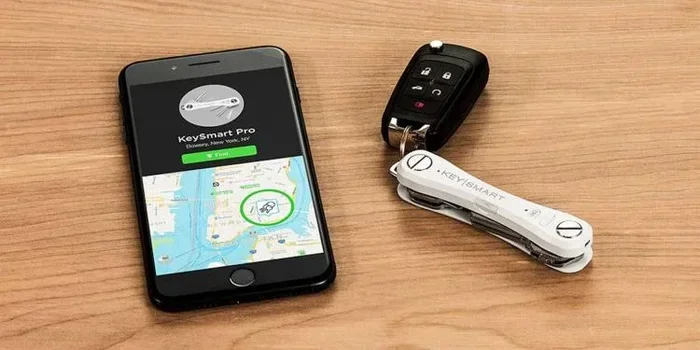
Popular options include Apple AirTags, Tile trackers, and dedicated GPS units from brands like LandAirSea or Vyncs. Some of these devices plug into your car’s OBD port, while others are battery-powered and hidden anywhere in the vehicle.
GPS tracking does more than help recover stolen cars. The mere presence of a tracker can deter thieves who do not want to be traced. It is a small investment that can save you thousands of dollars.
Parking Safety Tips
Where you park matters more than you might think. Follow these tips to reduce the risk of unauthorized entry:
- Park in well-lit areas whenever possible, especially at night.
- Avoid leaving your car parked on quiet, isolated streets for long periods.
- Use your garage if you have one. Keep the garage door closed and locked.
- Lock all doors and windows every time you leave the vehicle.
- Do not leave valuables visible inside the car. Use the trunk or hide items under seats.
- Consider parking near security cameras in parking lots or garages.
Keep Spare Keys Secure
Many people hide spare keys under the mat or in the glove box. This is a common mistake that criminals know about. If someone gains access to your spare key, your vehicle’s security is compromised.
Instead, keep spare keys in a secure location outside the vehicle. A lockbox at home or a trusted family member’s house is a much better option. Never leave a spare key in plain sight or in an obvious hiding spot.
What To Do If Police Unlock Your Car
Even with the best precautions, there may be a time when police unlock your car. Knowing what to do in that situation can make a big difference.
Checking For Damage
After police unlock your vehicle, inspect it carefully. Look for scratches, dents, or damage to the door seals. If you used an air wedge method, there should be minimal damage. But forceful entry can cause harm to the door frame or paint.
Take photos of any damage you find. Document the date, time, and circumstances. This evidence is important if you need to file a complaint or seek compensation later.
Legal Rights And Recourse
If police unlocked your car without a warrant, without consent, and without an emergency, your legal rights may have been violated. In many jurisdictions, evidence obtained through illegal search and seizure can be challenged in court.
You have the right to file a complaint with the police department’s internal affairs division. You can also consult a civil rights attorney if you believe your Fourth Amendment rights were violated. These rights protect against unreasonable searches and seizures.
Keep records of the incident. Write down the officers’ names, badge numbers, and the patrol car number. These details matter if you decide to pursue legal action.
Common Myths About Police Car Unlocking
There are several misconceptions about how police unlock cars. Let us clear up a few of the most common ones.
Myth 1: Police can unlock any car instantly. Reality: Many modern vehicles have security systems that resist standard bypass methods. Some cars require specialized tools that not all departments carry.
Myth 2: Police always need a warrant. Reality: In true emergencies, officers can enter without a warrant. The law recognizes that saving a life or preventing serious harm takes priority.
Myth 3: Unlocking always causes damage. Reality: Most professional lockout methods are non-destructive. Air wedges and lockout tools are designed to open doors without harming the vehicle.
Myth 4: Only police can unlock cars. Reality: Licensed locksmiths can also unlock vehicles. Many people call a locksmith before contacting police for a lockout situation.
Frequently Asked Questions
Can police unlock your car without a warrant?
Yes, in certain situations. Police can unlock your car without a warrant during a genuine emergency, such as rescuing a child from a hot vehicle. They can also enter if they have your consent or if they see evidence of a crime in plain view. Outside of these exceptions, a warrant is typically required.
What tools do police use to unlock cars?
Police use a range of tools including air wedges, lockout rods, Slim Jims, electronic bypass devices, and key programmer tools. The specific tool depends on the vehicle’s make, model, and security system. Newer cars with smart keys require more advanced electronic methods.
Will police unlock my car for free if I lock my keys inside?
This varies by department. Some police departments offer free lockout services as a community service. Others may refer you to a locksmith or charge a fee. Many people find it faster and more reliable to call a licensed automotive locksmith directly for lockout situations.
Can a locksmith unlock my car the same way police do?
Yes, professional locksmiths use many of the same methods as police. Licensed locksmiths carry similar tools and often have specialized training in vehicle entry. They can usually unlock your car faster than waiting for police assistance, especially for non-emergency lockouts.
How can I prevent unauthorized entry into my car?
You can prevent unauthorized entry by using steering wheel locks, installing a car alarm system, adding a GPS tracker, and parking in well-lit, secure areas. Keeping your doors locked and windows closed at all times also reduces the risk significantly.
What should I do if I believe police entered my car illegally?
If you believe police entered your car without a warrant, consent, or emergency justification, document everything. Take photos, write down officer details, and consult a civil rights attorney. You can file a complaint with the police department’s internal affairs division. Evidence obtained through illegal search may be challenged in court.
Final Thoughts
The question of can police unlock your car comes up more often than you might expect. The answer is yes, they can — but only under specific legal conditions. From air wedges to electronic bypass tools, law enforcement has a range of methods at their disposal. Each method has its own strengths and limitations depending on the vehicle type.
Understanding these methods empowers you to protect your vehicle better. Whether you choose a steering wheel lock, a car alarm, or a GPS tracker, every layer of security counts. Parking smart and keeping spare keys secure are simple habits that make a big difference.
Knowing your legal rights is equally important. If police ever unlock your car without proper justification, you have options. Document the situation, stay calm, and seek legal advice if needed. Your vehicle is your property, and the law protects your right to keep it secure.
Take action today. Review your car’s current security setup and consider adding a new layer of protection. A few small changes can save you from headaches, financial loss, and the stress of unauthorized vehicle entry. Stay informed, stay prepared, and keep your car safe.