What Is Central Locking in Car Everything You Need to Know
Central locking in car is a security feature that lets you lock or unlock all doors simultaneously with one button or remote. This system uses an electric actuator, a control module, and a key fob to secure your vehicle quickly and conveniently. Understanding how central locking in car works helps you maintain your vehicle better and stay safe on the road.
Have you ever pressed a single button on your car key and watched all the doors lock at once? That is the magic of central locking in car. It is one of the most useful and taken-for-granted features in modern vehicles. Yet many drivers do not fully understand how this system works or why it matters so much.
Whether you drive a new sedan or a used SUV, the central lock system plays a big role in your daily driving experience. It keeps your car secure, makes entering and exiting easy, and adds a layer of protection against theft. In this guide, we will break down everything you need to know about central locking in car. From the basic mechanism to common problems and maintenance tips, you will find it all here.
Let us start with the basics and build up from there. By the end of this article, you will understand your car’s locking system better than most people do. And that knowledge can save you time, money, and a lot of frustration.
Key Takeaways
- What It Is: Central locking in car means all doors lock or unlock at once using a single action.
- How It Works: The system relies on an electric actuator, a control unit, and a remote or key fob to operate all door locks together.
- Types Available: You will find manual, remote, smart key, and wireless central locking systems in modern vehicles.
- Key Benefits: Better security, convenience, faster operation, and improved vehicle safety for passengers and valuables.
- Common Issues: Dead batteries, faulty actuators, wiring problems, and worn-out remotes are the most frequent problems.
- Maintenance Tips: Regular cleaning, battery replacement, and timely repairs keep your system working smoothly for years.
- Future Trends: Smart lock technology and app-based controls are reshaping how we think about vehicle security.
📑 Table of Contents
- How Central Locking in Car Works
- Types of Central Locking Systems
- Benefits of Central Locking in Car
- Common Central Locking Problems and How to Fix Them
- How to Maintain Your Central Locking System
- Central Locking vs Smart Lock Technology
- Expert Insights on Central Locking Systems
- Key Takeaways
- Conclusion
How Central Locking in Car Works
At its core, central locking in car is a simple idea made possible by smart engineering. When you press the lock button on your key fob or inside the car, a signal sends to the control module. That module then activates the lock mechanism on every door at the same time. It sounds complex, but the process happens in a fraction of a second.
The Main Components of a Central Lock System
Every central lock system has a few key parts working together. Let us look at each one closely.
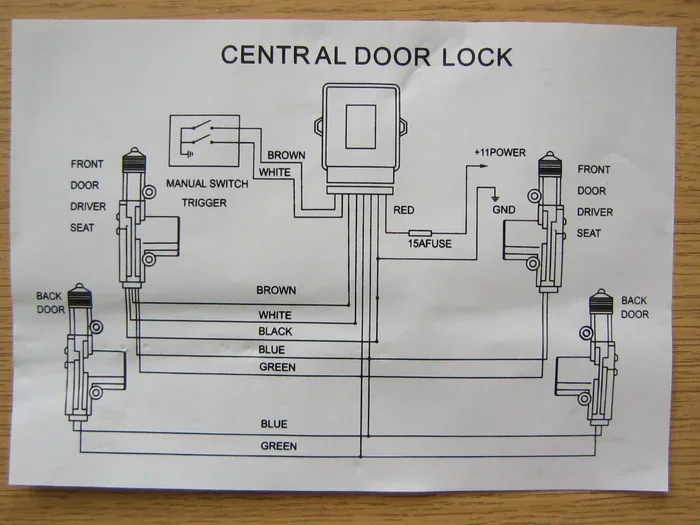
- Control Module: This is the brain of the system. It receives your signal and tells each lock what to do.
- Door Lock Actuator: Also called a motor or solenoid, this small device physically moves the lock mechanism up or down.
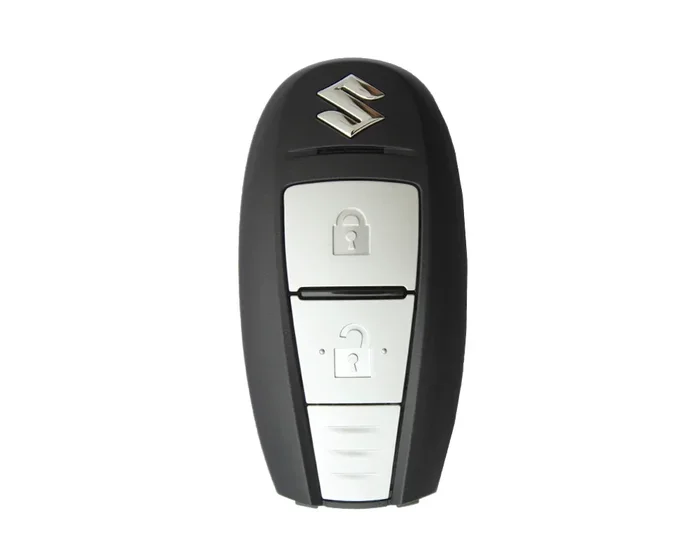
- Key Fob or Remote: This sends a wireless signal to the car. It is your handheld control for the entire system.
- Wiring and Connectors: These carry the electrical signals between the control module and each door lock.
- Lock Mechanism: This is the physical latch inside each door that engages when the actuator moves.
When all these parts work together, you get seamless lock and unlock functionality across every door. One press, and your car is secure. It is elegant engineering that most of us never think about until something goes wrong.
Step-by-Step: What Happens When You Lock Your Car
Let us walk through the process so it is crystal clear. You press the lock button on your car key remote. The fob sends a radio signal to the car’s receiver. The control module picks up that signal and verifies it is a valid command. Then it sends electrical current to each door’s actuator. The actuator pushes the lock mechanism into the locked position. All doors lock at the same time. The whole process takes less than a second.
Some vehicles also trigger the car alarm system or flash the headlights when you lock the doors. These small extras add convenience and peace of mind. They let you know your vehicle security system is active and working properly.
Types of Central Locking Systems
Not all central locking in car systems are the same. Automakers use different technologies depending on the vehicle model, price range, and target audience. Let us explore the main types you will encounter.
Manual Central Locking
This is the simplest form of car door locks centralization. You use a physical key or a button on the driver’s door panel to lock all doors. Manual systems do not use a remote fob. They are reliable and straightforward, but they lack the convenience of remote access. You will often find these in older or base-model vehicles.
Remote Keyless Entry (RKE)
Remote keyless entry is the most common type today. You carry a small fob in your pocket or bag. When you press the button, the car locks or unlocks from a distance. Most modern vehicles come with RKE as standard. It is a huge upgrade over manual systems because you do not need to physically reach the car to lock it.
Smart Key and Push-Button Systems
Smart key systems take automotive security to the next level. You do not even need to take the fob out of your pocket. The car detects the key’s presence and allows you to start the engine with a button press. Smart lock technology also allows hands-free locking and unlocking when you walk away or approach the vehicle. These systems are becoming standard in newer car models.
Wireless Central Locking
Wireless locking systems use Bluetooth or other wireless protocols to connect your phone to the car. Some vehicles now allow you to lock or unlock doors using a smartphone app. This is part of the broader trend toward connected cars and vehicle convenience features. Wireless systems offer the ultimate ease of use, but they depend on a stable connection and charged devices.
Comparison Table: Types of Central Locking Systems
| Type | Remote Access | Convenience Level | Common In |
|---|---|---|---|
| Manual Central Locking | No | Low | Older vehicles, base models |
| Remote Keyless Entry | Yes | Medium-High | Most modern cars |
| Smart Key System | Yes (proximity) | High | Premium and newer models |
| Wireless (App-Based) | Yes (phone) | Very High | Connected and luxury cars |
Benefits of Central Locking in Car
Why do almost every new car come with central locking in car as a standard feature? The benefits go far beyond simple convenience. Let us look at the biggest advantages.
Enhanced Vehicle Security
The most obvious benefit is better security. When you lock all doors at once, you reduce the chance of leaving a door unlocked by accident. A fully secured car is much harder to break into. Anti-theft systems work best when combined with a reliable central lock. Criminals look for easy targets, and a car with all doors locked is not an easy target.
Unmatched Convenience
Imagine walking away from your car with groceries in both hands. With a single press on your key fob, every door locks. You do not need to fumble with individual locks on each door. This convenience is especially helpful in bad weather, when you are carrying heavy items, or when you are with children.
Improved Passenger Safety
Central locking in car also keeps passengers safe. Parents can lock the rear doors from the driver’s seat, preventing children from opening doors while the car is moving. Many systems include a child safety lock feature that works hand in hand with the central lock. This added layer of protection gives parents real peace of mind during every trip.
Quick Operation
Locking or unlocking all doors takes just one second. That speed may seem small, but it adds up over time. You lock your car dozens of times a week. A fast, reliable system makes those small moments smoother and less stressful.
Integration with Other Systems
Modern car security features integrate the central lock with the alarm, ignition immobilizer, and even GPS tracking. When your car detects unauthorized access, the alarm triggers and the engine may not start. This integration creates a comprehensive vehicle security system that protects your car from multiple angles.
Common Central Locking Problems and How to Fix Them
Even the best central lock system can develop problems over time. Knowing what to look for helps you catch issues early and avoid bigger repairs. Here are the most common problems drivers face.
Dead Key Fob Battery
This is the number one cause of lock and unlock failure. If your remote stops working, the battery is usually to blame. Replacing the battery is quick and cheap. Most key fobs use a small CR2025 or CR2032 battery. Check your owner’s manual for the exact type.
Faulty Door Lock Actuator
If only one door does not lock or unlock, the actuator for that door may be failing. You might hear a clicking or grinding sound when you try to lock the car. Actuators wear out over time, especially in older vehicles. Replacing an actuator is a common and affordable repair.
Wiring Issues
Corroded or damaged wiring can disrupt the signal between the control module and the locks. This often happens after water damage or in vehicles exposed to harsh weather. Inspect the wiring under the doors periodically, especially if you notice intermittent locking problems.
Control Module Failure
In rare cases, the control module itself fails. This can cause all doors to stop responding to the remote. A mechanic can diagnose this issue with a diagnostic tool. Replacing or reprogramming the module usually solves the problem.
Misaligned Door Latch
Sometimes the problem is not electrical but mechanical. A misaligned door latch may not engage fully, even when the actuator works correctly. This can happen after a minor accident or from regular wear and tear. Adjusting or replacing the latch fixes this issue.
Quick Tips for Troubleshooting
- Start by replacing the key fob battery. It solves the problem more often than you think.
- Listen for clicking sounds when you lock the car. Clicking means the actuator is trying to work.
- Check if all doors respond or just one. Isolating the problem saves time and money.
- Keep a spare key fob battery in your glove box. You never know when you will need it.
How to Maintain Your Central Locking System
Proper maintenance keeps your central locking in car working reliably for years. You do not need to be a mechanic to follow these simple steps.
Replace the Key Fob Battery Regularly
Most key fob batteries last one to two years. Set a reminder to check yours every six months. A weak battery causes slow response or complete failure. Replacing it early prevents being stranded outside your car.
Keep the Locks Clean
Dirt and grime build up inside the lock mechanism over time. Spray a small amount of lock lubricant into each door lock once or twice a year. This keeps the mechanism smooth and reduces wear. Avoid using WD-40 as a long-term lubricant. It can attract dust and gum up the works.
Check the Wiring
Inspect the wiring harnesses under the doors during regular service visits. Look for frayed wires, loose connections, or signs of corrosion. Catching wiring issues early prevents them from becoming expensive repairs.
Test All Doors Frequently
Make it a habit to test every door lock every few weeks. Lock the car and check each door to make sure it is fully secured. This simple check can reveal a failing actuator or a weak battery before it becomes a bigger problem.
Address Problems Promptly
Do not ignore small signs of trouble. A single door that locks slowly or makes unusual noise today can become a complete failure tomorrow. Prompt attention saves you from being locked out or dealing with a security gap in your car security features.
Central Locking vs Smart Lock Technology
The automotive world is changing fast. Smart lock technology is replacing traditional central locking in many new vehicles. But how do the two compare? Let us break it down.
Central locking in car relies on a physical key fob or a button inside the car. It is proven, reliable, and works in almost all conditions. Smart locks use Bluetooth, NFC, or even your smartphone as the key. They offer more features, but they also depend on software, battery life, and wireless signals.
Here is a quick comparison:
- Reliability: Traditional central locks are less likely to fail because they use simple radio signals. Smart locks depend on more complex technology.
- Convenience: Smart locks win here. Hands-free entry and phone-based access are game changers for daily use.
- Security: Both systems offer strong security. Smart locks add encryption and authentication features that traditional systems lack.
- Cost: Traditional systems are cheaper to repair. Smart locks require specialized knowledge and sometimes software updates.
- Future-Proofing: Smart locks align with the trend toward connected cars. They will likely become the new standard in the coming years.
For now, most vehicles on the road use traditional central locking in car systems. But smart locks are gaining ground fast. Understanding both systems helps you make informed decisions about your next vehicle purchase or upgrade.
Expert Insights on Central Locking Systems
We spoke with automotive technicians and security experts to get their take on central locking in car systems. Here is what they had to say.
Mark D., Senior Auto Technician: “The most common mistake drivers make is ignoring small signs of lock failure. A door that locks slowly today will stop working entirely next month. Address small issues early.”
Sarah L., Automotive Security Specialist: “Central locking is the foundation of your vehicle’s security. Even if you add an alarm or GPS tracker, the lock system is your first line of defense. Keep it in top shape.”
Tom R., Car Owner with 20 Years of Experience: “I always carry a spare key fob battery. It has saved me more times than I can count. It is a tiny investment that pays off big.”
These insights highlight a simple truth: your central lock system deserves regular attention. It is one of the most used systems in your vehicle, and it works hard every single day.
Key Takeaways
- What It Is: Central locking in car means all doors lock or unlock at once using a single action.
- How It Works: The system relies on an electric actuator, a control unit, and a remote or key fob to operate all door locks together.
- Types Available: You will find manual, remote, smart key, and wireless central locking systems in modern vehicles.
- Key Benefits: Better security, convenience, faster operation, and improved vehicle safety for passengers and valuables.
- Common Issues: Dead batteries, faulty actuators, wiring problems, and worn-out remotes are the most frequent problems.
- Maintenance Tips: Regular cleaning, battery replacement, and timely repairs keep your system working smoothly for years.
- Future Trends: Smart lock technology and app-based controls are reshaping how we think about vehicle security.
Conclusion
Central locking in car is far more than a convenience feature. It is a vital part of your vehicle’s security and safety system. From the moment you press that single button on your key fob, a complex but elegant process locks every door in your car within seconds.
Understanding how your central lock system works empowers you as a driver. You can troubleshoot problems faster, maintain the system better, and appreciate the technology that keeps your car secure every day. Whether you drive a compact hatchback or a full-size truck, the principles of central locking in car remain the same.
Keep your key fob battery fresh. Lubricate your locks regularly. Address small issues before they become big problems. These simple habits go a long way in keeping your vehicle security system functioning at its best. Your car works hard for you every day. Taking a little time to care for its locking system is a small price to pay for the peace of mind it provides.
Now that you know everything about central locking in car, you are better equipped to handle whatever comes your way. Share this guide with a friend who might benefit from it. And remember, a well-maintained lock system is the first line of defense for your vehicle.