How to Check BMW Oil With a Dipstick the Right Way
Checking your BMW oil with a dipstick is a simple but essential maintenance task that keeps your engine running smoothly and prevents costly repairs. Many BMW owners skip this routine check, but doing it correctly takes only a few minutes and can save you from engine damage, low oil warnings, and unexpected breakdowns. This guide walks you through the entire dipstick procedure, from warm-up steps to reading the oil level accurately, so you feel confident maintaining your BMW between service appointments.
Owning a BMW comes with a certain level of pride. These machines are engineered with precision, and part of that precision means keeping up with basic maintenance. One of the simplest yet most overlooked tasks is checking your BMW oil level with a dipstick. It takes less than five minutes, and it can save you from serious engine trouble down the road.
Many BMW owners rely on electronic oil level sensors and forget that a physical dipstick check is still the most reliable way to know exactly what is happening inside your engine. Whether you drive a BMW N52, N54, N55, or B58 engine, knowing how to read that little metal stick properly makes a real difference. This guide shows you how to check BMW oil with a dipstick the right way, every single time.
Key Takeaways
- Always check BMW oil when the engine is warm but turned off: This gives the most accurate reading on your dipstick.
- Use the correct BMW oil type and viscosity: Using the wrong oil can affect your readings and engine performance.
- Wipe the dipstick twice for a clean reading: This simple step prevents false readings and ensures accuracy.
- Check oil level at least every two weeks: Regular checks catch leaks early and protect your BMW engine.
- Never overfill BMW engine oil: Overfilling can cause foaming, pressure issues, and potential engine damage.
- Know your BMW model’s oil capacity: Different BMW engines have different oil requirements and fill procedures.
- Look for warning signs between checks: Blue smoke, oil smells, and low oil warnings all need immediate attention.
📑 Table of Contents
Why Checking BMW Oil With a Dipstick Matters
Your BMW engine has hundreds of moving parts spinning at high speeds. Engine oil lubricates those parts, reduces friction, and keeps temperatures in check. Without the right amount of oil, metal grinds against metal. That leads to wear, overheating, and eventually engine failure.
Here is why a manual dipstick check matters even when your BMW has electronic sensors:
- Electronic sensors can give false readings: They sometimes lag or malfunction, especially in older BMW models.
- A dipstick gives you a physical reference point: You can see and feel the oil level yourself, which builds confidence.
- It helps you spot oil quality issues: The color and texture of the oil on the dipstick tell you a lot about its condition.
- It catches slow leaks early: BMW engines, especially older ones, can burn or leak small amounts of oil over time.
- It keeps you in tune with your car: Regular checks make you more aware of your BMW’s overall health.
Think of the dipstick as your engine’s health report card. A quick glance tells you whether your oil level is where it should be, whether the oil looks clean or dirty, and whether something needs your attention soon.
Understanding Your BMW Oil System
Before you learn how to check BMW oil with a dipstick, it helps to understand a few basics about how the BMW oil system works. This knowledge makes the process much easier and helps you troubleshoot problems faster.
The Role of Engine Oil in Your BMW
BMW engine oil does more than just lubricate. It cleans internal components, prevents corrosion, seals gaps between pistons and cylinders, and carries heat away from critical engine parts. BMW specifies exact oil formulations for each engine type, and using the wrong one can affect performance and longevity.
Most modern BMW engines require BMW LL-01 or BMW LL-04 approved oil. These specifications ensure the oil meets the exact viscosity and additive requirements for your engine. Always check your owner’s manual or consult your BMW dealer to confirm the right oil for your model.
How the BMW Dipstick Works
The BMW dipstick is a simple tool with a metal rod and a handle. You pull it out, wipe it clean, reinsert it fully, and then pull it out again to read the oil level. The dipstick has minimum and maximum markers that show you the safe operating range for your BMW engine oil.
Some BMW models use an electronic oil level sensor instead of a traditional dipstick. However, many BMW enthusiasts prefer the manual method because it gives a direct, tangible reading. If your BMW came with a dipstick, you are in luck. If not, you can still check oil level through the electronic display, but a dipstick check adds an extra layer of confidence.
Oil Capacity and Viscosity by BMW Engine
Different BMW engines hold different amounts of oil. Here is a quick reference for common BMW engines:
- BMW N52 engine: Approximately 6.5 quarts of oil with a 5W-30 viscosity grade.
- BMW N54 engine: Approximately 6.9 quarts with 5W-30 or 0W-30 oil.
- BMW N55 engine: Around 6.5 quarts using BMW-approved 0W-30 oil.
- BMW B58 engine: Approximately 6.1 quarts with 0W-30 or 5W-30 oil.
Always double-check your specific BMW model’s oil capacity before adding oil. Overfilling is just as dangerous as underfilling.
Step-by-Step Guide to Checking BMW Oil With a Dipstick
Now let us get into the actual process. Following these steps ensures you get an accurate reading every time. This dipstick procedure works for most BMW models with a traditional dipstick tube.
Step 1: Park on a Level Surface
This is the first and most important step. If your BMW is parked on a slope, the oil will shift to one side, and your reading will be inaccurate. Find a flat, level surface like a driveway or garage floor. Turn off the engine and let the car sit for a moment.
Step 2: Warm Up the Engine
Start your BMW and let it idle for about three to five minutes. This warms the engine oil, which allows it to flow freely and settle properly. Warm oil gives a much more accurate dipstick reading than cold oil. However, do not let the engine get extremely hot. Wait a couple of minutes after turning off the engine before you check the oil level.
Pro tip: Checking BMW oil when the engine is warm but turned off is the sweet spot. Cold oil sits higher on the dipstick and can give a false high reading.
Step 3: Locate the Dipstick
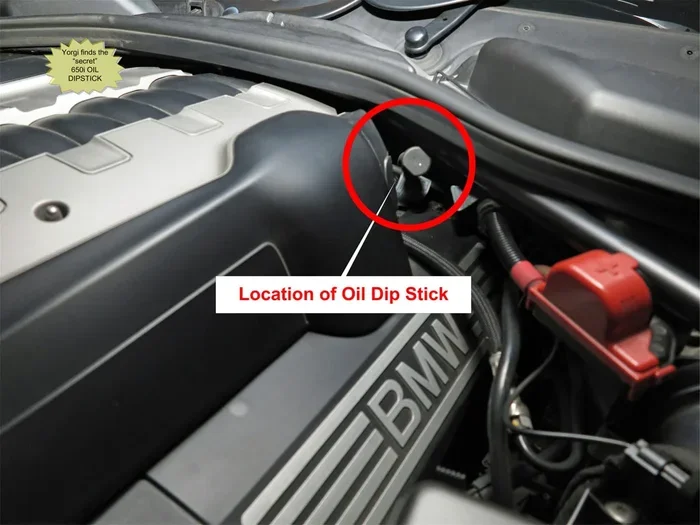
Open the hood of your BMW and look for the dipstick handle. On most BMW models, the dipstick is located near the front of the engine bay, close to the engine block. The handle is usually colored, often yellow or orange, making it easy to spot. If you are unsure, refer to your owner’s manual for the exact location.
Step 4: Pull Out the Dipstick and Wipe It
Grasp the dipstick handle firmly and pull it straight out. You will see oil on the metal rod. Take a clean lint-free rag or paper towel and wipe the dipstick completely clean. This step removes old oil residue so you can get an accurate reading on the second pass.
Step 5: Reinsert the Dipstick Fully
Slide the clean dipstick back into the dipstick tube all the way down. Push it in until it seats properly. If you do not insert it fully, the oil will not coat the rod correctly, and your reading will be off. This is one of the most common mistakes people make when checking BMW oil with a dipstick.
Step 6: Pull It Out and Read the Level
Now pull the dipstick out again and look at the oil level. The dipstick has two marks: a minimum mark and a maximum mark. The oil level should fall between these two marks. Ideally, you want the oil level close to the maximum mark but not above it.
Here is how to interpret the reading:
- Oil level between min and max: Perfect. Your BMW has the right amount of oil.
- Oil level below minimum: You need to add oil soon. Check for leaks or oil consumption issues.
- Oil level above maximum: Do not drive. Overfilling can cause engine damage. Remove excess oil carefully.
Step 7: Check Oil Quality
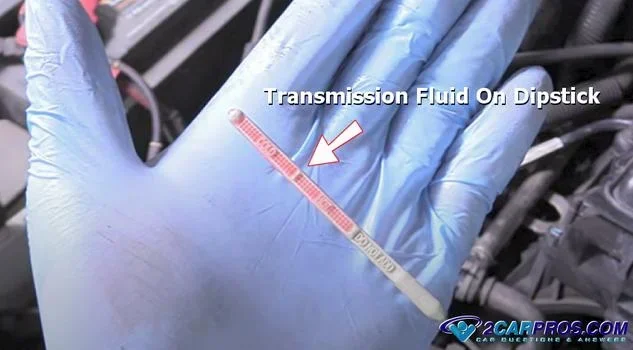
While you have the dipstick out, take a moment to assess the oil quality. Fresh BMW engine oil is typically amber or golden brown. Dark brown or black oil means it is time for an oil change. If the oil looks milky or frothy, this could indicate a coolant leak, which is a serious issue that needs immediate attention.
Quick tip: A strong burnt smell in the oil can signal that the oil has overheated or degraded. In this case, schedule an oil change right away.
Common Mistakes When Checking BMW Oil
Even experienced car owners make mistakes when checking oil. Here are the most common errors and how to avoid them.
Checking Oil When the Engine Is Cold
Cold oil does not coat the dipstick evenly. It can sit higher than it actually should, giving you a false reading. Always warm up your BMW engine for a few minutes before checking the oil level with the dipstick.
Not Wiping the Dipstick Before Reinserting
This is the number one mistake. If you skip the wipe step, you are reading old oil residue, not the actual current oil level. Always wipe the dipstick clean before reinserting it for the final reading.
Reading the Dipstick at an Angle
Hold the dipstick straight and look at it at eye level. Tilting it or reading it from above or below can distort the oil line and give you an inaccurate result.
Overfilling the Engine With Oil
Some BMW owners think more oil equals better protection. That is not true. Overfilling causes the oil to foam, which reduces its lubricating ability. Excess oil can also put pressure on engine seals and gaskets, leading to leaks.
Ignoring the Oil Change Interval
Checking your oil level is important, but so is changing the oil on time. BMW oil change intervals vary by model and engine, but most BMWs need an oil change every 10,000 to 15,000 miles. Stick to the BMW maintenance schedule to keep your engine in top shape.
When to Change Your BMW Engine Oil
Knowing how to check BMW oil with a dipstick is only half the battle. You also need to know when to change the oil entirely. BMW engine oil breaks down over time, losing its lubricating properties and becoming contaminated with particles and moisture.
Here are the signs that your BMW oil needs changing:
- The oil looks dark brown or black on the dipstick. Fresh oil is amber. Dark oil has lost its effectiveness.
- You have driven past the recommended oil change interval. Check your owner’s manual for the specific mileage.
- The oil feels gritty or rough between your fingers. This indicates contamination and metal particles.
- Your BMW oil warning light is on. Never ignore this light. It means your oil level or pressure is outside the safe range.
- You notice increased oil consumption. Some BMW engines burn oil more than others, but a sudden increase is a red flag.
Changing your BMW oil on time is one of the best investments you can make in your car’s longevity. Fresh oil keeps the engine clean, reduces wear, and helps your BMW run the way it was designed to run.
BMW Oil Tips for Long-Term Engine Health
Beyond the dipstick check, there are several habits that keep your BMW engine healthy for the long haul. These tips complement your regular oil level checks and help you get the most out of your BMW.
Use Only BMW-Approved Oil
BMW engines are precision machines that require specific oil formulations. Always use oil that meets BMW specifications, such as BMW LL-01 or BMW LL-04. Generic oils may not provide the same level of protection, especially under the high-performance conditions that BMW engines operate under.
Check Oil Level Every Two Weeks
Make it a habit to check your BMW oil level every two weeks or before any long road trip. This simple routine takes minutes and gives you peace of mind. It also helps you catch slow oil leaks or unusual oil consumption patterns early.
Keep an Eye on Oil Consumption
Some BMW engines, particularly older models with the N52 and N54 engines, tend to consume oil over time. If you find yourself topping off the oil frequently, have a mechanic inspect the engine for worn piston rings, valve seals, or other issues.
Replace the Oil Filter on Every Change
Always replace the BMW oil filter when you change the oil. A clean oil filter ensures that contaminants are removed from the oil before it circulates through the engine. A clogged filter can reduce oil flow and compromise engine protection.
Reset the Oil Service Indicator
After changing your BMW oil, reset the oil service indicator in the instrument cluster. This keeps your maintenance records accurate and reminds you when the next oil change is due. The reset procedure varies by BMW model, so check your owner’s manual for specific steps.
Store BMW Oil Properly
If you keep extra BMW engine oil at home, store it in a cool, dry place away from direct sunlight. Oil degrades over time, especially when exposed to heat and moisture. Always check the expiration date before using stored oil.
Taking care of your BMW engine starts with something as simple as a dipstick check. Make it a routine, stay consistent, and your BMW will reward you with years of reliable performance.
Conclusion
Learning how to check BMW oil with a dipstick is one of the most valuable skills any BMW owner can develop. It is quick, easy, and gives you direct insight into your engine’s condition. By following the steps in this guide, you can check your BMW oil level accurately, spot potential problems early, and keep your engine running at its best.
Remember to warm up the engine first, wipe the dipstick before reinserting, read the level at eye height, and always use the correct BMW-approved oil. Avoid common mistakes like checking cold oil, overfilling, or skipping oil changes. These small habits add up to big savings in repair costs and engine longevity.
Your BMW deserves the best care, and checking the oil with a dipstick is the foundation of that care. Make it part of your regular maintenance routine, and you will enjoy a healthier, more reliable BMW for years to come. Grab a rag, pop the hood, and give your BMW the attention it deserves.
Frequently Asked Questions
Can I check BMW oil when the engine is cold?
It is best to check BMW oil when the engine is warm but turned off. Cold oil does not flow evenly and can give you a false high reading on the dipstick. Warm up your engine for three to five minutes, turn it off, wait a minute or two, and then check the oil level for the most accurate result.
How often should I check my BMW oil level?
You should check your BMW oil level at least every two weeks and before any long trips. Regular checks help you catch slow leaks, monitor oil consumption, and ensure your engine always has the proper amount of oil for protection.
What happens if I overfill my BMW engine oil?
Overfilling BMW engine oil causes the oil to foam, which reduces its lubricating ability. Excess oil pressure can also damage engine seals, gaskets, and even the catalytic converter. If you overfill, have the excess oil removed by a professional as soon as possible.
Do all BMW models have a dipstick?
No, some newer BMW models use electronic oil level sensors instead of a traditional dipstick. However, many BMW enthusiasts prefer the manual dipstick method because it provides a direct physical reading. Check your owner’s manual to see if your specific BMW model has a dipstick or an electronic sensor.
What type of oil does my BMW need?
Most BMW engines require BMW-approved oil that meets specific specifications like BMW LL-01 or BMW LL-04. The exact viscosity grade depends on your engine type. Common grades include 0W-30, 5W-30, and 0W-40. Always refer to your owner’s manual or consult your BMW dealer for the correct oil.
Why is my BMW burning oil between changes?
Some BMW engines, especially older models like the N52 and N54, are known to consume oil over time. Worn piston rings, valve seals, or a clogged PCV valve can all contribute to increased oil consumption. If you notice you need to add oil frequently, have a BMW mechanic inspect the engine to identify the root cause.