How Do I Deactivate the Airbag Complete Safety Guide
Deactivating your airbag is a serious task that requires care, knowledge, and the right tools. Whether you are installing a child seat, working on the steering column, or transporting a spare airbag, this guide walks you through every step safely. We cover the entire airbag deactivation process so you can protect yourself and your passengers while doing the job right.
There are many reasons you might need to deactivate the airbag in your vehicle. Maybe you are installing a rear-facing child seat in the front seat. Perhaps you need to replace a damaged steering column or clockspring. Some people even transport spare airbag modules for repair. Whatever your reason, understanding the airbag deactivation process is essential for your safety.
The airbag system, also known as the Supplemental Restraint System or SRS, is one of the most important safety features in modern cars. It deploys with incredible force and speed. Working on it without proper knowledge can lead to accidental deployment or serious injury. This guide gives you clear, practical steps to follow so you can handle this task confidently and safely.
In this article, we will walk through everything you need to know. From understanding how the system works to the actual airbag disconnection procedure, we have you covered. We will also highlight common mistakes and tell you when it is best to seek professional help. Let us get started.
Key Takeaways
- Always disconnect the battery first: This is the most critical safety step before touching any airbag component.
- Wait at least 10-15 minutes: The airbag capacitor holds a charge and needs time to drain fully.
- Use the right diagnostic tools: An SRS scan tool helps you properly access and reset the airbag module.
- Never work on airbag wiring with the battery connected: This poses a serious risk of accidental deployment.
- Know when to call a professional: Some vehicles and situations require a certified technician.
- Reactivation is just as important: Always restore the airbag system after completing your work.
📑 Table of Contents
- Why You Might Need to Deactivate Your Airbag
- Understanding Your Vehicle Airbag System
- Step-by-Step Guide to Deactivating the Airbag
- Safety Precautions You Must Follow
- Common Mistakes to Avoid When Deactivating Airbags
- When to Call a Professional Instead of DIY
- Reactivating the Airbag System After Your Work
- Airbag Deactivation Quick Reference Table
- Final Thoughts on Airbag Deactivation
Why You Might Need to Deactivate Your Airbag
Before we dive into the steps, it helps to understand why someone would need to turn off the airbag. The reasons are more common than you might think.
Installing a Rear-Facing Child Seat
The National Highway Traffic Safety Administration strongly recommends that children ride in rear-facing seats as long as possible. However, placing a rear-facing child seat in the front passenger seat can be dangerous if the airbag deploys. The force of a deploying airbag can seriously injure or even kill a child in a rear-facing seat. This is why many vehicle owners need to disable the airbag temporarily when a child must ride up front.
Working on the Steering Column or Dashboard
Mechanics and DIY enthusiasts often need to access the steering column, clockspring, or dashboard components. Working near the airbag module or airbag wiring without deactivating the system is extremely risky. Even a small mistake can cause the airbag to deploy unexpectedly. This is why learning how to properly deactivate the airbag before any hands-on work is so important.
Transporting a Spare Airbag Module
If you are shipping or transporting a spare airbag control unit, you need to ensure it is fully deactivated. An improperly stored airbag module can pose a serious hazard during transport. Proper deactivation prevents any risk of accidental deployment while the module is in transit.
After a Vehicle Accident
Following a collision, the airbag warning light may stay on if the system has been triggered but not fully reset. In some cases, you may need to reset the airbag module or replace it entirely. Before doing any of this work, deactivating the system is the first and most important step.
Understanding Your Vehicle Airbag System
Before you touch anything under the hood, it helps to understand how the vehicle airbag system works. Knowing the components and how they connect makes the deactivation process much safer and easier.
The Airbag Control Unit
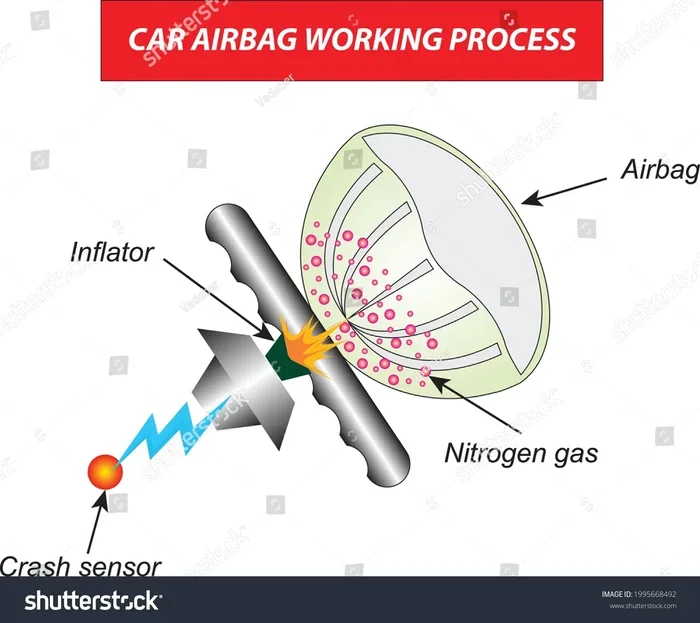
The airbag control unit, sometimes called the SRS module, is the brain of the system. It monitors all the sensors and decides when to deploy the airbags. When you deactivate the airbag, you are essentially telling this control unit to ignore deployment signals. The module still records airbag fault codes and stores crash data, but it will not trigger a deployment.
The Clockspring and Wiring Harness
The airbag clockspring is a spiral cable that connects the steering wheel airbag to the vehicle electrical system. It allows the steering wheel to turn while maintaining an electrical connection to the airbag. The airbag wiring harness carries signals from the sensors to the control unit. When you are working on the clockspring or wiring, deactivating the system prevents accidental sparks that could trigger deployment.
The Crash Sensors
Modern vehicles have multiple crash sensors located in different parts of the car. These sensors detect sudden deceleration or impact. They send signals to the control unit, which then decides whether to deploy the airbags. Even when the system is deactivated, the sensors still detect impacts. However, the control unit will not send the deployment signal.
The Airbag Fuse and Relay
Every vehicle has an airbag fuse and an airbag relay that power the system. Removing the fuse or disconnecting the relay is often the first step in the deactivation process. However, this alone is not always enough. The airbag capacitor can hold a residual charge for several minutes, which is why waiting is so important.
Step-by-Step Guide to Deactivating the Airbag
Now that you understand the system, let us walk through the actual airbag deactivation procedure. Follow these steps carefully and in order.
Step 1: Park the Vehicle Safely
Start by parking your car on a flat, level surface. Turn off the engine and remove the key from the ignition. Engage the parking brake. This ensures the vehicle is completely stable and will not move while you are working on it. Airbag safety always starts with a stable, powered-down vehicle.
Step 2: Locate the Battery
Open the hood and find the car battery. You will need to disconnect the negative terminal first. Use the correct size wrench to loosen the nut on the negative cable clamp. Slide the cable off the terminal and tuck it away from the battery. Always disconnect the negative terminal first to prevent short circuits.
Step 3: Wait for the Capacitor to Drain
This step is critical and often overlooked. The airbag capacitor stores electrical energy even after you disconnect the battery. Wait at least 10 to 15 minutes before you touch any airbag components. Some experts recommend waiting up to 30 minutes for added safety. This ensures the capacitor is fully drained and there is no residual charge in the system.
Step 4: Locate the Airbag Fuse and Relay
Check your vehicle owner manual to find the location of the airbag fuse and airbag relay. They are usually in the fuse box under the hood or inside the cabin. Pull the fuse carefully and set it aside in a safe place. If your vehicle has a removable relay, disconnect that as well. This adds an extra layer of protection.
Step 5: Use an SRS Diagnostic Tool
For a thorough and safe airbag module reset, use an SRS diagnostic scan tool. Plug the tool into the OBD-II port, which is usually located under the dashboard on the driver side. The scan tool will read and clear any airbag fault codes. It also gives you access to the airbag control unit settings, allowing you to confirm the system is properly deactivated.
Step 6: Disconnect the Airbag Connector
Once you have waited and verified the system is powered down, you can disconnect the airbag connector. This is usually found behind the steering wheel or under the dashboard, depending on your vehicle. Unclip the connector carefully and pull it straight out. Avoid tugging on the wires. If you are working on the steering column, the airbag clockspring connector is the one you need to disconnect.
Step 7: Verify the System Is Deactivated
After completing all the steps, double-check your work. The airbag warning light on the dashboard should turn on or stay on. This confirms the system has been deactivated. If the light does not come on, there may be an issue with the airbag wiring or the control unit. In that case, use the diagnostic tool to check for fault codes.
Safety Precautions You Must Follow
Working with the airbag system demands respect and caution. Here are the most important airbag safety precautions to follow.
Never Work on the System with the Battery Connected
This cannot be stressed enough. Always disconnect the battery before you touch any airbag component. Even a small electrical surge can cause the airbag to deploy with full force. The airbag deployment happens in milliseconds and with enough power to cause serious injury or death.
Wear Safety Glasses
When you disconnect the airbag connector or work near the module, wear protective eyewear. In the rare case of an accidental deployment, the airbag can release small debris and chemical dust. Safety glasses protect your eyes from both.
Keep Your Face Away from the Airbag Module
When you are working near the steering wheel airbag or dashboard airbag, keep your face as far away as possible. Turn your head to the side when connecting or disconnecting wires. The airbag deploys outward at speeds of up to 200 miles per hour. Keeping your face clear reduces the risk of serious injury.
Handle the Airbag Module with Care
Never drop the airbag control unit or the airbag module itself. Physical impact can trigger deployment. Place the module on a soft, clean surface when you remove it. Avoid placing it near heat sources or in direct sunlight.
Keep Children and Pets Away
While working on the airbag system, keep children and pets out of the vehicle. Accidental contact with exposed connectors or wires could trigger a deployment. Make sure the workspace is clear and safe before you begin.
Common Mistakes to Avoid When Deactivating Airbags
Many people make avoidable mistakes when trying to deactivate the airbag. Learning from these errors can save you time, money, and most importantly, your safety.
Skipping the Wait Time
The biggest mistake is not waiting long enough after disconnecting the battery. The airbag capacitor holds a significant charge. If you touch the airbag connector too soon, you risk accidental deployment. Always wait the full 10 to 15 minutes, or longer if you want extra peace of mind.
Forgetting to Clear Fault Codes
After deactivating and working on the system, the airbag fault codes will remain stored in the control unit. If you do not clear these codes with a diagnostic tool, the airbag warning light will stay on after you reactivate the system. This can cause inspection failures and unnecessary trips to the mechanic.
Reconnecting the Battery Too Soon
Some people disconnect the battery, do their work, and immediately reconnect it. This is dangerous. Make sure all airbag work is complete and all connectors are properly seated before you reconnect the battery. Reconnecting too early can cause a short circuit or accidental deployment.
Using the Wrong Tools
Using improper tools can damage the airbag connector or wiring. Always use the correct size wrenches and connectors. If you are unsure about a connector, consult your vehicle service manual or a professional before proceeding.
Ignoring the Vehicle Manual
Every vehicle is different. The location of the airbag fuse, relay, and connectors varies by make and model. Ignoring the vehicle manual can lead to mistakes. Always refer to your specific owner manual for the exact airbag disconnection procedure for your car.
When to Call a Professional Instead of DIY
Not every situation calls for a DIY approach. Some cases are better left to the experts. Here are signs you should call a professional.
You Are Uncomfortable with Electrical Work
If you have never worked with a vehicle electrical system before, the airbag deactivation process can feel overwhelming. There is no shame in calling a professional. A certified technician has the training, tools, and experience to handle the job safely.
Your Vehicle Has Advanced Safety Systems
Modern vehicles come with advanced SRS systems that include multiple sensors, cameras, and complex wiring. These systems require specialized diagnostic tools to properly deactivate and reactivate. If your vehicle has advanced safety features, a professional will have the right equipment for the job.
You Are Transporting or Shipping an Airbag Module
If you need to ship an airbag module for repair or replacement, a professional can ensure it is properly deactivated and packaged for safe transport. Improper handling during shipping can lead to dangerous situations.
The Airbag Warning Light Stays On After Reactivation
If you have completed the airbag module reset and the warning light remains on, there may be an underlying issue you cannot diagnose on your own. A professional mechanic can run a full airbag diagnostic and fix the problem correctly.
Reactivating the Airbag System After Your Work
Once you have finished your work, you need to properly reactivate the airbag system. This is just as important as deactivating it. Start by reconnecting the airbag connector you disconnected earlier. Make sure it clicks firmly into place. Then reconnect the battery, starting with the positive terminal and then the negative terminal. Turn the ignition to the on position and watch the dashboard. The airbag warning light should turn on briefly and then turn off after a few seconds. If the light stays on, there is a fault code you need to address. Use the SRS diagnostic tool to scan for and clear any remaining codes. Once the light turns off, the system is fully reactivated and ready for normal use.
Airbag Deactivation Quick Reference Table
| Step | Action | Time Needed |
|---|---|---|
| 1 | Park vehicle and turn off engine | 1 minute |
| 2 | Disconnect negative battery terminal | 2 minutes |
| 3 | Wait for capacitor to drain | 10-30 minutes |
| 4 | Remove airbag fuse and relay | 2 minutes |
| 5 | Use SRS diagnostic tool to scan | 5 minutes |
| 6 | Disconnect airbag connector | 3 minutes |
| 7 | Verify system is deactivated | 1 minute |
Following this table helps you stay organized and ensures you do not skip any critical steps. Keep it handy the next time you need to deactivate the airbag.
Final Thoughts on Airbag Deactivation
Deactivating the airbag is a task that requires patience, care, and attention to detail. The airbag system is designed to protect you in a crash, and working on it demands the same level of respect you would give any safety-critical system. By following the steps in this guide, you can safely disable the airbag, complete your work, and restore the system to full function.
Remember that safety always comes first. If at any point you feel unsure or uncomfortable, do not hesitate to call a professional. The few extra dollars you spend on a certified technician are nothing compared to the cost of an injury. Take your time, follow each step carefully, and trust the process. With the right approach, you can handle airbag deactivation confidently and get back on the road safely.
Keep this guide bookmarked for future reference. Whether you are a seasoned DIYer or a first-time car owner, knowing how to properly deactivate the airbag is a valuable skill that keeps you and your passengers safe. Stay safe, and happy wrenching.
Frequently Asked Questions
Can I just pull the airbag fuse to deactivate the system?
Removing the airbag fuse is a good first step, but it is not enough on its own. The airbag capacitor can hold a charge even after the fuse is removed. You must also disconnect the battery and wait at least 10 minutes before working on any airbag components. This ensures the system is fully powered down and safe to handle.
How long should I wait after disconnecting the battery before touching the airbag?
You should wait at least 10 to 15 minutes after disconnecting the battery. This gives the airbag capacitor enough time to drain its stored energy. For extra safety, waiting up to 30 minutes is recommended. Never rush this step, as residual charge can still cause accidental deployment.
Will the airbag warning light stay on after deactivation?
Yes, the airbag warning light should stay on or illuminate after you deactivate the system. This confirms that the SRS module has detected the system is not active. Once you reconnect everything and reactivate the system, the light should turn off after a few seconds of ignition. If it stays on, you may have a fault code that needs to be cleared.
Can I reactivate the airbag system myself?
Yes, you can reactivate the system yourself by reversing the deactivation steps. Reconnect the airbag connector, reconnect the battery, and use an SRS diagnostic tool to clear any fault codes. Make sure all connections are secure and the warning light turns off after ignition. If it does not, consult a professional mechanic.
Is it legal to deactivate the airbag in my vehicle?
In most places, temporarily deactivating the airbag for legitimate repair or installation purposes is legal. However, permanently disabling the airbag or driving with a known airbag malfunction may violate safety regulations. Always check your local laws and vehicle inspection requirements before making any changes to the airbag system.
What happens if the airbag deploys accidentally during deactivation?
If the airbag deploys accidentally, do not panic. The airbag module and clockspring are designed to deploy once and cannot be reused. You will need to replace the deployed airbag components immediately. If you followed all safety steps, accidental deployment is rare. Always wear safety glasses and keep your face clear when working near airbag components.