How to Finance a Haval Vehicle Everything You Should Know
This guide covers how to finance a Haval vehicle from start to finish. You’ll learn about credit scores, down payments, APR, lease vs. buy, and dealership vs. bank financing. Get practical tips to secure the best auto loan and avoid costly mistakes.
Buying a new Haval vehicle is exciting, but figuring out the financing can feel overwhelming. Whether you’re eyeing the Haval H6 or the compact Haval Jolion, understanding your options makes all the difference. This guide walks you through how to finance a Haval vehicle step by step, so you can drive home with confidence.
Financing a car isn’t just about picking a monthly payment. You need to consider your credit score, the down payment, the loan term, and whether you should lease or buy. I’ll share practical tips and real-world examples to help you navigate the process. By the end, you’ll know exactly what to expect and how to avoid costly mistakes.
Let’s dive into the world of Haval financing and get you the best deal possible.
Key Takeaways
- Know your credit score: A higher score gets you a lower interest rate on your auto loan.
- Save for a down payment: Putting 10-20% down reduces monthly payments and total interest.
- Compare dealership and bank financing: Pre-approval gives you leverage at the dealership.
- Understand lease vs. buy: Leasing offers lower payments but no ownership; buying builds equity.
- Watch out for hidden fees: Loan origination fees and extended warranties can add cost.
- Consider gap insurance: It covers the difference if your Haval is totaled and you owe more than its value.
- Read the fine print: Always review the full loan agreement before signing.
📑 Table of Contents
What Does It Mean to Finance a Haval Vehicle?
Financing a Haval vehicle means borrowing money to purchase it and paying it back over time with interest. Most buyers use an auto loan or a lease. A loan gives you ownership after you pay it off. A lease lets you use the car for a set period and then return it.
Haval financing works like any other car loan. You choose a loan amount, an interest rate, and a loan term. The lender holds the title until you finish payments. Once paid, the title is yours. The Haval H6 and Haval Jolion are popular models that qualify for most financing options.
How Haval Financing Works
When you finance a Haval, the lender calculates your monthly payment based on the loan amount, the APR, and the term. A longer term means smaller monthly payments but more interest paid overall. A shorter term saves you money but increases the monthly amount.
For example, a $30,000 loan at 6% APR over 60 months results in a monthly payment of about $580. Extending to 72 months drops the payment to around $490, but you pay more total interest. Always use a car loan calculator to see the numbers before you visit a dealer.
Haval Models Available for Financing
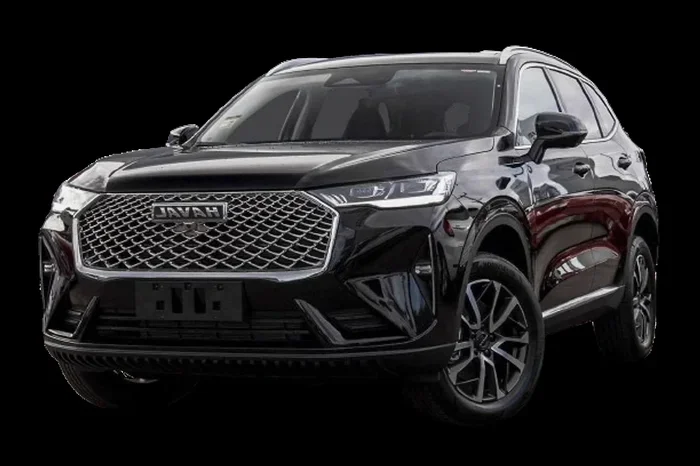
Haval offers a range of SUVs that fit different budgets. The Haval H6 is a midsize SUV with plenty of space. The Haval Jolion is a compact crossover ideal for city driving. Both models are eligible for standard vehicle loan products. You can also finance the Haval F7 and Haval Big Dog through the same channels.
Quick Tips for First-Time Buyers
- Get a free credit report from AnnualCreditReport.com before you start.
- Set a budget that keeps your total car costs under 10% of your monthly income.
- Research the fair market price of your chosen Haval model on sites like Kelley Blue Book.
- Avoid focusing only on the monthly payment. Look at the total loan cost.
Check Your Credit Score and Get Pre-Approved
Your credit score is the biggest factor in your auto loan rate. A score above 700 usually qualifies you for the best interest rates. Scores between 600 and 700 may still get you approved, but with higher costs. Below 600, you might need a cosigner or a special finance dealer.
Why Your Credit Score Matters
Lenders use your credit score to judge risk. A high score means low risk, so they offer lower APR. A low score means higher risk, so they charge more. Even a half-percent difference can save you hundreds of dollars over the life of a loan. For a 5-year auto loan, a 5% APR versus 6% APR on a $25,000 loan saves about $700 in interest.
How to Improve Your Credit Before Applying
Start by paying all bills on time. Reduce your credit card balances. Avoid opening new credit accounts right before a loan application. Dispute any errors on your credit report. These steps can boost your score in 30 to 60 days.
Common Mistakes to Avoid
- Applying for multiple loans in a short window. Each hard inquiry can drop your score slightly.
- Ignoring your credit report. Errors are common and can lower your score.
- Waiting until the last minute. Credit improvement takes time.
Down Payment, Loan Terms, and APR
The down payment is the cash you pay upfront. A larger down payment lowers your loan amount and your monthly monthly payment. It also reduces the risk of being upside down on the loan. Aim for at least 10-20% of the vehicle’s price.
How Much Down Payment Do You Need?
A 20% down payment is ideal for a new Haval SUV. If that’s not possible, 10% is a good starting point. Putting less than 10% often results in negative equity, especially in the first year when depreciation hits hard. For a Haval Jolion priced at $22,000, a 10% down payment is $2,200.
Choosing the Right Loan Term
Loan terms typically range from 36 to 84 months. Shorter terms like 36 or 48 months have higher monthly payments but less total interest. Longer terms like 60 or 72 months lower the payment but increase the total cost. A 60-month term is the most common choice for SUV financing.
Understanding APR and Interest Rates
APR stands for annual percentage rate. It includes the interest rate plus some fees. The lower the APR, the less you pay to borrow. Your rate depends on your credit score, the loan term, and the lender. Dealerships may offer promotional rates, but those are often for buyers with excellent credit.
Expert Insight: The True Cost of Borrowing
A lower monthly payment can be tempting, but stretching the loan too long costs more. For instance, a $25,000 loan at 5% APR over 72 months costs about $2,800 in interest. The same loan over 48 months costs about $2,600 in interest, but the monthly payment is higher. Always calculate the total cost of ownership before you sign.
Dealership Financing vs. Bank Loans
You have two main paths for Haval financing: the dealership or your bank. Each has pros and cons. Understanding both helps you make a smart choice.
Pros and Cons of Dealership Financing
Dealerships offer convenience. They handle the paperwork and sometimes run special promotions like 0% APR for qualified buyers. However, dealers may mark up the interest rate to earn a profit. This is called a dealer reserve. It can add hundreds of dollars to your loan.
Pros and Cons of Bank Financing
Banks and credit unions often offer lower rates if you have good credit. You get pre-approval before you shop, which gives you a clear budget. The downside is that you need to handle the paperwork yourself. Also, banks may have stricter requirements on vehicle age and mileage.
Getting Pre-Approved for an Auto Loan
Pre-approval means a lender gives you a conditional loan offer before you visit the dealer. You know your rate and budget upfront. Walk into the dealership with a pre-approval letter and use it as leverage. You can compare the dealer’s offer to your pre-approved rate and choose the better one.
| Feature | Dealership Financing | Bank/Credit Union Financing |
|---|---|---|
| Convenience | High – all in one place | Medium – you handle paperwork |
| Interest Rate | May be higher due to dealer markup | Often lower for qualified buyers |
| Promotional Offers | Common (0% APR deals) | Rare |
| Negotiation Power | Lower – rate is often set | Higher – you bring your own rate |
| Speed | Fast – same-day approval | Requires pre-approval step |
Lease vs. Buy: Which Option Fits Your Budget?
Leasing and buying are two very different ways to finance a Haval vehicle. Leasing is like renting. Buying means you own the car at the end. Your lifestyle, budget, and driving habits determine which is better.
The Basics of Leasing a Haval SUV
A lease locks you in for 24 to 36 months. You pay a down payment, then a set monthly payment. At the end of the term, you return the car. Leases often have lower monthly payments than loans because you’re only paying for the vehicle’s depreciation. For a Haval H6, a lease might cost $350 per month versus $550 for a loan.
Leases also limit annual mileage, usually 10,000 to 15,000 miles. If you drive more, you pay extra fees. You also don’t build equity. At the end, you have nothing to show for the payments unless you buy the car out.
When Buying Makes More Sense
Buying is better if you plan to keep the car long-term. You build equity with each payment. There are no mileage limits. You can customize the vehicle. After the loan is paid off, your monthly payment drops to zero (aside from insurance and maintenance). For families or long commuters, buying a Haval Jolion or H6 often makes more financial sense.
Quick Tips: Lease or Buy?
- Lease if you like a new car every few years and drive under 12,000 miles a year.
- Buy if you want long-term savings and no mileage restrictions.
- Consider a lease if you want lower payments to qualify for a more expensive model.
- Think about the residual value of the Haval model. A high residual value means lower lease payments.
Protecting Your Haval: Insurance and Warranties
Financing a car means you must carry full coverage insurance until the loan is paid off. You also have options for gap insurance and extended warranties. These add protection but also cost money.
Gap Insurance and Why It Matters
Gap insurance covers the difference between what you owe on the loan and what the car is worth if it’s totaled or stolen. New cars depreciate fast. In the first year, a Haval vehicle can lose 20% of its value. If you owe $24,000 but the car is only worth $19,000, gap insurance pays the $5,000 gap. Many lenders require gap insurance for loans with a small down payment.
Extended Warranties: Worth the Cost?
Haval offers a basic warranty, but an extended warranty can cover repairs after it expires. These plans cost extra and can be purchased through the dealer or a third party. Read the fine print carefully. Some plans cover only major systems, while others are more comprehensive. For a reliable model like the Haval H6, an extended warranty may not be necessary, but it provides peace of mind for some buyers.
Lowering Your Car Insurance Premiums
Shop around for insurance before you finalize the loan. Ask about discounts for safe driving, bundling with home insurance, or taking a defensive driving course. A higher deductible can also lower your monthly premium. Just make sure you can afford the deductible if you need to file a claim.
Financing a Haval vehicle doesn’t have to be complicated. By understanding your credit score, choosing the right down payment and loan term, and comparing dealership financing with bank options, you put yourself in a strong position. Whether you decide to lease or buy, the key is to read every document and ask questions until you feel confident. Take your time, do the math, and drive away in the Haval that fits your life and budget.
Frequently Asked Questions
What credit score do I need to finance a Haval vehicle?
Most lenders prefer a score of 660 or higher for the best rates. You can still get approved with a lower score, but expect higher interest. Check your score before applying and work on improving it if needed.
How much down payment should I put on a Haval?
Aim for 10-20% of the vehicle price. For a $25,000 Haval, that’s $2,500 to $5,000. A larger down payment reduces your loan amount and monthly payment, and it helps you avoid negative equity.
Is it better to lease or buy a Haval SUV?
It depends on your needs. Leasing gives lower payments and a new car every few years. Buying builds equity and has no mileage limits. If you keep cars long-term, buying is usually the better financial choice.
Can I get pre-approved for a Haval auto loan before visiting the dealer?
Yes, and you should. Pre-approval from a bank or credit union gives you a clear budget and a firm rate. You can then compare the dealer’s offer and choose the one that saves you the most money.
What is gap insurance and do I need it?
Gap insurance pays the difference between your loan balance and the car’s actual cash value if it’s totaled. It’s helpful if you have a small down payment or a long loan term. Many lenders require it for high-risk loans.
Are there hidden fees in Haval financing?
Watch out for loan origination fees, dealer markups, and extended warranty add-ons. Always ask for a full breakdown of all fees before signing. The total cost of the loan should be clear in the contract.