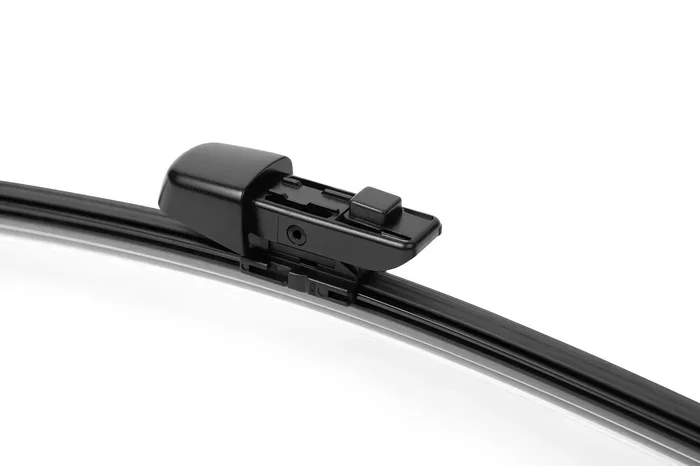
How to Turn Off the Back Windshield Wiper on a Volkswagen
Finding your VW rear wiper annoying? You are not alone. Many Volkswagen owners want to know how to turn off the back windshield wiper on a Volkswagen. This guide covers every method, from simple stalk controls to fuse removal, so you can stop that rear wiper from running nonstop. Whether you drive a Passat, Jetta, Tiguan, or another model, we have you covered with clear, practical steps.
If you own a Volkswagen, you have probably noticed the back windshield wiper on your car keeps running. It can be frustrating, especially when it activates on its own or when you do not need it. The good news is that learning how to turn off the back windshield wiper on a Volkswagen is easier than you think. Whether you have a Passat, a Jetta, a Tiguan, or any other VW model, this guide walks you through every option available.
Rear windshield wipers are common on SUVs, hatchbacks, and wagons. They help clear rain, snow, and debris from the rear window. But sometimes they become a nuisance. Maybe you park in a covered garage and never need it. Or perhaps the wiper keeps cycling even when the weather is dry. Whatever the reason, you deserve to know how to control it. This article covers every method, from simple switch adjustments to more advanced fixes like fuse removal.
We will also look at common problems that cause the rear wiper to behave strangely. A stuck relay, a faulty switch, or even a software glitch can make your VW back wiper ignore your commands. By the end of this guide, you will know exactly what to do. You will feel confident fixing the issue yourself. No mechanic visit required for most of these steps.
Key Takeaways
- Multiple methods exist: You can disable the rear wiper using the control stalk, the infotainment system, or by removing the fuse.
- Model-specific steps apply: Different VW models have slightly different procedures for turning off the back wiper.
- Fuse removal is a permanent fix: Pulling the rear wiper fuse stops the motor completely without affecting other systems.
- Wiper settings can be adjusted: Many newer Volkswagens let you toggle rear wiper behavior through the dashboard menu.
- Common issues are easy to fix: Most rear wiper problems stem from faulty switches, relays, or worn wiper blades.
- Regular maintenance helps: Keeping your rear wiper blades clean and replaced prevents unnecessary activation and noise.
- Consult your owner’s manual: Your specific VW model may have unique instructions not covered in general guides.
📑 Table of Contents
- Understanding Your Volkswagen Rear Wiper System
- Step-by-Step Guide to Turning Off the Back Windshield Wiper
- Common Reasons the Rear Wiper Won’t Turn Off
- Model-Specific Instructions for Popular VW Models
- Quick Tips for Managing Your VW Rear Wiper
- Common Mistakes People Make When Dealing With the Rear Wiper
- When to See a Professional Mechanic
- Final Thoughts on Disabling Your VW Rear Wiper
Understanding Your Volkswagen Rear Wiper System
Before you learn how to turn off the back windshield wiper on a Volkswagen, it helps to understand how the system works. Most VW models use a combination of a wiper stalk, a relay, a motor, and a control module. When you activate the rear wiper, a signal travels from the stalk to the module. The module then sends power to the motor, which moves the wiper arm across the rear glass.
The rear wiper on a Volkswagen typically activates automatically when you turn on the front wipers. This is by design. Many VW models link the rear wiper to the front wiper settings. So when you switch the front wipers to intermittent mode, the rear wiper may also activate. Understanding this connection is the first step toward gaining control.
How the Wiper Stalk Controls the Rear Wiper
The wiper stalk on your Volkswagen steering column is the primary control for both front and rear wipers. On most VW models, you push the stalk end to activate the rear wiper. A single push usually triggers one wipe. Pulling the stalk toward you often sets the rear wiper to continuous or intermittent mode. The exact behavior depends on your model year and trim level.
Some Volkswagens have a separate button for the rear wiper instead of a stalk. This button is usually located near the climate controls or on the dashboard. If your VW has a button-style control, the process for turning off the rear wiper is straightforward. You simply press the same button again to deactivate it.
What Triggers the Rear Wiper Automatically?
Many modern Volkswagens come equipped with rain sensors. These sensors detect moisture on the front windshield and automatically activate the wipers. In some models, the rear wiper also activates when the rain sensor detects heavy rain. This feature is convenient but can be annoying if you do not want the rear wiper running.
Additionally, some VW models have a setting in the infotainment system that controls whether the rear wiper follows the front wiper. If this setting is enabled, the rear wiper will always turn on and off with the front wipers. Knowing where to find this setting is key to disabling the automatic behavior.
Step-by-Step Guide to Turning Off the Back Windshield Wiper
Now that you understand the basics, let us dive into the specific steps. Learning how to turn off the back windshield wiper on a Volkswagen depends on your model and the type of controls your vehicle has. Below, we cover the most common methods used across VW models.
Method 1: Using the Wiper Stalk
The simplest way to disable the rear wiper is through the wiper stalk. Here is how to do it on most Volkswagen models:
- Make sure your vehicle is parked and the ignition is off.
- Locate the wiper stalk on the left side of the steering column.
- If the rear wiper is currently active, push the stalk end once to trigger a single wipe.
- Move the stalk back to its neutral position. Do not hold it in any direction.
- Start the vehicle and check if the rear wiper remains off.
This method works on most VW models including the Jetta, Passat, and Golf. The rear wiper should stay off until you manually activate it again. If it does not, try Method 2 below.
Method 2: Using the Infotainment System Settings
Newer Volkswagen models, especially those from 2018 and later, allow you to control wiper behavior through the infotainment screen. Here is how to access these settings:
- Press the menu button on your VW infotainment system.
- Navigate to the Vehicle Settings or Car Settings section.
- Look for a Wiper Settings or Windshield Wiper option.
- Find the setting for the Rear Wiper or Rear Wiper Activation.
- Toggle the setting off or change it from automatic to manual.
- Exit the menu and test the rear wiper.
This method is particularly useful if your VW keeps activating the rear wiper automatically. By switching to manual control, you decide when the rear wiper runs. Not all VW models have this feature, so check your owner’s manual if you cannot find the setting.
Method 3: Removing the Rear Wiper Fuse
If you want a permanent solution that completely disables the rear wiper motor, removing the fuse is your best option. This method is simple and effective. Here is what to do:
- Turn off the engine and remove the key from the ignition.
- Open the fuse box cover. On most VW models, the interior fuse box is located under the dashboard on the driver’s side.
- Consult your owner’s manual to find the fuse labeled Rear Wiper or Rear Wiper Motor.
- Use a fuse puller or a pair of needle-nose pliers to gently remove the fuse.
- Replace the fuse cover and test the rear wiper to confirm it is off.
Keep the removed fuse in a safe place. If you ever need the rear wiper again, simply reinsert the fuse. This method does not affect your front wipers or any other electrical system in your Volkswagen.
| Method | Difficulty | Permanent? | Reversible? |
|---|---|---|---|
| Wiper Stalk | Easy | No | Yes |
| Infotainment Settings | Easy | No | Yes |
| Fuse Removal | Medium | Yes | Yes |
Common Reasons the Rear Wiper Won’t Turn Off
Sometimes the problem goes deeper than a simple switch or setting. If you have tried the methods above and the rear wiper on your Volkswagen still will not stop, something else may be wrong. Here are the most common culprits.
Faulty Wiper Switch
The wiper switch on your steering column can wear out over time. When the switch fails, it may send a constant signal to the rear wiper motor. This causes the wiper to keep running even when you try to turn it off. If you notice the wiper does not respond to the stalk at all, the switch is likely the problem.
A faulty switch is a relatively inexpensive repair. A VW dealership or independent mechanic can replace it in under an hour. The cost typically ranges from $50 to $150 for parts and labor combined.
Stuck Rear Wiper Relay
Every Volkswagen has a relay that controls power flow to the rear wiper motor. When this relay sticks or fails, it keeps sending power to the motor regardless of what the stalk or button says. A stuck relay is one of the most common reasons a rear wiper refuses to turn off.
To check the relay, locate the fuse box and find the rear wiper relay. Pull it out and inspect it for signs of burning or corrosion. Replacing a relay is very affordable and usually takes just minutes. You can find compatible relays at any auto parts store.
Water or Debris on the Rear Wiper Sensor
If your VW has a rain sensor, moisture or dirt on the sensor can trick the system into thinking the rear window is wet. This causes the rear wiper to activate repeatedly. Cleaning the sensor area with a soft cloth and a bit of glass cleaner often solves this problem.
Make sure the sensor area is free of ice, mud, and leaves too. During winter months, snow covering the sensor can cause the rear wiper to malfunction. A quick wipe before driving can prevent unnecessary wiper activation.
Software Glitch in the Wiper Module
Modern Volkswagens rely on electronic control modules to manage the wiper system. Occasionally, a software glitch causes the rear wiper module to malfunction. This can result in the wiper running constantly or not responding to inputs at all.
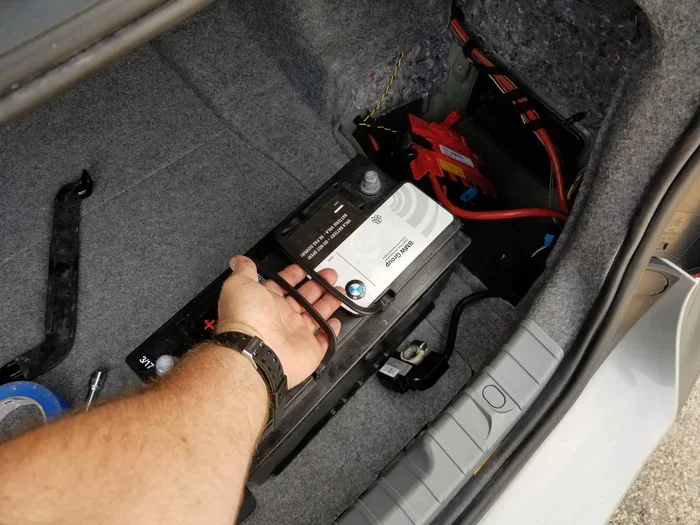
A software reset often fixes this issue. Disconnect the car battery for 15 minutes, then reconnect it. This resets the wiper module and clears any temporary errors. If the problem persists, a dealership visit for a software update may be necessary.
Model-Specific Instructions for Popular VW Models
Every Volkswagen model has slight differences in how the rear wiper system operates. Below, we cover the most popular models and their specific instructions for turning off the back windshield wiper.
How to Turn Off the Rear Wiper on a VW Passat
The VW Passat has a traditional wiper stalk setup. To turn off the rear wiper on a Passat, push the stalk end once and then return it to the neutral position. On newer Passat models, you can also access wiper settings through the infotainment screen under Vehicle Settings. If the rear wiper continues running, check the rear wiper fuse in the interior fuse box.
How to Turn Off the Rear Wiper on a VW Jetta
The VW Jetta uses the same wiper stalk controls as the Passat. Push the stalk end to trigger a single rear wipe, then return it to neutral. The Jetta does not have a separate rear wiper button on the dashboard. If the automatic rear wiper activation bothers you, removing the rear wiper fuse is the most reliable solution for the Jetta.
How to Turn Off the Rear Wiper on a VW Tiguan
The VW Tiguan, being an SUV, relies heavily on the rear wiper for clearing snow and rain from the rear window. To turn it off, use the wiper stalk or the dashboard button if your model has one. Some Tiguan models allow you to disable the automatic rear wiper through the infotainment system. Check the Wiper Settings menu for a toggle option.
How to Turn Off the Rear Wiper on a VW Golf
The VW Golf has a straightforward rear wiper control. Push the wiper stalk to activate the rear wiper and pull it back to return to neutral. The Golf also features an automatic rain-sensing wiper system on higher trim levels. To disable the rear wiper entirely, remove the fuse or adjust the wiper sensitivity settings in the vehicle menu.
Quick Tips for Managing Your VW Rear Wiper
Here are some practical tips to help you manage your Volkswagen rear wiper more effectively:
- Clean the wiper blade regularly: A dirty blade can cause the wiper to stick or skip, leading to unnecessary activation cycles.
- Replace blades annually: Worn wiper blades strain the motor and can cause the rear wiper to run longer than needed.
- Check the fuse box periodically: A loose or corroded fuse can cause intermittent wiper problems.
- Use dielectric grease: Applying a thin layer of dielectric grease to the wiper motor connector prevents moisture damage and corrosion.
- Keep the sensor area clean: A clean rain sensor ensures accurate readings and prevents false wiper activations.
- Consult your owner’s manual: Your specific VW model may have unique features or settings not covered in general guides.
Common Mistakes People Make When Dealing With the Rear Wiper
Avoid these common mistakes when trying to turn off the back windshield wiper on a Volkswagen:
- Ignoring the fuse box: Many people try every stalk and button before checking the fuse. The fuse is often the simplest and most effective solution.
- Forcing the wiper stalk: If the stalk feels stuck or unresponsive, do not force it. This can damage the mechanism and create bigger problems.
- Assuming it is a software issue: Before jumping to software resets, check the physical components like the switch, relay, and fuse first.
- Neglecting blade maintenance: Dirty or worn blades cause the wiper system to work harder, leading to premature motor failure.
- Removing the wrong fuse: Always double-check the fuse label before pulling it. Removing the wrong fuse can disable other important systems.
When to See a Professional Mechanic
Most rear wiper issues can be resolved at home using the methods described above. However, some situations require professional help. If you have tried the stalk controls, infotainment settings, and fuse removal without success, the problem may be deeper in the electrical system.
A certified VW mechanic can diagnose issues with the wiper control module, the wiring harness, or the rear wiper motor itself. These repairs are more complex but still affordable. Typically, replacing a rear wiper motor costs between $150 and $300, depending on your VW model and the labor rates in your area.
Do not ignore a rear wiper that will not turn off. A constantly running wiper motor drains your car battery and can leave you stranded. If the wiper keeps running overnight, you may find your Volkswagen will not start in the morning. Addressing the issue promptly saves you from bigger headaches down the road.
Final Thoughts on Disabling Your VW Rear Wiper
Learning how to turn off the back windshield wiper on a Volkswagen gives you more control over your vehicle. Whether you use the wiper stalk, the infotainment settings, or fuse removal, each method is simple and effective. The approach you choose depends on your comfort level and how permanent you want the solution to be.
Start with the easiest method. Try the wiper stalk or the dashboard settings first. If those do not work, move on to the fuse box. And if the problem persists, do not hesitate to consult a professional. Your Volkswagen is a well-engineered vehicle, and the rear wiper system is designed to be user-friendly.
Take a few minutes today to check your rear wiper settings. A little preventive maintenance goes a long way in keeping your VW running smoothly. You will enjoy a quieter, more comfortable driving experience knowing exactly when and how your rear wiper operates.
Frequently Asked Questions
Can I drive my Volkswagen with the rear wiper fuse removed?
Yes, you can drive safely with the rear wiper fuse removed. Removing the fuse only disables the rear windshield wiper. Your front wipers, headlights, brakes, and all other systems continue to work normally. Just remember to reinstall the fuse if you need the rear wiper during rainy or snowy conditions.
Why does my Volkswagen rear wiper keep turning on by itself?
This is usually caused by a faulty wiper switch, a stuck relay, or moisture on the rain sensor. The wiper control module may also send false signals if there is a software glitch. Start by checking the fuse and cleaning the sensor area. If the problem continues, a mechanic can diagnose the electrical components.
Is it hard to find the rear wiper fuse in a Volkswagen?
Not at all. The interior fuse box on most VW models is located under the dashboard on the driver’s side. The fuse box cover has labels for each fuse. Look for the fuse marked Rear Wiper or Rear Wiper Motor. Your owner’s manual also provides a detailed fuse diagram for your specific model.
Will removing the rear wiper fuse affect my Volkswagen warranty?
Removing a fuse is a simple, non-invasive action and typically does not void your warranty. However, if the fuse removal causes damage to surrounding components, the warranty may not cover those repairs. When in doubt, consult your VW dealership before making any electrical changes to your vehicle.
How often should I replace my Volkswagen rear wiper blade?
Most experts recommend replacing rear wiper blades every 6 to 12 months. If you notice streaking, skipping, or excessive noise when the rear wiper operates, it is time for a new blade. Replacing the blade is inexpensive and takes only a few minutes. You can find compatible blades at any auto parts store or online.
Can I disable the automatic rear wiper on my Volkswagen permanently?
Yes, you can disable the automatic rear wiper permanently by removing the rear wiper fuse. Alternatively, some VW models let you adjust the rain sensor sensitivity through the infotainment settings. Setting the sensitivity to the lowest level or turning off the automatic feature prevents the rear wiper from activating on its own.
=== CONCLUSION ===
Turning off the back windshield wiper on a Volkswagen is a straightforward process once you know the right steps. You can use the wiper stalk, adjust settings in the infotainment system, or remove the rear wiper fuse for a permanent solution. Each method is simple and does not require advanced mechanical skills.
Remember to address any underlying issues like a faulty switch or stuck relay if the wiper refuses to cooperate. Regular maintenance of your wiper blades and sensor area keeps the entire system working smoothly. With the knowledge from this guide, you are now equipped to take control of your VW rear wiper and enjoy a quieter, more comfortable ride.