Volkswagen Key Wont Turn in Ignition Repair Guide
A Volkswagen key wont turn in ignition problem is usually caused by a locked steering wheel, a worn key, or a faulty ignition cylinder. This repair guide walks you through the most common causes and gives you simple, step-by-step fixes you can try at home. Most of the time, you can solve the issue yourself without visiting a mechanic.
There is nothing more frustrating than turning your key and hearing nothing but silence. If your Volkswagen key wont turn in ignition, you are not alone. This is a common problem that affects many VW owners, and it can happen to any model.
Whether you drive a Jetta, a Passat, a Tiguan, or a Golf, a stuck key is always a headache. The good news is that most of the time, this issue has a simple fix. You do not need to be a mechanic to solve it. In many cases, the problem comes down to a few common causes that are easy to identify.
This guide will walk you through every possible reason and show you exactly how to fix it. We will cover everything from a locked steering wheel to a worn-out ignition cylinder. You will learn quick DIY fixes, when to call a professional, and how to prevent this problem from happening again. By the end, you will have the confidence to tackle the issue yourself or know exactly what to tell your mechanic.
Key Takeaways
- Steering Wheel Lock: The most common reason your Volkswagen key wont turn in ignition is a locked steering column. This safety feature engages automatically when the wheel is turned off-center.
- Worn Key Teeth: Over time, your key wears down and may no longer align properly with the ignition tumblers. Using a spare key can help you confirm this is the issue.
- Dead Key Fob Battery: If your Volkswagen uses a push-start button, a weak key fob battery can prevent the car from recognizing the key. Replacing the battery is quick and easy.
- Faulty Ignition Cylinder: A damaged or worn ignition cylinder may need professional replacement. This is more common in higher-mileage Volkswagen vehicles.
- Debris and Dirt: Dust and lint can build up inside the ignition lock, making it hard for the key to turn. A simple cleaning or lubrication often fixes this.
- Transponder Key Issues: Volkswagen models with immobilizer systems may reject the key if the transponder chip is damaged or not detected properly.
- Prevention Works: Regular maintenance, gentle key use, and annual fob battery replacement can prevent most ignition problems from recurring.
📑 Table of Contents
Why Your Volkswagen Key Wont Turn in Ignition
Understanding why your key is stuck is the first step to fixing it. Several things can cause this problem, and each one has a different solution. Let us look at the main reasons your Volkswagen key wont turn in ignition.
The steering wheel lock is the number one culprit. When you turn off your car and move the wheel slightly, the lock mechanism engages. This is a security feature designed to prevent theft. But it can also lock your key in place. You may feel like the key is stuck and will not move at all.
Another common cause is a worn key. Over time, the teeth on your key wear down from regular use. When the teeth are worn, they do not match the tumblers inside the ignition cylinder anymore. This means the key can turn partway but gets stuck. If you have had your car for several years, this is a very likely cause.
A faulty ignition cylinder is also a major reason. The cylinder is the part where you insert the key. Inside, there are tiny pins that must align perfectly for the key to turn. If these pins wear out or get damaged, the key will not rotate. This happens more often in older Volkswagen models with higher mileage.
For newer Volkswagen models with push-button start, a dead key fob battery can cause the same problem. The car cannot detect the key, so it will not start. This is an easy fix, but many people do not think to check the battery first.
Steering Wheel Lock Engagement
The steering wheel lock is your car’s anti-theft feature. It activates when the ignition is off and the wheel is turned even a little bit. When this happens, the lock pin slides into the steering column and prevents the ignition cylinder from rotating. Your key will feel completely stuck.
This is the easiest problem to fix. All you need to do is wiggle the steering wheel left and right while gently trying to turn the key. You will feel the lock release, and the key will turn freely. This simple trick solves the problem for many VW owners every day.
Worn Key Teeth
Your Volkswagen key is a precision tool. The cuts on the key must match the internal pins of the ignition cylinder exactly. Over time, these cuts wear down. The key becomes thinner and less precise. When this happens, the key cannot push the pins to the correct height.
You may notice that the key works sometimes but not others. It might turn if you wiggle it in a certain direction. This is a clear sign of a worn key. The good news is that getting a new key cut is inexpensive and takes only a few minutes at a locksmith or VW dealer.
Faulty Ignition Cylinder
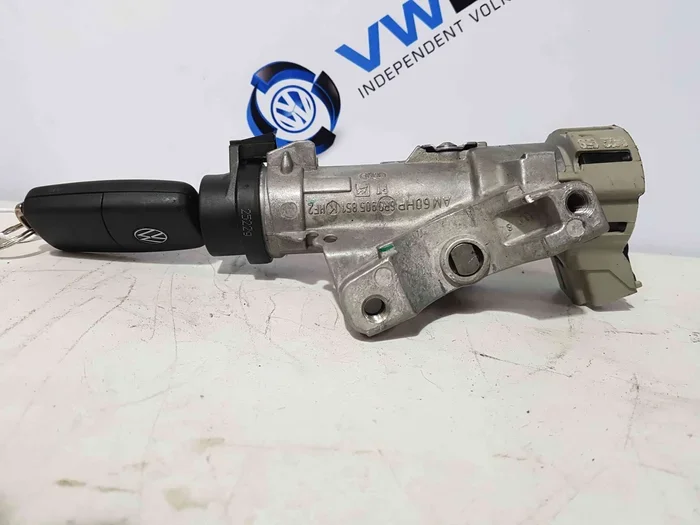
The ignition cylinder is the mechanical heart of your car’s starting system. It contains tiny spring-loaded pins called wafers or pins. When you insert the correct key, these pins align perfectly, allowing the cylinder to rotate. Over time, these pins wear down or get damaged.
A faulty ignition cylinder can cause the key to feel gritty or stuck. You might need to apply a lot of force to turn it. In some cases, the key goes in but will not rotate at all. If you suspect the cylinder is the problem, it is best to have it inspected by a professional. Ignition cylinder replacement is a common Volkswagen ignition repair procedure.
Dead Key Fob Battery
Many modern Volkswagen models use a smart key or keyless entry system. The key fob contains a small battery that sends a signal to the car. When this battery dies, the car cannot recognize the key. As a result, the push-start button will not work, and the car will not start.
This is one of the easiest problems to fix. Simply replace the battery in your key fob. Most Volkswagen fobs use a CR2025 or CR2032 battery. You can buy one at any drugstore or auto parts store for just a few dollars. The replacement process usually takes less than two minutes.
Common Causes of a Stuck Ignition Key
Let us dig deeper into the specific reasons your Volkswagen key wont turn in ignition. Understanding these causes will help you diagnose the problem quickly and choose the right fix.
Debris and Dirt Inside the Ignition
Dust, lint, and small particles can build up inside the ignition lock over time. This debris gets between the key and the internal pins. It creates friction that makes it hard for the key to turn. This is especially common if you live in a dusty area or if you often insert the key with dirty hands.
The fix is simple. You can use compressed air to blow out any loose debris. For stubborn dirt, a small brush or a toothpick can help clean the area around the keyhole. Some people also use a cotton swab dipped in a small amount of electrical contact cleaner. This removes grime without leaving a residue that could cause more problems later.
Transponder Key Malfunction
Most Volkswagen models built after the mid-1990s use a transponder key. This key has a small chip inside the plastic head. The chip sends a unique code to the car’s immobilizer system. If the code matches, the car will start. If it does not match, the car will not start, even if the key physically fits in the ignition.
A damaged transponder chip can cause your key to be rejected by the car. You might notice that the security light on your dashboard flashes when you try to start the engine. In some cases, the key will turn in the ignition but the engine will not crank. This is a Volkswagen key problem that requires a new key or reprogramming of the transponder chip.
Worn Ignition Switch
The ignition switch is the electrical component behind the ignition cylinder. It connects the electrical systems of your car when you turn the key. Over time, the internal contacts of the switch can wear out or corrode. This can cause intermittent starting problems.
You might notice that your car starts sometimes but not others. The dashboard lights might flicker when you turn the key. A worn ignition switch is a more serious issue that usually requires professional ignition switch replacement. If you suspect this is the problem, do not keep forcing the key. You could damage the switch further.
Misaligned Key
Sometimes the problem is as simple as a misaligned key. If your key has been bent slightly, it will not sit properly in the ignition cylinder. A bent key can push the internal pins at the wrong angle, preventing the cylinder from turning.
If you think your key might be bent, try inserting it slowly and gently. Do not force it. If the key is visibly bent, do not try to straighten it yourself. A locksmith can cut you a new key quickly and affordably. Trying to fix a bent key on your own can make the problem worse.
How to Fix a Volkswagen Key That Wont Turn
Now that you know the common causes, let us look at the fixes. These are practical steps you can take at home. Always start with the simplest solutions and work your way up to more complex ones.
Fix 1: Release the Steering Wheel Lock
This is the first thing you should try. As we discussed, the steering wheel lock is the most common reason a key gets stuck. Here is exactly what to do:
- Do not force the key. Forcing it can damage the ignition cylinder.
- Grab the steering wheel and wiggle it firmly left and right.
- At the same time, gently try to turn the key.
- You should feel the lock release after a few seconds.
- Once the lock releases, the key will turn freely.
This fix works about 80 percent of the time. It is quick, free, and requires no tools. Many VW owners have saved themselves a trip to the mechanic just by trying this simple trick first.
Fix 2: Jiggle the Key While Turning
If the steering wheel lock is not the issue, try jiggling the key while turning it. This works well when the key is slightly worn or when debris is causing minor obstruction.
- Insert the key fully into the ignition.
- Gently push the key inward while turning it clockwise.
- Try different angles and slight pressure variations.
- Do not use excessive force. If it does not move after a few tries, stop.
The idea is to shift the key slightly so the worn teeth can still reach the tumblers. This is a temporary fix, but it can get you to a locksmith or dealer for a proper solution.
Fix 3: Replace the Key Fob Battery
If your Volkswagen uses a push-button start system, a dead key fob battery is a likely cause. Here is how to replace it:
- Find the small release button on the back of the key fob.
- Press it and carefully separate the two halves of the fob.
- Remove the old battery and note its orientation.
- Insert a new CR2025 or CR2032 battery with the positive side facing up.
- Snap the fob back together and test the push-start button.
This fix takes less than two minutes and costs about five dollars for a replacement battery. It is the easiest and cheapest fix on this list. Many people overlook this simple solution and end up paying a mechanic for something they could have done themselves.
Fix 4: Use a Spare Key
Do you have a spare key? If so, try it. A spare key can tell you a lot about the problem. If the spare key works, then your original key is the problem. If the spare key also does not work, the issue is likely with the ignition cylinder or switch.
Keep your spare key in a safe place, but make sure you know where it is. Many people forget they have a spare key until they need it. If your spare key works, take your original key to a locksmith to get it duplicated or repaired.
Fix 5: Lubricate the Ignition Cylinder
Sometimes the ignition cylinder simply needs lubrication. Over time, the internal pins can dry out or get gummed up. A dry lock can make it very hard for the key to turn.
Use a graphite-based lubricant for this purpose. Do not use WD-40 or oil-based lubricants. These can attract dirt and make the problem worse over time. Here is what to do:
- Spray a small amount of graphite lubricant into the keyhole.
- Insert and remove the key several times to distribute the lubricant.
- Try turning the key again.
- If it still does not turn, the problem may be more serious than just dryness.
Graphite lubricant is cheap and available at most hardware stores. A single can can last you for years of occasional use.
Quick Tips for Stuck Ignition Keys
- Never force the key. Forcing a stuck key can break it inside the ignition cylinder. A broken key inside the cylinder is a much bigger problem to fix.
- Keep your spare key accessible. Store it in a different location from your primary key. This way, if one key fails, you are not stranded.
- Check the battery on your key fob regularly. Replace it once a year, even if it seems to be working fine. This prevents unexpected failures.
- Use your key gently. Do not yank the key out of the ignition. Pull it out slowly and straight. This reduces wear on the internal pins.
Step-by-Step Ignition Repair Process
If the simple fixes above did not solve your problem, you may need a more thorough repair. Here is a step-by-step process for diagnosing and fixing a Volkswagen key wont turn in ignition issue.
Step 1: Diagnose the Problem
Start by figuring out exactly what is happening. Does the key not go in at all? Does it go in but will not turn? Does it turn but the engine does not start? Each of these symptoms points to a different cause.
- Key will not go in: This is usually a steering wheel lock or a bent key.
- Key goes in but will not turn: This points to a worn key, debris, or a faulty ignition cylinder.
- Key turns but engine does not start: This could be a dead battery, a faulty starter, or a transponder key issue.
Take a moment to identify your specific symptom. This will save you time and money when you seek help.
Step 2: Try the Spare Key
Always try a spare key before moving on to more complex repairs. If the spare key works, you know the original key is the problem. If neither key works, the problem is in the ignition system itself.
Make sure your spare key is the correct type for your model. Some Volkswagen models use different key types depending on the year and trim level. Using the wrong spare key will not help you diagnose the problem accurately.
Step 3: Check the Key Fob Battery
For push-start Volkswagen models, check the key fob battery first. A weak battery can cause intermittent starting problems. You might notice that the car starts sometimes but not others. This is a classic sign of a dying key fob battery.
Replace the battery with a fresh one. If the car starts after the replacement, you have found your problem. If it still does not start, move on to the next step.
Step 4: Clean and Lubricate the Ignition
Use compressed air to blow out any debris from the keyhole. Then apply a small amount of graphite lubricant. Insert and remove the key several times to work the lubricant into the cylinder.
After lubricating, try turning the key again. If it turns smoothly, the problem was likely debris or dryness. If it still sticks, the ignition cylinder may need to be replaced.
Step 5: Replace the Ignition Cylinder
If none of the above steps worked, the ignition cylinder itself may need replacement. This is a job for a professional mechanic or a skilled DIYer with automotive experience.
The cost of an ignition cylinder replacement varies depending on your Volkswagen model. On average, you can expect to pay between 200 and 500 dollars for parts and labor. The part itself costs between 50 and 150 dollars, and the labor takes about one to two hours.
During the replacement, the mechanic will also rekey the new cylinder to match your existing key. This means you will not need a new key after the repair. However, if your key is also worn, it is a good idea to get a new key cut at the same time.
Comparison: Common Causes and Their Fixes
Here is a quick comparison of the most common causes and the best fix for each:
- Steering Wheel Lock: Wiggle the wheel while turning the key. Fix time: 30 seconds. Cost: Free.
- Worn Key Teeth: Get a new key cut. Fix time: 10 minutes. Cost: 10 to 30 dollars.
- Dead Key Fob Battery: Replace the CR2025 or CR2032 battery. Fix time: 2 minutes. Cost: 3 to 5 dollars.
- Debris in Ignition: Clean with compressed air and graphite lubricant. Fix time: 5 minutes. Cost: 5 to 10 dollars.
- Faulty Ignition Cylinder: Replace the cylinder. Fix time: 1 to 2 hours. Cost: 200 to 500 dollars.
- Transponder Key Issue: Replace or reprogram the key. Fix time: 30 minutes to 1 hour. Cost: 50 to 200 dollars.
When to Call a Professional Mechanic
While many Volkswagen ignition repair tasks can be done at home, some situations require professional help. Knowing when to call a mechanic can save you time, money, and frustration.
If you have tried all the DIY fixes and the key still will not turn, it is time to see a professional. The same is true if the key breaks off inside the ignition cylinder. A broken key inside the cylinder requires special tools to extract. Trying to remove it yourself can cause more damage.
You should also call a mechanic if you notice any of these warning signs:
- The key turns with extreme difficulty or feels like it is grinding.
- The ignition switch feels loose or wobbly when you turn the key.
- The dashboard warning lights flash when you try to start the car.
- The car starts intermittently and then stops working altogether.
- You smell burning plastic or electrical insulation near the ignition.
These symptoms could indicate a more serious electrical problem. Ignoring them can lead to bigger repairs and higher costs. A qualified mechanic can diagnose the issue properly and recommend the right repair.
When choosing a mechanic, look for one who specializes in Volkswagen vehicles. VW-specific mechanics have the right diagnostic tools and experience to handle ignition problems efficiently. They will also have access to genuine Volkswagen parts, which ensures the best fit and longest lifespan.
Preventing Future Ignition Problems
The best way to deal with a stuck key is to prevent the problem from happening in the first place. Here are some simple habits that can extend the life of your ignition system and keep your Volkswagen running smoothly.
Keep Your Key in Good Condition
Treat your Volkswagen key with care. Do not drop it, and do not put excessive pressure on it. Avoid hanging heavy keychains from your ignition key. The extra weight can put stress on the ignition cylinder over time.
If you notice your key is starting to wear down, get a new one before it becomes a problem. A new key is much cheaper than an ignition cylinder replacement. Many locksmiths can cut a new key for your Volkswagen on the spot.
Protect the Ignition from Dirt and Moisture
Keep the ignition area clean. Dirt and moisture can cause corrosion inside the cylinder. If you live in a humid or coastal area, this is especially important. You can use a protective cover over the ignition lock to keep out dust and debris.
In winter, ice can form around the ignition lock. If this happens, do not force the key. Use a de-icer spray or warm water to melt the ice before attempting to start the car. Forcing a frozen key can damage both the key and the cylinder.
Replace Key Fob Batteries on Schedule
Make it a habit to replace your key fob battery once a year. Even if the battery seems to be working, a weak battery can cause intermittent starting problems. A fresh battery ensures reliable communication between your key fob and the car.
Keep a spare battery in your glove box. This way, you will always have a replacement on hand when you need it. Most Volkswagen key fob batteries cost just a few dollars and are available at any convenience store.
Common Mistakes to Avoid
- Forcing the key: This is the number one mistake people make. Forcing a stuck key can bend it, break it, or damage the ignition cylinder. Always try gentle wiggling first.
- Using the wrong lubricant: Oil-based lubricants attract dirt and gum up the ignition cylinder. Always use graphite lubricant for ignition locks.
- Ignoring warning signs: If your key starts getting harder to turn, do not ignore it. Early intervention can prevent a minor issue from becoming a major repair.
- Using a worn spare key: If your spare key is also worn, it will not help you. Have both keys checked and replaced if needed.
Expert Insights on Volkswagen Ignition Problems
According to experienced Volkswagen technicians, most ignition problems fall into three categories: mechanical wear, electrical issues, and user error. Mechanical wear is the most common and affects older vehicles with higher mileage. Electrical issues are more common in newer models with keyless entry systems. User error, such as forcing the key or ignoring warning signs, is something that affects all Volkswagen owners regardless of the car’s age.
Technicians recommend taking a preventive approach to ignition maintenance. This means addressing small issues before they become big problems. A little care and attention can save you from a costly ignition repair down the road.
If you are unsure about any step in the repair process, it is always better to consult a professional. A few minutes of expert advice can prevent expensive mistakes. Many Volkswagen dealerships and independent shops offer free diagnostic checks for ignition problems.
Conclusion
A Volkswagen key that wont turn in ignition is a frustrating problem, but it is almost always fixable. Whether the cause is a locked steering wheel, a worn key, a dead fob battery, or a faulty ignition cylinder, there is a solution for every scenario. Start with the simplest fixes and work your way up to more complex repairs.
Remember to never force the key. Use the tips and steps in this guide to diagnose the problem accurately. If the DIY fixes do not work, do not hesitate to call a professional mechanic. A qualified Volkswagen technician can get you back on the road quickly and safely.
Taking care of your ignition system with regular maintenance and gentle use will help prevent future problems. Keep your keys in good condition, replace fob batteries on schedule, and address small issues before they become big ones. With the right approach, you can keep your Volkswagen starting smoothly for years to come.
Frequently Asked Questions
Why does my Volkswagen key get stuck in the ignition?
The most common reason is a locked steering wheel. When the steering column locks, it prevents the ignition cylinder from turning. Try wiggling the steering wheel left and right while gently turning the key. This releases the lock and allows the key to turn freely.
Can a dead key fob battery prevent my Volkswagen from starting?
Yes, absolutely. Modern Volkswagen models with push-button start rely on the key fob battery to communicate with the car. When the battery dies, the car cannot detect the key and will not start. Replacing the fob battery with a CR2025 or CR2032 usually fixes the problem immediately.
How much does it cost to replace a Volkswagen ignition cylinder?
On average, ignition cylinder replacement costs between 200 and 500 dollars. The part itself costs between 50 and 150 dollars, and the labor takes about one to two hours. Prices vary depending on your specific Volkswagen model and your location.
What should I do if my key breaks off in the ignition?
Do not try to remove the broken key yourself. You risk pushing it deeper into the cylinder or damaging the internal pins. Take your car to a professional mechanic or locksmith. They have specialized tools to extract the broken key safely and replace the ignition cylinder if needed.
Can I use WD-40 to lubricate my Volkswagen ignition?
No, you should not. WD-40 is an oil-based lubricant that attracts dirt and dust. Over time, this buildup can make the ignition worse. Always use a graphite-based lubricant for ignition locks. Graphite does not attract debris and provides long-lasting lubrication for the internal pins.
How do I know if my Volkswagen ignition switch is faulty?
Signs of a faulty ignition switch include intermittent starting problems, flickering dashboard lights, and a key that turns with extreme difficulty. If you notice these symptoms, have a professional mechanic diagnose the issue. A faulty ignition switch can cause bigger electrical problems if left unaddressed.