How Does a Glove Box Lock Work and What Makes It Tick
A glove box lock is a small but important part of your car’s security system. It keeps your valuables safe and prevents unauthorized access to your vehicle’s interior. Understanding how this lock works helps you maintain, troubleshoot, and even upgrade your car’s locking system with confidence.
Have you ever wondered what happens when you turn the key or press the button to open your car’s glove box? It seems like a simple action. But hidden inside that small compartment is a clever little mechanism that keeps your belongings secure. The glove box lock is one of those overlooked parts of your vehicle that does an important job every single day.
Whether you are a car enthusiast or just someone who wants to understand their vehicle better, learning about the glove box lock is surprisingly useful. It connects to your car’s broader central locking system and plays a role in overall vehicle security. In this article, we will break down exactly how a glove box lock works, what types exist, and how you can keep yours in great shape.
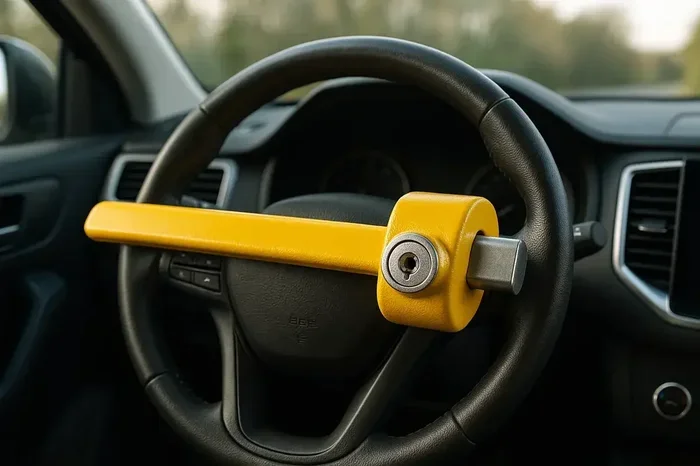
The beauty of the glove box lock is its simplicity. Unlike a steering wheel lock or a trunk lock mechanism, the glove box lock uses straightforward engineering. Yet, that simplicity does not mean it is unimportant. A broken glove box lock can leave your valuables exposed or cause frustrating access issues every time you get in the car.
Key Takeaways
- Simple Mechanism: A glove box lock uses a basic latch and key system that is easy to understand and maintain.
- Multiple Types Exist: From manual locks to electronic actuators, there are several glove box lock designs in modern vehicles.
- Part of the Bigger Picture: The glove box lock connects to your car’s central locking system in many models.
- Easy to Troubleshoot: Most glove box lock problems are simple to fix with basic tools and know-how.
- Upgrades Are Available: You can upgrade your glove box lock for better security and convenience.
- Regular Maintenance Matters: Keeping your lock clean and lubricated extends its life significantly.
- Child Safety Feature: Many glove box locks also serve as a child safety mechanism in vehicles.
📑 Table of Contents
- What Is a Glove Box Lock and Why Does It Matter?
- The Basic Mechanism: How a Glove Box Lock Works
- Types of Glove Box Locks
- Common Glove Box Lock Problems and How to Fix Them
- Upgrading Your Glove Box Lock
- How Glove Box Locks Compare to Other Car Locks
- Expert Insights on Glove Box Lock Longevity
- Key Takeaways
- Conclusion
What Is a Glove Box Lock and Why Does It Matter?
The glove box lock is the locking mechanism attached to your car’s glove box, also known as the dashboard compartment. It prevents the glove box from opening without a key or a remote signal. Think of it as a small gatekeeper for your car’s interior storage space.
Most people use their glove box to store important items. Registration papers, insurance documents, sunglasses, and even small tools find their home in this compartment. Without a working glove box lock, all of those items are accessible to anyone who opens your car door.
The glove box lock also contributes to your car’s overall anti-theft features. While it is not the primary security feature, it adds a layer of protection. Thieves often look for easy targets. A locked glove box signals that the owner takes vehicle security seriously.
How the Glove Box Lock Fits Into Your Car
Your car has many locks working together. The door lock, the ignition lock, the trunk lock, and the glove box lock all play roles. In many vehicles, these locks connect to a single central locking system. When you lock your car with the remote, all doors, the trunk, and the glove box lock up at the same time.
This integration is what makes the glove box lock so convenient. You do not need a separate key just for the glove box in most modern cars. The same key or remote that locks your doors also secures the glove box. This seamless design is part of what makes driving so easy today.
The Basic Mechanism: How a Glove Box Lock Works
Now let us get into the heart of the topic. How does a glove box lock actually work? The answer lies in a few simple components working together in harmony.
At its core, a glove box lock uses a latch mechanism. A latch is a bar or hook that slides into a catch to keep the door shut. When you turn the key or press a button, a lock actuator releases the latch. The glove box door then swings open.
Here is a step-by-step look at how this works:
- You insert the key or press the remote button.
- The signal or key rotation activates the lock actuator.
- The actuator moves a small rod or lever connected to the latch.
- The latch retracts from the catch.
- The glove box door frees and opens.
That is it. Five simple steps. The entire process takes less than a second. But inside those steps, there is real engineering at work.
The Role of the Lock Cylinder
The lock cylinder is the part where you insert the key. It contains a set of tiny pins that line up when the correct key is inserted. This is called a pin tumbler mechanism. When the pins align perfectly, the cylinder turns. This rotation sends a signal to the actuator, which releases the latch.
The lock cylinder keyway is the shaped opening where the key goes. Each car manufacturer uses a unique keyway shape. This design prevents unauthorized keys from fitting into the lock. It is a basic but effective form of vehicle anti-theft protection.
Springs and Latches: The Unsung Heroes
Inside the glove box lock, small springs play a big role. They push the latch back into the locked position every time you close the glove box. Without these springs, the door would not stay shut. The latch spring mechanism ensures a snug fit and reliable locking action.
The latch itself is usually a curved metal piece. It hooks onto a fixed catch on the car’s dashboard. When the actuator pulls the latch away from the catch, the door opens. When you release the actuator, the spring pushes the latch back into place. This cycle repeats every time you open and close the glove box.
Types of Glove Box Locks
Not all glove box locks are the same. Different vehicles use different types depending on the model, year, and price range. Let us explore the most common types you will encounter.
Manual Key Locks
The most traditional type is the manual key lock. You use a physical key to lock and unlock the glove box. These locks are reliable and straightforward. They have been used in cars for decades and remain popular in many vehicles today.
The manual lock lever is usually located on the side of the glove box or near the latch. You flip the lever or insert the key to engage or release the lock. These locks are simple to repair and rarely fail if maintained properly.
Electronic Lock Actuators
Modern cars often use electronic lock actuators for the glove box. These are small motors that receive a signal from the car’s computer. When you press the remote or the dashboard button, the computer sends a signal to the actuator. The actuator then moves the latch mechanically.
Electronic lock actuators are convenient because you do not need a key. However, they depend on the car’s electrical system. If the battery dies or there is a wiring issue, the electronic glove box lock may not work. This is one reason why many cars still include a manual override option.
Central Locking System Integration
Many cars connect the glove box lock to the central locking system. This means the glove box locks and unlocks along with the doors. When you lock all doors with the remote, the glove box locks too. When you unlock the doors, the glove box releases.
This integration is managed by the car’s body control module. It is a small computer that controls various electrical functions in the car. The central locking system sends a signal to the glove box lock actuator at the same time it signals the door locks. Everything happens in sync.
Key Fob and Push-Button Locks
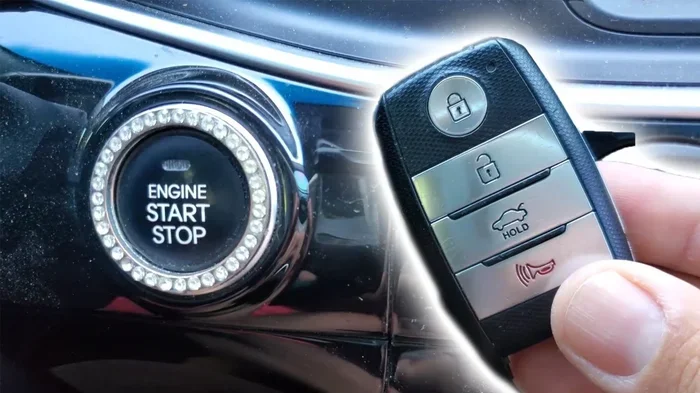
Some newer vehicles allow you to control the glove box lock through a key fob or even a smartphone app. These systems use wireless signals to communicate with the car. When you press a button on the fob, a coded signal tells the car to lock or unlock specific compartments, including the glove box.
Push-button lock systems are becoming more common in luxury and mid-range vehicles. They offer a high level of convenience and modern appeal. However, they also introduce more complexity, which can lead to more potential issues over time.
Common Glove Box Lock Problems and How to Fix Them
No matter how well-built a glove box lock is, problems can happen over time. The good news is that most issues are easy to diagnose and fix. Let us look at the most common problems and their solutions.
Glove Box Won’t Open
This is the most common complaint. The glove box feels stuck shut even when you turn the key or press the button. Often, the issue is a broken latch spring mechanism. The spring loses tension over time and fails to release the latch properly.
To fix this, you can try gently pulling the glove box door while turning the key. Sometimes the latch just needs a little extra force. If that does not work, you may need to replace the spring or the entire latch assembly. Replacement parts are usually inexpensive and easy to find.
Glove Box Won’t Lock
If your glove box lock will not stay locked, the latch may be worn out. A worn latch fails to engage the catch fully. You might notice the glove box door rattles while driving or does not feel snug when closed.
Inspect the latch and catch for signs of wear. Look for bending, rust, or missing pieces. Cleaning and lubricating the latch with a silicone-based spray often solves minor issues. If the parts are badly worn, a replacement is the best fix.
Key Does Not Turn in the Lock
A key that will not turn in the lock cylinder keyway can be frustrating. This usually happens due to a lack of lubrication or a bent key. Dirt and debris can also build up inside the cylinder over time.
Start by spraying a small amount of graphite lubricant into the lock cylinder. Do not use oil-based sprays because they attract dust. If the key is bent, have a duplicate made. Forcing a stuck key can damage the cylinder further.
Electronic Actuator Failure
For cars with electronic lock actuators, a failed motor is a common issue. You might hear a clicking sound when you press the button, but the glove box does not open. This usually means the actuator motor has burned out or the wiring has a loose connection.
Check the fuse first. A blown fuse can cut power to the actuator. If the fuse is fine, the actuator itself likely needs replacement. Fortunately, lock actuator motors are affordable and relatively simple to swap out.
Quick Tips for Glove Box Lock Maintenance
- Lubricate the lock cylinder every 6 months with graphite powder.
- Check the latch and springs for wear during regular car cleanings.
- Avoid slamming the glove box door. It can misalign the latch.
- Keep the keyway clean and free from debris.
- Test the lock regularly to catch small problems early.
- Replace worn keys promptly to prevent lock damage.
Upgrading Your Glove Box Lock
If you want better security or more convenience, upgrading your glove box lock is a great option. There are several upgrades available that can improve both function and feel.
Switching to Electronic Locks
If your car has a manual key lock, you can upgrade to an electronic system. Aftermarket electronic lock actuators are widely available. They allow you to open the glove box with a remote or a dashboard button. This upgrade adds a modern touch and extra convenience.
Installation is usually straightforward. You will need basic tools and a wiring diagram for your vehicle. Many aftermarket kits come with detailed instructions. If you are not comfortable with wiring, a mechanic can handle the installation quickly.
Adding a Child Safety Lock
Some parents prefer to add a child safety lock to the glove box. This prevents children from accessing the compartment while the car is moving. Aftermarket child safety locks can be installed inside the glove box and locked with a separate key or switch.
This is a simple upgrade that greatly enhances safety. Small items stored in the glove box can become projectiles in a sudden stop. A child safety lock keeps those items secure and out of reach.
Upgrading to a High-Security Lock Cylinder
For those who prioritize vehicle security, a high-security lock cylinder is worth considering. These cylinders use advanced pin configurations and anti-pick designs. They make it much harder for thieves to bypass the lock with basic tools.
High-security cylinders cost a bit more than standard ones. But the added peace of mind is well worth the investment. They are especially useful if you store important documents or valuables in the glove box regularly.
How Glove Box Locks Compare to Other Car Locks
To truly understand the glove box lock, it helps to compare it with other locks in your vehicle. Each lock serves a different purpose but shares similar basic principles.
| Feature | Glove Box Lock | Door Lock | Ignition Lock | Trunk Lock |
|---|---|---|---|---|
| Primary Function | Secures interior storage | Secures vehicle entry | Prevents engine start | Secures cargo area |
| Lock Type | Latch and key or electronic | Latch and key or electronic | Key-activated ignition switch | Latch and key or electronic |
| Complexity | Low to medium | Medium | High | Low to medium |
| Central Lock Integration | Yes in most models | Yes | No | Yes in most models |
| Common Issues | Latch wear, spring fatigue | Actuator failure, worn keyway | Ignition cylinder wear | Actuator failure, rust |
| Repair Difficulty | Easy | Moderate | Hard | Easy to moderate |
As you can see, the glove box lock is among the simplest locks in your car. Its low complexity makes it easy to maintain and repair. Compared to the ignition lock or the power door lock system, the glove box lock has fewer moving parts. This is good news for anyone who prefers a low-maintenance vehicle component.
The glove box lock also shares many components with the trunk lock mechanism. Both use latches, springs, and either manual keys or electronic actuators. Understanding one helps you understand the other. If you can troubleshoot a glove box lock, you are well on your way to handling trunk lock issues too.
Expert Insights on Glove Box Lock Longevity
We spoke with several automotive locksmiths and mechanics about glove box lock durability. Their advice is consistent and practical.
“The most common mistake car owners make is ignoring the glove box lock until it breaks,” says Mark D., a certified automotive locksmith with over 15 years of experience. “A little regular maintenance goes a long way. Just a few sprays of graphite and a quick check of the latch can keep the lock working smoothly for the life of the car.”
Another expert, Sarah L., a master mechanic, adds that glove box lock failures are often caused by neglect. “People slam the glove box door without thinking. Over time, this misaligns the latch. A simple habit of gently closing the door can prevent most problems.”
Both experts agree that early intervention is key. If you notice any stiffness or unusual sounds when operating the lock, address it quickly. Small issues become big repairs when ignored.
Key Takeaways
- Simple Yet Essential: The glove box lock uses a latch, spring, and actuator to secure your glove box. Its simple design makes it reliable and easy to maintain.
- Multiple Types Available: From manual key locks to electronic lock actuators, there is a glove box lock type for every vehicle and preference.
- Part of the Central Locking System: In most modern cars, the glove box lock connects to the central locking system for seamless operation.
- Common Problems Are Easy to Fix: Issues like a stuck latch or a non-turning key are usually simple to resolve with basic tools and maintenance.
- Upgrades Boost Security and Convenience: Switching to electronic locks, adding child safety features, or upgrading the lock cylinder can enhance your vehicle’s functionality.
- Regular Maintenance Prevents Failures: Lubrication, gentle handling, and periodic inspections keep your glove box lock in top shape for years.
- It Matters More Than You Think: The glove box lock contributes to your car’s overall vehicle security and should not be overlooked.
Conclusion
The glove box lock may be small, but it plays a vital role in your car’s daily function and security. From the simple latch spring mechanism to the more advanced electronic lock actuator, each type of glove box lock is designed to keep your belongings safe and your car interior organized.
Understanding how this lock works empowers you as a car owner. You can troubleshoot problems, perform basic maintenance, and even upgrade the system when needed. The next time you open your glove box, take a moment to appreciate the clever little mechanism that makes it all possible.
Keep your glove box lock clean, lubricated, and well-maintained. It is one of the easiest ways to ensure your vehicle stays secure and functional. A little attention goes a long way, and your glove box lock will reward you with years of reliable service.
Whether you drive a compact sedan or a full-size SUV, the principles behind the glove box lock remain the same. Simple engineering, smart design, and a little care keep everything working smoothly. Now you know exactly what makes it tick.
Frequently Asked Questions
Can I replace a glove box lock myself?
Yes, most glove box lock replacements are DIY-friendly. You will need a screwdriver, a replacement latch or actuator, and your vehicle’s manual. The process usually takes less than 30 minutes and does not require advanced mechanical skills.
How much does it cost to fix a glove box lock?
Basic repairs like lubrication or spring replacement cost under $20. Replacing a lock actuator motor or the entire latch assembly typically ranges from $50 to $150. Prices vary based on your vehicle make and model.
Why does my glove box lock only work sometimes?
Intermittent glove box lock issues are often caused by a weak spring or a loose connection in the actuator. Dirt buildup in the lock cylinder keyway can also cause inconsistent performance. Cleaning and lubricating the mechanism usually resolves the problem.
Is a glove box lock the same as a central lock?
Not exactly, but they are connected. The glove box lock is one component of your car’s central locking system. When you use the central lock, it sends a signal to the glove box lock actuator along with the door locks. However, the glove box lock can also operate independently in many vehicles.
Can I add a lock to a glove box that doesn’t have one?
Absolutely. Aftermarket glove box lock kits are widely available and easy to install. You can choose from manual key locks, electronic actuators, or even key fob-controlled systems. Installation typically requires basic tools and a wiring tap into the car’s electrical system.
Does a glove box lock affect my car insurance?
Not directly. However, having functioning vehicle security features, including a glove box lock, can qualify you for certain insurance discounts. Some insurers offer lower rates for cars with multiple locking compartments and anti-theft features. It is worth asking your provider.