Nebraska Window Tint Law What You Need to Know in 2025
Nebraska window tint law sets clear rules for how dark or reflective your car windows can be. Front side windows must allow at least 35% of light in, while the windshield tint is limited to the top five inches. Understanding these legal tint limits helps you avoid fines and stay safe on the road.
Driving a car with tinted windows feels great. You get less glare, more privacy, and better protection from the sun. But in Nebraska, window tinting is not just about style. The state has specific Nebraska window tint law rules that every driver must follow. If you get it wrong, you could face a ticket, a fine, or even fail your vehicle inspection. That is why knowing the rules before you tint your windows is so important.
Whether you are a first-time car owner or thinking about re-tinting your current vehicle, this guide covers everything you need. We will break down the legal limits, explain the exemptions, and share practical tips. By the end, you will know exactly what is allowed and what is not. Let us dive in.
Key Takeaways
- Front side windows must have a VLT of 35% or higher: This is the most important rule for Nebraska drivers.
- Windshield tint is allowed only on the top five inches: It must be non-reflective and below the AS-1 line.
- Back side windows and rear windshield have no darkness limit: You can apply any level of tint darkness on these windows.
- Reflective tint must not exceed 35% on front side windows: Back side windows have no reflective tint restriction.
- Medical exemptions are available: You can apply for a special permit if you have a qualifying condition.
- Tint violations can result in fines: Staying compliant saves you money and keeps you on the right side of the law.
- Dual side mirrors are required if the rear window is tinted: This ensures safe driving visibility.
📑 Table of Contents
Understanding Nebraska Window Tint Law Basics
The foundation of any tint law is the visible light transmission rating, commonly known as VLT. VLT measures how much light passes through your window film. The lower the VLT, the darker the tint. Nebraska law uses this measurement to set clear limits for different windows on your vehicle.
Here is the simple idea behind the rules. Your front windshield and front side windows need to let in enough light so you can see clearly. This keeps you and other drivers safe. The back windows have more freedom because they are farther from the driver. But there are also rules about reflective tint and mirror requirements that you need to know.
Every state handles window tint regulations a little differently. In Nebraska, the rules apply to passenger cars, SUVs, and vans. The laws focus on safety first. They balance your desire for privacy and comfort with the need for clear visibility. Let us look at the specific limits next.
What Does VLT Mean for Your Tint?
VLT stands for visible light transmission. It is a percentage that tells you how much light gets through your glass and film. For example, a 35% VLT means 35% of light passes through and 65% gets blocked. When you hear about legal tint limits, this is the number everyone is talking about.
In Nebraska, the VLT rules differ depending on which window you are tinting. The front windshield has its own set of rules. The front side windows have a specific VLT minimum. And the back windows are treated differently. Understanding these differences is the first step to staying compliant.
Legal Tint Limits for Different Vehicle Windows
This is the section most people care about. Here is a clear breakdown of what the law allows for each window on your vehicle. These rules apply to passenger vehicles registered in Nebraska.
Front Windshield: You can apply a non-reflective tint to the top five inches of your windshield. This strip must be above the AS-1 line marked by the manufacturer. The tint in this area cannot be reflective. It is designed to reduce sun glare without blocking your view of the road ahead.
Front Side Windows: These windows must allow more than 35% of light to pass through. In other words, your window tint percentage must be 35% VLT or higher. This rule keeps the driver’s view clear and helps law enforcement see inside your vehicle during traffic stops.
Back Side Windows: Nebraska law allows any level of darkness on these windows. Whether you choose a light tint or a very dark film, you are within the legal limit. This gives you a lot of flexibility for privacy and comfort in the rear of your vehicle.
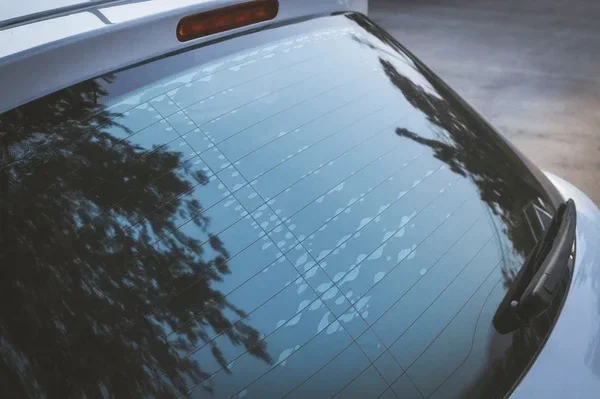
Rear Windshield: Just like the back side windows, the rear windshield can be tinted to any darkness. There is no VLT restriction. However, if you tint this window, you must have dual side mirrors. This requirement ensures you can still see behind your vehicle clearly.
| Window | Legal VLT Limit | Reflective Tint Allowed? |
|---|---|---|
| Front Windshield | Non-reflective, top 5 inches only | No |
| Front Side Windows | 35% or higher VLT | No more than 35% reflective |
| Back Side Windows | Any darkness allowed | No restriction |
| Rear Windshield | Any darkness allowed | No restriction |
Keep in mind that these limits apply to aftermarket tint film applied after the vehicle purchase. Factory tint from the manufacturer may have different standards. Always check your vehicle documentation if you are unsure about original tint levels.
Why Do Front Windows Have Stricter Rules?
The front windows matter most for driver safety. Your front side windows give you a clear view of traffic, pedestrians, and road conditions. Dark tint on these windows can reduce visibility, especially at night or in bad weather. That is why Nebraska sets a 35% VLT minimum for the front side windows.
The front windshield tint rule also makes sense. By limiting tint to the top five inches, drivers still get full visibility through the main viewing area. This strip helps block harsh sunlight from hitting your eyes without reducing your ability to see the road. It is a practical balance between comfort and safety.
Medical Exemptions and Special Allowances
Not everyone can tolerate regular levels of sunlight. Some people have medical conditions that make them very sensitive to UV light or bright sunlight. Nebraska understands this and offers a medical exemption path for those who qualify.
To get a medical exemption, you need a signed statement from a licensed physician. The doctor must explain why darker tint is medically necessary for your health. This could be due to conditions like lupus, photosensitivity disorders, or other skin or eye conditions that worsen with sun exposure.
Once you have the doctor’s statement, you can apply to the Nebraska Department of Motor Vehicles for an exemption permit. If approved, you may be allowed to tint your front side windows darker than the standard 35% VLT limit. The exemption is specific to the individual and the vehicle listed on the permit.
How to Apply for a Medical Exemption
The application process is straightforward but requires proper documentation. Start by visiting your doctor and explaining your condition. Ask them to provide a detailed letter that states your diagnosis and why darker window tint would benefit your health.
Next, gather your vehicle registration and identification. Submit these documents along with the medical letter to your local DMV office or through the Nebraska DMV online system if available. There may be a small processing fee. Once approved, keep the exemption permit in your vehicle at all times. You will need to show it if you are pulled over.
Important tip: Even with a medical exemption, your tint must still meet certain safety standards. The exemption allows for darker tint, but it does not give you unlimited freedom. Always follow the specific conditions listed on your permit.
Tint Film Types and What Is Allowed
Not all window tint films are the same. The market offers many options, and each type has different properties. Understanding these differences helps you choose a film that looks great and stays within Nebraska state regulations.
Dyed Film: This is the most common and affordable type. It uses a dye layer to absorb sunlight and reduce glare. Dyed film comes in various shades and provides good heat reduction. However, it may fade over time with constant sun exposure.
Metalized Film: This film contains tiny metallic particles that reflect heat and UV rays. It is more durable than dyed film and does not fade easily. The downside is that metallic film can interfere with cell phone signals and GPS reception inside your vehicle.
Carbon Film: Carbon film offers excellent heat rejection without the metallic look. It has a matte finish and does not fade as quickly as dyed film. This is a popular choice for people who want a clean, modern appearance on their vehicle.
Ceramic Film: This is the premium option. Ceramic film uses nano-ceramic particles to block heat and UV rays without affecting visibility or electronic signals. It is the most expensive option but also the most effective. If you want top performance and are willing to invest, ceramic film is hard to beat.
Reflective vs. Non-Reflective Tint
Reflective tint has a mirror-like finish that bounces sunlight away from your vehicle. It reduces heat gain and gives a sleek, dark appearance. Nebraska law restricts reflective tint on front side windows to no more than 35% reflectivity. Back side windows and the rear windshield have no reflective tint restriction.
Non-reflective tint, on the other hand, looks clear or slightly tinted from the outside. It reduces glare and heat without the mirror effect. This is the only type allowed on the front windshield strip. When choosing your film, always check the reflectivity rating to make sure it complies with the law.
Quick tip: Ask your tint shop for a tint certification sticker. This sticker shows the VLT level of your film. In Nebraska, while there is no state law requiring a certification sticker, having one can help if you ever get stopped and questioned about your tint.
Common Violations and Penalties
Nobody wants to get a tint ticket. But violations happen, especially when people are unaware of the rules. Understanding what counts as a violation can save you time, money, and hassle.
The most common violation is tinting front side windows darker than the allowed 35% VLT. This often happens when people buy dark film online without checking the legal limits. Another frequent issue is applying reflective tint to the front windshield, which is completely prohibited.
Missing dual side mirrors when the rear windshield is tinted is another violation. Some drivers tint the rear window for privacy but forget that the law requires additional mirrors to compensate for reduced rear visibility. This is an easy fix but an easy mistake to make.
Penalties for tint violations in Nebraska can include fines and a requirement to remove the illegal tint. The exact fine amount varies by county and the severity of the violation. In some cases, you may also fail your vehicle inspection until the tint is brought into compliance.
How to Avoid a Tint Violation
The best way to avoid a tint violation fine is to do your research before you tint. Choose a reputable tint shop that understands Nebraska regulations. Ask them to confirm the VLT of the film they are installing. Get everything in writing if possible.
Another smart move is to carry a tint meter reading with your vehicle documents. Some tint shops will provide this for free. If you are ever pulled over, showing the officer a reading that proves your tint is within legal limits can save you from unnecessary hassle.
Also, keep in mind that tint laws can change. What was legal last year may not be legal this year. Stay updated on any changes to Nebraska window tint law by checking the DMV website or asking your local tint professional.
Tips for Choosing Compliant Window Tint
Tinting your windows does not have to be stressful. With the right approach, you can enjoy a beautiful, compliant finish that enhances your driving experience. Here are some practical tips to guide you.
1. Know Your VLT Numbers: Before you visit a shop, decide what VLT you want for each window. Remember that front side windows need to be 35% or higher. Back windows can be any darkness you prefer. Having a plan saves time and prevents mistakes.
2. Choose a Licensed Tint Shop: A professional shop will know the local regulations inside and out. They can recommend films that meet legal requirements while still giving you the look and performance you want. Avoid DIY kits unless you are very experienced.
3. Ask About UV Protection: Good tint film does more than just darken your windows. Quality films block harmful UV rays that can cause skin damage and fade your interior. Ask your installer about UV rejection rates when choosing your film.
4. Consider Sun Glare Reduction: If you drive long distances or commute daily, sun glare can be a real problem. Tint films designed for glare reduction can make your drives more comfortable and safer. Look for films with high glare rejection ratings.
5. Get a Warranty: Quality tint comes with a warranty that covers bubbling, peeling, and fading. A good warranty gives you peace of mind and protects your investment. Ask the shop about their warranty terms before you commit.
6. Plan for Installation Time: Professional tint installation usually takes a few hours. The shop may ask you to leave your windows rolled up for 24 to 48 hours while the film cures. Plan accordingly so you are not stuck without your vehicle during this period.
What to Expect During Installation
Professional installation starts with a thorough cleaning of your window glass. The technician will measure each window and cut the film to size. They will then apply the film using a special solution that helps it conform to the glass. Any air bubbles are squeezed out during the process.
After installation, the film needs time to cure. During this period, you may notice some cloudiness or small bubbles. This is normal and usually clears up within a few days to a week. Avoid rolling down your windows or cleaning the windows during the curing period.
Once the film has fully cured, you will notice a noticeable difference. Your interior stays cooler, glare is reduced, and your vehicle looks sleek and polished. It is a simple upgrade that makes a big difference in your daily driving comfort.
Conclusion
Navigating the Nebraska window tint law does not have to be confusing. The rules are clear once you understand the basics. Front side windows need at least 35% VLT. The windshield can have a non-reflective strip on the top five inches. Back windows and the rear windshield can be tinted to any darkness, as long as you have dual side mirrors.
If you have a medical condition that requires darker tint, the exemption process is available to you. Choose a quality film from a reputable shop, and always ask about VLT levels and reflectivity before you commit. Staying compliant keeps you safe, saves you from fines, and ensures your vehicle passes inspection.
Take the time to learn the rules, pick the right film, and enjoy the benefits of properly tinted windows. A little knowledge goes a long way toward a smooth, hassle-free experience. Your car, your comfort, and your wallet will all thank you.
Frequently Asked Questions
What is the legal VLT limit for front side windows in Nebraska?
The legal VLT limit for front side windows in Nebraska is 35% or higher. This means your tint film must allow at least 35% of visible light to pass through the glass. Any tint darker than this on your front side windows is considered a violation and could result in a fine.
Can I tint my windshield in Nebraska?
Yes, but only the top five inches of the windshield can be tinted. The tint must be non-reflective and placed above the manufacturer’s AS-1 line. Tinting the lower portion of the windshield is not allowed under Nebraska window tint law.
Are there medical exemptions for window tint in Nebraska?
Yes, Nebraska allows medical exemptions for window tint. You need a signed letter from a licensed physician explaining why darker tint is medically necessary. Submit this letter along with your vehicle documents to the Nebraska DMV to apply for an exemption permit.
What happens if I get caught with illegal window tint in Nebraska?
If you are caught with illegal tint, you may receive a fine and be required to remove the tint. You could also fail your vehicle inspection until the tint is brought into compliance. Penalties vary by county and the severity of the violation.
Do I need dual side mirrors if my rear windshield is tinted?
Yes, Nebraska law requires dual side mirrors if your rear windshield is tinted. This ensures you have adequate visibility behind your vehicle. Without dual mirrors, the tint on the rear windshield would be considered a violation.
Is reflective tint allowed on any windows in Nebraska?
Reflective tint is allowed on back side windows and the rear windshield with no restriction on reflectivity. However, on front side windows, reflective tint cannot exceed 35% reflectivity. Reflective tint is not allowed on the front windshield at all.