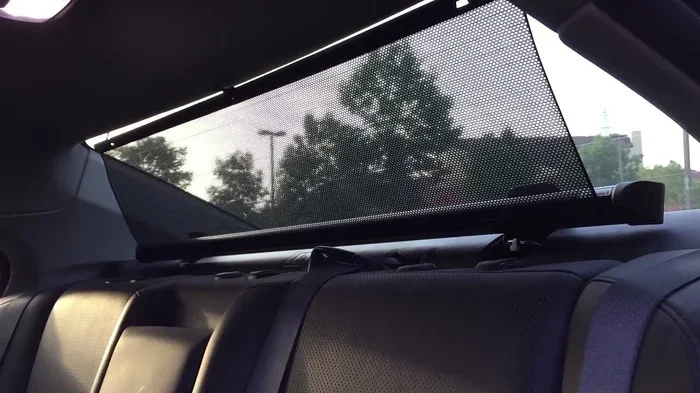
Car Back Window Shade Hacks That Actually Keep You Cool
Car back window shade hacks can transform your driving experience on hot days. These simple tools block UV rays, reduce interior heat, and protect your car’s interior from fading. Whether you drive a sedan, SUV, or minivan, the right shade keeps you and your passengers cooler and safer. In this guide, we share proven hacks that actually work to keep you cool every time you hit the road.
There is nothing worse than climbing into a hot car after a long day at work. The steering wheel burns your hands, the seats feel like a sauna, and the glare from the back window makes it hard to see. A car back window shade solves all of these problems and more. It is one of the simplest, most affordable car accessories you can own.
You might think a piece of fabric on your window will not make much difference. But trust us, the science behind solar heat rejection is real. Studies show that car sun protection products can reduce interior temperatures dramatically. The back window is one of the biggest culprits when it comes to heat buildup inside your vehicle. That is exactly why a back window sun shade deserves a spot in your car.
In this article, we are sharing car back window shade hacks that actually keep you cool. We will cover everything from the different types of shades available to installation tips and common mistakes. By the end, you will know exactly which shade works best for your car and how to use it effectively. Let us dive in.
Key Takeaways
- Better Cooling: A car back window shade can lower interior temperatures by up to 15 degrees Fahrenheit.
- UV Protection: Window shades block harmful UV rays that cause skin damage and fade your car’s interior.
- Multiple Types Available: From foldable shades to static cling options, there is a shade for every vehicle and budget.
- Easy Installation: Most shades require no tools and can be set up in under a minute.
- Kid and Pet Safety: Shades protect children and pets from direct sun exposure during car rides.
- Long-Term Savings: Proper shade use extends the life of your dashboard, seats, and upholstery.
📑 Table of Contents
- Why Your Car Back Window Shade Matters
- Types of Car Back Window Shades
- How to Choose the Right Car Back Window Shade
- Installation and Placement Tips
- Common Mistakes People Make with Car Back Window Shades
- Maintenance and Care Tips for Your Car Back Window Shade
- Expert Insights on Car Back Window Shades
- Quick Tips for Maximum Cooling
- Conclusion
Why Your Car Back Window Shade Matters
Most people focus on their windshield when they think about sun protection. But the back window plays a huge role in heating up your car’s interior. Here is why a car back window shade deserves your attention.
The Science of Heat Buildup
When sunlight hits your car, it passes through the glass and converts to heat. This is called the greenhouse effect. Your back window lets in a significant amount of solar energy, especially during midday driving. Without a shade, that energy gets trapped inside your vehicle.
The result is an interior temperature that can reach 150 degrees Fahrenheit on a hot day. Your dashboard, seats, and steering wheel absorb all of that heat. A heat shield car window reflects sunlight away before it can turn into trapped heat. This keeps your car significantly cooler.
UV Rays and Your Health
Ultraviolet rays are a serious concern for frequent drivers. UV exposure through car windows can cause skin damage over time. Children and babies are especially vulnerable. A car window shade blocks a large percentage of UV radiation, protecting everyone in the back seat.
Long-term UV exposure also fades your car’s interior. Your dashboard can crack, your seats can discolor, and your trim can look worn out years before its time. Using a rear window shade helps preserve your car’s appearance and value. It is a small investment with big returns.
Glare Reduction for Safer Driving
Sun glare through the back window can be distracting and dangerous. It affects your rearview mirror and side mirrors, making it harder to see traffic behind you. A car window cover reduces glare significantly, improving your visibility and reaction time on the road.
For parents who often have kids in the back seat, glare can be even more of a problem. Children squint and fuss when the sun hits their face directly. A simple shade solves this issue quickly and easily. You will notice the difference on your very first drive.
Types of Car Back Window Shades
Not all shades are created equal. There are several types available, and each one has its own strengths. Let us break down the most popular options for car back window shade solutions.
Foldable Shades
Foldable shades are the most common type you will find. They fold up into a compact size and unfold to cover your back window. Most models use a static cling backing that sticks to your glass without any adhesive. This makes them easy to install and remove.
These shades typically have a reflective silver or white surface on one side. The reflective side faces outward to bounce sunlight away. They are lightweight, affordable, and work well for most vehicles. If you are looking for a simple, effective solution, a foldable shade is a great starting point.
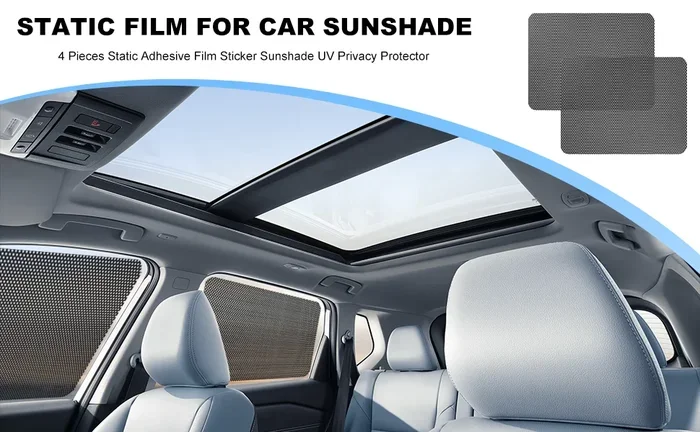
Static Cling Shades
Static cling shades are similar to foldable shades but they fit more snugly against the glass. They use static electricity to hold themselves in place. This means no clips, no suction cups, and no hassle. You just press them against the window and they stay put.
These shades often come in tinted or semi-tinted versions. The tint adds a nice aesthetic look while still providing excellent UV protection car benefits. Static cling shades are ideal for people who want a clean, streamlined look without bulky frames or clips.
Suction Cup Shades
Suction cup shades use small suction cups to attach to your back window. They tend to be more secure than static cling options, which makes them a good choice for highway driving or windy conditions. The suction cups hold the shade firmly in place so it does not shift or fall.
The downside is that suction cup shades can be harder to install and remove repeatedly. They also tend to leave marks on the glass over time. However, if you need a very secure fit, a suction cup car window visor is worth considering.
Custom-Fit Shades
Custom-fit shades are designed specifically for your car model. They match the exact shape and size of your back window for a perfect fit. These shades often look more professional and integrated compared to generic options.
They are usually more expensive, but they also tend to be higher quality. The materials are often more durable, and the fit is tighter. If you want the best possible vehicle window tint alternative without actually tinting your windows, a custom-fit shade is the way to go.
DIY and Portable Options
If you are on a tight budget, you can even create your own shade. People use everything from reflective emergency blankets to cardboard covered in aluminum foil. These DIY options are not as pretty, but they do work in a pinch.
Portable shades are another option. These are smaller shades that you can move between cars or store in your glove box. They are great for people who share vehicles or rent cars frequently. A portable car shade gives you flexibility without taking up much space.
How to Choose the Right Car Back Window Shade
With so many options available, choosing the right shade can feel overwhelming. Here are the key factors to consider when shopping for a car back window shade.
Consider Your Vehicle Type
The size and shape of your back window matters a lot. A sedan has a different window shape than an SUV or a minivan. Measure your back window before you buy any shade. Most manufacturers list compatible vehicle models on their packaging or product page.
For larger vehicles like SUVs and minivans, you may need a wider shade or even two smaller shades. Make sure the shade covers the entire window for maximum heat reduction window effectiveness. Partial coverage leaves gaps where heat and UV rays can still enter.
Check the Material Quality
The material of your shade determines how well it works and how long it lasts. Look for shades with a reflective coating on at least one side. The reflective layer is what bounces sunlight away and provides the most cooling benefit.
Mesh shades are another option. They allow some airflow while still blocking direct sunlight. This can be a great choice for humid climates where you want ventilation along with shade. Just keep in mind that mesh shades offer slightly less heat rejection than fully reflective options.
Think About Ease of Use
You are more likely to use a shade if it is easy to put up and take down. Look for shades with simple installation methods. Static cling and foldable designs are usually the most user-friendly. Avoid shades with complicated clips or frames that take forever to set up.
Also consider how easy it is to store the shade when not in use. A shade that folds into a small pouch or comes with a carrying bag is much more convenient. The best car back window shade is one you will actually use every single day.
Budget vs. Premium Options
You can find basic foldable shades for as little as ten to fifteen dollars. These work well for everyday use and are a great entry point. Premium custom-fit shades can cost fifty dollars or more, but they offer better fit, durability, and appearance.
Set a budget before you shop and look for shades that give you the best value within that range. Remember that even a budget shade provides significant benefits compared to using no shade at all. The most important thing is to actually use it consistently.
Installation and Placement Tips
Getting the most out of your car back window shade depends on how you install and position it. Follow these tips for the best results.
Clean Your Window First
Before you place any shade on your window, clean the glass thoroughly. Dirt, dust, and oils on the glass prevent static cling shades from adhering properly. Use a glass cleaner and a microfiber cloth to get a spotless surface.
This simple step makes a huge difference in how well your shade stays in place. A clean window also ensures better contact with the reflective surface, which improves heat rejection. Take the extra minute to wipe down your window before each installation.
Position the Reflective Side Outward
Most shades have a reflective side and a plain side. The reflective side should always face outward, toward the sun. This is the side that bounces sunlight and heat away from your car. If you install the shade backwards, it will not work nearly as well.
Some shades are reflective on both sides, which is even better. In that case, either side works. But if your shade has only one reflective side, make sure it faces the sun. This is one of the most common mistakes people make with their car sun protection accessories.
Cover the Entire Window
For maximum effectiveness, your shade should cover the entire back window. Even small gaps can let in a surprising amount of heat and UV rays. Make sure the shade fits snugly against all edges of the window.
If your shade is slightly smaller than your window, consider using two shades side by side. This ensures full coverage and eliminates any unprotected areas. The goal is to create a complete barrier between the sun and your car’s interior.
Use Additional Shades for Side Windows
While the back window is a major source of heat, your side windows also let in significant sunlight. Consider using car window visor shades on your side windows as well. This creates a comprehensive cooling system for your entire vehicle.
Side window shades are especially important for the driver and passenger seats. They reduce glare and protect your skin from UV exposure during long drives. A combination of back window and side window shades gives you the best overall protection.
Common Mistakes People Make with Car Back Window Shades
Even with the best shade, mistakes can reduce its effectiveness. Here are the most common errors to avoid.
Using the Shade Only in Summer
Many people only think about window shades during the summer months. But the sun can be just as strong in winter and spring. UV rays damage your car’s interior year-round, not just during the hottest months.
Make your shade a year-round habit. Use it every time you park your car outside, regardless of the season. This consistent use protects your interior and keeps your car cooler whenever you get in.
Ignoring the Dashboard
A shade on the back window helps, but it does not protect the dashboard from direct sunlight. The dashboard faces the windshield and takes a lot of sun exposure. Consider pairing your car back window shade with a windshield sun shade for full protection.
Dashboard cracking and fading is one of the most common signs of sun damage. A windshield shade blocks the sun before it reaches the dashboard. Together with your back window shade, you create a powerful defense against heat and UV damage.
Forgetting to Clean the Shade
Dust and dirt on your shade reduce its reflective effectiveness. A dirty shade bounces less sunlight away and can even trap heat against the window. Clean your shade regularly with a damp cloth and mild soap.
Let the shade dry completely before folding it up for storage. Moisture trapped in a folded shade can lead to mold and mildew. A clean shade works better and lasts longer, so make this part of your routine car care.
Buying the Wrong Size
One of the biggest mistakes is buying a shade without measuring your window first. A shade that is too small leaves gaps, and a shade that is too big wrinkles and does not lie flat. Both situations reduce effectiveness.
Always check the dimensions listed by the manufacturer and compare them to your actual window size. If you are between sizes, go with the larger option. It is much easier to trim a slightly large shade than to deal with one that does not cover enough of the window.
Maintenance and Care Tips for Your Car Back Window Shade
Your shade is an investment in your car’s comfort and longevity. Taking care of it ensures it works well for years to come.
Proper Storage
When you are not using your shade, store it in a cool, dry place. Avoid leaving it in your car where it can get hot and brittle. Most shades come with a storage pouch or bag. Use it to protect the shade from dust and damage.
Fold the shade according to the manufacturer’s instructions. Improper folding can create permanent creases that reduce the shade’s effectiveness. A well-stored shade will last much longer and continue to perform at its best.
Regular Inspection
Periodically check your shade for signs of wear and tear. Look for cracks in the reflective coating, tears in the fabric, or loose edges. A damaged shade does not block heat and UV rays as effectively as a new one.
If your shade is showing significant wear, it is time to replace it. Replacement shades are affordable and easy to find. Keeping your shade in good condition ensures you always get the full benefits of car window shade protection.
Know When to Upgrade
Technology in car shades has improved a lot in recent years. Newer shades offer better heat rejection, lighter materials, and more stylish designs. If your shade is several years old, consider upgrading to a newer model.
Look for shades with improved reflective coatings and durable frames. Some modern shades even come with magnetic edges for a stronger hold on the window. Upgrading your shade is a small change that can make a big difference in your driving comfort.
Expert Insights on Car Back Window Shades
We spoke with automotive care experts about the real impact of window shades. Their insights confirm what we have been sharing throughout this article.
“A car back window shade is one of the most underrated car accessories,” says automotive specialist Mark Torres. “Most people invest in seat covers and floor mats but overlook the window. A good shade can reduce interior temperatures by up to fifteen degrees and significantly extend the life of your car’s interior components.”
Experts also emphasize that consistency matters. Using your shade every time you park makes a cumulative difference over months and years. The small effort of putting up a shade pays off in cooler drives, better interior condition, and reduced UV exposure for you and your passengers.
Quick Tips for Maximum Cooling
- Use your car back window shade every time you park, not just on the hottest days.
- Pair your back window shade with a windshield shade for full front and rear protection.
- Tint your windows legally if you want permanent heat and UV reduction.
- Leave your windows cracked slightly when parked to allow airflow and reduce heat buildup.
- Use a dashboard cover or sun protector to shield your dashboard from direct sun.
- Choose a shade with a high reflectivity rating for the best cooling performance.
- Keep a shade in your trunk or back seat so you always have it available.
Conclusion
A car back window shade is one of the simplest and most effective tools you can use to keep your car cool and protected. It blocks harmful UV rays, reduces interior heat, cuts down on glare, and preserves your car’s interior from sun damage. The hacks and tips shared in this article are easy to implement and deliver real results.
Whether you choose a foldable shade, a static cling option, or a custom-fit model, the key is consistency. Use your shade every time you park, take care of it properly, and pair it with other car sun protection accessories for the best results. Your car, your skin, and your passengers will thank you.
Start today. Pick up a quality back window sun shade and feel the difference on your next drive. Once you experience how much cooler your car stays, you will wonder how you ever drove without one. Stay cool, stay protected, and enjoy every ride.
Frequently Asked Questions
How effective is a car back window shade at reducing heat?
A quality shade can reduce interior temperatures by up to fifteen degrees Fahrenheit. The reflective surface bounces sunlight away before it converts to heat inside your car. For the best results, use the shade on every parking session.
Can I use a car back window shade on any vehicle?
Yes, most shades are designed to fit a wide range of vehicles. However, measuring your back window before purchasing ensures the best fit. Custom-fit shades are available for specific car models if you want a perfect match.
Are car back window shades safe for children and pets?
Absolutely. Shades block harmful UV rays that can damage skin and eyes. They also reduce glare, making the back seat more comfortable for kids and pets. Many parents and pet owners consider shades an essential safety accessory.
How do I clean my car back window shade?
Use a damp cloth and mild soap to wipe down the shade. Avoid harsh chemicals that can damage the reflective coating. Let the shade dry completely before folding or storing it to prevent mold and mildew.
Should I leave my car back window shade installed while driving?
It depends on your preference and local laws. Some drivers keep shades up while driving to reduce glare and heat. Others prefer to remove them for better visibility. Make sure the shade does not obstruct your rearview mirror or side mirrors.
What is the difference between a car back window shade and a windshield shade?
A back window shade covers the rear window, while a windshield shade fits the front windshield. Both serve the same purpose of blocking sunlight and reducing heat. Using both together provides the most comprehensive car sun protection for your vehicle.