How Much Will a 2-Inch Lift Cost for Your Pickup Truck
The 2-inch lift cost for a pickup truck typically ranges from $400 to $2,500 for parts alone, with full installation pushing the total to $1,200–$4,500. Several factors influence the final price, including your truck model, lift kit type, and whether you DIY or hire a professional. This guide covers every cost detail so you can budget confidently for your truck’s suspension upgrade.
So you want to add a 2-inch lift to your pickup truck. Maybe you have seen trucks rolling down the street with that perfect lifted stance. Or maybe you need more ground clearance for trails and rough roads. Either way, the 2-inch lift cost is probably your first question. And it is a smart one. Before you spend a single dollar, you need to know what you are getting into.
A 2-inch lift is one of the most popular suspension modifications for pickup trucks. It strikes a great balance. You get a noticeable improvement in looks and capability without going overboard. But the total cost can surprise you if you do not plan ahead. This guide will walk you through every expense, every option, and every decision you need to make.
We will cover everything from the price of the lift kit itself to labor costs, hidden fees, and whether you should tackle the job yourself. By the end, you will have a clear picture of what a 2-inch lift will cost for your specific truck. Let us get into it.
Key Takeaways
- Part costs vary widely: Budget kits start around $400, while premium kits can exceed $2,500 before installation.
- Installation adds $800–$2,000: Professional labor costs depend on your location, truck model, and kit complexity.
- DIY saves significant money: If you have basic tools and mechanical skills, you can cut labor costs entirely.
- Your truck model matters: Popular trucks like the Ford F-150, Toyota Tacoma, and Chevy Silverado have more affordable kit options.
- Hidden costs add up: Factor in new shocks, alignment fees, and potential trimming for a realistic budget.
- A 2-inch lift improves both looks and function: You gain ground clearance, better off-road capability, and a more aggressive stance.
- Compare kits before buying: Not all 2-inch lift kits are created equal — quality, materials, and warranty differ greatly.
📑 Table of Contents
- What Is a 2-Inch Lift and Why Do People Get One?
- What Determines the 2-Inch Lift Cost?
- Average 2-Inch Lift Cost by Truck Model
- DIY vs. Professional Installation: Which Saves More?
- Hidden Costs of a 2-Inch Lift That People Forget
- How to Choose the Right 2-Inch Lift Kit for Your Budget
- Is a 2-Inch Lift Worth the Cost?
- Final Thoughts on 2-Inch Lift Cost
What Is a 2-Inch Lift and Why Do People Get One?
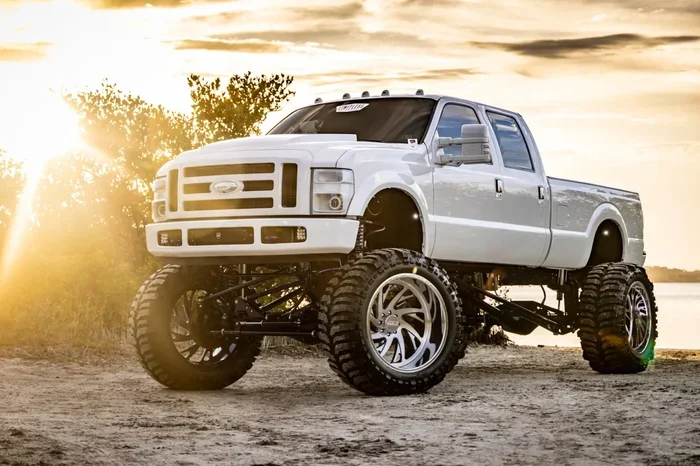
A 2-inch lift raises your truck’s body or suspension by two inches from the factory height. This might sound small, but the effects are significant. You gain more ground clearance, a more aggressive look, and better approach and departure angles for off-roading.
There are two main types of 2-inch lifts you should know about:
- Body lift: This uses spacers between the truck’s frame and body. It raises the body without changing the suspension geometry. Body lifts are simpler and cheaper.
- Suspension lift: This replaces or modifies springs, shocks, and sometimes control arms. It raises both the body and the suspension. Suspension lifts offer better ride quality and more wheel travel.
Most truck owners who ask about the 2-inch lift cost are looking for a suspension lift. It provides the best combination of aesthetics and performance. A body lift alone can feel cheap and may cause issues with the factory bumpers or fender wells over time.
What Determines the 2-Inch Lift Cost?
The price of a 2-inch lift is not a single number. Many factors push the cost up or pull it down. Understanding these factors helps you make smart choices and avoid surprises.
Type of Lift Kit
The single biggest factor is the type of kit you choose. A basic leveling kit, which just adds spacers to the front, costs much less than a full suspension lift kit. Here is a quick breakdown:
- Leveling kits: These are the cheapest option. They only raise the front of the truck to match a lifted rear or create a level stance. Prices start around $150–$400.
- Budget suspension kits: These include basic components like lift blocks and new shocks. They typically cost $400–$900.
- Mid-range kits: These come with better components, polyurethane bushings, and upgraded shocks. Expect to pay $900–$1,800.
- Premium kits: These include high-quality shocks, control arms, and sometimes new leaf springs. Prices range from $1,800–$2,500 or more.
Your truck model also plays a big role. Popular models like the Ford F-150, Toyota Tacoma, and Chevy Silverado have many aftermarket options. This competition keeps prices lower. Less common trucks may have fewer kit choices, which can drive the cost up.
Installation Method: DIY vs. Professional
How you install the kit is another major cost factor. Doing it yourself saves a lot of money. But it requires time, tools, and mechanical knowledge. Professional installation ensures the job is done right but adds a significant expense.
Most shops charge between $800 and $2,000 for a 2-inch lift installation. The exact price depends on your location, the shop’s hourly rate, and how complex the kit is. Some kits require more labor because they involve cutting, welding, or replacing multiple components.
Additional Components You Will Need
Here is something many people overlook. The lift kit is not the only thing you need to buy. A proper 2-inch lift often requires additional components to work correctly and safely.
- New shock absorbers: Factory shocks may not work well with a lifted truck. Upgraded shocks typically cost $100–$400 for a set.
- Wheel alignment: Any suspension change affects your alignment. A professional alignment costs $75–$150.
- Sway bar end links: These may need replacement if the lift changes the geometry. Expect $40–$100.
- Brake line extensions: Some lifts require longer brake lines. These cost around $20–$50.
- Body mounts: For body lifts, new body mounts are essential. They run $30–$80 for a full set.
When you add all of these together, the real 2-inch lift cost is higher than just the kit price alone. Always budget for these extras from the start.
Average 2-Inch Lift Cost by Truck Model
Every truck is different. The make, model, and year all affect the price of a lift kit. Below is a look at average costs for some of the most popular pickup trucks on the road today.
Ford F-150 2-Inch Lift Cost
The Ford F-150 is the best-selling truck in America. Because of this, there are tons of aftermarket options. A 2-inch lift kit for an F-150 typically costs between $400 and $1,800 for the kit alone. Installation runs about $800–$1,500 at most shops. The total 2-inch lift cost for an F-150 usually falls between $1,200 and $3,300.
Popular brands for F-150 lift kits include Bilstein, Icon Vehicle Dynamics, and Rough Country. Each offers different price points and quality levels. Budget kits from brands like Level Lift or ReadyLIFT are great for basic needs. Premium kits from Icon or King provide superior performance for serious off-roaders.
Toyota Tacoma 2-Inch Lift Cost
The Toyota Tacoma is a favorite among off-road enthusiasts. Its 2-inch lift cost is slightly higher than average because of the truck’s popularity and the demand for quality kits. A Tacoma 2-inch lift kit ranges from $500 to $2,000. Installation costs are similar at $800–$1,500.
Total 2-inch lift cost for a Tacoma typically lands between $1,300 and $3,500. The higher end includes premium kits with better components and longer warranties. Many Tacoma owners also upgrade their rear leaf springs since the factory setup can sag over time.
Chevy Silverado 2-Inch Lift Cost
Chevy Silverado owners have plenty of lift kit options as well. The 2-inch lift cost for a Silverado generally falls between $400 and $1,700 for the kit. Professional installation adds $800–$1,600. The full 2-inch lift cost for a Silverado ranges from about $1,200 to $3,300.
Silverado owners should pay attention to whether they have a rear leaf spring or coil spring setup. This affects which kits are compatible and how much the installation will cost.
GMC Sierra 2-Inch Lift Cost
The GMC Sierra shares many components with the Silverado, so the 2-inch lift cost is very similar. Kit prices range from $400 to $1,800, and installation runs $800–$1,600. Total costs fall in the $1,200–$3,400 range.
Sierra owners sometimes pay slightly more for name-brand kits that are specifically tuned for the Sierra’s ride characteristics. But the difference is usually small.
DIY vs. Professional Installation: Which Saves More?
This is one of the most important decisions you will make. Your choice directly affects the total 2-inch lift cost. Let us compare both options honestly.
Doing It Yourself
If you have a basic garage setup and some mechanical experience, a DIY 2-inch lift is very doable. The main savings come from eliminating labor costs, which are typically $800–$2,000. You only pay for the kit and any additional parts.
Here are some tips if you plan to go the DIY route:
- Invest in quality tools: You will need a floor jack, jack stands, torque wrench, and possibly a spring compressor. Renting or buying a spring compressor is essential for suspension lifts.
- Watch installation videos: Many kit manufacturers provide detailed video guides. Watch them before you start. This saves time and prevents mistakes.
- Take your time: Rushing a lift installation leads to errors. Budget a full weekend for the job, especially if it is your first time.
- Get an alignment afterward: Even if you do everything perfectly, a suspension change affects alignment. Budget $75–$150 for a professional alignment after your DIY install.
The DIY approach can save you $800–$2,000 compared to professional installation. That is a significant chunk of the total 2-inch lift cost.
Hiring a Professional
Professional installation offers peace of mind. A certified technician has the experience, tools, and workspace to do the job correctly. This is especially important for suspension lifts that involve cutting or welding.
Here is what you get with professional installation:
- Correct torque on all bolts: Over-tightening or under-tightening can be dangerous. Pros know the right specs.
- Proper alignment: Most shops include a free alignment with their installation service.
- Warranty on labor: Many shops guarantee their work. If something goes wrong, they fix it.
- Time savings: What takes you a full weekend can take a professional a few hours.
The downside is the added cost. But for most people, the extra expense is worth the confidence that comes with a professionally installed lift.
Hidden Costs of a 2-Inch Lift That People Forget
Everyone focuses on the lift kit price and installation cost. But there are several hidden expenses that can catch you off guard. Planning for these costs prevents budget surprises.
Wheel and Tire Upgrades
A 2-inch lift gives you room for larger tires. Many truck owners take this opportunity to upgrade their wheels and tires at the same time. A new set of aftermarket wheels and all-terrain tires can easily add $1,000–$2,500 to your project. This is not required for the lift itself, but most people end up doing it.
Fuel Economy Impact
You should also consider the long-term cost of reduced fuel economy. A lifted truck has more wind resistance and weighs more. This can lower your miles per gallon by 1–3 MPG depending on your driving habits. Over a year, this could add $100–$300 to your fuel costs.
Insurance and Registration
Some states require you to re-register or re-insure a lifted truck. The changes to your vehicle may trigger a new classification. Check with your insurance provider and your local DMV before you start the project. This is an often-overlooked cost that can range from $0 to $200.
Trim and Fender Modifications
Depending on your truck and the kit you choose, you may need to trim fender liners or modify plastic trim pieces. These parts are usually inexpensive ($10–$50 each) but add to the overall project time and cost.
Ongoing Maintenance
A lifted truck puts different stress on components. You may need to replace upper control arms, steering components, or UV joints sooner than on a stock truck. Budget an extra $200–$500 per year for maintenance if you use your truck off-road regularly.
How to Choose the Right 2-Inch Lift Kit for Your Budget
With so many options on the market, choosing the right lift kit can feel overwhelming. Here are some practical tips to help you make the best decision for your budget and needs.
Define Your Goals
Before you shop, ask yourself what you want from the lift. Are you looking for a mild stance upgrade? Do you need serious off-road capability? Your goals determine the type of kit you need.
- Street and light off-road use: A budget or mid-range kit is all you need. You do not need the most expensive components.
- Serious off-roading: Invest in a premium kit with quality shocks, control arms, and reinforced components. The 2-inch lift cost will be higher, but the performance is worth it.
- Cosmetic lift only: A leveling kit or basic body lift keeps costs low while giving your truck a more aggressive look.
Research Brands and Read Reviews
Not all lift kits are created equal. Some brands cut corners to offer lower prices. Others use premium materials and engineering. Spend time reading reviews and watching installation videos before you buy.
Look for kits that include a good warranty. A manufacturer who stands behind their product is usually a sign of quality. Brands like Bilstein, Icon, and King offer excellent warranties and proven performance.
Get Multiple Quotes
If you plan to have the kit professionally installed, get quotes from at least three shops. Prices can vary significantly based on location and shop reputation. Do not automatically choose the cheapest option. Look for shops with good reviews and experience installing your specific kit.
Consider the Total Cost
Remember that the 2-inch lift cost is more than just the kit price. Add up the kit, installation, new shocks, alignment, and any extra components. This gives you the true cost of the project. Planning for the total cost prevents financial stress later.
Is a 2-Inch Lift Worth the Cost?
This is the question every truck owner asks before lifting their vehicle. The honest answer depends on what you want from your truck.
If you use your truck for daily driving and never go off-road, a 2-inch lift might not be necessary. You will gain a more aggressive look and slightly better visibility. But you will also deal with potential ride quality changes, higher fuel costs, and the ongoing maintenance we discussed.
If you hit trails, haul gear, or simply love the look of a lifted truck, a 2-inch lift is absolutely worth it. The improved ground clearance opens up new trails and adventures. The enhanced stance gives your truck a presence that stock trucks simply do not have.
Many truck owners say the 2-inch lift cost was one of the best upgrades they ever made. It transforms the driving experience and opens up a whole new world of capability and style.
Final Thoughts on 2-Inch Lift Cost
The 2-inch lift cost for your pickup truck depends on several factors. The kit type, your truck model, installation method, and additional components all play a role. On average, expect to spend between $1,200 and $3,500 for a complete 2-inch lift project.
Budget kits offer an affordable entry point. Premium kits deliver the best performance and durability. And professional installation ensures everything is done safely and correctly. Whatever path you choose, do your research and plan your budget carefully.
A 2-inch lift is a fantastic modification that enhances both the look and capability of your pickup truck. With the right kit and proper installation, you will enjoy the benefits for years to come. The 2-inch lift cost is an investment in your truck’s potential.
Start by deciding what you need from your lift. Then research kits that fit your goals and budget. Get quotes from local shops or plan your DIY approach. And always remember to factor in the hidden costs. With a solid plan in place, you will be rolling in style with your newly lifted truck before you know it.
FAQs
Is a 2-inch lift worth it on a pickup truck?
Yes, a 2-inch lift is worth it for most truck owners. It provides a noticeable improvement in ground clearance, off-road capability, and overall stance. The cost is reasonable compared to larger lifts, and the benefits are significant. Whether you use your truck for work, play, or both, a 2-inch lift adds real value.
Can I install a 2-inch lift kit myself?
Yes, if you have basic mechanical skills and the right tools. Many truck owners successfully install their own 2-inch lift kits at home. You will need a floor jack, jack stands, a torque wrench, and possibly a spring compressor. The job typically takes one full weekend. Just remember to get a professional alignment afterward.
Does a 2-inch lift affect my truck’s warranty?
It depends on your manufacturer’s warranty policy. Some manufacturers cover suspension modifications, while others do not. If you are concerned about warranty coverage, check with your dealer before installing a lift kit. Keep in mind that the Magnuson-Moss Warranty Act may protect you in some cases, but it is always best to confirm directly with the manufacturer.
Will a 2-inch lift change how my truck drives?
A 2-inch lift can slightly change your truck’s driving feel. You may notice a bit more body roll in turns and a slightly different ride quality. However, most modern lift kits use quality components that minimize these changes. On the road, the difference is usually small. Off-road, the improved clearance makes a big positive difference.
Do I need new tires after a 2-inch lift?
You do not need new tires right away, but many truck owners upgrade their tires after a lift. A 2-inch lift gives you room for slightly larger tires, which can improve off-road performance and ground clearance even more. If you stay with your current tire size, the lift will still work perfectly fine for most uses.
How long does it take to install a 2-inch lift?
Professional installation typically takes 4–8 hours depending on the kit and truck model. DIY installations usually take a full weekend, especially for first-timers. The time varies based on the complexity of the kit and your experience level. Always allow extra time for proper torque specs and alignment checks.