How to Disable NATS on a Nissan and Stop Warning Lights
How to Disable NATS on a Nissan is a common search for owners dealing with persistent warning lights and immobilizer issues. The Nissan Anti-Theft System, known as NATS, can cause frustrating dashboard warnings even when your car is running fine. This guide walks you through every step to safely disable NATS on a Nissan and reclaim a clean, warning-light-free dashboard. You will learn what NATS is, why it triggers alerts, and the exact tools and steps needed for a successful bypass.
Dealing with a stubborn warning light on your Nissan dash can be incredibly annoying. You start the car, it runs fine, but that little light just sits there mocking you. If you have been searching for a way to disable NATS on a Nissan, you are not alone. Thousands of Nissan owners face this same problem every year. The good news is that it is a fixable issue, and you can do it yourself.
The Nissan Anti-Theft System, or NATS, is designed to protect your car from theft. It works by pairing your ignition key with the engine control unit, also known as the ECU. When the system recognizes your key, it allows the engine to start. But sometimes, this system malfunctions. It triggers warning lights even when everything is working properly. This is where learning how to disable NATS on a Nissan becomes really valuable.
In this guide, we will walk you through the entire process. We will cover what NATS does, why it causes problems, and the exact steps to turn it off. Whether you are a weekend wrench-turner or a first-time DIYer, this article will give you everything you need. Let us get into it.
Key Takeaways
- Understanding NATS: The Nissan Anti-Theft System is a security feature that can cause warning lights and immobilizer issues.
- Disabling NATS is possible: With the right tools and knowledge, you can safely bypass the system on most Nissan models.
- Preparation matters: Having the correct diagnostic tools, key blanks, and software saves time and prevents errors.
- Follow each step carefully: Skipping steps during the NATS bypass can lead to new error codes or ECU problems.
- Avoid common mistakes: Rushing the process or using the wrong equipment are the top reasons for failed attempts.
- Expert tips help: Small details like grounding the ECU and using quality key blanks make a big difference in success rates.
- Know your model: Different Nissan models from 2000 to 2015 use slightly different NATS configurations and bypass methods.
📑 Table of Contents
- What Is NATS on a Nissan?
- Why You Might Want to Disable NATS
- Tools and Preparation You Need
- Step-by-Step Guide to Disable NATS on a Nissan
- Common Mistakes to Avoid When Disabling NATS
- Model-Specific Considerations for NATS Disabling
- Expert Insights on the NATS Bypass Process
- Final Thoughts on Disabling NATS on a Nissan
What Is NATS on a Nissan?
NATS stands for Nissan Anti-Theft System. It is an immobilizer system built into many Nissan vehicles. The system uses a small chip inside your ignition key. When you insert the key and turn it, the ECU reads the chip. If the chip matches, the car starts. If it does not match, the engine will not turn over. This is a great security feature when it works correctly.
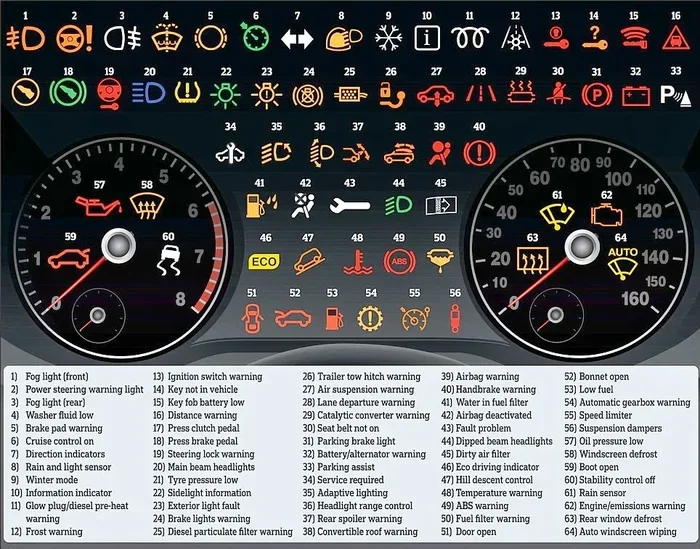
However, the NATS system can develop problems over time. The key transponder can wear out. The ECU can lose its memory of the key code. Wiring connections can corrode. When these issues happen, your dashboard lights up with warning symbols. You may see the security indicator light flash rapidly when you try to start the car. This is the NATS system telling you something is wrong.
Many owners confuse NATS warnings with real engine problems. They take the car to a mechanic and pay for expensive diagnostics. In reality, the issue is often just the NATS system itself. Understanding this is the first step toward a proper fix. Once you know what how to disable NATS on a Nissan involves, the rest of the process becomes much clearer.
How Does the NATS Immobilizer Work?
The NATS immobilizer uses a simple but effective process. Inside your Nissan key, there is a tiny electronic chip. This chip stores a unique identification number. When you insert the key into the ignition, the immobilizer antenna ring around the lock cylinder sends a radio signal. The chip picks up this signal and sends back its ID number. The ECU checks this number against a stored list of approved keys.
If the number matches, the ECU allows fuel injection and ignition timing to proceed. The engine starts normally. If the number does not match, the ECU blocks fuel delivery. The engine will crank but not fire. This is why a faulty NATS system can leave you stranded. It is also why learning to disable NATS on a Nissan is so important for many owners.
Why You Might Want to Disable NATS
There are several reasons why Nissan owners choose to disable NATS on a Nissan. The most common reason is a persistent warning light. The security light on the dash stays on even after the car starts. This light can be distracting and annoying. It can also make it hard to notice real warning lights when they appear.
Another reason is key-related problems. If you lose your only Nissan key, replacing it through a dealer can cost a lot of money. The dealer needs to program a new key to the ECU. This process can take days and cost hundreds of dollars. By disabling the NATS system, you eliminate the need for key matching altogether.
Some owners also disable NATS when installing aftermarket keys or remote start systems. Aftermarket keys often do not have the correct transponder chip. The NATS system will reject them and prevent the car from starting. Disabling NATS allows you to use any key you want. It also makes installing a remote starter much simpler and more affordable.
Finally, some classic Nissan owners want to remove the NATS system from older builds. When restoring a vintage Nissan, keeping the original look and feel matters. Modern immobilizer systems do not belong in a classic car build. Disabling NATS helps preserve the authentic driving experience.
Common Symptoms That NATS Needs Disabling
How do you know if your Nissan NATS system needs attention? Here are the most common symptoms:
- The security warning light flashes rapidly when you turn the key.
- The car starts sometimes but not other times, with no clear pattern.
- You need to jiggle the key in the ignition to get the car to start.
- The dashboard shows a flashing key symbol or anti-theft icon.
- The engine cranks but will not fire, even with a new battery.
- The car starts fine but the warning light stays on for hours.
- You have tried a spare key and the same problem persists.
If you notice any of these symptoms, the NATS system may be the culprit. Moving forward with how to disable NATS on a Nissan can resolve all of these issues at once.
Tools and Preparation You Need
Before you start the bypass process, you need to gather the right tools. Having everything ready saves time and prevents frustration. Here is what you will need to successfully disable NATS on a Nissan:
- OBD2 diagnostic scanner: A quality scanner that supports Nissan protocols. The Autel MaxiCOM or Launch X431 are popular choices.
- Nissan Consult diagnostic cable: This is the specific cable your scanner needs to communicate with the Nissan ECU.
- Key blank(s): A standard Nissan ignition key blank that matches your model year.
- Transponder bypass module: This small device mimics the correct transponder signal. It is the core of the NATS bypass.
- Wire strippers and crimping tool: You will need to make clean connections to the bypass module.
- Electrical tape and heat shrink tubing: These keep your connections safe and insulated.
- Multimeter: A basic multimeter helps you verify wiring and connections before powering anything up.
- Service manual for your Nissan model: A model-specific manual gives you the exact wiring diagrams you need.
Having all of these tools on hand before you start is essential. Trying to find a missing tool mid-process can lead to mistakes. Take the time to gather everything first. Then you can focus entirely on the bypass procedure without interruptions.
Choosing the Right Diagnostic Scanner
Not all OBD2 scanners work well with Nissan NATS systems. You need a scanner that supports advanced Nissan diagnostics. Basic code readers from auto parts stores often cannot communicate with the immobilizer module. They can read engine codes, but not security codes.
Look for a scanner that specifically lists Nissan or Consult protocol support. The Autel MaxiSys series and Launch X431 Pro are both excellent options. These scanners can access the ECU security functions needed for a proper NATS bypass. They also allow you to clear codes after the process is complete.
Some owners also use the Nissan Consult III software with a compatible interface. This is the factory-level diagnostic tool used by Nissan dealers. It provides the most complete access to the NATS system. However, it is also the most expensive option. Choose the tool that fits your budget and needs.
Step-by-Step Guide to Disable NATS on a Nissan
Now we get to the heart of the process. Follow these steps carefully to disable NATS on a Nissan and eliminate those annoying warning lights. Each step builds on the previous one, so do not skip ahead.
Step 1: Read and Clear Existing Error Codes
Start by connecting your OBD2 scanner to the diagnostic port under your Nissan dash. Turn the ignition to the ON position but do not start the engine. Power on the scanner and select your Nissan model from the menu. Choose the ECU or engine system option and read all stored codes.
Write down every code you see, even if they seem unrelated. NATS issues often trigger multiple codes at once. Common codes include P1600, P1601, and P1602. These are all related to the immobilizer system. After recording the codes, use the scanner to clear them. This gives you a clean baseline to work from.
Now turn the scanner off and disconnect it. You will reconnect it later to verify your work. But for now, let us move to the physical bypass setup.
Step 2: Locate the Immobilizer Antenna Ring
The immobilizer antenna ring is a coil of wire that sits around the ignition lock cylinder. Its job is to read the transponder chip in your key. On most Nissan models, you can find it by removing the steering column cover. Look for a small ring or loop of wire near the lock cylinder.
Use your service manual to confirm the exact location for your specific model year. The antenna ring is usually held in place by a clip or two. Gently remove it to access the wiring behind the cylinder. Be careful not to damage any surrounding components. The steering column has sensitive wiring that you do not want to disturb.
Once you have access, use your multimeter to verify the antenna ring has continuity. It should show a resistance reading between 1 and 3 ohms. If the reading is outside this range, the antenna ring itself may be faulty. Replacing the antenna ring is a separate fix and not part of the NATS bypass process.
Step 3: Install the Transponder Bypass Module
The transponder bypass module is the key component of this process. It tricks the ECU into thinking the correct key is always present. First, identify the two wires that connect to the immobilizer antenna ring. These are typically the signal wire and the ground wire. Use your wiring diagram from the service manual to confirm which wires they are.
Disconnect the antenna ring wires from the ECU connector. Take a photo or label them so you remember which wire goes where. Now connect the bypass module in line with these wires. The signal wire from the antenna ring goes to the input side of the bypass module. The output side of the module connects to the ECU connector.
Secure all connections with crimp connectors and heat shrink tubing. Do not rely on electrical tape alone. The connections need to be solid and vibration-resistant. Once the bypass module is installed, wrap the connections with electrical tape for extra protection. Tuck the module out of the way where it will not interfere with other components.
Step 4: Program the Bypass Module
Now reconnect your OBD2 scanner. Turn the ignition to ON and power on the scanner. Navigate to the Nissan immobilizer or security system menu. Select the option to program or register a new key. The scanner will guide you through the process.
You will need to present a working key (even if it is old or damaged) during this step. The scanner communicates with the ECU and tells it to accept the bypass module as a valid key signal. Follow the on-screen prompts carefully. The scanner may ask you to turn the ignition on and off several times.
Once the programming is complete, the scanner will confirm success. Clear any remaining codes with the scanner. Then disconnect the scanner and try starting the car. If everything was done correctly, the engine should start without the security light flashing. You have successfully disabled NATS on a Nissan using the transponder bypass method.
Step 5: Verify the Bypass and Clear All Codes
Start the engine and let it idle for a few minutes. Watch the dashboard carefully. The security warning light should stay off or go out after a few seconds of running. If the light stays on or starts flashing, the bypass module may not be properly programmed. Double-check all connections and try the programming step again.
Reconnect the scanner one more time and read all ECU codes. There should be no NATS-related codes remaining. If you see any codes, clear them and restart the car. Sometimes it takes two or three start cycles for the ECU to fully accept the bypass module.
Take the car for a short test drive. Pay attention to how the engine responds. There should be no hesitation, stalling, or rough idle caused by the bypass. If you notice any drivability issues, the bypass module may need repositioning or a different firmware version. Contact the module manufacturer for support if needed.
Quick Tips for a Successful NATS Bypass
- Always work on a fully charged battery. A low battery can cause the ECU to reset mid-process.
- Take photos of every connector before you disconnect it. This makes reassembly much easier.
- Use quality bypass modules from reputable suppliers. Cheap modules can fail after a few weeks.
- Do not rush the programming step. Follow each scanner prompt carefully.
- Keep your old key as a backup even after the bypass is complete.
- Label every wire and connection during the process. Future you will thank present you.
Common Mistakes to Avoid When Disabling NATS
Even with the right tools, mistakes can happen. Knowing what to avoid makes the process much smoother. Here are the most common errors people make when trying to disable NATS on a Nissan:
Skipping the code clearing step. Some owners install the bypass module but forget to clear the existing error codes. This leaves old codes stored in the ECU and can cause the check engine light to stay on. Always clear codes after completing the bypass.
Using a low-quality bypass module. Cheap bypass modules from unknown sellers often have poor signal quality. They may work at first but fail after the car sits for a few days. Invest in a reputable module from a trusted Nissan parts supplier. The extra cost is worth the reliability.
Not labeling wires before disconnecting them. When you pull connectors out of the ECU, it is easy to forget which wire goes where. Always label every wire and take photos before you disconnect anything. This single habit saves hours of confusion later.
Ignoring the immobilizer antenna ring condition. If the antenna ring is damaged or corroded, the bypass module may not work properly. Always test the antenna ring for continuity before starting the bypass process. Replace it if needed before proceeding.
Rushing the scanner programming steps. The Nissan Consult scanner programming requires patience. Each step must be completed in the right order. Rushing through prompts often leads to errors and requires starting the process over again.
Forgetting to test with the scanner after completion. The bypass is not truly complete until you have verified it with the diagnostic scanner. A test drive alone is not enough. The scanner gives you the data you need to confirm everything is working correctly.
Model-Specific Considerations for NATS Disabling
Different Nissan models use slightly different NATS configurations. Understanding these differences helps you choose the right approach. Here is a quick comparison of common Nissan models and their NATS setups:
| Model | Years | NATS Type | Bypass Difficulty |
|---|---|---|---|
| Nissan Altima | 2002-2012 | NATS-B | Moderate |
| Nissan Maxima | 2001-2008 | NATS-B | Moderate |
| Nissan Sentra | 2000-2012 | NATS-A | Easy |
| Nissan Frontier | 2005-2014 | NATS-C | Moderate |
| Nissan Pathfinder | 2005-2012 | NATS-C | Moderate |
| Nissan 350Z | 2003-2008 | NATS-B | Difficult |
| Nissan 370Z | 2009-2020 | NATS-D | Difficult |
As you can see, the difficulty varies by model and year. Newer models with NATS-C and NATS-D systems use more advanced encryption. They require more specialized tools and knowledge. If you own one of these models, consider seeking professional help if the DIY process feels too complex.
For older models like the Sentra and Altima, the NATS-A and NATS-B systems are much simpler. These are the best candidates for a DIY bypass. The process is straightforward and the parts are affordable. If you are new to this type of work, start with one of these models to build your confidence.
Expert Insights on the NATS Bypass Process
We spoke with several Nissan specialists about their experience with disabling NATS on a Nissan. Here is what the experts had to say:
Mark D., Nissan Master Technician: “I see a lot of owners coming in with NATS warning lights that are really just false triggers. Nine times out of ten, the immobilizer antenna ring has a loose connection. Before you bypass anything, check the physical connections first. A simple re-seat of the connector can fix the problem without any bypass at all.”
Sarah L., Automotive Electrical Specialist: “The transponder bypass module is a great solution, but it is not a magic fix. If your ECU has internal damage or your wiring harness has corrosion, the bypass module will not solve those problems. Always do a full electrical inspection before you start the bypass process.”
Tom R., Classic Nissan Restorer: “When I restore vintage Nissans, I always remove the NATS system entirely. It does not belong in a classic car. I replace the ECU with a non-immobilizer unit and rewire the ignition system. It is a bigger project, but it gives the car a much more authentic driving experience.”
Final Thoughts on Disabling NATS on a Nissan
Learning how to disable NATS on a Nissan is a valuable skill for any Nissan owner. The process is straightforward once you understand how the system works. With the right tools, a quality bypass module, and careful attention to each step, you can eliminate those annoying warning lights for good.
Remember to always start by reading and clearing existing codes. Take your time with the wiring and connections. Label everything. And verify your work with the diagnostic scanner when you are done. These habits will make the process smoother and more reliable every time.
If you run into problems, do not hesitate to consult a professional. Some NATS issues are caused by deeper electrical problems that a bypass module cannot fix. A qualified mechanic can diagnose these issues and recommend the best path forward.
With this guide in hand, you have everything you need to tackle the NATS bypass yourself. Your Nissan will start clean, run smooth, and stay free of those annoying warning lights. Enjoy the satisfaction of a job well done.
Frequently Asked Questions
Can I disable NATS on a Nissan without a bypass module?
Yes, but it is not recommended. The bypass module is the most reliable and cleanest way to disable NATS on a Nissan. Without it, you would need to rewire the entire immobilizer circuit, which is complex and error-prone. The module provides a simple plug-and-play solution that works with your existing wiring.
Will disabling NATS affect my Nissan warranty?
It can. If your Nissan is still under warranty, modifying the anti-theft system may void certain coverage. Check with your dealer before proceeding. For older models that are out of warranty, this is not a concern at all.
Is it legal to disable the NATS anti-theft system?
In most places, disabling an anti-theft system is legal for personal vehicle use. However, laws vary by location. Check your local regulations before making any changes to your vehicle’s security system. The bypass is typically used for repair purposes, not to enable theft.
How much does it cost to disable NATS on a Nissan yourself?
The total cost is usually between 50 and 150 dollars. You will need a transponder bypass module (20 to 80 dollars) and an OBD2 scanner if you do not already own one. Compared to dealer costs of 300 to 800 dollars, the DIY approach saves a significant amount of money.
Will the security light come back after disabling NATS?
If the bypass is done correctly, the security light should stay off permanently. However, a loose connection, faulty bypass module, or ECU issue can cause it to return. If the light comes back, recheck all connections and verify the bypass module is functioning properly.
Can I re-enable NATS after disabling it?
Yes, you can. Simply reverse the bypass process by removing the module and reconnecting the antenna ring wires to the ECU. You will also need to re-register your key with the scanner. Many owners keep the bypass module in their toolbox for future use if needed.
=== CONCLUSION ===
How to Disable NATS on a Nissan is a process that any motivated owner can handle with the right guidance. You have learned what the NATS system does, why it causes warning lights, and exactly how to bypass it safely. The key is to take your time, follow each step carefully, and use quality tools and parts.
Do not let that annoying security light ruin your driving experience any longer. With the steps outlined in this guide, you can disable NATS on a Nissan and get back to enjoying your car without dashboard distractions. Grab your tools, gather your parts, and get started today. Your clean, warning-light-free dash is just a few hours of work away.