Are Maseratis Good Cars Everything You Need to Know
Are Maseratis good cars? Yes, they offer stunning Italian design, powerful engines, and a luxurious driving experience that few brands can match. However, owning a Maserati comes with high maintenance costs, frequent repairs, and steep depreciation. This guide covers everything you need to know about Maserati ownership, from reliability and upkeep to whether the experience is worth the price.
Key Takeaways
- Stunning Italian Design: Maseratis are built with premium materials and eye-catching aesthetics that turn heads everywhere.
- Strong Performance: The engines deliver thrilling acceleration and a sporty driving feel that enthusiasts love.
- High Maintenance Costs: Routine upkeep and repairs can cost significantly more than mainstream luxury brands.
- Steep Depreciation: Maseratis lose value faster than many competitors, which affects resale prices.
- Reliability Concerns: Common issues include electrical gremlins, suspension wear, and engine quirks that need attention.
- Worth It for Passionate Owners: If you value style and driving pleasure over practicality, a Maserati can be a rewarding choice.
📑 Table of Contents
- Are Maseratis Good Cars? A Complete Guide for Car Buyers
- The Maserati Ownership Experience
- Maserati Reliability: What You Need to Know
- Maserati Maintenance and Repair Costs
- Maserati Depreciation: The Hidden Cost
- Maserati Models Compared
- Is a Maserati Worth the Money?
- Tips for Buying a Used Maserati
- Final Thoughts: Are Maseratis Good Cars?
Are Maseratis Good Cars? A Complete Guide for Car Buyers
Are Maseratis good cars? That is a question many car lovers ask. The short answer is yes. Maserati builds some of the most beautiful and exciting cars on the road. But there is more to the story than just good looks. If you are thinking about buying one, you need to understand what ownership really looks like.
Maserati is an Italian luxury brand with a long history. The company was founded in 1914 in Bologna, Italy. Over the years, Maserati has built sports cars, sedans, and SUVs that blend style with performance. But the brand is not without its challenges. High costs, repair bills, and reliability concerns are real factors to consider.
In this article, we will break down everything you need to know. We will look at reliability, maintenance costs, common problems, and the overall ownership experience. By the end, you will have a clear picture of whether a Maserati is the right car for you.
The Maserati Ownership Experience
Driving a Maserati feels special. The interior is filled with leather, wood trim, and soft-touch materials. The engine sounds deep and powerful. Every detail is designed to make you feel like you are in a premium Italian sports car. This is what makes Maserati ownership so appealing to many drivers.
But the experience goes beyond just driving. Maserati owners often talk about the attention they get on the road. The brand stands out from more common luxury names like BMW or Mercedes. For people who love cars, that emotional connection matters a lot.
The Driving Feel
Maseratis are built for driving pleasure. The steering feels responsive. The suspension is tuned for sportiness. Whether you are on a highway or a winding road, the car feels alive. The engines deliver strong acceleration and smooth power delivery. This is what sets Maserati apart from many competitors.
That said, the ride can be firm. If you prioritize comfort over sportiness, you might find some Maserati models too stiff. It is a trade-off that comes with the sporty character of these cars.
Interior and Comfort
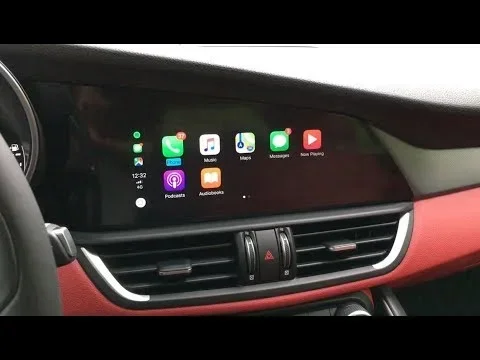
The cabin quality in modern Maseratis is excellent. Seats are comfortable and supportive. The materials feel expensive and well put together. Technology features like infotainment screens and driver assistance systems are included. However, the user interface can sometimes feel less polished than what you find in a Lexus or Mercedes.
Maserati Reliability: What You Need to Know
Reliability is one of the biggest concerns for Maserati buyers. The brand has a mixed reputation when it comes to long-term dependability. Some owners report few problems, while others face frequent trips to the shop. Understanding the common issues can help you make a smarter decision.
Common Maserati Reliability Issues
Several problems come up repeatedly in Maserati ownership discussions. Here are some of the most reported ones:
- Electrical Gremlins: Maseratis are known for occasional electrical issues. These can range from minor glitches to more annoying problems with the infotainment system or sensors.
- Suspension Wear: The sporty suspension setup can wear out faster than expected. Components like shocks and control arms may need replacement over time.
- Engine Concerns: Some models have experienced issues with turbochargers, fuel systems, and engine sensors. These can lead to costly repairs if not caught early.
- Transmission Problems: The automatic transmissions in some Maserati models have been known to cause hesitation or rough shifts.
How Does Maserati Compare to Other Luxury Brands?
When you compare Maserati reliability to brands like Lexus or Porsche, the gap is clear. Lexus consistently ranks at the top for reliability. Porsche also scores well. Maserati falls behind both in most consumer reports and owner surveys. This does not mean every Maserati will be unreliable, but it is something to keep in mind.
Regular maintenance can help reduce the risk of major problems. Staying on top of oil changes, fluid flushes, and inspections goes a long way. But even with proper care, Maseratis tend to need more attention than some competitors.
Maserati Maintenance and Repair Costs
The cost of owning a Maserati is one of the most important factors to consider. These cars are not cheap to maintain. And when something does break, the repair bills can be steep.
Routine Maintenance Costs
Standard maintenance like oil changes, tire rotations, and brake pad replacements costs more at a Maserati dealer than at a regular mechanic. Here is a rough comparison:
- Oil Change: $250 to $400, depending on the model and engine type.
- Tire Replacement: A set of performance tires can cost $1,200 or more.
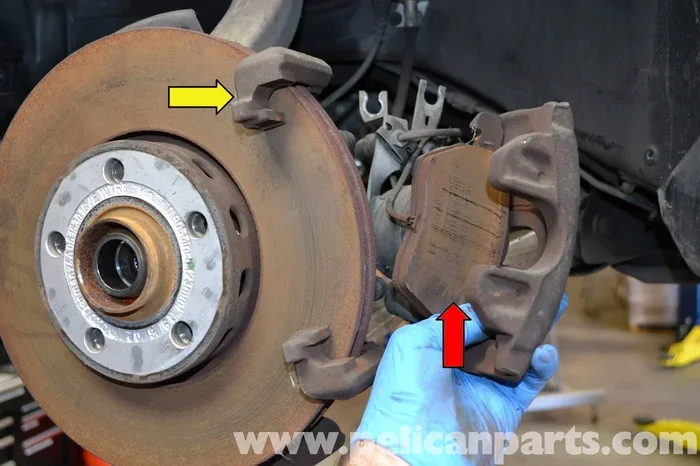
- Brake Service: Replacing brake pads and rotors can run $800 to $1,500 per axle.
- Annual Maintenance: Expect to spend $1,500 to $3,000 per year on basic upkeep.
These numbers are significantly higher than what you would pay for a BMW or Audi. They are even more dramatic compared to mainstream brands like Toyota or Honda.
Major Repair Costs
When a major component fails, the cost can be shocking. A new turbocharger can cost several thousand dollars. Replacing a transmission can easily exceed $5,000. Electrical system repairs can add hundreds more. These costs are part of the reason why Maserati ownership is best suited for people with higher budgets.
Can You Save Money on Maintenance?
Yes, there are ways to reduce costs. Using an independent mechanic who specializes in Italian cars can save you a lot. Many independent shops have the same diagnostic tools and parts access as dealers but charge lower labor rates. Just make sure the shop has experience with Maserati models.
Also, staying on top of small issues before they become big ones is key. A small sensor problem that costs $200 to fix today could turn into a $2,000 repair if ignored.
Maserati Depreciation: The Hidden Cost
One of the biggest financial hits with any luxury car is depreciation. Maseratis are no exception. In fact, they tend to lose value faster than many comparable brands.
Why Do Maseratis Depreciate So Fast?
Several factors contribute to the steep depreciation curve:
- Low Demand: Maserati sells far fewer cars than BMW or Mercedes. Lower demand in the used market drives prices down.
- High Maintenance Costs: Buyers of used Maseratis know the upkeep will be expensive, which makes them hesitant to pay full price.
- Brand Prestige: Unlike Porsche or Ferrari, Maserati does not carry the same level of brand cachet that holds value over time.
- Model Cycle Changes: When Maserati releases a new model or refresh, older models lose value quickly.
What Does This Mean for Buyers?
If you buy a new Maserati, expect it to lose 40% to 50% of its value within the first three to five years. A Maserati Ghibli that costs $80,000 new might be worth $40,000 or less in just a few years. This can be a tough pill to swallow for anyone who plans to sell later.
On the flip side, this depreciation can work in your favor if you buy used. A three-year-old Maserati with low miles can offer incredible value. You get the luxury and performance at a fraction of the original price. Just be prepared for the maintenance costs that come with an older car.
Maserati Models Compared
Maserati offers several models, and each has its own strengths and weaknesses. Here is a quick look at the current lineup.
Maserati Ghibli
The Ghibli is Maserati’s entry-level sedan. It offers a good balance of luxury and performance. The twin-turbo V6 engine delivers strong acceleration. The interior is well-appointed with quality materials. However, rear seat space is limited compared to rivals like the BMW 5 Series. The Ghibli is a great choice for someone who wants a sporty luxury sedan without the price tag of a top-tier model.
Maserati Quattroporte
The Quattroporte is Maserati’s full-size luxury sedan. It offers more space, more power, and more premium features. The V6 and V8 engine options provide impressive performance. The ride is smooth and refined. This is the model for buyers who want a Maserati that can do daily duty while still feeling special.
Maserati Levante
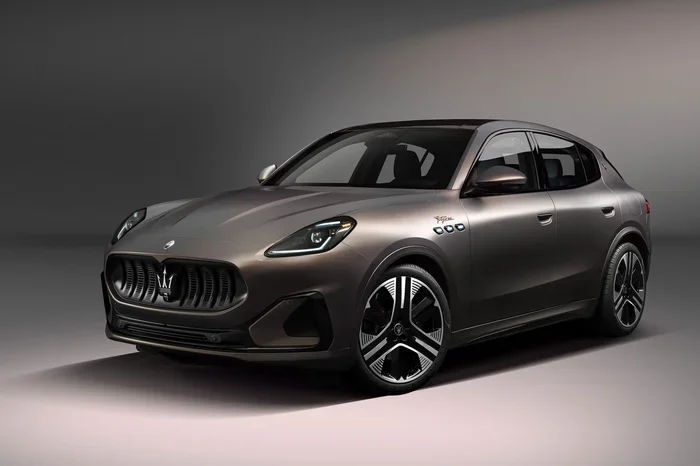
The Levante is Maserati’s SUV. It combines the brand’s sporty DNA with practical SUV functionality. The interior is spacious and comfortable. The driving dynamics are better than most SUVs in the luxury segment. However, cargo space is not as generous as competitors like the Porsche Cayenne or BMW X5. The Levante is a great choice for those who want a luxury SUV with a unique character.
Maserati GranTurismo
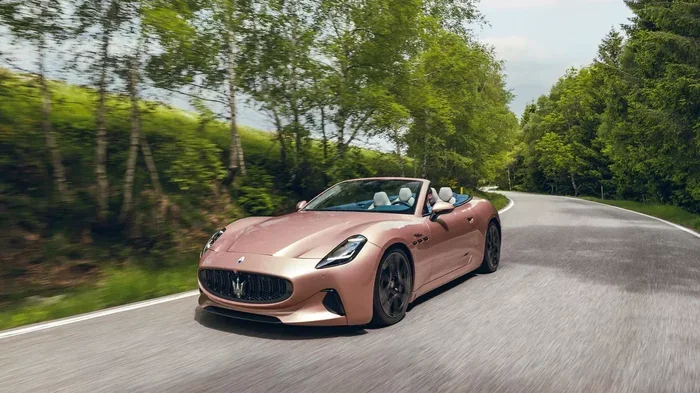
The GranTurismo is a grand tourer with a focus on style and comfort. The latest version features a V6 engine and a sleek design. It is more of a weekend cruiser than a daily driver. The interior is luxurious and the exterior is one of the most beautiful in the industry. If you want a car that turns heads and feels special on road trips, the GranTurismo delivers.
Is a Maserati Worth the Money?
This is the question at the heart of every potential Maserati purchase. And the answer depends on what you value most in a car.
If you prioritize practicality, low costs, and worry-free ownership, a Maserati is probably not the best choice. Brands like Lexus, Genesis, or even Acura offer similar luxury with far less hassle and lower ownership costs.
But if you value driving emotion, Italian style, and the prestige of a niche luxury brand, a Maserati can be a fantastic choice. The experience of driving one is hard to replicate with more mainstream options. The sound of the engine, the feel of the interior, and the reactions you get from other car enthusiasts make the ownership experience unique.
Who Should Buy a Maserati?
Maseratis are best suited for:
- Car enthusiasts who appreciate Italian design and engineering.
- Buyers who have the budget for higher maintenance and repair costs.
- People who do not mind the faster depreciation rate.
- Those who want a luxury car that stands out from the crowd.
Who Should Skip a Maserati?
Maseratis are probably not the best fit for:
- Buyers who prioritize reliability and low upkeep costs.
- People who plan to use the car as a daily commuter with high mileage.
- Those who want strong resale value.
- Anyone on a tight budget for ongoing ownership expenses.
Tips for Buying a Used Maserati
If you decide to buy a used Maserati, there are steps you can take to protect yourself and get the best value.
- Get a Full Vehicle History Report: Check for accidents, service records, and ownership history. This can reveal red flags before you commit.
- Have a Pre-Purchase Inspection: Always have an independent mechanic inspect the car. Look for signs of wear, leaks, and electrical issues.
- Check the Maintenance Records: A well-maintained Maserati will have fewer problems down the road. Ask for service records and verify they are complete.
- Test Drive Thoroughly: Pay attention to how the car feels on different road surfaces. Listen for unusual sounds. Test all electronics and features.
- Budget for Immediate Repairs: Set aside money for any issues the inspection reveals. Older Maseratis often need work right away.
Following these tips can help you avoid buying a problematic car and ensure you get a Maserati that delivers the experience you are looking for.
Final Thoughts: Are Maseratis Good Cars?
So, are Maseratis good cars? The answer is yes, with some important caveats. Maserati builds cars that are beautiful, exciting, and full of Italian charm. The driving experience is top-notch, and the interior quality is excellent. These are cars that make you feel good every time you get behind the wheel.
However, the costs of ownership are real and significant. Maintenance, repairs, and depreciation all add up over time. If you are not prepared for these expenses, a Maserati can become a financial burden rather than a joy.
Ultimately, the decision comes down to your priorities and your budget. If you love cars, appreciate unique luxury brands, and have the means to cover the costs, a Maserati can be a deeply rewarding purchase. Just go in with your eyes open, do your research, and enjoy the ride.
A Maserati is not just a car. It is a statement. And for the right owner, that statement is worth every penny.
Frequently Asked Questions
Are Maseratis expensive to maintain?
Yes, Maseratis are significantly more expensive to maintain than mainstream brands. Routine services like oil changes and brake work cost roughly two to three times more than what you would pay for a Toyota or Honda. Even compared to other luxury brands like BMW or Mercedes, Maserati upkeep costs tend to be higher due to the brand’s smaller dealer network and specialized parts.
How reliable are Maseratis?
Maseratis have a mixed reliability record. Some models and model years are more dependable than others. Common issues include electrical problems, suspension wear, and transmission concerns. Regular maintenance and prompt attention to small issues can help improve long-term reliability, but they generally require more care than brands like Lexus or Porsche.
What is the average depreciation rate for a Maserati?
Maseratis depreciate faster than many luxury competitors. A new Maserati can lose 40% to 50% of its value within three to five years. This is partly due to lower brand demand, high maintenance costs, and frequent model updates. However, this steep depreciation can work in favor of used car buyers looking for a great deal.
Which Maserati model is the most reliable?
The Maserati Ghibli and Quattroporte are often cited as the more reliable models in the lineup. They share proven platforms and have been refined over several generations. The Levante SUV has also received relatively positive reliability feedback. That said, no Maserati model is considered a reliability standout compared to mainstream luxury brands.
Can I save money by maintaining my Maserati at an independent shop?
Absolutely. Many independent shops that specialize in Italian or European cars can perform Maserati maintenance at a lower cost than a dealer. They often charge less for labor and can source aftermarket parts at a fraction of the dealer price. Just make sure the shop has experience and proper diagnostic equipment for Maserati models.
Is a Maserati a good daily driver?
Maseratis can be used as daily drivers, but they are not ideal for everyone. The ride can be firm, and the costs of ownership are higher than most daily drivers. If you have a comfortable budget and do not mind the extra care required, a Maserati can make a unique and enjoyable daily car. Just be prepared for the realities of ownership.