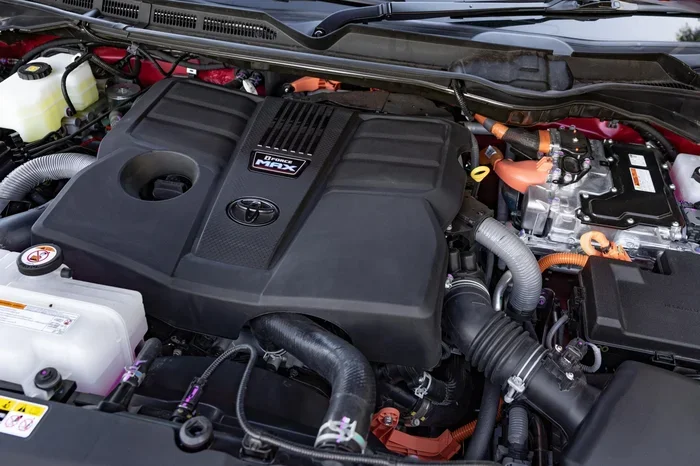
How Do I Know When My Toyota Camry Needs an Oil Change
Your Toyota Camry needs an oil change when you notice dark dirty oil, low oil levels, unusual engine noises, or a dashboard warning light. Regular oil changes protect your engine and keep your car running smoothly. This guide covers all the signs, how to check oil, intervals, and whether to DIY or visit a service center.
Your Toyota Camry is a reliable car. It can take you thousands of miles without a fuss. But even the best engine needs fresh oil. Oil is the lifeblood of your engine. It reduces friction, cools parts, and prevents wear. Over time, oil breaks down. It gets dirty and loses its strength. So how do you know when it is time for a Toyota Camry oil change? You do not have to guess. Your car gives you clear signals. This guide will walk you through every sign. You will learn how to check your oil, understand intervals, and decide between DIY and professional service. Let us keep your Camry running strong.
Many drivers wait until something goes wrong. That is a mistake. Old oil can cause serious engine damage. It can reduce fuel efficiency and shorten your car’s life. The good news is that spotting the need for a Toyota Camry oil change is easy. You just need to know what to look for. Whether you drive a new model or an older one, the signs are similar. We will cover them all in detail. By the end of this article, you will feel confident about your next oil change.
Key Takeaways
- Watch for dark, gritty oil and low levels on the dipstick. These are the most obvious oil change signs.
- Listen for knocking or ticking sounds. They often mean old oil is no longer lubricating properly.
- Pay attention to dashboard lights. The check engine light and oil pressure warning should never be ignored.
- Follow Toyota’s recommended oil change interval. Most newer Camrys need service every 10,000 miles or 12 months.
- Use the right oil type. Synthetic or synthetic blend oil works best for modern Toyota engines.
- You can change oil yourself or visit a Toyota dealer. Both options have pros and cons.
- Check your owner’s manual. It holds the exact maintenance schedule for your model year.
📑 Table of Contents
Why Oil Changes Matter for Your Toyota Camry
The Role of Engine Oil
Engine oil does more than just lubricate. It cleans internal parts. It carries away heat. It prevents rust and corrosion. Fresh oil keeps your engine running like new. Dirty oil, on the other hand, becomes a sludge. It cannot flow properly. This means more friction and more heat. Over time, this leads to worn bearings and even engine failure. A regular Toyota Camry oil change removes the dirty oil and replaces it with clean oil. This simple step can save you thousands in repairs.
Toyota’s Recommended Oil Change Interval
Toyota has specific guidelines for every Camry model. Most newer Camrys with synthetic oil can go up to 10,000 miles or 12 months. Older models with conventional oil may need a change every 5,000 miles or 6 months. Always check your owner’s manual. The manual will tell you the exact oil change interval for your engine. Do not rely on generic advice from friends. Your Camry’s engine is unique. Following Toyota’s recommended schedule is the best way to protect your investment.
7 Warning Signs Your Toyota Camry Needs an Oil Change
Dark and Dirty Oil
Fresh engine oil is amber or light brown. As it ages, it turns dark brown or black. This happens because it collects dust, metal particles, and combustion byproducts. You can check your oil with the dipstick. Pull it out, wipe it clean, reinsert it, and pull it out again. If the oil on the stick looks like coffee, it is time for a Toyota Camry oil change. Dirty oil does not flow well. It cannot protect your engine the way it should.
Oil Level Below the Minimum
Low oil level is a red flag. It can mean a leak or excessive burning. Check your oil level regularly. If it falls below the minimum mark on the dipstick, add oil immediately. But adding oil is only a temporary fix. You still need to find out why the level dropped. A Toyota Camry oil change will refill your system with fresh oil. It also gives a technician a chance to inspect for leaks.
Unusual Engine Noises
Oil cushions the moving parts inside your engine. When oil gets old, it loses its viscosity. It becomes thinner or thicker than it should be. This can cause metal parts to grind against each other. You might hear a ticking or knocking sound. These noises are often worse when the engine is cold. Do not ignore them. They are clear oil change signs that your engine is crying for help.
Dashboard Warning Lights
Your Camry has sensors that monitor oil pressure and level. If the check engine light comes on, do not panic. But do not ignore it either. A glowing oil pressure warning light means your oil level or pressure is too low. This is an emergency. Pull over safely and turn off the engine. Driving with low oil pressure can destroy your engine in minutes. A Toyota Camry oil change can fix this if it is caused by old or low oil.
Reduced Fuel Efficiency
Old oil increases friction inside the engine. More friction means your engine has to work harder. This leads to poor fuel economy. If you notice you are visiting the gas station more often, check your oil. A Toyota Camry oil change can restore your engine’s efficiency. Fresh oil allows parts to move smoothly. This reduces drag and can improve your miles per gallon.
Oil Smell Inside the Cabin
If you smell a strong oil odor inside your car, do not ignore it. This could mean an oil leak. Hot engine parts can burn the oil if it drips onto the exhaust manifold. You might also see smoke coming from under the hood. An oil smell inside the cabin is a serious sign. Have your car inspected right away. A Toyota Camry oil change and a leak inspection can solve this problem.
Exhaust Smoke
Your tailpipe should not emit thick smoke. A small puff of water vapor is normal on cold days. But blue or gray smoke is a different story. It often means oil is burning inside the engine. This can happen if oil seals are worn or if you have not changed your oil in a long time. A Toyota Camry oil change can help if the issue is minor. But persistent smoke needs a professional diagnosis.
How to Check Your Oil Level and Condition
Step-by-Step Dipstick Check
Checking your oil is one of the easiest things you can do. Here is how to do it. Park your Camry on a level surface. Turn off the engine and wait a few minutes. This lets the oil settle back into the oil pan. Open the hood and locate the dipstick. It usually has a bright yellow or orange handle. Pull it out and wipe it with a clean rag. Reinsert the dipstick all the way. Pull it out again and look at the oil level. It should be between the two marks. Also, look at the color and texture. Rub a drop between your fingers. If it feels gritty, it is dirty and needs to be changed.
What Healthy Oil Looks Like
Healthy oil is smooth and translucent. It should not have any visible particles. If you see metal flakes or a milky brown color, that is a big problem. Milky oil can mean coolant is leaking into the oil system. This is a serious issue that needs immediate attention. A Toyota Camry oil change will replace this contaminated oil. But first, a mechanic must find the source of the coolant leak.
Understanding Oil Change Intervals
Mileage vs. Time
Oil breaks down over time even if you do not drive much. Moisture can build up inside the engine. This can cause sludge. That is why Toyota recommends changing oil based on both mileage and time. If your Camry sits in the garage for months, you still need an oil change. Most experts suggest a Toyota Camry oil change at least once a year. This keeps the oil fresh and the engine protected.
Toyota’s Oil Life System
Many newer Camrys have an oil life monitoring system. This system uses algorithms to track your driving habits. It considers engine temperature, driving distance, and time. When the system determines the oil is worn, it displays a message on the dashboard. It might say “Oil Change Required” or show a wrench icon. Do not reset this light until you have actually changed the oil. A Toyota Camry oil change resets the system and keeps your engine in top shape.
When Low Mileage Still Requires a Change
If you only drive 3,000 miles a year, you might think you do not need an oil change. Think again. Old oil accumulates moisture and acids. These contaminants can corrode engine bearings. Even if your mileage is low, change your oil at least every 12 months. This is especially important if you take short trips. Short trips do not allow the engine to fully warm up. Moisture stays in the oil and causes damage over time.
Choosing the Right Oil for Your Camry
Conventional vs. Synthetic
Conventional oil is made from crude oil. It works well for older engines with simpler designs. Synthetic oil is engineered in a lab. It has uniform molecules that resist breakdown. It flows better in cold weather and handles high temperatures. Most modern Toyota Camrys benefit from synthetic or synthetic blend oil. Check your owner’s manual for the recommended oil type. Using the wrong oil can void your warranty and reduce engine performance.
Viscosity Grades Explained
Viscosity refers to how thick or thin your oil is. You will see numbers like 0W-20 or 5W-30 on the oil bottle. The first number with the “W” stands for winter viscosity. A lower number means the oil flows better in cold weather. The second number is the hot viscosity. It tells you how thick the oil stays at operating temperature. Toyota usually recommends 0W-20 or 0W-16 for newer Camrys. Using the correct viscosity ensures proper lubrication and fuel economy.
OEM vs. Aftermarket Oil
OEM oil is made by Toyota or licensed to their specifications. Aftermarket oil comes from brands like Mobil 1 or Castrol. Both can be good choices. The key is to meet Toyota’s certification standards. Look for the API donut and the starburst symbol on the bottle. These symbols guarantee the oil meets industry and manufacturer requirements. A Toyota Camry oil change with quality oil will keep your engine happy for years.
DIY Oil Change vs. Professional Service
Changing Oil at Home
Some car owners love to do their own Toyota Camry oil change. It saves money and teaches you about your car. You will need a wrench, an oil filter, a drain pan, and the right oil. You can find many tutorials online. But DIY is not for everyone. It can be messy. You must dispose of the old oil properly. Many auto parts stores offer free recycling. If you are not comfortable, there is no shame in seeking professional help.
What a Toyota Service Center Does
A Toyota dealer has trained technicians and the right tools. They know your Camry inside and out. They use genuine Toyota parts and OEM oil. They also run a multi-point inspection. This can catch other issues early. A Toyota Camry oil change at the dealer might cost a bit more than a DIY job. But you get peace of mind and a service record that adds to your car’s resale value.
Cost and Convenience
The oil change cost varies. A DIY oil change might cost you $30 to $50 for oil and a filter. A professional service at an independent shop might be $50 to $80. A Toyota dealer could charge $80 to $120. If you search for “oil change near me,” you will find many options. Consider your time, comfort, and the value of a warranty. Sometimes paying a little extra is worth the convenience and expertise.
Final Thoughts
Knowing when your Toyota Camry needs an oil change is essential. It keeps your engine healthy and your car reliable. Watch for the warning signs we discussed. Check your oil regularly. Follow the recommended oil change interval and use the right oil type. Whether you do it yourself or visit a service center, do not skip this simple maintenance task. A Toyota Camry oil change is one of the best investments you can make. It protects your engine and gives you peace of mind on every drive.
Frequently Asked Questions
How often should I change the oil in my Toyota Camry?
Most newer Toyota Camrys need an oil change every 10,000 miles or 12 months. Older models with conventional oil may need it every 5,000 miles or 6 months. Always refer to your owner’s manual for the exact schedule.
Can I use synthetic oil in my Toyota Camry?
Yes, synthetic oil is often recommended for modern Toyota Camrys. It provides better protection and lasts longer than conventional oil. Check your owner’s manual to confirm the best oil type for your engine.
What happens if I skip an oil change?
Skipping an oil change allows dirt and sludge to build up. Old oil loses its ability to lubricate and cool the engine. This can lead to increased wear, overheating, and eventually costly engine repairs.
Is it okay to add new oil without changing it?
Topping off oil is fine for a short time. But it does not remove the dirty, contaminated oil. A full Toyota Camry oil change drains the old oil and replaces the filter. This ensures clean, fresh oil circulates through your engine.
How do I know if my oil level is low?
Use the dipstick to check your oil level. Pull it out, wipe it, reinsert it, and check the level. If it is below the minimum mark, add the recommended oil type immediately. A low oil level can trigger the oil pressure warning light.
Where can I get a Toyota Camry oil change near me?
You can visit a Toyota dealership, an independent auto shop, or even do it yourself at home. Search for “oil change near me” to find trusted local options. Always choose a service that uses quality oil and filters.