Can You Modify a Ferrari Here Is What You Need to Know
Can You Modify a Ferrari? Yes, but it comes with legal, warranty, and performance considerations. This guide explains what modifications are possible, which ones stay street-legal, and how to avoid costly mistakes. You’ll learn about engine upgrades, body kits, and the importance of working with certified Ferrari technicians.
Can You Modify a Ferrari? The short answer is yes, but the details matter. Ferrari owners often dream of making their car unique, faster, or more personal. However, modifying a Ferrari involves legal rules, warranty risks, and performance trade-offs. This guide walks you through everything you need to know before you start changing your car.
Whether you own a classic vintage Ferrari or a modern hybrid model, the principles remain the same. You can upgrade the engine, change the body, or customize the interior. But you must stay within the law and protect your investment. I’ll share practical tips, common mistakes, and expert advice to help you make smart choices.
Read on to discover what modifications are possible, how they affect your warranty, and which upgrades give you the best return. By the end, you’ll feel confident about your next Ferrari project.
Key Takeaways
- Legal limits matter: Not all modifications are street-legal. Emissions and safety laws vary by region.
- Warranty risks: Unauthorized changes can void your Ferrari’s factory warranty.
- Performance upgrades exist: Engine tuning, exhaust, and ECU remapping can boost power safely.
- Body kits and aerodynamics: Aftermarket parts can enhance looks and downforce, but must fit properly.
- Interior customization: From leather to carbon fiber, you can personalize the cabin without breaking rules.
- Work with experts: Always choose Ferrari-certified specialists to avoid damage and maintain value.
- Keep documentation: Save receipts and approval papers for any modified parts.
📑 Table of Contents
Why People Love to Modify a Ferrari
The Dream of a One-of-a-Kind Ferrari
A Ferrari is more than a car. It’s a statement. Many owners want their vehicle to stand out from the factory line. Ferrari modifications let you add personal style, improve handling, or boost horsepower. You might want a deeper exhaust note, sharper steering, or a custom interior. Whatever the reason, the goal is usually to make the car feel truly yours.
Keep in mind that Ferrari builds cars for high performance right out of the box. Even small changes can have a big impact. A body kit or wheel upgrade can change the car’s look dramatically. But it’s important to understand what’s allowed and what’s safe.
Performance vs. Stock Settings
Factory settings balance power, reliability, and emissions. When you modify a Ferrari, you shift that balance. Performance upgrades like engine tuning or ECU remapping can unlock extra horsepower. But they may also increase wear on internal parts. You need to weigh the thrill of more speed against long-term maintenance costs.
Quick Tip: Always set a clear goal before you start. Decide if you want more power, better looks, or improved daily driving comfort. That focus will guide every decision you make.
Can You Modify a Ferrari? Here Are the Possible Upgrades
The range of Ferrari aftermarket parts is huge. From engine internals to tiny trim pieces, you can change almost anything. Below are the most popular areas where owners make changes.
Engine and Power Upgrades
Engine upgrades are the heart of any Ferrari tuning project. You can install a high-flow air filter, upgrade the fuel injectors, or swap the exhaust headers. These changes often work together to increase airflow and combustion efficiency. The result is usually a noticeable boost in horsepower and torque.
For modern Ferrari models, ECU remapping is a common first step. The ECU controls fuel injection, spark timing, and boost pressure. A professional tuner can adjust these settings safely. You’ll gain power without pushing the engine beyond its limits. Just remember that engine tuning should always be done by a certified technician.
Exhaust and Sound Tweaks
The exhaust system shapes both power and sound. A cat-back exhaust replaces the pipes and mufflers after the catalytic converter. This change often adds a deeper, more aggressive note. Some owners also install valve-controlled exhausts that let you switch between a quiet mode and a roaring mode at the flip of a switch.
Be careful with exhaust modifications that remove or bypass catalytic converters. Those changes are illegal in most areas and can fail emissions inspections. Stick to systems that keep the factory converters in place.
Aerodynamic Body Kits
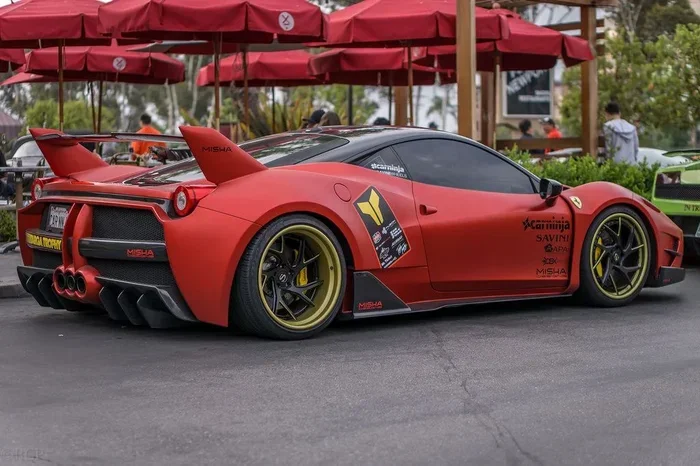
A body kit changes the look and the aerodynamics of a Ferrari. Front splitters, side skirts, rear diffusers, and wide-body panels can all be added. These parts improve downforce, which helps the car stay stable at high speeds. Many aftermarket body kits are made from fiberglass, polyurethane, or carbon fiber.
Carbon fiber is a favorite because it’s lightweight and strong. A carbon fiber body kit can save weight while adding a race-ready look. But fitment is critical. Poorly installed body panels can create drag or cause rattles. Always have a specialist mount and align the kit properly.
Wheels and Suspension
Upgrading your wheels is one of the most visible Ferrari modifications. Lighter alloy or forged wheels reduce unsprung mass, which improves acceleration and braking. Wider wheels also give the car a more aggressive stance and better grip.
Along with wheels, you might consider suspension upgrades. Adjustable coilovers let you lower the car and fine-tune the spring rate. Stiffer sway bars reduce body roll during cornering. These changes make the car feel sharper and more responsive. Just be aware that a very stiff setup can make daily driving uncomfortable.
| Modification | Stock Performance (Example: 488 GTB) | Typical Modified Gain | Street-Legal? |
|---|---|---|---|
| ECU Remap | 710 hp | +30–50 hp | Yes (if emissions compliant) |
| Cat-Back Exhaust | 710 hp | +5–10 hp + sound | Yes |
| Full Exhaust (Including Downpipe) | 710 hp | +15–25 hp | No (removes cats) |
| Body Kit (Aerodynamic) | Stock aero | +10–15% downforce | Yes (if no sharp edges) |
| Suspension + Stiffer Springs | Stock ride height | Lower stance, sharper handling | Yes |
| Performance Brakes (Bigger Discs) | Stock braking | Shorter stopping distance | Yes |
Legal and Regulatory Considerations
Emissions Laws and Inspection Requirements
Every country and state has its own emissions regulations. In many places, you must pass an annual safety and emissions inspection. If your Ferrari modifications remove or disable pollution controls, the car will fail inspection. You could face fines or be told to restore the original parts.
Before you make any change, check your local laws. Some regions allow performance exhausts as long as the catalytic converter remains intact. Others ban any modification to the emissions system. Ignorance is not an excuse, so do your homework first.
Safety Modifications That Must Stay
Certain safety features are non-negotiable. Airbags, seatbelt pretensioners, and crumple zones must remain untouched. You can’t remove or disable any active safety systems like traction control or ABS for road use. These systems are designed to protect you in a crash.
Quick Tip: If you want to track your Ferrari, many manufacturers offer separate track-only modes. These allow you to adjust stability control without permanently disabling safety gear for the street.
Warranty and Insurance Implications
How Mods Affect Your Ferrari Warranty
This is one of the most important points. Can You Modify a Ferrari without voiding the warranty? In most cases, any unapproved change can void the warranty on the affected part. If you install an aftermarket exhaust and the engine fails, Ferrari may refuse to cover the repair. They argue that the modification caused the problem.
You can still modify your car and protect your warranty. The trick is to use Ferrari-certified accessories or parts that carry an OEM approval. Some dealers offer pre-approved modification packages. These let you add upgrades without risking your coverage. Always ask your dealer for written confirmation before you proceed.
Insurance Disclosure Is a Must
Your insurance policy likely requires you to disclose any modifications. Failing to tell your insurer about a performance upgrade could lead to a denied claim after an accident. Insurers view modified Ferraris as higher risk. They may charge a higher premium or limit coverage for certain parts.
Call your insurance agent before you start any work. Provide a list of planned changes and ask how they will affect your policy. Being upfront saves you from a nasty surprise later.
Popular Ferrari Modifications and Their Costs
The cost of Ferrari modifications varies wildly. A simple cat-back exhaust might cost a few thousand dollars. A full carbon fiber interior or a custom engine build can run into tens of thousands. Here are three popular upgrades and what you can expect.
ECU Remapping and Chip Tuning
ECU remapping is one of the most affordable ways to boost performance. A professional tune usually costs between $1,000 and $3,000. You can gain 30 to 50 horsepower without changing any hardware. This is a great first step for anyone wondering how to modify a Ferrari on a budget.
Look for a tuner who specializes in Ferrari models. They understand the delicate balance of the fuel map and ignition timing. A bad tune can cause rough idling or long-term engine damage.
Cat-Back Exhaust Systems
A quality cat-back exhaust from brands like Tubi, Armytrix, or Novitec ranges from $3,000 to $8,000 installed. The sound improvement is dramatic. You’ll get a more aggressive note without crossing into illegal territory. Installation usually takes a few hours at a specialized shop.
Carbon Fiber Interior Packages
For those who want a race-inspired cabin, a carbon fiber interior package can transform the look. Expect to pay $5,000 to $15,000 for seats, dashboard trim, and steering wheel elements. This upgrade adds no performance benefit, but it dramatically changes the feel of the car. It also tends to hold its resale value well among enthusiasts.
Expert Insight: Always ask for a sample piece of carbon fiber before you commit. Quality varies between manufacturers. A high-grade weave feels solid and looks consistent, while cheap versions may have bubbles or uneven coloring.
Common Mistakes to Avoid
Buying Cheap Knock-Off Parts
The internet is full of low-cost aftermarket parts that look like real Ferrari accessories. They might be made from inferior materials that crack or corrode quickly. A cheap carbon fiber hood could delaminate in the sun. A poor-quality exhaust manifold might warp and leak. Save your money and buy from reputable suppliers or directly from Ferrari’s accessory catalog.
Skipping Professional Installation
DIY can be fun, but Ferrari modifications require precision. An incorrectly installed engine tune or suspension component can lead to poor handling or engine failure. Even a simple body kit needs expert fitting to avoid gaps and misalignment. Always let a certified Ferrari technician handle the work.
Common Mistake: Don’t try to save a few hundred dollars on installation. A mistake could cost thousands in repairs. The labor is part of the value.
Expert Tips for a Successful Ferrari Modification
Start with a Clear Goal
Before you order any part, write down what you want to achieve. Do you want more horsepower? Better cornering? A unique look? Prioritize your goals and tackle them one at a time. This approach keeps your budget in check and prevents conflicting upgrades.
Keep the Car’s Original Parts
Every time you remove a factory part, store it safely. Original components are valuable if you ever want to sell the car or revert to stock. A vintage Ferrari with all its original parts can be worth significantly more than a modified one. Even for modern Ferraris, keeping the factory pieces shows future buyers you cared for the car.
Quick Tip: Label each box with the part name, date of removal, and mileage. This simple habit saves hours of confusion later.
Build a Relationship with a Specialist
Find a shop that lives and breathes Ferraris. A specialist will know the quirks of your specific model. They can recommend Ferrari tuning options that match your driving style. They’ll also keep your service records up to date, which is crucial for warranty and resale.
Conclusion
Can You Modify a Ferrari is a question with a clear yes, but the path requires care and knowledge. You can pursue engine upgrades, aerodynamic body kits, custom interiors, and more. The key is to respect the law, protect your warranty, and work with certified experts. Every modification should add value to your driving experience, not create headaches. Start small, plan carefully, and enjoy the journey of making your Ferrari truly yours.
Frequently Asked Questions
Is it legal to modify a Ferrari exhaust?
Yes, as long as the catalytic converter remains in place and the system meets local emissions standards. A cat-back exhaust is generally street-legal. Removing the converter or making the car excessively loud can lead to fines and failed inspections.
Will modifying a Ferrari void the warranty?
Unauthorized changes can void the warranty on the affected parts. If you use Ferrari-certified accessories or get written approval from your dealer, you can often keep your coverage intact. Always check with your dealer before making any modifications.
How much does it cost to tune a Ferrari engine?
Professional ECU remapping typically costs between $1,000 and $3,000. The price depends on the model and the tuner’s expertise. This is one of the most cost-effective ways to gain noticeable performance.
Can I put a wider body kit on my Ferrari?
Yes, wide-body kits are popular and can improve both looks and aerodynamics. Make sure the kit is designed for your specific model and installed by a specialist. Poor fitment can affect handling and cause panel gaps.
Are carbon fiber parts worth the money?
They are lightweight, strong, and give the car a premium race feel. Carbon fiber interior packages and exterior elements can also hold value well. Just be sure to buy from reputable manufacturers to avoid low-quality imitations.
What is the safest first modification for a Ferrari?
A cat-back exhaust or an ECU remap is usually the safest starting point. Both are reversible, relatively affordable, and don’t compromise emissions compliance. They also give you a clear sense of how the car responds to changes.