How Do You Reset the Tire Pressure Light on Toyota
Resetting the tire pressure light on Toyota is a simple process you can do at home. This guide walks you through every step for Toyota models like the Corolla, Camry, and RAV4. You will learn why the warning light comes on and how to turn it off fast. We cover the reset button method, the steering wheel method, and common fixes. By the end, you will feel confident handling this issue yourself.
If you own a Toyota, there is a good chance you have seen that little horseshoe-shaped warning light pop up on your dashboard at some point. It is the tire pressure warning light, and it can make anyone feel a bit uneasy. The good news is that resetting the tire pressure light on Toyota is usually a very simple process. You do not need to be a mechanic or visit a dealership to handle it. In this guide, we will walk you through every step, model by model, so you can get back on the road with confidence.
Whether you drive a Toyota Corolla, a Toyota Camry, or a Toyota RAV4, the basic process is similar. But there are small differences you should know about. We will cover the most common Toyota models and their specific reset procedures. We will also talk about why the light comes on in the first place, how to check your tire pressure the right way, and when you should actually see a professional. By the end of this article, you will have everything you need to tackle this common car issue on your own.
Key Takeaways
- Easy DIY Fix: Most Toyota models let you reset the tire pressure light in under 5 minutes at home.
- Check First: Always verify your tire pressure with a gauge before resetting the light.
- Model-Specific Steps: Different Toyota models use different reset methods, including buttons on the steering wheel and the glove box.
- Common Causes: Temperature changes, slow leaks, and faulty sensors are the top reasons the light comes on.
- Sensor Battery Matters: A dead TPMS sensor battery can cause the light to stay on even after a reset.
- Safety First: Never ignore the tire pressure warning light, as low pressure affects handling and fuel economy.
- Professional Help: If the light keeps returning, visit a mechanic to check for sensor or system issues.
📑 Table of Contents
- Why Does the Tire Pressure Light Come On?
- How to Check Your Tire Pressure Before Resetting
- How to Reset the Tire Pressure Light on Toyota
- Reset Procedures by Toyota Model
- When the Light Keeps Coming Back
- Preventing the Tire Pressure Light from Coming Back
- Expert Insights on Toyota TPMS Systems
- Common Mistakes to Avoid When Resetting the TPMS Light
- Key Takeaways
- Conclusion
Why Does the Tire Pressure Light Come On?
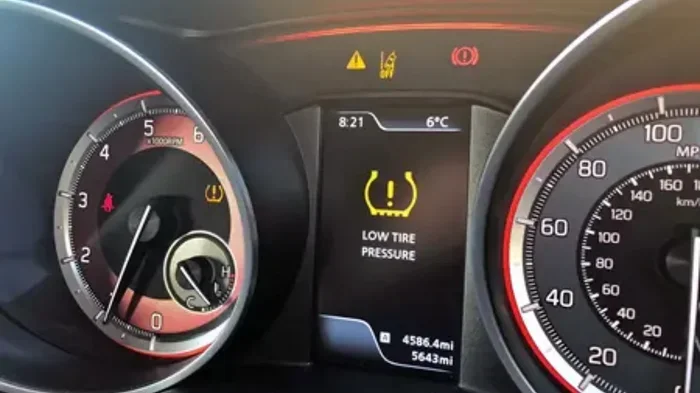
Before you learn how to reset the light, it helps to understand why it turns on in the first place. The tire pressure monitoring system, or TPMS, is a safety feature in your Toyota. It uses small sensors inside each tire to monitor the air pressure. When the pressure drops below a safe level, the system triggers the warning light on your dashboard.
Common Reasons the Light Activates
There are several reasons the TPMS light might come on. Here are the most common ones:
- Low tire pressure: One or more tires have lost air. This can happen from a slow leak, a puncture, or just normal air loss over time.
- Temperature changes: Cold weather causes the air inside your tires to contract, which can lower the pressure enough to trigger the light.
- Faulty TPMS sensor: The sensor itself may be damaged or have a dead battery. Sensor batteries typically last about 5 to 10 years.
- Recent tire change: If you just got new tires or rotated them, the system may need a manual reset.
- Altitude changes: Driving to a high-altitude area can temporarily affect tire pressure readings.
The Toyota dashboard warning light usually looks like a horseshoe with an exclamation mark in the center. If it is flashing rather than staying solid, that could indicate a more serious TPMS issue that needs immediate attention.
How to Check Your Tire Pressure Before Resetting
Always check your tire pressure before you reset the light. If you reset it without fixing the actual problem, the light will just come back. This is one of the most common tire pressure reset mistakes people make.
What You Need
Here is what you will need to check your tire pressure:
- A digital or analog tire pressure gauge
- An air compressor or access to a gas station air pump
- The recommended PSI for your Toyota model (check the sticker on the driver’s door jamb)
Step-by-Step Tire Pressure Check
- Remove the valve cap from the tire.
- Press the tire pressure gauge firmly onto the valve stem.
- Read the PSI number on the gauge.
- Compare it to the recommended PSI listed on your door jamb sticker.
- If the pressure is low, add air until you reach the correct PSI.
- Repeat this process for all four tires, including the spare if applicable.
Once all tires are at the right pressure, you are ready to reset the light. This is the most important step because it ensures the tire pressure monitor will not trigger again right away.
How to Reset the Tire Pressure Light on Toyota
Now let us get to the main part. The way you reset the tire pressure light on Toyota depends on your model and the year it was made. Below, we cover the most common methods used across the Toyota lineup.
Method 1: Using the Reset Button
Many Toyota models have a dedicated reset button for the TPMS. Here is how to use it:
- Turn the ignition to the “ON” position. Do not start the engine.
- Locate the TPMS reset button. It is usually found under the steering column, near the dashboard, or inside the glove box.
- Press and hold the reset button until the warning light on the dashboard blinks three times.
- Start the engine and let the car idle for about 20 minutes.
- The light should turn off and the system will recalibrate.
Quick Tip: If you cannot find the reset button, check your owner’s manual. The location varies between Toyota models. For example, the reset button on a Toyota Corolla is often located beneath the steering wheel, while on a Toyota RAV4 it may be inside the glove compartment.
Method 2: Using the Steering Wheel Controls
Newer Toyota models, especially those from 2015 and later, use the steering wheel controls to reset the TPMS. Here is the process:
- Press the “Menu” or “Setup” button on the steering wheel.
- Navigate to the “Vehicle Settings” or “Maintenance” menu using the arrow buttons.
- Select “TPMS Reset” or “Tire Pressure Reset.”
- Hold the “OK” or “Enter” button until the light blinks.
- Drive the car for a few minutes, and the system should reset.
This method works well on the Toyota Camry TPMS reset and newer Toyota Corolla models. If your screen does not show a TPMS option, try the physical reset button method instead.
Method 3: Disconnecting the Battery
For older Toyota models or if the other methods do not work, you can try disconnecting the battery. This resets the entire electrical system, including the TPMS.
- Turn off the engine and remove the key from the ignition.
- Open the hood and locate the negative battery terminal (it has a minus sign).
- Use a wrench to loosen the cable on the negative terminal.
- Remove the cable and wait for 10 to 15 minutes.
- Reconnect the cable and tighten it back up.
- Start the engine and check if the warning light is off.
Important Note: Disconnecting the battery may also reset other settings in your Toyota, like the radio presets and clock. Be prepared to reset those as well.
Reset Procedures by Toyota Model
Different Toyota models have slightly different reset procedures. Here is a quick breakdown for the most popular models.
Toyota Corolla Tire Pressure Reset
The Toyota Corolla is one of the best-selling cars in the world, and resetting its TPMS light is straightforward. For most Corolla models, use the steering wheel menu method. Go to the Setup menu, find the TPMS option, and follow the on-screen prompts. For older Corolla models from before 2015, look for the physical reset button under the steering wheel.
Toyota Camry TPMS Reset
On the Toyota Camry, the reset process is similar to the Corolla. Use the steering wheel controls to access the Vehicle Settings menu. Select TPMS Reset and hold the button until the light blinks. If your Camry is older, check for the reset button near the lower dashboard on the driver’s side.
Toyota RAV4 Tire Pressure Light Reset
The Toyota RAV4 often has the reset button inside the glove box. Open the glove box, look for a small button on the left side, and press it while the ignition is in the ON position. The TPMS light should blink and then turn off after a few seconds.
When the Light Keeps Coming Back
Sometimes, even after you follow all the steps, the tire pressure warning light comes back. This can be frustrating, but it usually means there is an underlying issue that needs attention. Here are the most common reasons the light keeps returning.
Dead TPMS Sensor Battery
Each TPMS sensor has a small battery inside it. These batteries typically last between 5 and 10 years. When the battery dies, the sensor cannot send pressure readings to your car’s computer. The result is a persistent warning light. If your Toyota is getting older and the light keeps coming back, a dead sensor battery is a likely culprit.
Slow Tire Leak
A slow leak is one of the sneaky causes of a recurring TPMS light. You might not even notice a flat tire because the air escapes so slowly. If you keep resetting the light and it returns within a few days, check each tire for leaks. You can apply soapy water to the valve stem and look for bubbles. Bubbles mean air is escaping.
Damaged or Malfunctioning Sensor
TPMS sensors can get damaged from road debris, potholes, or normal wear and tear. If one sensor is broken, it will not communicate with your car’s system. In this case, you will need to replace the sensor. Most Toyota dealerships and auto parts stores can help you find the right replacement sensor for your model.
Preventing the Tire Pressure Light from Coming Back
The best way to deal with the TPMS light is to prevent it from coming back in the first place. Here are some simple habits that will keep your tire pressure in check.
Regular Tire Pressure Checks
Make it a habit to check your tire pressure at least once a month. Use a reliable tire pressure gauge and compare the readings to your Toyota’s recommended PSI. The recommended pressure is usually listed on a sticker inside the driver’s door frame.
Check Tires Before Long Trips
Before any long road trip, check all four tires and the spare. Long drives put extra stress on your tires, and low pressure can reduce fuel efficiency and increase the risk of a blowout. A quick five-minute check can save you a lot of trouble on the road.
Keep Tires Properly Inflated in Cold Weather
Cold weather is the number one seasonal cause of TPMS warnings. When the temperature drops, the air in your tires contracts, which lowers the pressure. During winter months, check your tire pressure more frequently and add air as needed. This simple step can prevent the light from coming on every time the temperature dips.
Rotate Your Tires Regularly
Rotating your tires every 5,000 to 7,500 miles helps them wear evenly and maintain proper pressure longer. Uneven wear can cause one tire to lose air faster than the others, which triggers the TPMS light. Regular rotation is an easy way to keep your whole tire system healthy.
Expert Insights on Toyota TPMS Systems
Understanding your Toyota’s TPMS goes a long way in keeping your car safe and running well. Here are some expert tips that can help you get the most out of your tire pressure monitoring system.
First, always use the recommended tire pressure for your specific Toyota model. Overinflating your tires can be just as bad as underinflating them. Overinflated tires have less contact with the road, which reduces traction and causes uneven wear. Check your owner’s manual or the door jamb sticker for the exact PSI rating.
Second, do not ignore a flashing TPMS light. A solid light usually means the pressure is low but not dangerously so. A flashing light, however, often indicates a problem with the TPMS system itself, such as a malfunctioning sensor or a communication error. If your light is flashing, get it checked as soon as possible.
Third, keep spare tires in mind. Many people forget that the spare tire also has a TPMS sensor. If your spare is low on air, it can trigger the warning light even though your four main tires are fine. Always check the spare when you are doing your regular tire pressure checks.
Finally, if you buy new tires or wheels, make sure the TPMS sensors are properly installed. Some aftermarket tires and wheels do not come with sensors, and if the old sensors are not transferred correctly, the system will not work properly. This is an easy fix, but it requires a trip to a tire shop or dealership.
Common Mistakes to Avoid When Resetting the TPMS Light
Even though resetting the TPMS light is simple, people still make mistakes. Here are some common errors to avoid:
- Resetting without fixing the real problem: If your tire is actually low on air, the light will come right back. Always check and inflate your tires first.
- Driving with the light on for too long: Low tire pressure affects your handling, braking, and fuel economy. Do not ignore the light for weeks.
- Using the wrong reset method: Not all Toyota models use the same reset method. Check your owner’s manual to find the correct procedure for your specific year and model.
- Ignoring a flashing light: A flashing TPMS light is different from a solid one. A flashing light usually signals a system malfunction, not just low pressure.
- Forgetting to replace sensor batteries: If your Toyota is over 5 years old, the TPMS sensor batteries may be dying. A reset will not fix a dead battery.
Key Takeaways
- Resetting the tire pressure light on Toyota is quick and easy: Most models let you do it in under 5 minutes using a reset button or steering wheel menu.
- Always check tire pressure first: Use a tire pressure gauge to make sure all tires are at the recommended PSI before resetting the light.
- Method varies by model: The Toyota Corolla, Camry, and RAV4 each have slightly different reset procedures. Check your owner’s manual for specifics.
- Temperature changes trigger the light: Cold weather is a common cause of TPMS warnings. Check your pressure more often in winter.
- Persistent light means a deeper issue: If the light keeps coming back, you may need a new TPMS sensor battery or a sensor replacement.
- Prevention is the best approach: Regular tire checks, proper inflation, and timely rotations keep the TPMS light off and your tires healthy.
- Do not ignore flashing lights: A flashing TPMS light signals a system problem that needs professional attention.
Conclusion
Resetting the tire pressure light on Toyota does not have to be a stressful experience. With the right steps and a little patience, you can handle it yourself in just a few minutes. Whether you use the reset button method, the steering wheel menu, or the battery disconnect trick, the key is to always check your tire pressure first. A reset is only a temporary fix if the underlying problem is not addressed.
Take care of your tires, and they will take care of you. Regular checks, proper inflation, and timely maintenance go a long way in keeping your Toyota running safely and efficiently. If the light keeps coming back despite your best efforts, do not hesitate to visit a trusted mechanic or Toyota dealership. They have the tools and expertise to diagnose deeper TPMS issues and get you back on the road with peace of mind.
Now that you know how to reset the Toyota tire pressure warning light, you are better equipped to handle this common car issue. Keep this guide handy, share it with fellow Toyota owners, and remember that a little attention goes a long way when it comes to tire safety.
Frequently Asked Questions
How long does it take to reset the tire pressure light on a Toyota?
The reset process usually takes about 5 to 10 minutes. You need to find the reset button or navigate the steering wheel menu, hold the button until the light blinks, and then drive the car for a few minutes while the system recalibrates. The entire process is quick and straightforward for most Toyota models.
Why is my Toyota tire pressure light still on after I reset it?
If the light stays on after a reset, it usually means one or more tires are still low on air. Go back and check the tire pressure on all four tires using a gauge. Inflate any tires that are below the recommended PSI and try resetting again. If the light persists, the TPMS sensor battery may be dead or the sensor itself could be faulty.
Can I drive my Toyota with the tire pressure light on?
It is not recommended to drive for long distances with the TPMS light on. Low tire pressure reduces fuel efficiency, affects handling, and increases the risk of a blowout. If the light comes on, pull over safely, check your tire pressure, and inflate the tires as needed before continuing your drive.
Where is the TPMS reset button on a Toyota Camry?
On most Toyota Camry models, the TPMS reset button is located under the steering wheel on the driver’s side. It may also be found inside the glove box or near the lower dashboard. Press and hold the button with the ignition in the ON position until the warning light blinks three times.
How much does it cost to replace a TPMS sensor on a Toyota?
Replacing a TPMS sensor on a Toyota typically costs between 50 and 100 dollars per sensor, depending on the model and where you go for the repair. Some tire shops and auto parts stores offer sensor replacement services, and the cost includes both the part and the labor. If your Toyota is still under warranty, the sensor replacement may be covered.
Do I need special tools to reset the tire pressure light on a Toyota?
No special tools are needed for most Toyota models. You only need a tire pressure gauge to check the air pressure and access to the reset button or steering wheel controls. A tire inflator at a gas station is helpful if your tires need air. In some cases, a professional scan tool is needed if the TPMS sensors themselves need reprogramming, but this is rare for basic resets.