How Far Can a Toyota Camry Hybrid Go on a Full Tank of Gas
If you have ever wondered how far can a Toyota Camry Hybrid go on a full tank of gas, the answer is longer than you might think. A fully fueled Camry Hybrid can comfortably cover between 600 and 700 miles, depending on how you drive and the conditions you face. This guide breaks down the fuel tank size, official MPG ratings, and real-world range factors. You will also find practical tips to stretch every gallon and a comparison with other popular hybrid sedans.
If you are shopping for a Toyota Camry Hybrid, one of the first questions that pops up is about range. How far can you actually go before you need to stop for gas? The answer is surprisingly reassuring. The Camry Hybrid combines a generous fuel tank with a highly efficient powertrain to deliver one of the longest driving ranges in the midsize hybrid sedan segment.
Many drivers assume that a hybrid car must be plugged in and that its range is limited. That is not the case here. The Camry Hybrid uses a traditional gasoline engine paired with an electric motor and a battery pack. It refuels at any standard gas station, just like a regular car. The result is a vehicle that can handle daily commutes and long road trips without any range anxiety.
This article dives deep into the numbers. You will learn the exact fuel tank size, the official and real-world MPG ratings, and how to calculate your own maximum range. We also explore the factors that shrink or stretch your miles per tank and offer proven tips to get the most out of every gallon. Whether you are a new owner or just curious, this guide has everything you need.
- Impressive Full-Tank Range: A Toyota Camry Hybrid can travel 600 to 700 miles on a single 13.2-gallon tank under normal conditions.
- Strong Fuel Economy: The EPA rates the Camry Hybrid at around 52 mpg combined, with real-world numbers often landing between 45 and 50 mpg.
- Range Varies by Trim: Different trims share the same powertrain, so range is consistent across LE, SE, and XLE models.
- Driving Habits Matter: Gentle acceleration, steady speeds, and proper tire pressure can significantly boost your miles per tank.
- Hybrid Synergy Is Key: The blend of a gasoline engine and electric motor, plus regenerative braking, is what makes the long range possible.
- Comparison Stands Out: The Camry Hybrid offers more range than many direct competitors like the Honda Accord Hybrid and Hyundai Sonata Hybrid.
📑 Table of Contents
- Understanding the Toyota Camry Hybrid Fuel System
- Official Fuel Economy Ratings and What They Mean
- How Far Can a Toyota Camry Hybrid Go on a Full Tank of Gas?
- Factors That Affect Your Driving Range
- Tips to Maximize Your Camry Hybrid Range
- How Does the Camry Hybrid Compare to Other Hybrid Sedans?
- Conclusion
Understanding the Toyota Camry Hybrid Fuel System
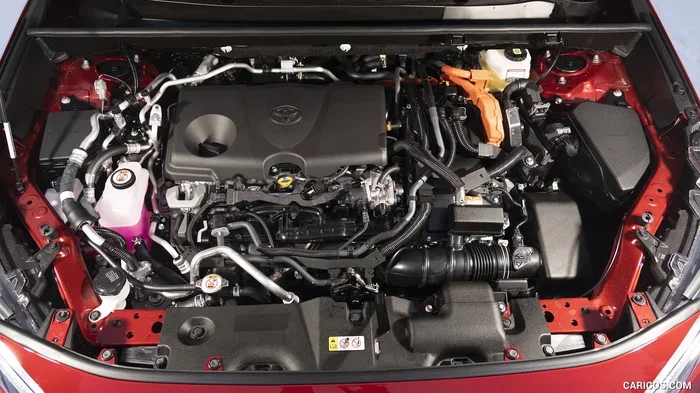
To truly appreciate the range of the Camry Hybrid, you need to understand what is under the hood. The system is a carefully engineered blend of traditional and electric power. It is designed to sip fuel while still delivering smooth, confident acceleration.
The Gasoline Engine
The heart of the system is a 2.5-liter four-cylinder gasoline engine. This engine is part of Toyota’s highly successful hybrid family. It runs on regular unleaded gasoline and is optimized for efficiency rather than raw horsepower. The engine primarily handles highway cruising and provides extra power when the battery needs a boost.
The Electric Motor and Battery Pack
Sitting alongside the engine is an electric motor. This motor draws power from a battery pack. In the latest Camry Hybrid models, this is a lithium-ion battery. It is more compact and energy-dense than the older nickel-metal hydride packs. The electric motor handles low-speed driving, such as in stop-and-go traffic or parking lots. It also assists the gasoline engine during hard acceleration, which reduces the load on the gas engine and saves fuel.
How Hybrid Synergy Works
Toyota calls this system the Hybrid Synergy Drive. It seamlessly switches between the gasoline engine, the electric motor, or a combination of both. When you slow down, the electric motor acts as a generator. This process, known as regenerative braking, converts kinetic energy back into electricity and stores it in the battery. There is no plug-in required. The system keeps itself charged as you drive, which is the core reason the Camry Hybrid can go so far on a single tank.
Quick Tip: Let the Car Do the Work
One of the best things about the Camry Hybrid is that it manages power for you. You do not need to worry about when to switch modes. The car automatically selects the most efficient power source based on your driving. Trust the system and let it optimize your fuel use.
Common Mistake: Ignoring the EV Mode
Many Camry Hybrids have an EV mode button. This allows for short, all-electric driving at low speeds. A common mistake is leaving it on all the time. Doing so drains the battery quickly and forces the gasoline engine to work harder to recharge it. Use EV mode only in situations where it makes sense, such as crawling through a parking garage.
Expert Insight: The Battery Is Not Like Your Phone
Some drivers worry that the hybrid battery will die like a phone battery. That is a misconception. The Camry Hybrid battery is designed to last the lifetime of the vehicle. Toyota has built in sophisticated thermal management systems to keep the battery healthy. You do not need to worry about replacing it under normal driving conditions.
Official Fuel Economy Ratings and What They Mean
The Environmental Protection Agency (EPA) provides fuel economy estimates for every new car. These numbers are a great starting point for understanding how far the Camry Hybrid can go. The ratings are based on standardized tests that simulate city and highway driving.
City MPG
The Camry Hybrid achieves an EPA-estimated 51 mpg in the city. This high number is because the electric motor does most of the work at lower speeds. Stop-and-go traffic is actually the sweet spot for a hybrid. The regenerative braking system captures energy every time you slow down, which is why city driving often yields the best fuel economy.
Highway MPG
On the highway, the Camry Hybrid earns 53 mpg. This is impressive for a midsize sedan. At steady speeds, the gasoline engine operates in its most efficient range. The electric motor still provides assist, but the engine does the heavy lifting. The aerodynamic shape of the Camry helps reduce drag, which directly improves highway fuel economy.
Combined MPG
The combined rating is 52 mpg. This is a weighted average of city and highway driving. Most drivers will see a number somewhere in the middle of these estimates. A combined 52 mpg means the Camry Hybrid is one of the most fuel-efficient sedans on the road today.
Real-World MPG vs. EPA Estimates
Real-world MPG can vary. Many owners report figures between 45 and 50 mpg. Your actual mileage depends on your specific driving style, the terrain, the weather, and how well you maintain the vehicle. The EPA numbers are a benchmark, not a guarantee. However, the Camry Hybrid consistently delivers very close to its rated figures, especially for drivers who follow gentle acceleration habits.
Quick Tip: How to Check Your Own MPG
You can easily track your real-world fuel economy. After filling the tank completely, reset your trip meter. When you refill next, divide the miles driven by the gallons pumped. Repeat this over several tanks to get an accurate average. The Camry Hybrid’s multi-information display also shows instant and average MPG, making it easy to monitor.
Expert Insight: Why Your Mileage May Fluctuate
Fuel economy is not a fixed number. It changes with every trip. Cold weather can temporarily lower MPG because the engine takes longer to reach operating temperature. Using the air conditioning on a hot day increases fuel consumption. Even carrying a heavy load on the roof rack creates aerodynamic drag. Understanding these factors helps you interpret your MPG readings without frustration.
How Far Can a Toyota Camry Hybrid Go on a Full Tank of Gas?
This is the central question, and the answer is straightforward. With a full tank of 13.2 gallons and a combined fuel economy of 52 mpg, the theoretical maximum range is approximately 686 miles. In real-world conditions, a more realistic estimate is between 600 and 700 miles. This means you can drive from New York City to Charlotte, North Carolina, or from Los Angeles to San Francisco and back, all without stopping for fuel.
Fuel Tank Capacity
The Camry Hybrid uses a 13.2-gallon fuel tank. This is a generous size for a midsize sedan. It holds enough gasoline to cover long distances comfortably. The tank is strategically placed to maintain a low center of gravity, which helps handling and safety.
Calculating Maximum Range
The formula is simple: Fuel Tank Capacity multiplied by MPG equals Range. For the Camry Hybrid, that is 13.2 gallons times 52 mpg. This gives you a theoretical 686 miles. However, you will rarely hit that exact number. Your actual range will depend on the factors we discuss next. Think of 686 miles as a best-case scenario, and 600 miles as a very achievable real-world target.
Range by Trim Level
All Camry Hybrid trims share the same powertrain and fuel tank. Whether you choose the LE, SE, or XLE, your range will be identical. The differences lie in features and styling, not in fuel capacity or efficiency. This means you do not have to worry about a specific trim limiting your driving range.
Common Mistake: Trusting the Gauge Perfectly
The fuel gauge is a helpful tool, but it is not perfectly precise. The reserve light typically comes on when you have about 2 to 3 gallons left. Do not wait until that light flashes to find a gas station. Planning your fill-ups around 100,000 miles or when the gauge drops to a quarter tank ensures you never run into an inconvenient situation.
Quick Tip: Reset Your Trip Meter After Every Fill-Up
This simple habit gives you the most accurate picture of your range. You will know exactly how many miles you drove since the last fill-up and can calculate your personal MPG. Over time, this data helps you understand how your driving affects your range.
Expert Insight: Temperature and Fuel Density
Cold weather can slightly reduce your range because gasoline is denser when it is cold. You get slightly fewer miles per gallon in winter. Conversely, hot weather can increase range marginally. These effects are small and do not change the overall impressive range of the Camry Hybrid.
Factors That Affect Your Driving Range
The theoretical range of 686 miles is a baseline. Your actual miles per tank will shift based on several factors. Understanding these helps you manage expectations and adapt your driving to maximize range.
Driving Style and Habits
This is the single biggest factor. Aggressive acceleration and hard braking waste energy. The Camry Hybrid is designed to reward gentle, predictive driving. If you accelerate smoothly and coast to decelerate, you will see higher MPG and a longer range. Conversely, treating the accelerator like a switch will drop your fuel economy significantly.
Terrain and Road Conditions
Flat highways are ideal for maximizing range. Hilly terrain requires more power to climb, which uses more fuel. Stop-and-go city traffic is actually good for hybrids because of regenerative braking, but it lowers your average speed and increases trip time. Long, flat interstate drives typically yield the best fuel economy.
Weather and Climate Impact
Extreme temperatures affect range. In very cold weather, the engine takes longer to warm up, and the cabin heater uses waste heat from the engine. In hot weather, the air conditioning compressor adds load to the engine. Both scenarios can reduce your MPG by a few percentage points. Driving with the windows down at high speeds also creates drag, which hurts fuel economy.
Vehicle Load and Accessories
Carrying heavy cargo in the trunk or on a roof rack increases weight and aerodynamic drag. This forces the engine and electric motor to work harder. Even extra passengers add weight. While the Camry Hybrid is efficient, every extra pound has a small impact on your miles per gallon. Travel light when range is a priority.
Quick Tip: Coast to Save Fuel
When you see a red light or traffic jam ahead, lift your foot off the accelerator and let the car coast. The hybrid system will cut fuel flow entirely during deceleration and recharge the battery through regenerative braking. This simple habit can improve your overall range.
Common Mistake: Carrying Unnecessary Weight
Many drivers leave heavy items in the trunk for months. A set of golf clubs, a toolbox, or a spare tire that is no longer needed all add weight. Removing these items is a free and easy way to improve your fuel economy and extend your range.
Expert Insight: The Physics of Aerodynamic Drag
At highway speeds, aerodynamic drag is the primary force the engine must overcome. The Camry Hybrid is designed with a low drag coefficient. However, adding a roof box or bike rack can increase drag by 20 to 30 percent. This can reduce your highway MPG noticeably. If you are not using the accessory, remove it to preserve your range.
Tips to Maximize Your Camry Hybrid Range
Getting the most out of your Camry Hybrid is easier than you think. Small changes in your routine can lead to noticeable improvements in fuel economy and total range. Here are the most effective strategies.
Using Eco Mode and Driving Techniques
The Camry Hybrid features an Eco mode that softens throttle response and adjusts the air conditioning to reduce engine load. Engaging Eco mode during highway cruising or city commuting can help you squeeze out an extra mile or two per gallon. Pair this with smooth acceleration and early shifting to maintain steady speeds. Avoid rushing up to red lights; instead, ease off the gas early and let the car glide to a stop.
Mastering Regenerative Braking
Regenerative braking is your best friend for range. When you take your foot off the accelerator, the electric motor becomes a generator. It captures energy that would otherwise be lost as heat in the brake pads. The more you coast and brake gently, the more energy you recapture. Some drivers prefer the “B” mode on the shifter, which increases regenerative braking strength. This can be useful on long downhill stretches, where it slows the car and recharges the battery simultaneously.
Tire Pressure and Maintenance
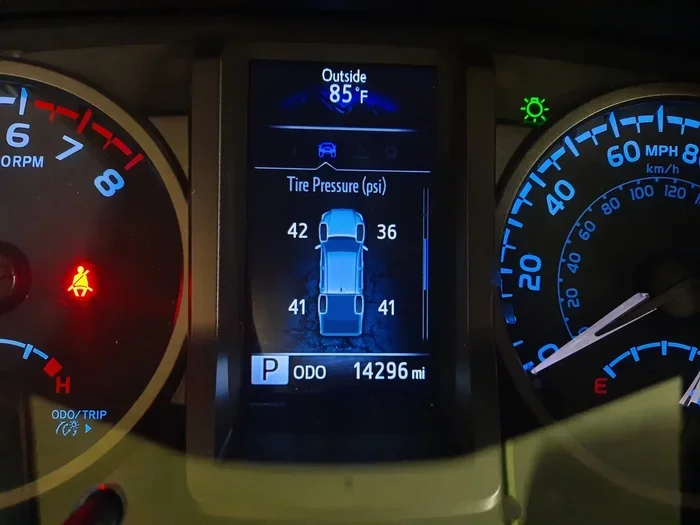
Underinflated tires create rolling resistance, which forces the engine to work harder. Check your tire pressure at least once a month, and always when the tires are cold. The recommended pressure for the Camry Hybrid is listed on the driver’s side door jamb. Keeping tires properly inflated is one of the simplest and cheapest ways to improve fuel economy. Also, stay on top of oil changes and air filter replacements. A clean engine breathes better and runs more efficiently.
Trip Planning Strategies
If you are planning a long trip, a little planning goes a long way. Use a mapping app that shows elevation changes. Choose routes with fewer steep hills when possible. Plan your stops around fuel stations that you know are reliable. Filling up in the morning, when fuel is denser and cooler, can give you a tiny bit more energy per gallon. While the difference is small, every bit helps when you are chasing maximum range.
Key Takeaways
Maximizing your Camry Hybrid range comes down to a few core habits. Drive smoothly and anticipate traffic flow. Use Eco mode and regenerative braking to your advantage. Keep tires properly inflated and the vehicle well-maintained. These simple steps will help you consistently achieve 45 to 50 mpg and a range of 600 miles or more on a single tank.
How Does the Camry Hybrid Compare to Other Hybrid Sedans?
The Camry Hybrid is not the only hybrid sedan on the market. To put its range into perspective, here is a comparison with some popular rivals. All figures are based on the latest model year EPA estimates and a full tank of gas.
| Model | Fuel Tank (gal) | Combined MPG | Est. Full Tank Range (miles) |
|---|---|---|---|
| Toyota Camry Hybrid | 13.2 | 52 | ~686 |
| Honda Accord Hybrid | 15.0 | 48 | ~720 |
| Hyundai Sonata Hybrid | 13.3 | 47 | ~625 |
| Kia K5 Hybrid | 12.4 | 47 | ~583 |
| Toyota Prius (liftback) | 11.3 | 57 | ~644 |
As you can see, the Camry Hybrid offers a competitive range. The Honda Accord Hybrid has a slightly larger tank and a higher total range, but it also has a lower combined MPG. The Camry Hybrid strikes an excellent balance between fuel efficiency and tank size. The Toyota Prius is more efficient per gallon but has a smaller tank, which limits its absolute range. For most drivers, the Camry Hybrid provides the perfect mix of long range, spacious interior, and refined driving experience.
Quick Tip: Which Hybrid Sedan Fits Your Lifestyle?
If you prioritize absolute range and frequently take long road trips, the Accord Hybrid’s larger tank might appeal to you. If you value the highest fuel efficiency and a smaller environmental footprint, the Prius is hard to beat. But if you want a blend of comfort, features, and a very long range without compromise, the Camry Hybrid is a top choice.
Expert Insight: Why the Camry Hybrid Stands Out
The Camry Hybrid is not just about numbers. It offers a premium interior, a smooth ride, and Toyota’s proven reliability. The hybrid system is seamless and nearly silent in electric mode. This combination of range, comfort, and durability is why the Camry Hybrid remains one of the best-selling hybrid sedans in America.
Conclusion
The Toyota Camry Hybrid delivers an exceptional driving range that makes it one of the most practical choices on the road today. With a 13.2-gallon fuel tank and a combined fuel economy of 52 mpg, you can expect to travel between 600 and 700 miles on a full tank. This range eliminates range anxiety and makes the Camry Hybrid equally suitable for daily commutes and cross-country road trips.
Many factors influence your actual mileage, but the Camry Hybrid is forgiving. Gentle driving, proper maintenance, and smart trip planning will help you consistently achieve excellent fuel economy. The hybrid synergy drive, regenerative braking, and efficient gasoline engine all work together to maximize every drop of fuel. If you are looking for a sedan that saves money at the pump and offers peace of mind, the Camry Hybrid is a clear winner.
Now that you know exactly how far can a Toyota Camry Hybrid go on a full tank of gas, you can drive with confidence. Apply the tips in this guide, monitor your own MPG, and enjoy the long, efficient journeys that this remarkable hybrid sedan provides.
Frequently Asked Questions
How many miles can a Toyota Camry Hybrid go on a full tank?
With a 13.2-gallon fuel tank and an EPA combined rating of 52 mpg, the Camry Hybrid can theoretically travel up to 686 miles. In real-world driving, a range of 600 to 700 miles is typical, depending on your driving style and conditions.
What is the fuel tank size of the Camry Hybrid?
The Camry Hybrid comes with a 13.2-gallon fuel tank. This is a generous capacity for a midsize sedan and contributes significantly to its impressive total driving range.
Is the Camry Hybrid good for long road trips?
Absolutely. The long range means you can cover hundreds of miles between fill-ups. The comfortable interior and smooth hybrid powertrain also make long drives relaxing and enjoyable.
How does the Camry Hybrid’s range compare to the regular Camry?
The regular Camry with a gasoline engine has a smaller fuel tank and lower MPG. The hybrid version typically offers 30 to 40 percent more range on a full tank, making it the better choice for high-mileage drivers.
Can you improve the Camry Hybrid’s fuel range?
Yes. Gentle acceleration, maintaining steady speeds, using cruise control on highways, keeping tires properly inflated, and reducing excess weight all help improve your fuel economy and extend your range.
What is the real-world MPG for a Camry Hybrid?
Most owners report real-world combined MPG between 45 and 50. Your exact number will depend on your driving habits, the terrain, the weather, and how well you maintain the vehicle.