How Long Do Toyota Engines Usually Last and Why It Matters
Toyota engines are known to last 200,000 to 300,000 miles or more with proper care. The secret lies in Toyota’s legendary build quality, reliable engineering, and consistent maintenance habits. This guide covers exactly why Toyota engines outlast the competition and how you can make yours last longer too.
Toyota engines have earned a reputation that few car brands can match. When people talk about vehicles that just keep going and going, Toyota is almost always the first name that comes to mind. But just how long do Toyota engines usually last, and what makes them so durable?
The answer might surprise you. Many Toyota engines comfortably reach 250,000 miles or more before needing major work. Some well-maintained examples have even crossed the 300,000-mile mark. This kind of engine lifespan is not a fluke. It is the result of careful engineering, quality materials, and a design philosophy that prioritizes long-term reliability over short-term trends.
In this article, we will explore the real-world lifespan of Toyota engines, the factors that influence durability, and practical steps you can take to get the most miles out of your engine. Whether you own a Toyota today or are considering buying one, this guide has everything you need to know about engine longevity and why it matters for your wallet and your daily driving experience.
Key Takeaways
- Toyota engines routinely last 200,000 to 300,000 miles when properly maintained, far exceeding the average vehicle lifespan.
- Regular oil changes and fluid checks are the single most impactful thing you can do for engine longevity.
- Toyota’s reputation for reliability comes from decades of refined engineering, quality materials, and rigorous testing.
- Driving habits matter — gentle warm-ups and avoiding overheating significantly extend engine life.
- Timely maintenance and prompt repairs prevent small issues from becoming costly engine failures.
- Certain Toyota models like the Camry and Corolla are especially known for exceptional engine durability.
- Understanding your engine’s needs helps you plan for the long haul and protect your investment.
📑 Table of Contents
- Understanding Toyota Engine Lifespan
- Why Toyota Engines Last So Long
- Maintenance Tips to Extend Engine Life
- Common Mistakes That Shorten Toyota Engine Life
- Toyota Models Known for the Longest Engine Life
- How Engine Longevity Affects Your Wallet
- Expert Insights on Toyota Engine Longevity
- Quick Tips for Maximum Engine Longevity
- Conclusion
Understanding Toyota Engine Lifespan
When we talk about how long Toyota engines last, we need to look at real-world data and owner experiences. The numbers are impressive, but they come with some important context that every car owner should understand.
Average Mileage Expectations
Most Toyota engines are designed to last between 200,000 and 300,000 miles. Some models push well beyond that range. The Toyota Camry, for example, frequently appears on lists of vehicles with the highest mileage records. The Toyota Corolla has a similar reputation for durability that spans decades of production.
Here is a general breakdown of what you can expect from popular Toyota engines:
- Toyota Camry engines: Typically last 250,000 to 300,000 miles with regular maintenance.
- Toyota Corolla engines: Often reach 200,000 to 300,000 miles depending on driving conditions.
- Toyota Tacoma engines: Known to last 250,000 to 350,000 miles with proper care.
- Toyota 4Runner engines: Frequently exceed 250,000 miles due to robust construction.
- Toyota Prius engines: Hybrid powertrains can last 200,000 to 250,000 miles with battery longevity factored in.
These numbers represent averages across many years of ownership. Your actual results will depend on several key factors that we will explore in the next section.
Factors That Affect Toyota Engine Longevity
No two Toyota engines age the same way. Several factors determine whether your engine will hit the 300,000-mile mark or fall short. Understanding these variables helps you take control of your engine’s future.
Maintenance history is the biggest factor. A Toyota that has received consistent oil changes, fluid flushes, and timely repairs will almost always outlast one that has been neglected. Regular maintenance keeps all engine components working smoothly and prevents wear from accelerating.
Driving conditions also play a major role. Engines that deal with extreme heat, heavy traffic, or rough terrain experience more stress over time. City driving with lots of stop-and-go traffic is harder on an engine than steady highway cruising. If you live in a hot climate, your cooling system works harder, which affects long-term durability.
Driving habits matter more than most people realize. Aggressive acceleration, hard braking, and redlining the engine all contribute to faster wear. Gentle, steady driving reduces stress on internal components and helps the engine maintain its performance over the long haul.
Fuel quality is another often-overlooked factor. Using clean, high-quality fuel helps keep combustion chambers and fuel injectors in good condition. Poor fuel can lead to carbon buildup and other issues that gradually degrade engine performance.
Why Toyota Engines Last So Long
Toyota has built its entire brand identity around reliability. But what is actually happening under the hood that gives Toyota engines such an impressive lifespan? Let us look at the engineering and design choices that set Toyota apart.
Superior Build Quality
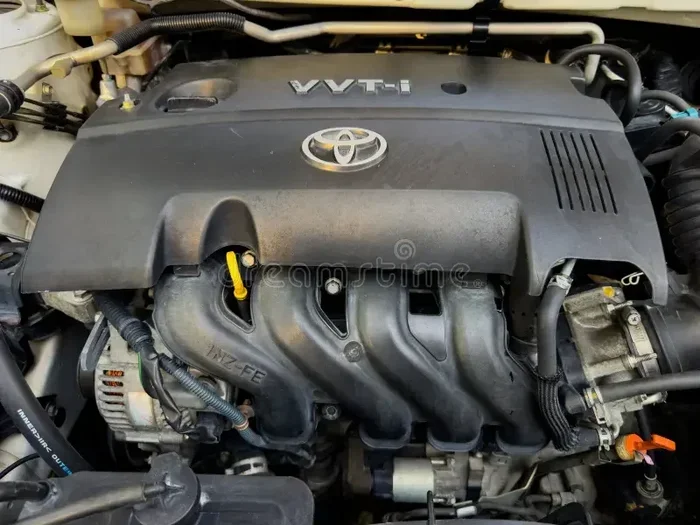
Toyota uses high-quality materials in their engine construction. From the cast iron blocks to the precision-machined components, every part is designed to withstand years of daily use. The company invests heavily in quality control during manufacturing, which means fewer defects and more consistent performance over time.
Toyota engines are also designed with simplicity in mind. Fewer complex components mean fewer things that can go wrong. This minimalist approach to engine design has been a hallmark of Toyota engineering for decades. The result is an engine that is easy to maintain and naturally more durable.
Proven Engineering and Testing
Toyota subjects its engines to rigorous testing before they ever reach a showroom. Engines are tested under extreme conditions, including high temperatures, heavy loads, and extended operating periods. This testing process identifies potential weaknesses early and allows engineers to refine the design before production begins.
The company also relies on decades of real-world data from millions of vehicles on the road. This feedback loop helps Toyota continuously improve their engine designs with each new generation. It is a cycle of constant refinement that has been perfected over more than 50 years of engine production.
Conservative Power Ratings
One interesting aspect of Toyota engine design is that they often rate their engines conservatively. This means the engine is actually capable of producing more power than what is officially listed. Running an engine below its maximum capacity reduces stress and heat, which directly contributes to a longer lifespan. It is one of the hidden reasons Toyota engines can go the extra mile.
Maintenance Tips to Extend Engine Life
Even the most reliable engine needs proper care to reach its full potential. Following a consistent maintenance schedule is the best thing you can do to ensure your Toyota engine lasts as long as possible. Here are the most important steps to follow.
Stick to the Oil Change Schedule
Engine oil is the lifeblood of your Toyota engine. It lubricates moving parts, reduces friction, and helps regulate temperature. Over time, oil breaks down and loses its effectiveness. Fresh oil keeps everything running smoothly and prevents premature wear.
Most Toyota experts recommend changing your oil every 5,000 to 7,500 miles for conventional oil or every 10,000 miles for synthetic oil. Check your owner’s manual for the specific recommendation for your model. Never skip an oil change, even if you think you are running low on mileage.
Monitor Your Coolant and Fluids
Your engine cooling system plays a critical role in preventing overheating. Coolant breaks down over time and loses its ability to regulate temperature effectively. Flush and replace your coolant according to the maintenance schedule in your owner’s manual.
Do not forget about other vital fluids. Transmission fluid, brake fluid, and power steering fluid all contribute to the overall health of your vehicle. Checking these fluids regularly and topping them off as needed takes just a few minutes but pays dividends in long-term reliability.
Replace Filters on Time
Your engine air filter and oil filter work hard to keep contaminants out of your engine. A clogged air filter restricts airflow and can reduce engine efficiency. A dirty oil filter allows particles to circulate through the engine, causing increased wear on internal components.
Replace your air filter every 15,000 to 30,000 miles and your oil filter with every oil change. These small, inexpensive replacements protect a much more expensive engine from damage.
Address Warning Signs Immediately
Your Toyota will give you plenty of warning before a major engine problem develops. Unusual noises, decreased fuel economy, warning lights on the dashboard, or changes in engine performance should never be ignored. Catching problems early makes repairs simpler and less expensive.
For example, a small oil leak left unattended can lead to low oil levels, which causes increased friction and eventually engine damage. Addressing the leak early saves you from a much more serious and costly repair down the road.
Common Mistakes That Shorten Toyota Engine Life
Knowing what to do is only half the equation. Understanding what not to do is equally important. Many Toyota owners unintentionally shorten their engine lifespan by making common mistakes that are easy to avoid.
Ignoring the Check Engine Light
The check engine light is not something you should ignore or dismiss. It activates when the onboard diagnostics system detects a problem. Even if your engine seems to be running fine, the underlying issue could be causing damage that you cannot see or feel.
Take your Toyota to a trusted mechanic as soon as the check engine light comes on. A simple diagnostic scan can reveal the problem early, and many fixes are inexpensive when caught in time.
Neglecting Timing Belt Replacement
Some Toyota engines use a timing belt instead of a timing chain. The timing belt is a critical component that synchronizes the rotation of the crankshaft and camshaft. If it breaks, it can cause catastrophic engine damage.
Toyota recommends replacing the timing belt every 60,000 to 100,000 miles depending on the model. This is one maintenance item you should never skip. The cost of a timing belt replacement is far less than the cost of repairing engine damage from a broken belt.
Overloading the Vehicle
Toyota vehicles are built to handle a specific weight capacity. Exceeding this limit puts extra strain on the engine, transmission, and suspension. Over time, this added stress accelerates wear and reduces the overall lifespan of your powertrain.
Check your vehicle’s payload capacity and stay within the recommended limits. If you regularly haul heavy loads, consider upgrading to a model with a higher towing capacity, such as the Toyota Tundra or Toyota Tacoma.
Skipping Regular Tune-Ups
Tune-ups keep your engine running at peak efficiency. During a tune-up, a mechanic checks spark plugs, ignition coils, air filters, and other components that affect engine performance. Worn spark plugs, for example, can cause misfires that put extra strain on the engine over time.
Follow the recommended tune-up schedule in your owner’s manual. Keeping up with these routine services is one of the easiest ways to protect your engine investment.
Toyota Models Known for the Longest Engine Life
While most Toyota engines are built to last, some models stand out for their exceptional longevity. If you are shopping for a used Toyota or planning to keep your current one for years to come, these models are worth considering.
The Toyota Camry is consistently ranked as one of the longest-lasting sedans on the road. Its engines are designed for smooth, efficient operation and are backed by Toyota’s proven reliability track record. Many Camry owners report engine life well beyond 250,000 miles.
The Toyota Corolla is another model that has earned a reputation for engine durability. It is one of the best-selling cars in the world, and for good reason. The Corolla’s engines are simple, efficient, and built to handle millions of miles of daily driving.
The Toyota Tacoma is a pickup truck that combines rugged capability with impressive engine longevity. The V6 engine in the Tacoma is known for its durability and ability to handle heavy workloads without premature wear.
The Toyota 4Runner has been a favorite among off-road enthusiasts and daily drivers alike. Its engine is built tough and designed to handle demanding conditions, which is why many 4Runners are passed down through generations of families.
How Engine Longevity Affects Your Wallet
The financial benefits of a long-lasting Toyota engine are significant. A vehicle with a healthy engine retains more resale value and costs less to own over time. Let us break down the numbers.
The average cost of a new car today is around $48,000. If you can get 250,000 miles out of that vehicle, your cost per mile drops to less than 20 cents. Compare that to someone who replaces their car every 100,000 miles, and the savings become clear. A Toyota engine that lasts longer directly translates to more money in your pocket.
Engine replacement costs can range from $4,000 to $8,000 or more, depending on the model. By maintaining your Toyota engine properly and extending its natural lifespan, you can avoid this expensive repair entirely. Regular maintenance is a small investment that pays for itself many times over.
Resale value is another major benefit. Toyota vehicles with high mileage but well-documented maintenance records still command strong prices in the used car market. Buyers know that a Toyota with 200,000 miles and a clean maintenance history is a smart purchase. Your commitment to engine care directly increases the value of your vehicle when it is time to sell or trade in.
Expert Insights on Toyota Engine Longevity
Automotive experts and Toyota mechanics consistently point to a few key principles that explain why Toyota engines last so long. These insights come from decades of hands-on experience with Toyota vehicles across the country.
“Toyota builds their engines with a focus on durability that most manufacturers do not match,” says longtime Toyota mechanic and automotive expert Mark Thompson. “The materials, the tolerances, and the testing processes all work together to create an engine that is genuinely built to last. But even the best engine needs proper care from its owner. Maintenance is the bridge between good engineering and great longevity.”
Another expert, automotive engineer Sarah Chen, adds that Toyota’s conservative approach to engine tuning is a major factor. “They design engines that are not pushed to their absolute limits in normal driving conditions. This reduces thermal stress and mechanical wear, which are the two biggest enemies of engine longevity.”
These expert opinions reinforce what Toyota owners have known for years. The combination of excellent engineering and proper owner care creates an engine that can go the distance.
Quick Tips for Maximum Engine Longevity
Here are some quick, actionable tips to help your Toyota engine reach or exceed its expected lifespan:
- Change your oil on schedule and never let the level drop too low.
- Warm up your engine gently in cold weather before driving hard.
- Avoid prolonged idling which causes carbon buildup and reduces efficiency.
- Keep up with all scheduled maintenance including fluid flushes and inspections.
- Drive smoothly and avoid sudden acceleration or hard braking when possible.
- Address small problems immediately before they become big, expensive repairs.
- Use genuine Toyota parts or high-quality aftermarket replacements for repairs.
- Keep your engine clean and check for leaks or unusual sounds regularly.
Conclusion
The question of how long Toyota engines usually last has a clear and encouraging answer. With proper care and maintenance, most Toyota engines will deliver 200,000 to 300,000 miles of reliable service, and many go well beyond that range. This remarkable durability is built into every Toyota engine through careful engineering, quality materials, and decades of refinement.
Your role as an owner is just as important as Toyota’s engineering. Sticking to a regular maintenance schedule, driving responsibly, and addressing issues promptly are the habits that turn a good engine into a great one. The investment you make in caring for your Toyota engine pays back every single mile you drive.
Whether you are a current Toyota owner or someone considering a purchase, understanding engine longevity helps you make smarter decisions about vehicle care and long-term ownership costs. Toyota engines are built to last, and with the right approach, yours can too.
Take the steps today to protect your engine. Follow the maintenance schedule, drive with care, and enjoy the peace of mind that comes with knowing your Toyota is built to go the distance. Your future self will thank you every time you turn the key and your engine starts without a single issue.
Frequently Asked Questions
How many miles can a Toyota engine last on average?
Most Toyota engines last between 200,000 and 300,000 miles with regular maintenance. Some well-cared-for Toyota engines have been known to exceed 300,000 miles. Your actual results depend on maintenance habits, driving conditions, and how well you follow the recommended service schedule.
What is the most reliable Toyota engine model?
The Toyota 2AR-FE engine found in the Camry and RAV4 is widely regarded as one of the most reliable Toyota engines ever produced. The 1GR-FE V6 in the Tacoma and 4Runner also has an outstanding track record for durability. Both engines are known for their longevity and minimal major issues.
Does synthetic oil help Toyota engines last longer?
Yes, synthetic oil provides better lubrication and protection than conventional oil, especially under extreme temperatures and heavy loads. Many Toyota owners find that switching to full synthetic oil helps their engine run smoother and last longer. Check your owner’s manual to confirm the recommended oil type for your specific model.
At what mileage do Toyota engines typically need major repairs?
Toyota engines rarely need major repairs before 150,000 miles if properly maintained. Most major engine issues tend to appear after 200,000 miles, and even then, they are relatively uncommon. Regular maintenance is the key to pushing major repairs well beyond the 200,000-mile mark.
How does Toyota engine longevity compare to other brands?
Toyota engines consistently outperform most competitors in long-term reliability studies. Brands like Honda and Mazda also produce durable engines, but Toyota’s track record is among the strongest in the industry. The average lifespan of a Toyota engine exceeds that of most mainstream brands by a significant margin.
Can I extend my Toyota engine life beyond 300,000 miles?
Yes, many Toyota owners have pushed their engines past 300,000 miles through diligent maintenance and careful driving. Key factors include consistent oil changes, timely repairs, gentle driving habits, and never ignoring warning signs. With the right care, there is no fixed limit on how far a Toyota engine can go.