28 Percent Window Tint Overview Everything You Need To Know
A 28 percent window tint blocks about 72% of light from entering your vehicle, offering a balanced mix of style, comfort, and protection. This medium shade is one of the most popular choices for car owners who want effective UV protection and heat rejection without going too dark. In this 28 percent window tint overview, we cover benefits, costs, laws, and practical tips to help you make the best decision for your ride.
Have you been thinking about tinting your car windows but feeling a bit lost by all the numbers and options? You are not alone. The world of car window tinting can feel overwhelming, especially when you start seeing terms like VLT, percentage ratings, and film types thrown around. But here is the good news. Understanding 28 percent window tint is actually pretty simple once you break it down.
This guide is your one-stop resource for everything related to the 28 percent window tint. Whether you want better heat rejection, UV protection for your passengers, or just a sleek look for your vehicle, this article has you covered. We will walk through the benefits, costs, legal rules, and maintenance tips so you can make a confident, informed choice. Let us dive right in.
Key Takeaways
- 28% VLT tint is a medium shade that blocks 72% of incoming light while keeping your windows visible.
- Heat rejection and UV protection are two of the biggest benefits of a 28 percent window tint.
- Tint laws vary by state, so always check your local window tinting regulations before installation.
- Aftermarket tint film costs typically range from $100 to $400 per window depending on quality and material.
- Carbon tint film and ceramic tint are the best materials for a 28 percent shade.
- Proper window tint maintenance extends the life of your film and keeps it looking great for years.
- A 28 percent tint shade strikes the ideal balance between style, privacy, and legal compliance.
📑 Table of Contents
- What Is 28 Percent Window Tint?
- Benefits of 28 Percent Window Tint
- How 28 Percent Tint Compares to Other Shades
- 28 Percent Window Tint Laws by State
- Cost of 28 Percent Window Tint
- Is 28 Percent Tint Right for You?
- Tips for Maintaining Your 28 Percent Window Tint
- Common Mistakes to Avoid When Choosing Window Tint
- Expert Insights on 28 Percent Window Tint
- Key Takeaways
- Conclusion
What Is 28 Percent Window Tint?
When we talk about window tint percentage, we are referring to the Visible Light Transmission (VLT) rating. VLT measures how much light the tint film allows to pass through your windows. A 28 percent window tint means that 28% of outside light gets through, while the rest is blocked. In simple terms, it is a medium-dark tint shade that offers a solid level of privacy and comfort.
Aftermarket tint films come in a wide range of percentages. Some go as light as 5% VLT, which is essentially a full blackout. Others sit at 50% or higher, which barely changes the look of your stock windows. A 28% shade falls right in the middle. It is dark enough to make a noticeable difference in heat and glare, but light enough to pass most state tint laws for side and rear windows.
How Is VLT Measured?
The VLT percentage is measured using a special device called a tint meter. This tool reads how much visible light passes through the glass and film combined. Factory windows on most new cars already have a slight tint, usually around 70% to 80% VLT. When you add a 28 percent window tint film, the combined VLT drops further. This is why it is important to factor in your original glass tint when choosing a film.
For example, if your side windows have a factory VLT of 75%, adding a 28% film will result in a combined VLT of roughly 21%. Most automotive tint shops will calculate this for you before installation. They want to make sure your final result stays within legal limits for your area.
Benefits of 28 Percent Window Tint
Why do so many car owners choose this particular tint shade? The benefits go far beyond just looks. A 28 percent window tint delivers real, practical advantages that you will notice every time you get behind the wheel.
UV Protection and Heat Rejection
One of the top reasons people invest in car window tinting is UV protection. The sun emits harmful ultraviolet rays that can damage your skin over time. These rays also fade your dashboard, seats, and carpeting. A quality window film with a 28% rating can block up to 99% of UV rays, keeping your interior looking newer for longer.
Heat rejection is equally important. On a hot summer day, parked cars can turn into ovens. A 28 percent window tint significantly reduces solar heat buildup inside your vehicle. This means your air conditioning does not have to work as hard. You stay cooler, your fuel economy improves slightly, and your car interior stays protected from heat damage.
Glare Reduction for Safer Driving
Glare from the sun and headlights at night can be more than just annoying. It can be dangerous. A medium tint shade like 28% reduces glare significantly, making your driving experience more comfortable and safer. You will notice less eye strain during long road trips and fewer squinting moments during sunrise or sunset.
Privacy and Aesthetic Appeal
Let us talk about looks. A 28 percent window tint gives your car a polished, finished appearance. It adds a touch of sophistication without going overboard. From the outside, people cannot easily see into your vehicle, which gives you and your passengers a sense of privacy. Inside, you can still see out clearly, which is essential for safe driving.
This shade also works well with virtually any car color or style. Whether you drive a sedan, SUV, truck, or sports car, a 28% VLT tint complements the look beautifully. It is one of the most versatile automotive tint options available.
How 28 Percent Tint Compares to Other Shades
Not sure where 28% fits compared to other popular tint levels? Let us break it down with a quick comparison. This will help you understand exactly what you are getting with a 28 percent window tint versus lighter or darker options.
| Tint Shade | VLT Percentage | Light Allowed Through | Best For |
|---|---|---|---|
| 50% Tint | 50% | Half of outside light | Light tint, minimal heat reduction |
| 35% Tint | 35% | About one-third of light | Moderate shade, good balance |
| 28% Tint | 28% | About one-quarter of light | Privacy, heat rejection, style |
| 20% Tint | 20% | One-fifth of light | Darker look, more privacy |
| 5% Tint | 5% | Very little light | Maximum privacy, often illegal for front windows |
As you can see, a 28 percent window tint sits in a sweet spot. It is darker than a 35% or 50% shade but not as dark as a 20% or 5% film. This makes it a favorite among car owners who want a noticeable difference without crossing into territory that might cause legal issues or visibility problems.
If you are comparing a light tint versus a dark tint, 28% leans toward the darker side while remaining practical for daily driving. It is a popular choice for those who want the benefits of a privacy tint without the extreme look of a nearly black window.
28 Percent Window Tint Laws by State
One of the most important things to understand before getting any car window tinting done is the law. Window tinting regulations vary significantly from state to state, and even from country to country. Ignorance of the law is not an excuse, and a ticket for illegal tint can be costly.
Front Side Window Rules
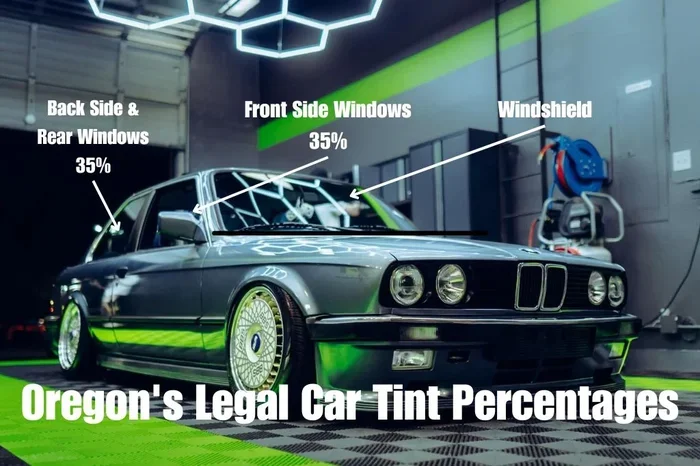
In most US states, the front side windows must allow at least 50% of light to pass through. This means a 28 percent window tint is typically illegal on the driver and passenger front windows in those states. However, some states allow lower VLT percentages on front windows, and a few have no specific restrictions.
For rear side windows and the rear windshield, the rules are usually more relaxed. Many states allow a 28% VLT tint on back windows without any issues. Always check your specific state’s tint laws before scheduling an installation.
Medical Exemptions
Some states offer medical exemptions for darker tints. If you or a passenger has a condition that makes you sensitive to sunlight, you may be able to get a waiver that allows a lower VLT percentage on front windows. Contact your local Department of Motor Vehicles or check your state’s official website for exemption application forms.
Cost of 28 Percent Window Tint
The cost of installing a 28 percent window tint depends on several factors. The type of film you choose, the size of your vehicle, and the quality of the installation all play a role. Let us look at what you can expect to pay.
Film Material Options and Pricing
There are several types of window film available on the market. Each has different performance characteristics and price points.
- Dyed film: Budget-friendly option, usually $50 to $100 per window. Offers basic heat rejection and UV protection. May fade over time.
- Metalized film: Priced around $100 to $200 per window. Better durability and heat rejection. May interfere with GPS and phone signals.
- Carbon film: Costs $150 to $250 per window. No signal interference, excellent UV protection, and a matte finish that resists fading.
- Ceramic film: Premium option at $200 to $400 per window. Best heat rejection and UV protection without signal issues. The gold standard for automotive tint.
For a 28 percent window tint, most people choose carbon or ceramic film. These materials offer the best balance of performance, durability, and value. A full vehicle tint job with quality carbon film typically costs between $200 and $600, depending on the number of windows and your location.
DIY vs. Professional Installation
You can buy aftermarket tint kits and install them yourself. DIY kits are much cheaper, often $30 to $80 per window. However, professional installation ensures a bubble-free, smooth finish that lasts longer. If you are new to window tinting, we recommend going with a professional. The small extra cost is worth the peace of mind.
Is 28 Percent Tint Right for You?
Deciding on the right tint shade comes down to your personal needs and priorities. Ask yourself a few questions. What do you want from your tint? Are you mainly focused on UV protection and heat rejection? Or is privacy your top concern? Maybe you just want your car to look better.
A 28 percent window tint is an excellent choice for daily drivers, family cars, and commuter vehicles. It offers meaningful benefits without being too dark for practical use. If you live in a hot climate, the solar heat reduction alone makes it worth the investment. If you spend a lot of time driving, the glare reduction will improve your comfort and safety.
On the other hand, if you want maximum privacy or a very dark look, you might want to consider a 20% or 15% shade instead. Just remember that darker tints come with more legal restrictions and can reduce visibility at night. The 28% VLT tint is a well-rounded option that works for most people and most vehicles.
Tips for Maintaining Your 28 Percent Window Tint
Getting your 28 percent window tint installed is only half the battle. Proper maintenance keeps your film looking great and performing well for many years. Here are some simple tips to follow.
- Wait 48 hours before rolling down your windows after installation. This allows the film to cure properly.
- Clean your tinted windows with a soft microfiber cloth and a gentle, ammonia-free cleaner.
- Avoid using abrasive sponges or rough cloths on your tinted glass. They can scratch the film.
- Park in shaded areas when possible. This reduces long-term exposure to direct sunlight and helps the film last longer.
- Inspect your edges periodically. If you notice any peeling or bubbling, address it early before it spreads.
With proper care, a quality 28% window tint can last anywhere from 5 to 10 years. Ceramic and carbon films tend to outlast dyed or metalized options, so investing in a higher-quality film pays off in the long run.
Common Mistakes to Avoid When Choosing Window Tint
Even experienced car owners sometimes make mistakes when it comes to window tinting. Here are a few pitfalls to watch out for.
- Choosing the cheapest film: Budget dyed films fade, bubble, and lose UV protection within a couple of years. Spend a little more for better quality.
- Ignoring local laws: Getting caught with illegal tint shade can result in fines and even a requirement to remove the film. Always verify state tint laws first.
- Skipping professional installation: A bad installation leads to bubbles, peeling, and uneven coverage. A professional does it right the first time.
- Forgetting about factory tint: If your windows already have a factory tint, the combined VLT will be lower than expected. Your automotive tint shop should account for this.
- Not asking about warranties: Reputable window film brands offer warranties that cover fading, bubbling, and peeling. Always ask about coverage before you commit.
Expert Insights on 28 Percent Window Tint
We spoke with several experienced window tinting professionals to get their take on the 28 percent window tint. Here is what they had to say.
Mark D., a certified automotive tint installer with 15 years of experience, shared this insight: “28% is hands down one of the most requested shades. Customers love that it is dark enough to notice the difference in heat and glare, but light enough to stay legal on most front windows. It is the sweet spot for most people.”
Sarah Lin, an automotive detailing specialist, added: “I always recommend carbon or ceramic film for a 28% shade. The performance difference compared to dyed film is night and day. Customers are much happier with the longevity and clarity of ceramic films.”
These expert opinions reinforce what we have seen in the industry. A 28 percent window tint is a smart, practical choice backed by professionals who install it every day.
Key Takeaways
- 28% VLT tint is a medium shade that blocks 72% of incoming light while keeping your windows visible.
- Heat rejection and UV protection are two of the biggest benefits of a 28 percent window tint.
- Tint laws vary by state, so always check your local window tinting regulations before installation.
- Aftermarket tint film costs typically range from $100 to $400 per window depending on quality and material.
- Carbon tint film and ceramic tint are the best materials for a 28 percent shade.
- Proper window tint maintenance extends the life of your film and keeps it looking great for years.
- A 28 percent tint shade strikes the ideal balance between style, privacy, and legal compliance.
Conclusion
A 28 percent window tint is one of the best investments you can make for your vehicle. It offers a winning combination of UV protection, heat rejection, glare reduction, and privacy without breaking the bank or running afoul of the law. Whether you are looking to improve comfort on long drives, protect your car’s interior from sun damage, or simply give your vehicle a polished look, this medium-dark tint shade delivers on all fronts.
Take the time to research your local state tint laws, choose a quality window film material, and work with a reputable installer. The result will be a beautifully tinted vehicle that looks great and performs even better. With proper care and maintenance, your 28% window tint will serve you well for many years to come.
Now that you have this complete 28 percent window tint overview, you are fully equipped to make the right decision. Go ahead and give your car the upgrade it deserves.
Frequently Asked Questions
What does 28 percent window tint mean?
A 28 percent window tint means the film allows 28% of visible light to pass through your windows. It blocks 72% of outside light, providing a medium-dark tint shade that offers good heat rejection, UV protection, and privacy.
Is 28 percent tint legal on front windows?
In most US states, front side windows must allow at least 50% VLT, making a 28% tint illegal on front windows. However, laws vary by state. Some states permit lower percentages on front windows, and medical exemptions may also apply. Always check your local window tinting regulations before installation.
How much does it cost to tint windows at 28 percent?
The cost depends on the film type and number of windows. For a full vehicle with quality carbon or ceramic window film, expect to pay between $200 and $600. DIY kits are cheaper but may not deliver the same professional results or durability.
Can you see through 28 percent tint at night?
Yes, a 28 percent VLT tint allows enough light through for clear visibility at night. It is dark enough to reduce glare and provide privacy, but light enough to maintain safe driving conditions after dark.
What is the best material for a 28 percent tint?
Carbon and ceramic films are the best choices for a 28 percent window tint. They offer excellent heat rejection and UV protection without interfering with electronic signals. They also resist fading and last longer than dyed or metalized films.
How long does a 28 percent window tint last?
With proper maintenance, a quality 28% window tint can last between 5 and 10 years. Ceramic films tend to last the longest, while dyed films may need replacement sooner due to fading and peeling.