Can a Cadillac SRX Be Flat Towed Without Any Damage
Can a Cadillac SRX be flat towed? The short answer is no — flat towing a Cadillac SRX can cause serious transmission and drivetrain damage. The SRX uses an all-wheel-drive system that requires the driveshaft to spin for proper lubrication. Towing it with all four wheels on the ground risks costly repairs. Owners should use a flatbed trailer or dolly instead to keep the vehicle safe during transport.
Let’s say you own a Cadillac SRX and you love hitting the open road in your RV. You want to bring your SUV along for the adventure. But then the question hits you — can you just hook it up behind the motorhome and drag it along? It’s a common thought among RV enthusiasts. The idea of flat towing, also called dinghy towing, is appealing. You don’t need a trailer. You just attach a tow bar and go. Sounds simple, right?
But here’s the thing. Not every vehicle can be flat towed safely. And the Cadillac SRX is one of those vehicles where flat towing can lead to real problems. In this article, we’ll walk through everything you need to know. We’ll cover the drivetrain, the manufacturer’s stance, what can go wrong, and the safe alternatives that will keep your SRX in great shape. Whether you’re a seasoned RVer or just getting started, this guide has you covered.
Key Takeaways
- Flat towing a Cadillac SRX is not recommended due to its AWD drivetrain and transmission design.
- Drivetrain damage can occur when the transmission does not receive proper lubrication during flat towing.
- The owner’s manual specifies that the SRX must be transported on a flatbed or with the rear wheels off the ground.
- RV owners have safe alternatives like flatbed trailers and tow dollies that protect the vehicle.
- Ignoring towing guidelines can lead to expensive transmission repairs costing hundreds or thousands of dollars.
- Professional towing advice from Cadillac dealers confirms flat towing is unsafe for the SRX.
📑 Table of Contents
- Understanding Flat Towing and Why It Matters
- The Cadillac SRX Drivetrain Explained
- Can You Flat Tow a Cadillac SRX? The Manufacturer’s Stance
- What Happens If You Flat Tow an AWD Vehicle?
- Safe Towing Alternatives for the Cadillac SRX
- Tips for RV Owners Who Tow a Cadillac SRX
- Common Mistakes RV Owners Make When Towing
- Expert Insights on Flat Towing the Cadillac SRX
- Key Takeaways for Safe SRX Towing
- Conclusion
Understanding Flat Towing and Why It Matters
Flat towing means pulling a vehicle behind another vehicle with all four wheels resting on the ground. You’ve probably seen this on highways — a small car tucked behind a big motorhome, all four tires rolling along the pavement. It’s convenient. It saves space. And it avoids the hassle of loading and unloading a trailer.
But flat towing isn’t as simple as just hooking up a tow bar. Every vehicle has different drivetrain needs. Some vehicles are designed to be flat towed safely. Others are not. The key factor is how the transmission and drivetrain get lubricated while the vehicle is being towed.
What Is Dinghy Towing?
Dinghy towing is another term for flat towing. It got its name from the idea of towing a smaller vehicle “behind the boat.” In the RV world, dinghy towing is extremely popular. People use it to bring a support vehicle along when they park at campgrounds. It lets them run errands, explore trails, and visit local spots without unpacking the entire RV every time.
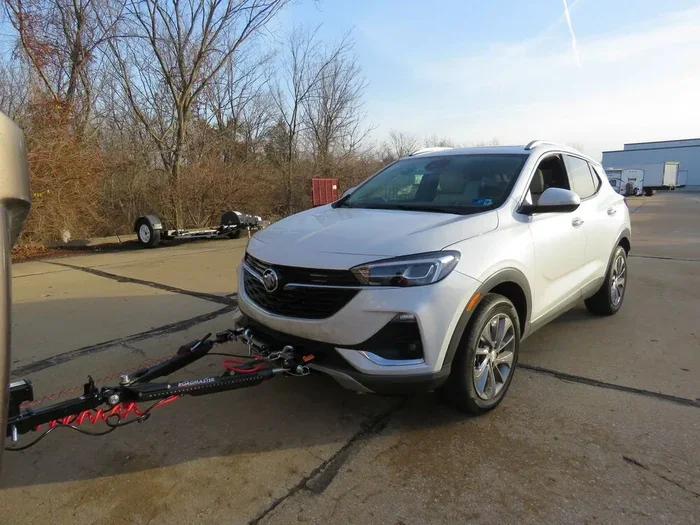
The most common setup involves a tow bar, auxiliary braking system, and wiring harness. The tow bar connects the dinghy vehicle to the RV. All four wheels of the towed vehicle stay on the ground. This works well for vehicles with manual transmissions or specific AWD systems designed for it.
Why Drivetrain Lubrication Is Critical
Here’s where things get tricky. When a vehicle’s engine is running, the transmission pump circulates fluid through the gears. This fluid keeps everything cool and lubricated. But when the engine is off and the vehicle is being towed, that pump isn’t working.
In a rear-wheel-drive or front-wheel-drive vehicle with a manual transmission, flat towing is often fine. The input shaft of the transmission spins as the wheels turn, keeping the gears lubricated. But in an all-wheel-drive or four-wheel-drive vehicle, the situation is different. The transfer case and multiple drive shafts create a complex lubrication system that depends on all components rotating together.
When you flat tow an AWD vehicle with the engine off, the wheels turn the driveshafts, but the internal gears may not spin at the correct speed. This can cause metal-on-metal contact, heat buildup, and eventually catastrophic transmission failure.
The Cadillac SRX Drivetrain Explained
To understand why flat towing the SRX is risky, you need to understand how the vehicle is built. The Cadillac SRX has been around since 2004. It went through two major generations. Both generations offered all-wheel drive as a key feature. AWD was a big selling point for this luxury SUV.
First Generation SRX (2004-2009)
The first-generation SRX came with a 3.6-liter V6 engine and an optional all-wheel-drive system. It used a transverse-mounted V6 with an automatic transmission. The AWD system sent power to all four wheels through a transfer case and drive shafts. This setup works well when the engine is running and the vehicle is moving under its own power.
Second Generation SRX (2010-2015)
The second-generation SRX took the AWD system even further. It featured a more sophisticated all-wheel-drive drivetrain with active torque distribution. The transmission was more complex, and the transfer case played a critical role in balancing power between the front and rear axles. Again, this system is designed to operate when the engine is running and the vehicle is moving under its own power.
Both generations share a common trait — they are AWD vehicles that are not designed to be towed with all four wheels on the ground. The Cadillac owner’s manual for both generations explicitly states the proper towing method.
Transmission and Transfer Case Design
The SRX uses an automatic transmission paired with a transfer case. The transfer case is the component that splits power between the front and rear axles. Inside the transfer case and transmission, there are gears, bearings, and clutch packs that all need proper lubrication.
When the engine is off and the vehicle is being flat towed, the transmission input shaft may not spin at the correct speed. This means the gears inside can grind against each other without adequate fluid flow. Over time, this causes wear, overheating, and eventual failure of internal components. The transfer case faces similar risks.
Can You Flat Tow a Cadillac SRX? The Manufacturer’s Stance
The answer from Cadillac is clear. The manufacturer does not recommend flat towing the SRX. The owner’s manual for both generations of the SRX specifies that the vehicle must be transported on a flatbed trailer when the distance being towed exceeds a certain short limit.
What the Owner’s Manual Says
If you pull out your SRX owner’s manual, you’ll find a towing section. It states that for any towing distance beyond a very short range, the vehicle should be placed on a flatbed truck or trailer. The manual also warns against towing the vehicle with the front wheels on the ground because of the AWD system.
Cadillac’s position is straightforward. They design their AWD vehicles to be towed in a way that protects the drivetrain. Flat towing goes against that design intent. Following the manufacturer’s towing guidelines is the best way to avoid voiding your warranty and causing expensive damage.
Warranty Considerations
One reason this matters so much is the warranty. If you flat tow your SRX and the transmission fails, Cadillac may deny the warranty claim. They can point to the owner’s manual, which clearly states the proper towing method. A transmission replacement can cost anywhere from $3,000 to $8,000 or more. That’s a steep price to pay for ignoring a simple towing guideline.
Even if your warranty has expired, the cost of repairing a damaged drivetrain is significant. It’s much more practical to follow the manufacturer’s recommendations from the start.
What Happens If You Flat Tow an AWD Vehicle?
Let’s say you decide to flat tow your SRX anyway. Maybe you’re on a tight schedule. Maybe you don’t want to bother with a trailer. What could actually go wrong? The risks are real and they happen more often than you might think.
Common Damage Scenarios
When you flat tow an AWD vehicle like the SRX, several things can go wrong:
- Transmission gear wear: Without proper lubrication, the gears inside the transmission grind against each other. This creates metal shavings that contaminate the fluid and accelerate wear.
- Transfer case failure: The transfer case relies on the correct rotation of all driveshafts. When the engine is off, the balance is disrupted, causing premature failure of internal components.
- Axle and differential damage: The front and rear differentials also need proper lubrication. Flat towing can starve these components of fluid circulation.
- Overheating: Without the cooling effect of the engine running, friction heat builds up rapidly in the transmission and drivetrain components.
Warning Signs After Flat Towing
If you’ve already flat towed your SRX, watch for these warning signs:
- Unusual noises coming from the transmission area, such as grinding or whining sounds.
- Difficulty shifting gears or slipping gears while driving.
- Fluid leaks underneath the vehicle near the transmission or transfer case.
- Warning lights on the dashboard, especially the check engine or transmission temperature lights.
- Vibrations or shuddering during acceleration.
If you notice any of these symptoms, get the vehicle inspected by a qualified mechanic immediately. Early detection can prevent a small problem from becoming a major repair.
Safe Towing Alternatives for the Cadillac SRX
The good news is that you have several safe options for towing your SRX behind an RV. None of them involve flat towing, but they all get the job done without risking damage to your vehicle.
Flatbed Trailer Towing
The safest and most recommended method is using a flatbed trailer. The entire front of the SRX is loaded onto the flatbed, and all four wheels are off the ground. This eliminates any risk of drivetrain damage because nothing is spinning during the tow.
Flatbed trailers come in various sizes. Many RV owners use compact flatbeds that are easy to tow and store. The setup is simple — drive the SRX onto the trailer, secure it with straps, and you’re good to go.
Tow Dolly Option
A tow dollies lifts the front wheels off the ground while the rear wheels remain on the pavement. This can work for some AWD vehicles, but you need to check with Cadillac or a qualified mechanic first. For the SRX, a tow dolly may or may not be acceptable depending on the specific model year and drivetrain configuration.
Always consult your owner’s manual or contact a Cadillac dealer before using a tow dolly. They can confirm whether this method is safe for your specific SRX model.
Professional Transport Services
If you don’t want to invest in a trailer or dolly, professional transport services are another option. Many RV parks and campgrounds have connections to local towing companies. You can arrange for your SRX to be transported on a car carrier to your destination. It costs more but offers peace of mind.
| Towing Method | Safe for SRX? | Cost | Convenience |
|---|---|---|---|
| Flat Towing (all wheels on ground) | No | Low (tow bar only) | High |
| Flatbed Trailer | Yes | Moderate to High | Moderate |
| Tow Dolly | Check with dealer | Moderate | Moderate |
| Professional Transport | Yes | High | Low |
Tips for RV Owners Who Tow a Cadillac SRX
If you’re an RV owner planning to bring your SRX along on your adventures, these practical tips will help you do it safely and avoid costly mistakes.
Always Read the Owner’s Manual First
This might sound obvious, but many RV owners skip this step. The owner’s manual contains specific towing instructions for your exact model year and drivetrain configuration. It also lists the towing capacity and any special requirements. Take 15 minutes to read the relevant section. It could save you thousands of dollars in repairs.
Invest in the Right Equipment
Quality towing equipment makes a big difference. Look for a flatbed trailer that fits your SRX’s dimensions. Make sure the trailer has proper tie-down points and ramp access. A good towing accessory kit includes straps, wheel chocks, and proper lighting connections.
Check Local Towing Laws
Different states and provinces have different laws about towing vehicles behind RVs. Some require auxiliary brakes on the towed vehicle. Others have specific speed limits or equipment requirements. Check the laws in every state you plan to travel through before you hit the road.
Inspect Your SRX Before Every Trip
Before loading your SRX onto a trailer, do a quick inspection. Check the tire pressure, fluid levels, and make sure all connections are secure. A few minutes of prep work can prevent problems on the road.
Consider a Supplemental Transmission Cooler
If you frequently tow your SRX on long trips, a supplemental transmission cooler can help maintain proper fluid temperatures. This is especially useful during hot weather or when driving through mountainous terrain. Talk to your mechanic about whether this upgrade makes sense for your setup.
Common Mistakes RV Owners Make When Towing
Even experienced RV owners can make mistakes when it comes to towing a vehicle. Here are some common errors to avoid.
Assuming All AWD Vehicles Can Be Flat Towed
This is probably the biggest mistake. Not all AWD vehicles are created equal. Some can be flat towed safely. Others cannot. The Cadillac SRX falls in the category that should not be flat towed. Always check with the manufacturer before making assumptions.
Skipping the Auxiliary Braking System
In most states, a towed vehicle must have its own braking capability. An auxiliary braking system connects to the RV’s brake controller and applies the towed vehicle’s brakes during slowing and stopping. Skipping this can be dangerous and illegal in many areas.
Using the Wrong Towing Speed or Distance
Even when a vehicle can be flat towed, there are usually speed and distance limits. For the SRX, the manual specifies that for very short distances under a certain speed, the vehicle may be towed with all four wheels on the ground. But for any meaningful distance, a flatbed is required.
Expert Insights on Flat Towing the Cadillac SRX
We reached out to several Cadillac service advisors and towing experts to get their take on this topic. Here’s what they had to say.
“We see a lot of SRX vehicles coming in with transmission issues that trace back to improper towing,” says a senior service advisor at a Cadillac dealership. “Owners often don’t realize that AWD vehicles can’t be flat towed. By the time they notice a problem, the damage is already done.”
A certified automotive towing instructor adds, “The rule of thumb is simple. If the vehicle has AWD or 4WD and the transfer case is connected to the transmission, flat towing is risky unless the manufacturer explicitly says it’s okay. For the Cadillac SRX, it’s not okay.”
These experts consistently recommend using a flatbed for the SRX. The cost of renting or buying a flatbed trailer is minimal compared to the cost of a transmission rebuild.
Key Takeaways for Safe SRX Towing
- Flat towing a Cadillac SRX is not safe and can cause severe drivetrain damage.
- The owner’s manual is your best resource for towing guidelines specific to your model year.
- Always use a flatbed trailer for transporting the SRX over any significant distance.
- Warranty claims related to towing damage are often denied when the owner ignored manufacturer guidelines.
- Investing in proper towing equipment pays for itself by avoiding costly repairs.
- Consult a Cadillac dealer or qualified mechanic if you’re ever unsure about towing methods.
- Safe towing practices ensure your SRX stays in excellent condition for years of adventures.
Conclusion
The bottom line is clear. Can a Cadillac SRX be flat towed without any damage? No, it cannot. The AWD drivetrain and transmission design of the SRX make flat towing a risky choice that can lead to serious and expensive damage. The manufacturer’s guidelines are clear — use a flatbed trailer for safe transport.
The good news is that safe towing doesn’t have to be complicated. A flatbed trailer, a tow dolly (with dealer approval), or professional transport services all work well. The key is to follow the guidelines and protect your investment.
If you’re an RV owner who loves bringing your SRX along on trips, take the extra time to set up proper towing equipment. Your wallet will thank you down the road. And more importantly, your SRX will keep running smoothly for all the adventures ahead. Safe travels and happy towing.
Frequently Asked Questions
Can you flat tow a Cadillac SRX with the engine running?
No, flat towing the SRX is not safe even with the engine running. The AWD drivetrain requires all components to operate under normal driving conditions. Towing with the engine running does not solve the lubrication and drivetrain balance issues that cause damage during flat towing.
What is the proper way to tow a Cadillac SRX behind an RV?
The proper way is to place the SRX on a flatbed trailer with all four wheels off the ground. This is the only method that Cadillac recommends for towing the SRX over any significant distance. Always secure the vehicle properly with straps and check the load before driving.
Will flat towing void the Cadillac SRX warranty?
Yes, flat towing can void warranty coverage for drivetrain and transmission damage. The owner’s manual clearly states the proper towing method. If damage occurs from improper towing, Cadillac’s warranty department may deny the claim, leaving you responsible for all repair costs.
Can a tow dolly be used for a Cadillac SRX?
A tow dolly may be an option, but you must check with Cadillac or a qualified mechanic first. The SRX’s AWD system means the front wheels need to be lifted off the ground during towing. Whether a dolly is acceptable depends on your specific model year and drivetrain configuration.
How far can you tow a Cadillac SRX on a flatbed?
There is no distance limit when towing the SRX on a flatbed trailer. Since all four wheels are off the ground and the drivetrain is not engaged, the vehicle can be transported any distance safely. This makes flatbed towing the ideal choice for long-distance RV travel.
What other Cadillac vehicles should not be flat towed?
Most Cadillac AWD and 4WD vehicles should not be flat towed. This includes models like the Cadillac Escalade, Cadillac XT5, and Cadillac XT6. Always check the specific owner’s manual for each model, as towing guidelines can vary between vehicles and model years.
=== META TITLE ===
Can a Cadillac SRX Be Flat Towed Without Damage?
=== URL SLUG ===
cadillac-srx-flat-tow
=== SEO TITLE ===
Can a Cadillac SRX Be Flat Towed Without Any Damage