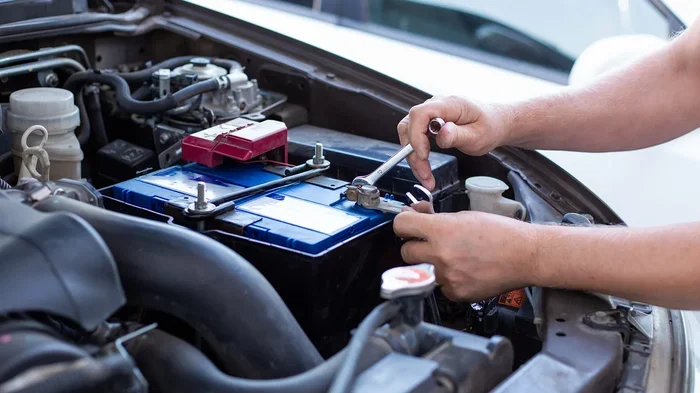
Do I Need to Reprogram My Car After Battery Replacement
Do I Need to Reprogram My Car After Battery Replacement? The short answer is: it depends on your vehicle and what was disconnected. Many modern cars have computers and modules that may need a reset after a car battery replacement. Some vehicles bounce back on their own, while others require a full ECU reprogramming or adaptive learning reset. Knowing what to expect saves time, money, and frustration. This guide walks you through everything you need to know, step by step.
You just spent thirty minutes popping the hood, clamping off the old car battery, and hooking up a fresh one. You turn the key. The engine roars to life. Everything looks fine. But then, ten minutes later, your radio asks for a code. Your power windows stop working. The check engine light flickers on. You start to panic. Did you break something? Do you need to reprogram your car after battery replacement?
Take a deep breath. You probably did not break anything. What you are experiencing is completely normal for many vehicles. The question Do I Need to Reprogram My Car After Battery Replacement comes up more often than you might think. And the answer is not always a simple yes or no. It depends on your car’s age, its electronic systems, and what you did during the swap. Let us walk through it all together.
Key Takeaways
- Not all cars need reprogramming: Older vehicles and some newer models reset automatically after a battery disconnect.
- Modern cars with advanced electronics often require ECU reprogramming, idle relearn, and module resets.
- Using a memory saver device during the swap prevents data loss and avoids most reprogramming needs.
- Common symptoms after a swap include check engine lights, power window issues, radio codes, and erratic idle.
- An OBD2 scanner can help clear codes and speed up the reset process.
- Professional help may be needed for complex systems like infotainment, climate control, and safety modules.
- Preventive steps like keeping the ignition off and using proper tools make the process smoother.
📑 Table of Contents
- What Happens When You Replace Your Car Battery
- Do You Always Need to Reprogram After a Battery Swap
- Systems That May Need Reprogramming After Battery Replacement
- How to Reprogram Your Car After Battery Replacement
- Common Problems After Battery Replacement
- Tips to Avoid Issues During Battery Replacement
- Quick Tips Summary
- Expert Insights
- Comparison: Cars That Need Reprogramming vs. Those That Do Not
- Key Takeaways
- Conclusion
What Happens When You Replace Your Car Battery
When you disconnect your car battery, you cut power to every electronic module in your vehicle. Your car today is not just a machine with an engine. It is a rolling computer network. Dozens of control modules communicate with each other constantly. When the power drops, these modules lose stored data. That data includes learned driving habits, calibration values, and system configurations.
Some vehicles handle this gracefully. They relearn everything on the fly as you drive. Other vehicles hold a grudge. They throw codes, reset settings, and demand attention. Understanding this difference is the first step in answering Do I Need to Reprogram My Car After Battery Replacement for your specific ride.
The Role of Your Car’s Computer Systems
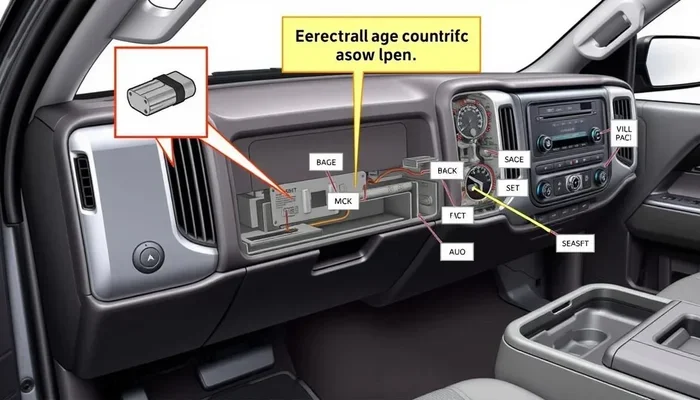
Your car contains several Electronic Control Units, or ECUs. Each one manages a specific system. The Engine Control Module handles fuel delivery and ignition timing. The Transmission Control Module shifts your gears. The Body Control Module manages your lights, locks, and windows. When you disconnect the battery, all of these modules lose their adaptive learning data. They go back to factory defaults. In many cases, they rebuild that data as you drive. But some need a nudge.
Why Power Loss Affects Settings
Think of your car’s computer like your phone. When the battery dies completely, your phone resets. Your wallpaper goes back to default. Your apps log you out. Your car works the same way. Radio presets disappear. Clock settings reset. Power window calibration gets wiped. Seat positions may revert. The tire pressure monitoring system often needs recalibration too. None of this means anything is broken. It just means the memory was cleared.
Do You Always Need to Reprogram After a Battery Swap
Here is where it gets interesting. The answer to Do I Need to Reprogram My Car After Battery Replacement varies wildly by vehicle. Let us break it down by car type so you know what to expect.
Older Vehicles (Pre-2000)
If your car was built before the year 2000, chances are you do not need to reprogram anything after a battery replacement. Older vehicles have simpler electrical systems. They do not rely heavily on stored computer data. You might need to reset your clock and radio presets. That is about it. The engine control module in these cars is basic. It does not have complex adaptive learning that gets disrupted by a battery disconnect.
Vehicles From 2000 to 2015
This is the gray zone. Cars from this era started adding more electronics. Many will reset themselves after a car battery replacement. You drive for a few days, and everything falls back into place. But some models from this period are stubborn. They hold onto error codes. They may need a manual reset using an OBD2 scanner. If your car falls in this range, keep an eye on how it behaves for the first week after the swap.
Modern Vehicles (2015 and Newer)
New cars are essentially computers on wheels. They have dozens of interconnected modules. Disconnecting the battery on a modern vehicle almost always triggers some form of ECU reprogramming or adaptive learning reset. Luxury brands like BMW, Mercedes, and Audi are especially sensitive to power loss. Even mid-range vehicles from brands like Ford, Chevrolet, and Toyota may require key fob reprogramming or infotainment system resets after a battery replacement.
Systems That May Need Reprogramming After Battery Replacement
Not every system in your car needs reprogramming after you swap the battery. But several do. Here is a detailed look at the systems most commonly affected by a car battery replacement.
Engine and Transmission Modules
The Engine Control Module, or ECM, stores fuel trim values and ignition timing maps. When you disconnect the battery, these values reset to default. Your car may run rough for the first few drives. It might idle unevenly. The Transmission Control Module may shift differently too. Some vehicles require an idle relearn procedure after a battery change. This teaches the engine to idle smoothly again without the old data.
Power Windows and Sunroof
Many cars store window and sunroof calibration in memory. After a battery disconnect, the windows may not auto-tilt properly. You might need to reprogram each window. The process usually involves holding the switch up until the window is fully open, then holding it for a few more seconds. Check your owner’s manual for the exact steps.
Radio and Infotainment System
This is the most common complaint after a car battery replacement. The radio asks for a security code. You need to find that code in your owner’s manual or contact your dealer. Some infotainment systems also lose paired phone connections and saved navigation addresses. A full infotainment reset may be needed on some models.
Key Fob and Remote Entry
In some vehicles, especially those with proximity key systems, the key fob needs to be re-paired after a battery swap. The car may not recognize the fob immediately. Usually, following the pairing procedure in the owner’s manual fixes this quickly.
Power Seats and Mirrors
If your car stores seat and mirror positions for multiple drivers, a battery disconnect can wipe those memory settings. You may need to reprogram your preferred positions. Some vehicles also need the power seat calibration reset after losing power.
Tire Pressure Monitoring System
The TPMS light often comes on after a battery replacement. This does not mean you have a flat tire. It just means the system lost its baseline pressure values. You may need to reset the TPMS using a button under the steering column or through the infotainment screen.
Clock and Vehicle Settings
The clock resets to midnight. Your preferred climate control settings revert to default. Your dashboard display language might change briefly. These are minor issues, but they add up to an annoying first few hours after a car battery replacement.
How to Reprogram Your Car After Battery Replacement
If your car does need reprogramming, do not stress. Most of the processes are straightforward. Here is how to handle the most common scenarios.
Using an OBD2 Scanner
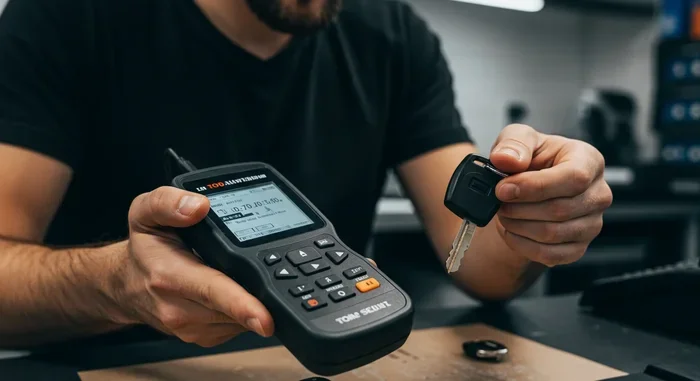
An OBD2 scanner is your best friend after a battery replacement. This small device plugs into the diagnostic port under your dashboard. It reads error codes and clears them. Many auto parts stores will let you borrow one for free. Simply plug it in, read any stored codes, and clear them. This alone fixes many post-battery-swap issues.
Performing an Idle Relearn Procedure
If your car idles roughly after a battery swap, try the idle relearn. Turn the ignition on without starting the engine. Wait for the dashboard lights to dim. Start the engine and let it idle in park for ten minutes. Do not touch the gas pedal. Let the ECM relearn the idle speed. This simple step resolves rough idle in many vehicles.
Resetting Power Windows
To reset power windows after a battery disconnect, follow these steps:
- Start the engine.
- Roll the window all the way down using the switch.
- Pull the switch up to roll the window fully closed.
- Hold the switch up for three more seconds.
- Repeat for each window.
This recalibrates the window sensors and restores full auto-function.
Reprogramming the Key Fob
If your key fob is not working after a car battery replacement, try the re-pairing process. Sit in the driver’s seat with all doors closed. Press the lock button on the fob. Turn the ignition to the ON position without starting. Wait for the doors to lock. Press the lock button again within five seconds. The fob should pair. Check your owner’s manual for model-specific steps.
Resetting the TPMS
Most vehicles have a TPMS reset button. It is usually located below the steering column. With the engine running, press and hold the button until the TPMS light blinks three times. Release it. Drive for a few miles at speeds above 30 mph. The system should recalibrate on its own.
When to Seek Professional Help
Sometimes, Do I Need to Reprogram My Car After Battery Replacement leads to a situation that needs a pro. If your check engine light stays on after clearing codes, if the transmission shifts strangely, or if multiple modules throw errors, visit a qualified mechanic. Dealerships have proprietary diagnostic tools that can reprogram modules at a deep level. Independent shops with advanced scanners can often handle this too.
Common Problems After Battery Replacement
Even when you do everything right, problems can pop up after a battery replacement. Here are the most common issues and what to do about them.
Check Engine Light Stays On
A check engine light after a battery swap is extremely common. The ECM loses its fuel trim data and throws a code. This is usually not a real problem. Clear the code with an OBD2 scanner. If it comes back, there may be an underlying issue that the battery change exposed.
Car Won’t Start After Battery Change
If your car won’t start after battery replacement, check the connections first. Make sure the terminals are tight and clean. Corrosion on the terminals is a common culprit. If the connections are fine, the anti-theft system may have locked out the ignition. Wait ten minutes with the key in the ON position. The system should re-arm.
Erratic Gauges and Warnings
Your speedometer, fuel gauge, or temperature gauge may act crazy after a battery disconnect. This happens because the gauges need to relearn baseline values. Driving the car for a while usually fixes this. If it does not, a scanner can reset the gauge cluster.
Reduced Fuel Economy
Your car may use a little more fuel for the first few hundred miles after a car battery replacement. The ECM has not yet relearned your driving patterns. This is temporary. Once the adaptive learning kicks back in, fuel economy should return to normal.
Tips to Avoid Issues During Battery Replacement
The best way to deal with Do I Need to Reprogram My Car After Battery Replacement is to prevent the problems in the first place. Here are some practical tips that make a big difference.
Use a Memory Saver Device
A memory saver device is a small gadget that keeps power flowing to your car’s modules while you disconnect the battery. You plug it into the OBD2 port or the cigarette lighter. It has its own small battery. This prevents data loss across all modules. You walk away from the battery swap with zero reprogramming needed. These devices cost between twenty and fifty dollars and are worth every penny.
Keep the Ignition Off During the Swap
Before you disconnect the old battery, turn the ignition completely off. Remove the key from the ignition. Do not leave the radio on or the climate control running. This reduces the chance of module errors during the battery replacement process.
Replace with the Same Battery Type
Make sure your new battery matches the original in terms of group size, cold cranking amps, and terminal placement. A mismatched battery can cause electrical issues that mimic reprogramming problems. Check your owner’s manual or the label on the old battery before you buy the new one.
Clean the Terminals Before Connecting
Corrosion on battery terminals causes voltage drops and erratic electrical behavior. Use a wire brush or battery terminal cleaner to scrub both the positive and negative posts before connecting the new battery. Apply a thin coat of dielectric grease afterward to prevent future corrosion.
Let the Car Idle for Ten Minutes After Installation
After connecting the new battery, let the engine idle for at least ten minutes. Do not drive off immediately. This gives the ECM and other modules time to stabilize. It also allows the idle relearn process to begin. A smooth start sets the tone for everything that follows.
Drive Gently for the First Few Days
Your car needs time to relearn after a battery replacement. Avoid aggressive driving, hard braking, and heavy throttle for the first three to five days. Let the adaptive learning systems rebuild their data naturally. Smooth, steady driving helps the car recalibrate faster.
Quick Tips Summary
- Always use a memory saver if your car has advanced electronics.
- Keep the ignition off before disconnecting the old battery.
- Match the new battery to the original specifications exactly.
- Clean terminals before connecting the new battery.
- Idle for ten minutes after installation before driving.
- Use an OBD2 scanner to clear any codes that pop up.
- Drive gently for the first few days to allow relearning.
- Check your owner’s manual for model-specific reset procedures.
Expert Insights
Automotive technicians who work on car electronics every day agree on one thing: prevention beats cure. A memory saver device is the single best investment you can make before any battery work. It protects every module in your car from data loss. Many shops include it as a standard part of their battery replacement service for good reason.
Another expert tip: do not ignore the check engine light after a battery swap. Yes, it is often nothing serious. But sometimes it points to a real problem that the battery change revealed. Get it checked if the light persists after you clear the code. A few minutes with a scanner can save you from a bigger repair down the road.
Technicians also emphasize the importance of patience. After a car battery replacement, give your car at least a week to fully recalibrate. Systems like the transmission, power steering, and climate control need time to relearn their adaptive values. Rushing the process leads to unnecessary trips to the shop.
Comparison: Cars That Need Reprogramming vs. Those That Do Not
| Factor | Needs Reprogramming | Resets Automatically |
|---|---|---|
| Vehicle Age | 2015 and newer | Pre-2000 models |
| Electronic Complexity | Luxury brands, hybrid vehicles | Basic models, older engines |
| Battery Disconnect Duration | Longer than 30 minutes | Brief disconnection under 10 minutes |
| Memory Saver Used | Not used | Used during swap |
| Common Symptoms | Error codes, lost settings, rough idle | Clock reset, radio code only |
| Reprogramming Tools Needed | OBD2 scanner, dealer tools | None or basic scanner |
| Cost of Reprogramming | 50 to 300 dollars | Free |
Use this comparison to get a rough idea of where your vehicle falls. Keep in mind that every car is different. Check with your dealer or a trusted mechanic if you are unsure.
Key Takeaways
- Not every car needs reprogramming: older and simpler vehicles usually reset on their own after a battery replacement.
- Modern and luxury vehicles often require ECU reprogramming, idle relearn, and module resets.
- A memory saver device is the easiest way to prevent reprogramming altogether.
- Common systems affected include the engine, transmission, radio, power windows, key fob, and TPMS.
- An OBD2 scanner helps clear codes and speed up the reset process.
- Drive gently for the first few days to allow your car’s adaptive systems to relearn.
- See a professional if problems persist after you try basic reset procedures.
Conclusion
So, do I need to reprogram my car after battery replacement? The honest answer is: it depends. For older, simpler cars, the answer is usually no. For modern vehicles packed with electronics, the answer is often yes. The good news is that most reprogramming tasks are simple and affordable. A basic OBD2 scanner handles many of them. A memory saver device prevents most of them entirely.
The key is to be prepared. Know what your car needs before you disconnect that old battery. Follow the steps in this guide, and you will handle the process like a pro. Your car will recalibrate, your settings will come back, and you will be back on the road without a second thought about the car battery replacement you just completed.
Take it one step at a time. Do not let the fear of reprogramming stop you from swapping a weak battery. With the right tools and a little patience, you can power through it. And now you know exactly what to expect. Drive safe, and enjoy the fresh start your new battery gives you.
Frequently Asked Questions
Can I drive my car immediately after replacing the battery?
Yes, in most cases you can drive right away. However, it is best to let the engine idle for five to ten minutes after connecting the new battery. This gives the ECM and other modules time to stabilize. Avoid aggressive driving for the first few miles.
How long does it take for a car to relearn after a battery swap?
Most vehicles need three to seven days of normal driving to fully relearn their adaptive settings. Some systems, like the idle relearn, may take just a few hours. Be patient and drive smoothly during this period.
Will I lose my radio presets after a battery replacement?
Yes, in most cases your radio presets will be cleared after a battery disconnect. You will need to reprogram your favorite stations. Some vehicles also ask for a security code, which you can find in your owner’s manual.
Do I need a special tool to reprogram my car after a battery change?
For most vehicles, a basic OBD2 scanner is all you need. It clears error codes and resets minor modules. Luxury or European vehicles may require dealer-level tools for deep reprogramming. Check with your dealer if you are unsure.
Can a dead battery cause error codes in my car?
Yes, a weak or dead battery can cause voltage drops that trigger error codes. These codes often disappear after a battery replacement and a full drive cycle. Use an OBD2 scanner to clear any remaining codes.
Is it safe to use a memory saver device during battery replacement?
Absolutely. A memory saver device is safe and widely recommended by mechanics. It keeps power flowing to your car’s modules while you work. This prevents data loss and avoids most reprogramming needs after a battery swap.