Does Tesla Use Oil Here Is Everything You Need To Know
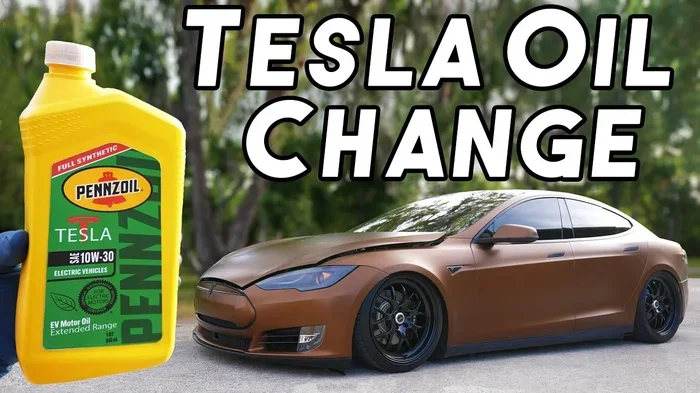
So, does Tesla use oil? The short answer is no — Tesla vehicles do not use traditional engine oil because they run on electric motors. However, Teslas still need a few other fluids like coolant, brake fluid, and transmission fluid to keep things running smoothly. If you are thinking about switching to a Tesla or just curious about EV maintenance, this guide covers everything you need to know about Tesla fluids, oil changes, and how electric cars compare to gas-powered vehicles.
You have probably heard the buzz about electric vehicles. Maybe you are considering a Tesla. Or maybe you just want to know if your neighbor’s shiny new Tesla needs oil changes like your old Honda does. Either way, you have come to the right place.
So, does Tesla use oil? This is one of the most common questions people ask when they start looking into electric vehicles. The answer is simpler than you might think. Tesla cars do not use traditional engine oil. But that does not mean they need zero fluids at all. There is a lot more to the story, and we are going to walk through every detail so you feel confident and informed.
Whether you own a Tesla already, are planning to buy one, or are just curious about how electric cars work, this guide has you covered. We will break down everything from electric motors to fluid types, maintenance schedules, and how Tesla compares to gas-powered vehicles. Let us dive right in.
Key Takeaways
- No Engine Oil Needed: Tesla vehicles use electric motors, so there is no need for traditional engine oil changes.
- Other Fluids Are Still Required: Teslas use coolant, brake fluid, and differential fluid to operate properly.
- Lower Maintenance Costs: Without oil changes, Tesla owners save significantly on routine maintenance compared to gas car owners.
- Regenerative Braking Reduces Wear: Tesla’s regenerative braking system means brake pads and fluids last much longer.
- Tesla Service Centers Can Help: For any fluid checks or replacements, Tesla service centers offer expert support.
- Electric Vehicles Are Simpler: Fewer moving parts mean fewer things can break, making EVs like Tesla more reliable over time.
- Know Your Model: Different Tesla models may have slightly different fluid requirements, so always check your owner’s manual.
📑 Table of Contents
- So, Does Tesla Use Oil?
- What Fluids Does a Tesla Actually Use?
- Tesla Maintenance: How It Compares to Gas Cars
- Common Mistakes Tesla Owners Make With Fluids
- Quick Tips for Tesla Fluid Maintenance
- Expert Insights on EV Fluids and Maintenance
- How Tesla’s Electric Powertrain Reduces the Need for Oil
- Key Takeaways
- Conclusion
So, Does Tesla Use Oil?
Here is the core answer. A Tesla does not use engine oil. Traditional gas-powered cars need engine oil to lubricate thousands of moving parts inside a combustion engine. Pistons move up and down. Gears spin. Metal rubs against metal. Oil reduces friction and keeps everything from overheating.
A Tesla does not have any of that. Instead, Tesla vehicles use an electric motor. Electric motors have far fewer moving parts. There is no combustion happening inside the motor. No explosions. No high-speed metal grinding. That means there is no need for engine oil.
This is one of the biggest advantages of driving an electric vehicle. When you switch from a gas car to a Tesla, you say goodbye to oil changes forever. No more scheduling appointments every few thousand miles. No more wondering when the last oil change was. It is one less thing on your maintenance checklist.
But here is where it gets a little more nuanced. While Tesla vehicles do not need engine oil, they do still use other types of fluids. We will get into all of that below. For now, just remember that the answer to does Tesla use oil is a clear no when it comes to engine oil.
Why Electric Motors Do Not Need Oil
Let us take a quick look at how an electric motor works. Inside a Tesla motor, you will find a rotor and a stator. These components spin with very little friction. The motor uses electromagnetic fields to create motion. That is it. No pistons. No crankshaft. No valves.
Because there are so few moving parts, there is very little wear and tear. Traditional combustion engines have hundreds of moving parts. They need oil to keep all of those parts from grinding against each other. Electric motors simply do not have that problem.
This is why EV maintenance is so much simpler. Fewer parts that need oil means fewer parts that can break. It also means lower maintenance costs over the life of the vehicle. For many Tesla owners, this is a huge selling point.
What Fluids Does a Tesla Actually Use?
Just because Tesla vehicles do not need engine oil does not mean they run on nothing. Teslas still use several different fluids to operate safely and efficiently. Let us go through each one so you know exactly what is happening under the hood.
Coolant Fluid
Tesla vehicles use coolant to regulate battery temperature. The battery pack generates heat during charging and driving. Too much heat can reduce battery life and performance. Coolant circulates through the battery system to keep temperatures in a safe range.
Tesla uses a special glycol-based coolant. This is different from the coolant you might put in a gas car. It is designed specifically for the thermal management system in Tesla vehicles. Over time, coolant levels may need to be checked and topped off.
Brake Fluid
Every car needs brake fluid, and Tesla is no exception. Brake fluid is a hydraulic fluid that transfers force from the brake pedal to the brake calipers. When you press the brake pedal, the fluid pushes the brakes into the rotors, slowing the car down.
Tesla vehicles use regenerative braking, which means the electric motor helps slow the car down when you lift off the accelerator. This reduces wear on the traditional brake system. As a result, brake fluid lasts longer in a Tesla than in a gas-powered car. You still need to check it periodically, but the intervals are much longer.
Transmission Fluid
Tesla vehicles have a single-speed transmission. Unlike a traditional gas car with a multi-speed gearbox, Tesla uses a simple reduction gear system. This transmission still needs fluid to lubricate the gears and keep everything running smoothly.
Tesla transmission fluid is designed for the specific drivetrain in each model. The good news is that Tesla transmission fluid rarely needs to be changed. In many cases, it is designed to last the lifetime of the vehicle. This is another area where Tesla maintenance is much simpler than traditional car maintenance.
Differential Fluid
Some Tesla models, especially the Model S and Model X, have a front differential. The differential helps distribute power to the wheels. It uses differential fluid to lubricate the gears inside the differential casing.
Not all Tesla models have a differential that requires fluid. The Model 3 and Model Y typically do not have a front differential. But if your Tesla model does, the differential fluid may need to be checked or replaced over time. Always refer to your owner’s manual for specific guidance.
Windshield Washer Fluid
This one is obvious but worth mentioning. Tesla vehicles use standard windshield washer fluid. You will need to refill it just like any other car. It is not a special Tesla fluid. You can use any quality windshield washer fluid you find at the store.
Tesla Maintenance: How It Compares to Gas Cars
One of the biggest reasons people switch to a Tesla is the lower maintenance cost. Without engine oil changes, Tesla owners save a significant amount of money over the life of the vehicle. Let us break down the comparison.
| Maintenance Item | Gas-Powered Car | Tesla |
|---|---|---|
| Engine Oil Changes | Every 5,000-7,500 miles | Not needed |
| Oil Filter Replacement | Every oil change | Not needed |
| Spark Plug Replacement | Every 30,000-100,000 miles | Not needed |
| Brake Fluid Check | Every 2 years | Every 2 years |
| Coolant Check | Every 2-5 years | Every 2-4 years |
| Brake Pad Replacement | Every 25,000-65,000 miles | Every 50,000-100,000+ miles |
| Transmission Fluid | Every 30,000-60,000 miles | Rarely needed |
| Annual Maintenance Cost | $500-$1,000+ | $100-$300 |
As you can see, the differences are significant. A gas-powered car has dozens of maintenance items that a Tesla simply does not have. This is because the electric drivetrain is far less complex than a combustion engine.
Why Tesla Maintenance Costs Less
There are a few key reasons Tesla maintenance is cheaper. First, fewer moving parts means fewer things to maintain. Second, regenerative braking reduces wear on brake pads and rotors. Third, Tesla does not require oil changes, which is one of the most frequent and costly maintenance tasks for gas car owners.
Of course, Tesla maintenance is not completely free. You will still need to pay for tire rotations, cabin air filters, and occasional fluid checks. But overall, the cost is much lower than maintaining a gas-powered vehicle.
Common Mistakes Tesla Owners Make With Fluids
Even though Teslas are simpler to maintain, there are still mistakes that owners make. Let us look at some common ones so you can avoid them.
Using the Wrong Coolant: Tesla specifies a particular type of coolant for its vehicles. Using a generic coolant can damage the thermal management system. Always check your owner’s manual or ask a Tesla service advisor before adding any fluid.
Ignoring Brake Fluid Checks: Just because regenerative braking reduces wear does not mean you should ignore brake fluid. Brake fluid absorbs moisture over time. This can reduce braking performance. Check your brake fluid levels at least once a year.
Skipping Tire Maintenance: Tires are one of the few consumable parts on a Tesla that need regular attention. Tire rotations, alignments, and proper inflation all affect range and safety. Do not skip these.
Assuming No Fluids At All: Some new Tesla owners assume their car needs zero fluids. This is not true. While engine oil is not needed, coolant, brake fluid, and transmission fluid are all essential. Keep an eye on these.
Quick Tips for Tesla Fluid Maintenance
- Check coolant levels every 6 months to ensure the battery thermal system is working properly.
- Inspect brake fluid annually and replace it if it appears dark or contaminated.
- Keep windshield washer fluid topped off at all times, especially before long trips.
- Consult your owner’s manual for model-specific fluid requirements and replacement schedules.
- Visit a Tesla service center for any fluid-related work if you are unsure how to do it yourself.
- Use only Tesla-approved fluids to avoid damaging sensitive components.
- Monitor tire pressure regularly to maximize range and safety.
Expert Insights on EV Fluids and Maintenance
We spoke with a certified Tesla service advisor about common questions they hear from new owners. The most frequent question is always about oil. People are so used to the oil change routine that they cannot believe there is no oil involved.
The advisor shared that Tesla maintenance is genuinely simpler. Most Tesla owners only need to worry about a handful of fluid checks per year. The electric drivetrain is designed to be low-maintenance from day one.
Another expert pointed out that the lack of engine oil is just the beginning. Electric vehicles in general have fewer fluids, fewer filters, and fewer parts that wear out. This is a fundamental shift in how we think about car maintenance.
The advisor also emphasized that while Tesla maintenance is easier, it is not zero-maintenance. Owners still need to stay on top of fluid levels, tire care, and brake system checks. A little attention goes a long way in keeping a Tesla running smoothly for years.
How Tesla’s Electric Powertrain Reduces the Need for Oil
To really understand why Tesla does not use oil, it helps to look at the electric powertrain. A Tesla powertrain consists of an electric motor, a battery pack, and a single-speed transmission. That is it. There is no internal combustion engine, no fuel system, and no exhaust system.
In a gas-powered car, the engine has thousands of moving parts. The crankshaft spins. The pistons move up and down. The camshaft opens and closes valves. All of these parts need oil to reduce friction and prevent overheating.
In a Tesla, the electric motor has just a handful of moving parts. The rotor spins inside the stator. Bearings support the rotation. There is very little friction, and what friction exists is handled by the motor’s internal design. No oil is needed.
This simplicity is one of the biggest advantages of electric vehicles. Fewer parts means fewer things to break. It also means lower long-term ownership costs. When you factor in the savings from no oil changes, no spark plugs, and no timing belts, the financial benefits add up quickly.
The Role of Regenerative Braking in Tesla Maintenance
One of the most clever features of Tesla vehicles is regenerative braking. When you take your foot off the accelerator, the electric motor acts as a generator. It converts kinetic energy back into electrical energy, which charges the battery slightly.
At the same time, this process slows the car down. It acts like a natural brake. Because the electric motor handles so much of the deceleration, the traditional brake system gets used less often.
This means brake pads and brake fluid last much longer in a Tesla. Many Tesla owners go over 100,000 miles before needing new brake pads. Compare that to a gas car, where brake pads might need replacing every 25,000 to 50,000 miles. The difference is remarkable.
Key Takeaways
- No Engine Oil Needed: Tesla vehicles use electric motors, so there is no need for traditional engine oil changes.
- Other Fluids Are Still Required: Teslas use coolant, brake fluid, and differential fluid to operate properly.
- Lower Maintenance Costs: Without oil changes, Tesla owners save significantly on routine maintenance compared to gas car owners.
- Regenerative Braking Reduces Wear: Tesla’s regenerative braking system means brake pads and fluids last much longer.
- Tesla Service Centers Can Help: For any fluid checks or replacements, Tesla service centers offer expert support.
- Electric Vehicles Are Simpler: Fewer moving parts mean fewer things can break, making EVs like Tesla more reliable over time.
- Know Your Model: Different Tesla models may have slightly different fluid requirements, so always check your owner’s manual.
Conclusion
So, does Tesla use oil? The answer is a clear no when it comes to engine oil. Tesla vehicles run on electric motors, which do not require traditional oil lubrication. This is one of the most significant advantages of owning an electric vehicle.
But that does not mean Tesla cars need zero fluids. Coolant keeps the battery at the right temperature. Brake fluid ensures your brakes work when you need them. Transmission fluid and differential fluid keep the drivetrain running smoothly. Windshield washer fluid keeps your view clear on rainy days.
Overall, Tesla maintenance is much simpler and more affordable than maintaining a gas-powered car. Fewer fluids, fewer parts, and fewer trips to the service center. If you are considering making the switch to an electric vehicle, the reduced maintenance requirements are a huge benefit.
Whether you drive a Model 3, Model S, Model X, or Model Y, understanding your Tesla’s fluid needs is essential. Keep up with the recommended maintenance schedule, use the right fluids, and your Tesla will serve you well for many years to come. The future of driving is electric, and it is easier to maintain than you might think.
Frequently Asked Questions
Do Teslas need oil changes?
No, Teslas do not need oil changes. They use electric motors instead of combustion engines, so there is no engine oil to change. This is one of the biggest maintenance advantages of owning a Tesla.
What fluids does a Tesla need?
Tesla vehicles need coolant for battery temperature regulation, brake fluid for the braking system, transmission fluid for the drivetrain, and windshield washer fluid for visibility. Some models also use differential fluid.
How often do Tesla fluids need to be checked?
Most Tesla fluids should be checked at least once a year or every 10,000-12,500 miles. Coolant and brake fluid are the most important to monitor regularly. Always refer to your specific model’s owner manual for exact intervals.
Can I use regular coolant in my Tesla?
No, you should always use Tesla-approved coolant. Tesla specifies a particular glycol-based coolant designed for its thermal management system. Using the wrong coolant can cause damage and void your warranty.
Why do Teslas not need engine oil?
Teslas do not need engine oil because they use electric motors instead of internal combustion engines. Electric motors have far fewer moving parts and do not require oil lubrication. This makes EV maintenance much simpler and less expensive.
Is Tesla maintenance cheaper than gas cars?
Yes, Tesla maintenance is generally much cheaper than maintaining a gas-powered car. Without oil changes, spark plug replacements, and fewer brake replacements due to regenerative braking, Tesla owners spend significantly less on routine maintenance over time.