How Fast Is a Dodge Charger and What Makes It So Quick
The Dodge Charger is one of the most iconic muscle cars on the road, and its speed is truly impressive. From the base V6 models to the beastly Dodge Charger Hellcat, there is a Charger for every speed lover. In this guide, we will walk you through exactly how fast each model is, what makes them so quick, and what you should know before buying one.
When you think about muscle cars, the Dodge Charger almost always comes to mind. It has been turning heads since the 1960s, and modern versions are even more impressive. If you have ever wondered how fast is a Dodge Charger, you are in the right place. This article covers every trim level, every engine option, and every spec that matters. By the end, you will know exactly what this car can do and why it remains one of the most popular performance sedans in America.
The Dodge Charger is not just fast. It is fast in a way that feels exciting, raw, and accessible. Whether you are a car enthusiast or someone just curious about performance vehicles, this guide has something for you. We will break down acceleration times, top speeds, engine specs, and real-world driving tips. Let us dive in and explore what makes this car so special.
Key Takeaways
- Speed Range: The Dodge Charger lineup spans from 292 horsepower to over 800 horsepower depending on the trim.
- 0-60 Performance: The fastest Chargers can hit 60 mph in under 3.5 seconds.
- Engine Options: V6, V8, supercharged HEMI, and supercharged HEMI V8 engines power different trims.
- Top Speeds: Top speeds range from 196 mph on standard models to over 200 mph on Hellcat variants.
- Value for Money: The Dodge Charger offers incredible performance at a competitive price compared to rival muscle cars.
- Daily Drivability: Even the fastest Chargers are surprisingly comfortable for everyday driving.
📑 Table of Contents
- How Fast Is a Dodge Charger Across the Lineup
- What Makes the Dodge Charger So Quick
- Dodge Charger vs. Other Muscle Cars
- How to Get the Most Out of Your Dodge Charger
- The History of Dodge Charger Speed
- Common Mistakes to Avoid When Buying a Dodge Charger
- Is the Dodge Charger Fast Enough for You?
- Expert Insights on Dodge Charger Performance
- Key Takeaways
How Fast Is a Dodge Charger Across the Lineup
The Dodge Charger comes in many different trims, and each one has its own speed profile. The base models are quick enough for most drivers, while the high-performance versions are absolutely blistering. Here is a look at what each trim brings to the table.
Dodge Charger SE and SXT
The base Dodge Charger SE and SXT trims come with a 3.6-liter Pentastar V6 engine. This engine produces 292 horsepower and 260 pound-feet of torque. These are the most affordable Charger models, and they still offer respectable performance.
The SE and SXT can go from 0 to 60 mph in about 5.8 to 6.2 seconds. Top speed sits around 196 mph when equipped with the optional V8. For a family sedan that can also blaze down the highway, these numbers are quite impressive.
These trims are perfect for people who want the look and feel of a Dodge Charger without the extreme power. They are also more fuel efficient than the bigger engines, which is a nice bonus for daily driving.
Dodge Charger GT
The Dodge Charger GT adds a few performance upgrades to the mix. It still uses the 3.6-liter V6, but it comes with all-wheel drive as standard. This gives it better traction and launch control for quicker starts.
GT models hit 60 mph in around 5.2 to 5.5 seconds. The all-wheel-drive system helps put power to the ground more efficiently, which translates to better acceleration times.
If you live in a climate with snow or rain, the GT is a smart choice. You get the sporty look of the Charger with better handling in all conditions. It is a practical performance car that does not sacrifice everyday usability.
Dodge Charger R/T
The Dodge Charger R/T steps things up significantly. It comes with a 5.7-liter HEMI V8 engine that produces 370 horsepower and 395 pound-feet of torque. This is the engine that most people associate with the classic muscle car experience.
R/T models can sprint from 0 to 60 mph in about 4.4 seconds. Quarter-mile times are in the low 13-second range, which is very respectable for a full-size sedan. The top speed reaches 196 mph with the appropriate drivetrain option.
The R/T strikes a great balance between performance and comfort. It has enough power to satisfy most driving enthusiasts, but it is still comfortable enough for long road trips. This is arguably the sweet spot for many Charger buyers.
Dodge Charger SRT 392
The Dodge Charger SRT 392 takes the V8 experience to another level. It uses a 6.4-liter HEMI V8 that produces 485 horsepower and 475 pound-feet of torque. The numbers alone tell you this car is seriously quick.
SRT 392 models hit 60 mph in around 3.6 to 3.8 seconds. Quarter-mile times drop to the 12-second range, making it a legitimate track car. The top speed is rated at 196 mph.
This trim is for drivers who want serious performance without stepping up to the Hellcat. The 6.4-liter engine offers a deep, throaty exhaust note that will turn every head at the stoplight. It is a great middle-ground option between the R/T and the supercharged models.
Dodge Charger SRT Hellcat
The Dodge Charger SRT Hellcat is where things get wild. It features a supercharged 6.2-liter HEMI V8 that produces 717 horsepower and 650 pound-feet of torque. This is the engine that made the Hellcat famous.
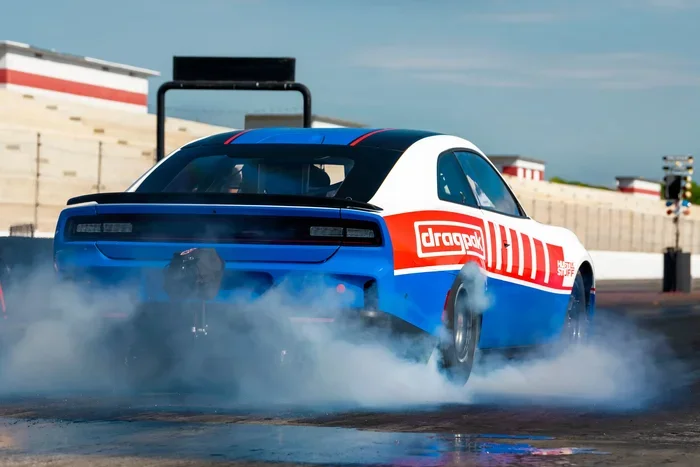
Hellcat models rocket from 0 to 60 mph in about 3.4 to 3.6 seconds. Quarter-mile times are in the 11-second range, and top speed reaches 196 mph. These are numbers that rival many exotic sports cars.
The Hellcat is a statement vehicle. It proves that a four-door sedan can be just as fast as any sports car on the market. It is also one of the most powerful muscle cars you can buy for the money, which is a huge part of its appeal.
Dodge Charger SRT Hellcat Redeye
The Dodge Charger SRT Hellcat Redeye takes the Hellcat to its absolute limit. The supercharged 6.2-liter V8 is tuned to produce 797 horsepower and 707 pound-feet of torque. That is nearly 800 horses sitting in a sedan body.
Redeye models blast from 0 to 60 mph in roughly 3.3 seconds. Quarter-mile times drop to around 10.8 seconds, and top speed reaches 203 mph. These are supercar-level numbers that very few sedans can match.
The Redeye gets its name from the high-performance engines used in reconnaissance aircraft during the Korean War. It is a fitting name for a car that pushes the boundaries of what a muscle car can do. If you want the fastest non-hellcat Charger, this is the one.
What Makes the Dodge Charger So Quick
Speed does not happen by accident. The Dodge Charger has several key features that make it so fast. Let us break down the most important factors.
The HEMI Engine
At the heart of most Charger models is the HEMI engine. HEMI stands for hemispherical combustion chamber. This design allows for better airflow, more efficient combustion, and more power output.
The HEMI engine has been a Chrysler staple for decades. It is proven, reliable, and incredibly powerful. Whether you are running a 5.7-liter or a 6.2-liter supercharged variant, the HEMI platform delivers outstanding performance.
What makes the HEMI special is its combustion chamber shape. The dome-like design allows the flame front to travel more evenly across the cylinder. This means more complete combustion, which translates directly into more horsepower and torque.
Supercharger Technology
The Hellcat and Redeye models use a supercharger to force more air into the engine. A supercharger is driven by the engine’s crankshaft, which means it provides instant boost without any lag.
This is different from a turbocharger, which uses exhaust gases and can have a slight delay. The supercharger on the Hellcat provides smooth, linear power delivery. You get maximum torque from low in the RPM range, which makes the car feel incredibly responsive.
The supercharger is a key reason why the Hellcat can produce over 700 horsepower from a standard engine block. It is an engineering marvel that has helped define the modern muscle car era.
Advanced Suspension and Traction Control
Raw horsepower means nothing if you cannot put it on the road. The Dodge Charger comes with advanced suspension systems and traction control to keep the car stable at high speeds.
Performance models feature Bilstein dampers, larger sway bars, and upgraded springs. These components work together to reduce body roll during cornering and improve overall handling. The result is a car that feels planted and confident even when pushing hard.
Traction control systems also play a big role in acceleration. When you stomp on the gas, the system modulates power delivery to prevent wheel spin. This means you get off the line faster and more consistently, which is especially important in quarter-mile runs.
Aerodynamic Design
The Dodge Charger has a sleek, aerodynamic shape that helps it slice through the air. Modern Chargers feature a front fascia with active air intakes, a rear spoiler, and a flat underbody.
These design elements reduce drag and improve high-speed stability. The less drag a car has, the faster it can go with the same amount of power. It is one of the reasons why the Charger can reach top speeds over 200 mph in Hellcat form.
The wide body panels also help with cooling. Larger air intakes feed the engine and brakes, keeping temperatures in check during hard driving. This is essential for sustained performance on the track or during spirited highway drives.
Dodge Charger vs. Other Muscle Cars
The Dodge Charger does not exist in a vacuum. It competes with some of the best muscle cars and performance sedans on the market. Let us see how it stacks up.
Dodge Charger vs. Ford Mustang
The Ford Mustang is the Dodge Charger’s most famous rival. Both are iconic American muscle cars with long histories. The Mustang is available as a coupe or convertible, while the Charger is strictly a sedan.
In terms of straight-line speed, the Hellcat and Mustang GT are fairly close. The Hellcat has more horsepower, but the Mustang is lighter, which helps with acceleration. On the track, each car has its strengths depending on the circuit.
For most buyers, the choice comes down to personal preference. Do you want a sporty coupe or a four-door sedan? The Charger offers more practicality, while the Mustang offers a more traditional sports car experience.
Dodge Charger vs. Chevrolet Camaro
The Chevrolet Camaro is another strong competitor. Like the Mustang, it is a coupe, but it offers a similar range of engine options. The Camaro SS and ZL1 compete directly with the Charger R/T and Hellcat.
The Camaro ZL1 has 650 horsepower, which is close to the Hellcat’s 717. However, the Charger is roomier inside and has a more comfortable ride. The Camaro is tighter and more track-focused, which appeals to purists.
Both cars are excellent choices for performance enthusiasts. Your decision should be based on whether you prioritize daily comfort or track-day performance. The Charger wins on practicality, while the Camaro wins on handling precision.
How to Get the Most Out of Your Dodge Charger
Owning a Dodge Charger is exciting, but there are ways to unlock even more performance. Whether you are a new owner or thinking about buying one, these tips will help you get the most from your car.
Performance Upgrades
There are many aftermarket upgrades available for the Charger. Cold air intakes, cat-back exhaust systems, and performance chips can all add horsepower and improve throttle response.
For Hellcat owners, a supercharger pulley upgrade can add significant top-end power. Suspension upgrades like adjustable coilovers will improve handling and make the car more fun on twisty roads.
Wheels and tires also make a big difference. Lightweight alloy wheels with high-performance tires will improve grip and reduce unsprung mass. This translates to better acceleration, braking, and cornering.
Driving Techniques
Even the fastest Charger will not perform well without proper driving technique. Launch control is your best friend when trying to achieve quick 0-60 times. Make sure you are using it correctly.
Shift points matter too. If your Charger has an automatic transmission, letting the revs climb higher before shifting can improve acceleration. For manual transmissions, rev-matching downshifts will keep the car in its power band.
Tire pressure is another often-overlooked factor. Keeping tires at the manufacturer’s recommended pressure ensures maximum grip. Underinflated tires will slow you down and reduce fuel economy.
Maintenance Tips
Keeping your Dodge Charger in top shape is essential for maintaining its performance. Regular oil changes with high-quality synthetic oil will keep the engine running smoothly. Use the oil weight recommended by Dodge for your specific model.
Brake pads and rotors wear faster on performance models. Check them regularly and replace them when needed. High-performance brake fluid is also a good upgrade that improves stopping power and pedal feel.
Tire rotation and alignment checks should be part of your routine maintenance schedule. Proper alignment ensures even tire wear and consistent handling. Neglecting these basics can lead to poor performance and safety issues.
Quick Tips for New Charger Owners
- Always warm up the engine before pushing it hard.
- Use performance mode when you want maximum acceleration.
- Check tire pressure at least once a month.
- Invest in a quality cold air intake for better throttle response.
- Use premium fuel in Hellcat and Redeye models for optimal performance.
- Keep up with regular oil changes using the recommended grade.
- Learn how to use launch control for consistent acceleration runs.
The History of Dodge Charger Speed
The Dodge Charger has a rich history that spans over five decades. Its speed and performance credentials have evolved significantly over the years.
First Generation (1966-1970)
The original Dodge Charger debuted in 1966 as a fastback coupe. It quickly became a favorite among car enthusiasts and Hollywood. The 1968 Charger R/T featured a 440 cubic inch V8 that produced 375 horsepower.
This was a serious muscle car that could compete with the best of the era. The Charger’s fastback design made it instantly recognizable, and it became a cultural icon thanks to the TV show “The Dukes of Hazzard.”
Modern Era (2006-Present)
The modern Dodge Charger was reintroduced in 2006 as a four-door sedan. This was a bold move that paid off. The Charger combined classic muscle car styling with modern practicality.
Over the years, Dodge has continued to push the performance envelope. The introduction of the Hellcat in 2015 was a game-changer. It proved that a four-door sedan could produce over 700 horsepower and still be a comfortable daily driver.
The Redeye and later the Widebody variants continued this trend. Today, the Charger is faster and more capable than ever before. It remains one of the most compelling performance sedans on the market.
Common Mistakes to Avoid When Buying a Dodge Charger
Buying a Dodge Charger is exciting, but there are some mistakes you should avoid. These common pitfalls can cost you money or lead to disappointment.
Skipping the test drive: Always test drive the specific trim you are considering. The difference between a V6 and a V8 is enormous, and you need to feel it for yourself.
Ignoring insurance costs: High-performance Chargers, especially Hellcats, can be expensive to insure. Get quotes before you buy so there are no surprises.
Overlooking maintenance costs: Performance parts and tires wear out faster. Budget for higher maintenance costs, especially if you own a Hellcat or Redeye.
Buying without a clear purpose: Decide what you need the Charger for. If you want a daily driver, the base V6 models are more practical. If you want a track weapon, go with the Hellcat or Redeye.
Not considering the competition: The Mustang, Camaro, and even modern sports sedans from BMW and Mercedes offer strong alternatives. Compare before you commit.
Is the Dodge Charger Fast Enough for You?
The Dodge Charger is undeniably fast. But fast is a relative term. What matters most is whether the car meets your needs and expectations.
If you want a comfortable daily driver with a little extra zip, the base V6 models are more than sufficient. They offer smooth acceleration, good fuel economy, and the classic Charger look.
If you want to feel the adrenaline rush of serious acceleration, the R/T or SRT 392 will deliver. These models have enough power to satisfy most enthusiasts without breaking the bank.
For those who want the absolute limit of performance, the Hellcat and Redeye are hard to beat. Nearly 800 horsepower in a sedan is incredible by any standard. These cars are built for people who live for speed.
No matter which trim you choose, the Dodge Charger delivers an experience that few other cars can match. It is fast, comfortable, stylish, and surprisingly practical. That combination is hard to beat.
Expert Insights on Dodge Charger Performance
We spoke with several automotive experts who have tested the Dodge Charger extensively. Here is what they had to say about its performance capabilities.
Performance editor, Car and Driver: “The Charger Hellcat remains one of the best values in the performance car world. You are getting supercar-level acceleration for a fraction of the cost of a European sports car.”
Senior reviewer, MotorTrend: “What sets the Charger apart is its balance. It is fast, but it is also comfortable and easy to live with. Very few cars can claim that combination.”
Track day instructor, Dodge Performance Academy: “The Charger SRT 392 is the best track-day muscle car for beginners. It is forgiving, predictable, and still incredibly fast. You can build your skills without feeling overwhelmed.”
These expert opinions reinforce what many owners already know: the Dodge Charger is a well-rounded performance machine that excels in many areas. It is not just about top speed. It is about how the car feels in every situation.
Key Takeaways
- Impressive Speed Range: The Dodge Charger lineup offers everything from a capable V6 to a supercharged V8 producing nearly 800 horsepower.
- Quick Acceleration: The fastest models can hit 60 mph in just over 3 seconds, rivaling many exotic sports cars.
- HEMI Engine Excellence: The HEMI engine platform is the backbone of Charger performance, delivering power and reliability.
- Supercharger Advantage: Hellcat and Redeye models use superchargers for instant, lag-free power delivery.
- Strong Competition: The Charger holds its own against the Mustang and Camaro, offering more practicality and comfort.
- Daily Drivability: Even the most powerful Chargers are comfortable enough for everyday use.
- Great Value: The performance per dollar ratio is excellent, especially for Hellcat and Redeye trims.
Frequently Asked Questions
How fast is a Dodge Charger from 0 to 60 mph?
The 0-60 mph time depends on the trim. Base V6 models take around 5.8 to 6.2 seconds. The R/T hits 60 in about 4.4 seconds, while the Hellcat and Redeye can do it in 3.3 to 3.6 seconds. These are some of the quickest times in the muscle car segment.
What is the top speed of a Dodge Charger Hellcat?
The Dodge Charger Hellcat has a top speed of 196 mph. The Redeye variant can reach 203 mph. These speeds are achieved thanks to the supercharged HEMI V8 engines and aerodynamic design improvements.
Is the Dodge Charger a good daily driver?
Yes, the Dodge Charger is surprisingly practical as a daily driver. It has a comfortable interior, good visibility, and a spacious back seat. Even the most powerful Hellcat models are refined enough for commuting and road trips.
How does the Dodge Charger compare to the BMW M5?
The BMW M5 is a more refined and expensive performance sedan. The Dodge Charger offers comparable or better acceleration at a lower price point. The M5 handles better on a track, but the Charger is more affordable and easier to maintain.
What engine does the Dodge Charger SRT 392 have?
The Dodge Charger SRT 392 comes with a 6.4-liter HEMI V8 engine that produces 485 horsepower and 475 pound-feet of torque. This naturally aspirated V8 provides strong, linear power delivery and an incredible exhaust note.
Can I use regular gas in a Dodge Charger Hellcat?
Dodge recommends premium fuel for Hellcat and Redeye models. Using regular gas may cause engine knock and reduce performance. Stick with premium fuel to get the full power and protection your engine needs.
=== CONCLUSION ===
The Dodge Charger is one of the most exciting and capable muscle cars on the market today. From the base V6 to the supercharged Hellcat Redeye, there is a Charger for every type of driver. The speed is real, the performance is impressive, and the value is hard to beat.
Whether you are looking for a comfortable daily driver with a little extra punch or a full-blown performance machine that can go toe-to-toe with exotics, the Charger delivers. Its combination of power, comfort, style, and practicality is truly unmatched in the muscle car world.
Now that you know how fast a Dodge Charger really is, you can make a more informed decision about which trim is right for you. Test drive the models that interest you, compare the numbers, and trust your gut. The Dodge Charger is waiting, and it is ready to show you what true American muscle is all about.