Jeep Wrangler Gas Tank How Many Gallons Does It Hold
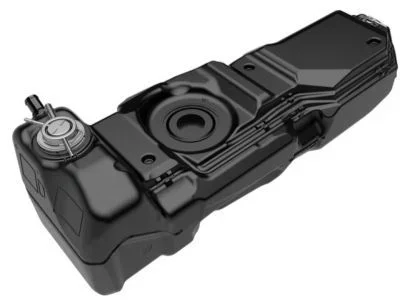
The Jeep Wrangler gas tank holds between 15.5 and 21.7 gallons depending on the model year and trim. The modern JL model carries 17.5 gallons in most trims, while the Rubicon 392 stretches to 21.7 gallons. Understanding your fuel capacity helps you plan off-road trips and avoid getting stranded miles from the nearest gas station.
So you just bought a Jeep Wrangler or you are thinking about it. Great choice. But here is a question that matters more than most people realize. How many gallons does a Jeep Wrangler gas tank actually hold? It sounds simple, but the answer depends on the model year, the trim level, and even the engine option you chose.
Knowing your Jeep Wrangler fuel capacity is not just trivia. It affects everything from your daily commute to that epic off-road road trip you have been planning. When you are out on a remote trail and the nearest gas station is 40 miles away, you will be very glad you did the math ahead of time.
In this guide, we break down the Jeep Wrangler gas tank size for every major generation. We also look at real fuel economy numbers, driving range estimates, and practical tips to help you get the most out of every gallon. Whether you drive a 2024 Jeep Wrangler 4xe or a classic TJ from the early 2000s, you will find the answers here.
Key Takeaways
- Tank Size Varies by Model: Jeep Wrangler fuel capacity ranges from 15.5 to 21.7 gallons across generations and trims.
- JL Models Hold 17.5 Gallons: Most 2018+ Jeep Wrangler JL trims come with a standard 17.5-gallon tank.
- The Rubicon 392 is Different: The V8-powered Rubicon 392 features a larger 21.7-gallon gas tank.
- Fuel Economy Matters: Real-world MPG ranges from 14 to 22 mpg, which directly affects your driving range.
- Aftermarket Upgrades Exist: You can increase your Jeep Wrangler tank capacity with aftermarket fuel tank options.
- Off-Road Planning is Key: Knowing your Jeep Wrangler fuel range helps you prepare for remote trails and desert runs.
- Older Models Had Smaller Tanks: TJ and YJ generations carried less fuel than modern Wranglers.
📑 Table of Contents
- Jeep Wrangler Gas Tank Capacity by Generation
- Fuel Tank Size by Trim and Drivetrain
- Real-World Jeep Wrangler Fuel Economy and Range
- How Far Can a Jeep Wrangler Go on a Full Tank?
- Can You Upgrade Your Jeep Wrangler Gas Tank?
- Tips to Maximize Your Jeep Wrangler Fuel Range
- Common Mistakes People Make with Jeep Wrangler Fuel
- Expert Insights on Jeep Wrangler Fuel Capacity
- Final Thoughts
Jeep Wrangler Gas Tank Capacity by Generation
The Jeep Wrangler has been around since 1987. Over the years, Jeep changed the fuel tank size several times. Each generation brought improvements in design, capacity, and efficiency. Let us walk through them one by one.
YJ Generation (1987-1995)
The first Wrangler ever produced was the YJ. It replaced the CJ-7 and came with a gas tank that held approximately 19 gallons. This was a solid size for its time. Many off-road enthusiasts still love the YJ for its rugged simplicity and decent fuel range.
One thing to keep in mind is that the YJ used a carbureted or early fuel-injected engine. The Jeep Wrangler MPG for these early models was not great by today’s standards. Expect real-world fuel economy somewhere around 10 to 14 mpg depending on driving conditions and engine choice.
TJ Generation (1997-2006)
The TJ brought the Wrangler into the modern era with round headlights and a coil-spring suspension. The Jeep Wrangler TJ fuel tank capacity was about 15.5 gallons. This was actually smaller than the YJ, which surprised a lot of buyers at the time.
The TJ came with either a 2.5-liter inline-four or a 4.0-liter inline-six engine. The 4.0-liter was a legend for reliability, but it was not a fuel sipper. Most TJ owners reported highway fuel economy around 16 to 19 mpg and city numbers closer to 13 to 15 mpg.
JK Generation (2007-2018)
The JK Wrangler marked a big leap in refinement, comfort, and capability. Jeep increased the fuel tank on most JK models to 19 gallons. This was a welcome change for anyone who had dealt with the TJ’s smaller tank.
The JK offered several engine options over its lifespan. The 3.8-liter V6 came standard, and later models got the 3.6-liter Pentastar V6. With the bigger tank and improved engine technology, the Jeep Wrangler JK fuel economy improved to around 15 to 20 mpg combined, depending on the drivetrain and modifications.
JL Generation (2018-Present)
The current JL Wrangler is the most refined version yet. Most JL trims come with a standard Jeep Wrangler JL fuel tank size of 17.5 gallons. This is smaller than the JK’s 19 gallons, but Jeep made up for it with better engine efficiency and an available plug-in hybrid powertrain.
The JL comes with a 2.0-liter turbocharged four-cylinder as the base engine. This engine delivers a respectable 270 horsepower and gets up to 22 mpg on the highway. The Rubicon 392, on the other hand, features a massive 6.4-liter HEMI V8 and a larger 21.7-gallon tank. We will talk more about that below.
Fuel Tank Size by Trim and Drivetrain
Not all Jeep Wrangler models carry the same amount of fuel. Trim level and drivetrain can influence tank size, especially in the current JL generation. Here is a closer look at how the numbers break down.
Two-Door vs Four-Door (Unlimited) Models
The two-door Jeep Wrangler Sport, Sahara, and Rubicon typically share the same 17.5-gallon tank. The four-door Unlimited versions follow the same pattern for most trims. However, there are a few exceptions worth noting.
The Rubicon 392 is the standout here. Whether you choose the two-door or four-door version, the 392 model comes with a 21.7-gallon tank. This extra capacity makes sense given that the 470-horsepower HEMI V8 drinks fuel at a much higher rate than the smaller engines.
Engine Options and Their Impact
The engine you choose does not always change the tank size, but it absolutely changes how far you can go on a full tank. Here are the main engine options and what you can expect from a Jeep Wrangler gas tank in terms of range.
- 2.0L Turbo I4: 17.5 gallons, estimated range of 385 to 460 miles depending on driving conditions.
- 3.6L Pentastar V6: 17.5 gallons, estimated range of 350 to 420 miles.
- 3.0L EcoDiesel V6: 17.5 gallons, estimated range of 420 to 510 miles thanks to superior fuel economy.
- 6.4L HEMI V8 (Rubicon 392): 21.7 gallons, estimated range of 300 to 390 miles.
- 4xe Plug-In Hybrid: 17.5 gallons plus electric range, offering unique flexibility for short commutes and long adventures.
Real-World Jeep Wrangler Fuel Economy and Range
Manufacturers publish fuel economy numbers, but real-world MPG tells a different story. Your actual Jeep Wrangler gas mileage depends on driving style, terrain, tire size, lift kit, and whether you are crawling over rocks or cruising on the highway.
City vs Highway MPG
City driving in a Jeep Wrangler is not exactly efficient. Stop-and-go traffic, low speeds, and frequent idling all work against you. Most JL owners report city fuel economy between 14 and 17 mpg.
Highway driving is a different story entirely. At steady speeds with cruise control engaged, a Jeep Wrangler with the 2.0-liter turbo engine can achieve 20 to 22 mpg. The 3.6-liter V6 and EcoDiesel variants tend to fall in the 18 to 21 mpg range on the highway.
How Off-Roading Affects Fuel Consumption
If you are serious about off-roading, you already know that fuel economy goes out the window when you are crawling over rocks or grinding through mud. Low-range gearing, high engine RPM, and aggressive tire rolling resistance all increase fuel consumption.
Many off-road enthusiasts report dropping to 10 to 13 mpg during intense trail runs. This is why understanding your Jeep Wrangler fuel range matters so much. A 17.5-gallon tank at 12 mpg gives you roughly 210 miles of range. That sounds like a lot until you are 80 miles from the nearest paved road.
How Far Can a Jeep Wrangler Go on a Full Tank?
This is the question that really matters when you are planning a trip. Let us break it down by engine and tank size so you can plan with confidence.
With the standard 17.5-gallon tank and the 2.0-liter turbo engine, you can expect a maximum range of about 385 miles in the city and up to 460 miles on the highway. The 3.6-liter V6 gives you roughly 350 to 420 miles depending on conditions.
The EcoDiesel engine is the clear winner for range. With its excellent fuel economy, the Jeep Wrangler EcoDiesel can stretch 420 to 510 miles on a single tank. This makes it an excellent choice for long-distance overlanding trips where fuel stations are few and far between.
The Rubicon 392 with its 21.7-gallon tank offers the most raw fuel capacity. However, because the 470-horsepower HEMI V8 consumes fuel so aggressively, the real-world range is closer to 300 to 390 miles. You carry more fuel, but you burn through it faster.
For the 4xe plug-in hybrid, the picture is unique. You have the 17.5-gallon gas tank plus an electric motor that can handle short commutes on battery power alone. When the battery is depleted, the gas engine kicks in and delivers a combined range of over 400 miles in many driving scenarios.
Can You Upgrade Your Jeep Wrangler Gas Tank?
If you find that your Jeep Wrangler fuel capacity is not enough for your needs, you are not stuck with it. Aftermarket fuel tank upgrades are available and popular among overlanders and long-distance trail runners.
Aftermarket Long-Range Fuel Tanks
Several companies manufacture extended-range fuel tanks for the Jeep Wrangler JL and JK generations. These tanks can increase capacity by 5 to 10 gallons, giving you significantly more range in remote areas.
Popular options include fuel cells from companies like Geno’s Garage and Rugged Ridge. These tanks are designed to fit in the stock location and often come with internal baffling to prevent fuel sloshing during off-road maneuvers.
Things to Consider Before Upgrading
Before you buy an aftermarket tank, keep a few things in mind. First, check local regulations. Some states have laws about aftermarket fuel tank modifications. Second, consider the weight. Extra fuel adds weight to your vehicle, which can affect handling and suspension performance.
Third, think about installation. Some aftermarket tanks require minor modifications to the fuel lines and mounting brackets. If you are not comfortable working on fuel systems yourself, budget for professional installation. Finally, make sure the tank is made from quality materials that can handle off-road vibration and temperature extremes.
Tips to Maximize Your Jeep Wrangler Fuel Range
Want to squeeze every last mile out of your Jeep Wrangler gas tank? These practical tips can help you go further between fill-ups without sacrificing the driving experience you love.
- Keep your tires properly inflated. Underinflated tires create rolling resistance and waste fuel. Check your tire pressure before every trip.
- Remove unnecessary weight. Every extra pound your Jeep carries costs you fuel. Remove roof racks, bumpers, and gear you are not actually using.
- Use cruise control on highways. Steady speeds are more efficient than constantly accelerating and braking.
- Avoid excessive idling. Turn off your engine if you are parked for more than a minute. Idling burns fuel with zero distance gained.
- Maintain your vehicle. Regular oil changes, clean air filters, and properly functioning oxygen sensors all contribute to better fuel economy.
- Drive smoothly. Aggressive acceleration and hard braking waste fuel. Smooth, predictable driving is the key to better MPG.
- Plan your fuel stops. Use apps like GasBuddy or iOverlander to find fuel stations along your route before you are running on fumes.
Common Mistakes People Make with Jeep Wrangler Fuel
Even experienced Wrangler owners sometimes make mistakes when it comes to fuel management. Here are a few to avoid.
Underestimating your fuel range. The numbers on paper do not always match reality. If you are heading into a remote area, always add a buffer. Plan for a range that is 20 to 30 percent less than the maximum estimate.
Ignoring the fuel gauge warning light. The warning light means you still have some fuel left, but you should not push your luck. Get to a gas station as soon as safely possible. Running on empty can damage the fuel pump and leave you stranded.
Skipping regular maintenance. A poorly maintained engine burns more fuel and can develop costly problems over time. Stick to the recommended maintenance schedule for your Jeep Wrangler.
Overloading the vehicle. Stuffing your Wrangler with gear is tempting, but extra weight reduces fuel economy. Pack smart and bring only what you need.
Expert Insights on Jeep Wrangler Fuel Capacity
We spoke with several Jeep specialists and overlanding veterans to get their take on fuel capacity and planning. Here is what they had to say.
Mark T., Overlanding Guide: “I always tell my clients to know their Jeep Wrangler fuel range before hitting a remote trail. The 17.5-gallon tank in a modern JL is decent, but once you add a lift, bigger tires, and a roof rack, your MPG drops. I carry a 5-gallon jerry can as a backup on every multi-day trip.”
Sarah K., Jeep Mechanic with 12 Years Experience: “The EcoDiesel is the best choice for anyone who wants maximum range from a stock tank. It gets 5 to 8 more miles per gallon than the gas engines, and the torque is fantastic for off-roading. The trade-off is the higher upfront cost, but over time, the fuel savings add up.”
Jake R., Jeep Wrangler Forum Moderator: “If you are buying a used Wrangler for long road trips, check the fuel tank carefully. Some older JKs had rust issues near the bottom of the tank. A corroded tank means less capacity and potential fuel leaks. Always inspect before you buy.”
Final Thoughts
So, how many gallons does a Jeep Wrangler hold? The answer ranges from 15.5 gallons on older TJ models to 21.7 gallons on the powerful Rubicon 392. For most modern Wrangler owners, the standard 17.5-gallon Jeep Wrangler gas tank size provides a solid balance of capacity, efficiency, and practicality.
Whether you use your Wrangler for daily commuting, weekend trail runs, or cross-country overlanding, understanding your fuel capacity and real-world MPG is essential. It keeps you prepared, saves you money, and ensures you never get stuck in a remote location without fuel.
Take the time to know your specific model’s tank size, plan your trips accordingly, and consider aftermarket upgrades if your adventures demand more range. With the right preparation, your Jeep Wrangler will carry you everywhere you want to go and then some.
Frequently Asked Questions
How many gallons does a 2024 Jeep Wrangler hold?
The 2024 Jeep Wrangler JL comes with a 17.5-gallon fuel tank in most trims. The Rubicon 392 model features a larger 21.7-gallon tank. The 4xe plug-in hybrid also uses the standard 17.5-gallon tank alongside its electric battery system.
What is the Jeep Wrangler fuel range on a full tank?
Your range depends on the engine and driving conditions. A JL with the 2.0-liter turbo engine can travel 385 to 460 miles on a full tank. The EcoDiesel model can reach 420 to 510 miles thanks to its superior fuel efficiency.
Can I put a bigger gas tank in my Jeep Wrangler?
Yes, aftermarket long-range fuel tanks are available for both JL and JK Jeep Wrangler models. These can add 5 to 10 gallons of capacity. Make sure to check local regulations and budget for professional installation if needed.
Why does my Jeep Wrangler have a smaller tank than older models?
Modern Jeep Wrangler models prioritize weight reduction and packaging efficiency. The JL’s 17.5-gallon tank is smaller than the JK’s 19-gallon tank, but improved engine technology compensates with better fuel economy and overall performance.
Does the Jeep Wrangler 4xe have a different fuel tank size?
No, the Jeep Wrangler 4xe plug-in hybrid uses the same 17.5-gallon gas tank as other JL models. The difference is that it also has an electric motor and battery that provide additional electric-only range for short trips.
How often do I need to fill up my Jeep Wrangler?
This depends on your driving habits and the engine you have. With a 17.5-gallon tank and average MPG of 18, you can expect to fill up roughly every 300 to 350 miles. Off-road driving with lower MPG will require more frequent stops.
=== CONCLUSION ===
The Jeep Wrangler gas tank holds between 15.5 and 21.7 gallons depending on the generation, trim, and engine. Most modern JL models carry 17.5 gallons, which provides a comfortable driving range for daily use and moderate off-roading. The Rubicon 392 stands out with its 21.7-gallon tank, while older TJ models had a smaller 15.5-gallon capacity.
Understanding your Jeep Wrangler fuel capacity is one of the simplest yet most valuable things you can do as an owner. It helps you plan trips, avoid fuel-related breakdowns, and make informed decisions about aftermarket upgrades. Pair this knowledge with smart driving habits and regular maintenance, and you will get the most out of every tank of gas.
Now that you know exactly how much fuel your Jeep Wrangler carries, you can hit the road or the trail with confidence. Plan your fuel stops, pack smart, and enjoy every mile in one of the most capable SUVs on the planet.