Can a Subaru Jump Start Another Car Without Hassle
Yes, a Subaru can jump start another car. Most Subaru models with a healthy 12-volt battery can provide enough power to crank a dead battery. This guide covers compatible Subaru models, the exact jump starting procedure, safety precautions, and common mistakes to avoid. We also answer the most frequently asked questions about using a Subaru as a jump starter.
Getting stranded with a dead battery is never fun. You turn the key, hear nothing, and suddenly your day feels ruined. But here is a question many Subaru owners ask: can a Subaru jump start another car? The short answer is yes. In fact, most Subaru vehicles have a powerful enough 12-volt battery to help you get going again. Whether you are dealing with a dead battery on a cold morning or helping a friend on the roadside, knowing how to use your Subaru as a jump starter is a valuable skill. This guide walks you through everything you need to know, from which Subaru models work best to the exact cable connection steps. Let us dive in and make sure you are never left stranded again.
Jump starting a car might sound intimidating, but it is simpler than most people think. With the right knowledge and a few basic tools, you can safely use your Subaru battery to power up another vehicle. We will cover jumper cables, safety rules, common pitfalls, and expert tips that make the whole process smooth. By the end of this article, you will feel confident enough to handle a dead battery situation like a pro. So let us get into it.
Key Takeaways
- Subarus can jump start other cars: Most Subaru models with a working battery can safely provide enough power to start another vehicle.
- Know your model: Subaru Outback, Forester, Crosstrek, and Impreza models all have sufficient battery power for jump starting.
- Follow the correct cable order: Connecting jumper cables in the wrong sequence can damage both vehicles.
- Safety comes first: Always wear gloves, work in a ventilated area, and keep sparks away from the battery.
- Avoid common mistakes: Never let cable clamps touch each other and always ground the negative cable correctly.
- Portable jump starters are a great alternative: They offer a hassle-free option that doesn’t require another vehicle.
- Know when to call for help: If the battery is damaged or leaking, professional roadside assistance is the safest choice.
📑 Table of Contents
- How Jump Starting a Car Actually Works
- Which Subaru Models Can Jump Start Another Car
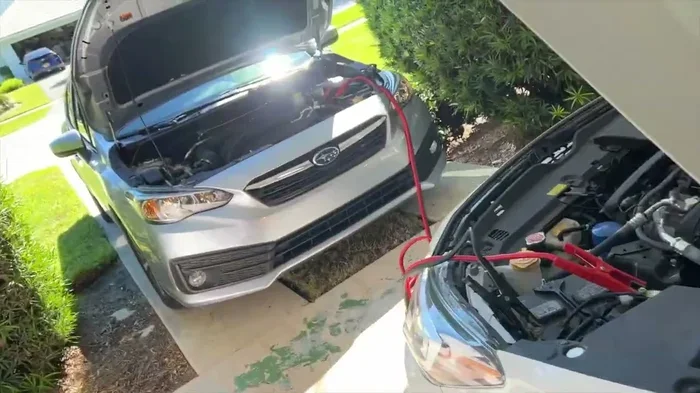
- Step-by-Step Guide to Jump Starting Another Car with a Subaru
- Safety Precautions You Must Follow
- Common Mistakes People Make When Jump Starting
- When to Call a Professional Instead
- Subaru vs. Other Brands for Jump Starting
- Final Thoughts and Key Takeaways
How Jump Starting a Car Actually Works
Before we get into the specifics of Subaru jump starting, let us understand the basics. When a car battery dies, it does not mean the battery is completely empty. It means it has lost enough charge to turn the engine over. A healthy battery from another car can supply the extra power needed to crank the engine and get it running.
Here is how the process works in simple terms:
- The donor vehicle (your Subaru) provides electrical power through its 12-volt battery.
- Jumper cables transfer that power to the dead battery in the other car.
- The receiving car’s alternator takes over once the engine starts and begins recharging the battery.
- Both vehicles run for a while, and the dead battery slowly regains enough charge to start on its own next time.
The key is making sure the battery terminals connect properly and the electrical systems of both cars are compatible. Most modern cars, including all Subaru models, use a standard 12-volt electrical system. This makes cross-brand jump starting completely safe and straightforward.
One important thing to remember is that your Subaru does not need to have a full tank of gas to jump start another car. The battery power comes from the electrical system, not the fuel. However, it is a good idea to keep your Subaru running during the process. This ensures the alternator is producing power and the battery stays charged throughout.
Which Subaru Models Can Jump Start Another Car
Good news. Almost every Subaru model on the road today has more than enough power to jump start another vehicle. The Subaru battery systems across their lineup are reliable and well-sized for this purpose. Let us look at the most popular models.
Subaru Outback
The Subaru Outback is one of the most popular crossovers on the market. It comes equipped with a sturdy 12-volt battery that handles everything from daily commutes to off-road adventures. Because the Outback is often used for road trips and outdoor excursions, its electrical system is built to be dependable. If you own an Outback, you have a great tool for jump starting another car in a pinch.
Subaru Forester
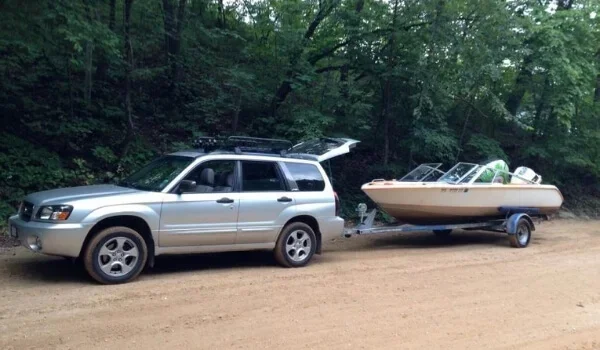
The Subaru Forester is another excellent choice for helping others on the road. Its battery capacity is more than sufficient for engine cranking on a dead vehicle. The Forester’s reliable electrical system makes it a trustworthy roadside companion. Many Forester owners appreciate how easy it is to access the battery compartment, which makes connecting jumper cables quick and simple.
Subaru Crosstrek
The Subaru Crosstrek is a compact crossover with a surprisingly capable battery. Despite its smaller size compared to the Outback or Forester, the Crosstrek still packs enough battery power to jump start most passenger vehicles. It is a great option for owners who want a compact car that can still lend a helping hand when needed.
Subaru Impreza
The Subaru Impreza has been a staple in the Subaru lineup for years. Its 12-volt battery is standard across all trims and provides reliable power for jump starting another car. The Impreza may not be the largest Subaru, but it certainly has the electrical muscle to help a friend in need.
Subaru Legacy and Subaru WRX
The Subaru Legacy and Subaru WRX are both excellent choices for jump starting. The Legacy offers a comfortable ride with a powerful battery, while the WRX brings sporty performance and a robust electrical system. Either model can handle the task of jump starting another vehicle without any issues.
Step-by-Step Guide to Jump Starting Another Car with a Subaru
Now that you know your Subaru can handle the job, let us walk through the exact process. Following these steps carefully ensures a safe and successful jump start every time.
Step 1: Park Both Cars Safely
First, park your Subaru and the other car close enough for the jumper cables to reach both batteries. Turn off both engines and engage the parking brakes. Make sure both cars are in park (or neutral for manual transmissions). This prevents any unexpected movement during the process.
Step 2: Identify the Battery Terminals
Open the hood of both vehicles and locate the battery terminals. You will see two posts: one marked with a plus sign (+) for the positive terminal and one marked with a minus sign (-) for the negative terminal. Sometimes the terminals are covered with plastic caps. Remove them if present. Clean any corrosion off the terminals with a cloth if needed.
Step 3: Connect the Jumper Cables in the Correct Order
This is the most critical step. Connecting cables in the wrong order can cause sparks or damage the electrical systems. Follow this exact sequence:
- Red cable to the positive terminal of the dead battery.
- Red cable to the positive terminal of your Subaru’s battery.
- Black cable to the negative terminal of your Subaru’s battery.
- Black cable to an unpainted metal surface on the dead car’s engine block. This grounds the cable away from the battery, reducing the risk of sparks near the battery itself.
Never let the cable clamps touch each other once they are connected to a battery. This can create a dangerous spark.
Step 4: Start Your Subaru First
Start your Subaru and let it idle for a few minutes. This allows the alternator to send power through the cables to the dead battery. Let the engine run for about three to five minutes. This gives the dead battery a chance to build up some charge.
Step 5: Start the Dead Car
Now try starting the other car. Turn the key and let the engine cranking process do its work. If the car does not start immediately, wait another minute or two and try again. Do not attempt to start it more than five times in a row without a break. This can overheat the starter motor.
Step 6: Disconnect the Cables in Reverse Order
Once the dead car is running, disconnect the cables in the reverse order you connected them:
- Black cable from the unpainted metal surface on the dead car.
- Black cable from your Subaru’s negative terminal.
- Red cable from your Subaru’s positive terminal.
- Red cable from the dead battery’s positive terminal.
Keep the cables organized and avoid letting the clamps touch each other during removal.
Step 7: Let the Dead Car Run
Let the previously dead car run for at least 20 to 30 minutes. This allows the alternator to recharge the battery. If you plan to drive the car, take it for a short trip. The longer the car runs, the more charge the battery will regain.
Quick Tip: Keep a set of jumper cables in your Subaru’s trunk at all times. You never know when you or someone else will need a jump start. A quality set of heavy-gauge cables makes the process faster and safer.
Safety Precautions You Must Follow
Jump starting is generally safe when done correctly, but there are important safety rules you must follow. Skipping these precautions can lead to injury or vehicle damage.
Wear Protective Gear
Always wear safety gloves and eye protection when working near a battery. Battery acid can cause burns, and sparks can cause minor injuries. A simple pair of rubber gloves and safety glasses can protect you from harm.
Work in a Well-Ventilated Area
Batteries produce hydrogen gas, which is flammable. Never jump start a car in an enclosed space. Always work outdoors or in a well-ventilated garage. Keep flames, cigarettes, and sparks away from the battery area.
Check for Battery Damage
Before connecting cables, inspect both batteries. If you see cracks, leaks, or bulging on either battery, do not attempt to jump start. A damaged battery can explode. In this case, call roadside assistance instead.
Match the Voltage Systems
Make sure both vehicles use a 12-volt electrical system. Most cars on the road today do, but some older or specialty vehicles may differ. Connecting a 12-volt system to a 24-volt system can cause serious damage. Check the vehicle manual if you are unsure.
Keep the Cars from Touching
Do not let the two cars touch each other during the jump start process. If the cars are in contact, electrical current can flow through the frames and cause damage to both vehicles’ electrical systems.
Expert Insight: “Always connect the last black cable to a metal part of the engine block, not directly to the dead battery’s negative terminal,” says automotive expert Mark Dawson. “This reduces the risk of sparking near the battery, where hydrogen gas may be present.”
Common Mistakes People Make When Jump Starting
Even experienced drivers make mistakes during the jump starting process. Knowing what to avoid can save you time, money, and frustration.
Connecting Cables in the Wrong Order
This is the most common mistake. Connecting the red cable to the wrong terminal or mixing up the positive and negative cables can fry the electrical systems of both cars. Always follow the correct sequence we outlined above.
Letting Cable Clamps Touch
Once connected to a battery, the clamps should never touch each other. This creates a short circuit and can melt the cable insulation or cause sparks. Keep the clamps separated and handle them carefully.
Turning Off the Donor Car Too Early
Your Subaru needs to stay running throughout the entire process. Turning it off too early cuts off the power supply and can make it harder to start the dead car. Keep your Subaru idling until the other car is running on its own.
Ignoring the Battery Age
An old battery in your Subaru may not have enough power to jump start another car. If your Subaru’s battery is more than four or five years old, consider replacing it before relying on it for a jump start. A weak donor battery can also damage the receiving car’s electrical system.
Not Letting the Dead Car Charge Long Enough
After a successful jump start, many people immediately turn off the car and drive away. This is a mistake. The dead battery needs time to recharge. Let the car run for at least 20 to 30 minutes before turning it off again.
| Mistake | What Can Go Wrong | How to Avoid It |
|---|---|---|
| Wrong cable order | Electrical damage to both cars | Follow the red-positive-first, red-positive-second, black-negative-third, black-ground-fourth sequence |
| Clamps touching | Short circuit, melted cables | Keep clamps separated at all times |
| Donor car turned off too early | Dead car won’t start | Keep Subaru running until dead car is running independently |
| Old donor battery | Insufficient power, potential damage | Check battery age and condition before attempting |
| Not charging long enough | Car dies again shortly after | Let the car run for 20-30 minutes minimum |
When to Call a Professional Instead
There are times when jump starting is not the right solution. Knowing when to call for help can save you from bigger problems.
If the dead battery is visibly damaged, leaking, or cracked, do not attempt a jump start. A damaged battery can explode and cause serious injury. Call roadside assistance or a professional mechanic instead.
If your Subaru’s battery is also dead or weak, you will not be able to help the other car. In this case, a portable jump starter can be a lifesaver. These compact devices fit in your trunk and provide enough power to start a car without needing another vehicle. They are affordable and worth having on hand.
If you are uncomfortable with the process or unsure about any step, it is perfectly fine to call for professional help. There is no shame in asking for assistance. Many insurance policies include roadside assistance coverage, so check with your provider before attempting a DIY jump start.
Quick Tip: Invest in a portable jump starter for your Subaru. These small devices weigh less than a pound and can jump start your car multiple times on a single charge. They are a great backup option that every Subaru owner should consider.
Subaru vs. Other Brands for Jump Starting
You might wonder how a Subaru compares to other vehicles for jump starting capability. The truth is that most modern cars with a healthy 12-volt battery can jump start another car. The difference comes down to battery size, condition, and the electrical system’s reliability.
Subaru vehicles are known for their symmetrical all-wheel drive and boxer engines, which give them a reputation for reliability. This reliability extends to their electrical systems as well. A Subaru battery is well-maintained and designed to handle demanding conditions, making it a solid choice for jump starting other vehicles.
Compared to some smaller economy cars, Subarus generally have larger battery capacities. This means they can provide more sustained power during a jump start, which can be helpful if the dead car has a particularly weak battery. However, the difference is not dramatic, and most modern cars can handle the task regardless of brand.
Final Thoughts and Key Takeaways
The answer to the question “can a Subaru jump start another car” is a confident yes. Whether you drive a Subaru Outback, Forester, Crosstrek, Impreza, Legacy, or WRX, your vehicle has the electrical power to help another driver in need. The key is following the correct procedure, respecting safety precautions, and knowing when to call for professional help.
Keep a set of quality jumper cables in your Subaru at all times. Check your battery’s condition regularly, and consider investing in a portable jump starter for added peace of mind. These simple steps ensure you are always prepared for a dead battery situation.
Helping another driver on the road is a great feeling. It builds community and shows the kindness that makes driving a shared experience better for everyone. With your Subaru, you have the tools to make a real difference. So the next time someone is stranded with a dead battery, you will know exactly what to do.
Stay prepared, stay safe, and keep your Subaru in top shape. A well-maintained vehicle is the best tool for any roadside emergency. Drive safe, help others, and enjoy the confidence that comes with knowing you can handle a jump start when it matters most.
Frequently Asked Questions
Can any Subaru model jump start another car?
Yes, virtually all modern Subaru models can jump start another car. Models like the Subaru Outback, Forester, Crosstrek, Impreza, Legacy, and WRX all have standard 12-volt batteries that are more than capable of providing enough power for a successful jump start. As long as your Subaru’s battery is in good condition and has sufficient charge, you can safely help another vehicle get running again.
What kind of jumper cables do I need for a Subaru?
You need a standard set of jumper cables rated for at least 400 to 600 amps. Look for cables with heavy-gauge wiring (4 or 6 gauge) and sturdy clamp connections. Most auto parts stores carry reliable sets for under $30. A good pair of cables will last for years and make the jump starting process quick and safe.
Is it safe to jump start a car with a Subaru battery?
Yes, it is safe as long as you follow the correct procedure. Both vehicles must use a 12-volt electrical system, and you must connect the cables in the proper order. Always wear protective gear, work in a ventilated area, and inspect both batteries for damage before connecting. If you follow these safety precautions, the process is straightforward and risk-free.
How long should I let the dead car run after a jump start?
Let the previously dead car run for at least 20 to 30 minutes after a successful jump start. This allows the alternator to recharge the battery. If you plan to drive the car, take it for a trip of at least 15 to 20 minutes. The longer the car runs, the more charge the battery will regain, reducing the chance of it dying again.
Can I use a portable jump starter instead of another car?
Absolutely. A portable jump starter is a great alternative to using another vehicle. These compact devices fit in your trunk and can start a car multiple times on a single charge. They are especially useful if you are alone and do not have another vehicle nearby. Many Subaru owners keep one as a backup for emergency situations.
What should I do if the dead car does not start after connecting the cables?
If the dead car does not start after connecting the cables, wait a few minutes and try again. Let your Subaru run for an extra minute or two to send more power through the cables. If it still does not start after five attempts, stop and check for other issues. The problem might not be the battery. It could be a faulty starter, alternator, or another electrical issue. In this case, calling roadside assistance is the best option.
=== CONCLUSION ===
Can a Subaru jump start another car without hassle? Absolutely. With the right knowledge, a set of jumper cables, and a healthy Subaru battery, you can help yourself or another driver get back on the road in minutes. This guide has covered everything from the models that work best to the exact step-by-step process, safety rules, and common mistakes to avoid. The next time you see a fellow driver stranded with a dead battery, you will know exactly what to do. Keep your Subaru maintained, stay prepared, and remember that a little knowledge goes a long way. Safe driving and happy helping.