Car Paint Protection Film Cost Explained Everything You Need
Car paint protection film cost varies widely based on film type, vehicle size, and installation quality. On average, you will pay between $2,000 and $7,000 for full vehicle PPF installation. This guide breaks down every cost factor so you can make a smart, informed decision for your car.
Car paint protection film cost is one of the most common questions car owners ask before investing in vehicle protection. Whether you just bought a new SUV or want to preserve the flawless finish on your daily driver, understanding PPF pricing helps you make the right call. This article covers everything you need to know about paint protection film cost, from basic price ranges to hidden fees you should watch out for.
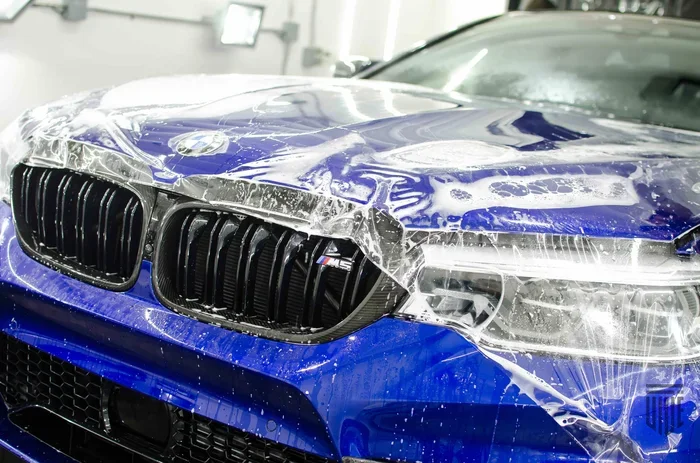
Paint protection film, often called clear bra or urethane film, is a transparent layer applied directly to your car’s exterior. It shields your paint from rock chips, scratches, bird droppings, and UV damage. But how much does it actually cost? The answer depends on several key factors that we will break down in simple terms. By the end of this guide, you will have a clear picture of what to expect and how to get the best value for your money.
Many car owners assume PPF installation is too expensive. But when you compare the cost to repainting a damaged panel, the investment makes a lot of sense. A single paint repair can run anywhere from $300 to $1,500 depending on the damage. A full clear paint protection setup protects every panel and saves you money over time. Let us dive into the details.
Key Takeaways
- Full PPF installation typically costs $2,000 to $7,000: The price depends on film quality, vehicle size, and installer expertise.
- Premium films cost more but last longer: Top-tier PPF can last 10 years or more with proper care.
- Partial coverage is a budget-friendly option: Protecting just the front end can cost as low as $500 to $1,500.
- Professional installation is worth the investment: DIY kits may save money but often lead to bubbles and peeling.
- Several factors influence PPF pricing: Film thickness, brand reputation, and regional labor rates all play a role.
- PPF can boost your car’s resale value: A well-maintained paint job with protective film is a selling point for buyers.
- Ask about warranties before committing: Reputable installers offer 5 to 10-year warranty coverage on materials and labor.
📑 Table of Contents
- What Is Car Paint Protection Film?
- Car Paint Protection Film Cost Breakdown
- Factors That Affect Paint Protection Film Pricing
- DIY vs Professional Installation: Which Saves More?
- Is Paint Protection Film Worth the Investment?
- Common Mistakes People Make When Budgeting for PPF
- Expert Insights on PPF Costs
- Key Takeaways
- Conclusion
What Is Car Paint Protection Film?
Paint protection film is a clear, thermoplastic urethane layer that bonds to your car’s painted surfaces. It acts as a physical barrier between your original paint and the outside world. Originally developed for military helicopters, this technology is now widely used in the automotive industry.
The film is typically between 4 and 8 mils thick, which is about the width of a few human hairs stacked together. Despite its thin profile, high-quality auto detailing film is incredibly durable. It resists impacts from small rocks, bugs, and road debris that would otherwise chip or scratch your paint.
Modern PPF also comes with advanced features. Many films include self-healing properties that allow minor scratches to disappear when exposed to heat. Others have hydrophobic coatings that repel water and make washing your car easier. These features add value but also influence the overall vehicle protection cost.
How Does PPF Work?
The film adheres to your car’s paint using a specialized adhesive. Professional installers use heat guns to mold the film around curves, edges, and contours. This ensures a seamless fit that does not peel or bubble over time. Once applied, the clear bra becomes nearly invisible while providing a strong layer of defense.
When a small rock hits the film, it may leave a mark on the surface. But because of the self-healing technology, that mark often fades away when you rinse the car with warm water or expose it to sunlight. This is one of the biggest reasons car owners choose paint damage prevention film over other options.
Car Paint Protection Film Cost Breakdown
Understanding the PPF cost breakdown helps you budget properly and avoid surprises. The total price includes the cost of the film material itself and the labor for installation. Let us look at what drives each part of the paint protection film price.
Material Costs
The film material is the biggest variable in your total bill. There are three main tiers of automotive film available on the market today.
- Economy PPF: This budget-friendly option costs around $5 to $8 per square foot. It offers basic protection but may yellow over time and lacks self-healing properties. Economy films typically last 3 to 5 years.
- Mid-Range PPF: Priced at $8 to $15 per square foot, mid-range films offer better clarity, self-healing capabilities, and UV resistance. They usually last 5 to 7 years with proper maintenance.
- Premium PPF: Top-tier films from brands like XPEL, 3M, and SunTek cost $15 to $30 per square foot. These films feature advanced self-healing, stain resistance, and a 10-year or longer warranty. They provide the best long-term value.
Labor Costs
Professional installation adds to the total car wrap cost and PPF installation cost. Labor rates vary by region, but most installers charge between $100 and $300 per hour. A full vehicle wrap can take 2 to 5 days depending on the complexity and the number of panels covered.
Simple sedans with flat panels take less time and cost less to install. SUVs, trucks, and sports cars with curves, crevices, and body lines require more skill and time. This is why professional installation costs more than a simple straight-line application.
Factors That Affect Paint Protection Film Pricing
Not every PPF cost estimate will be the same. Several factors influence how much you will pay for your installation. Understanding these factors helps you compare quotes and avoid overpaying.
Vehicle Size and Type
Larger vehicles need more film, which directly increases the cost per square foot calculation. A compact sedan might need 50 to 70 square feet of coverage for a full wrap. A full-size truck or large SUV could require 100 square feet or more.
Sports cars and vehicles with aggressive body lines are harder to wrap. The extra labor required to fit the film around curves and contours adds to the total price. If you want front-end protection only, the cost drops significantly since you only cover the hood, front bumper, and fenders.
Film Brand and Quality
Not all clear paint protection films are created equal. Premium brands invest heavily in research and development. Their films offer better clarity, stronger adhesion, and longer lifespans. When you compare economy PPF to premium options, the price difference is significant.
However, cheaper films may yellow, peel, or lose their self-healing properties within a few years. Investing in a quality urethane film from a trusted brand saves you money in the long run by avoiding early replacement.
Coverage Level
Full vehicle coverage costs the most, but partial coverage is a popular alternative. Many car owners choose to protect only the most vulnerable areas. The hood protector and front bumper are the most common starting points.
Here is a quick comparison of coverage levels and their typical costs:
- Front End Only (hood, bumper, fenders): $500 to $1,500
- Front Plus Sides (doors, rocker panels): $1,500 to $3,500
- Full Vehicle Coverage: $2,000 to $7,000
- High-End Premium Full Wrap: $5,000 to $10,000+
These prices vary based on the factors discussed above. Always get multiple quotes from reputable installers in your area.
Installer Experience and Location
The skill of your installer matters a lot. A highly experienced professional who has completed hundreds of PPF installations will charge more than a beginner. But the quality of the finished work is worth the extra cost. Poorly installed film bubbles, peels, and collects dirt at the edges.
Your geographic location also plays a role. Installers in major cities often charge higher rates due to increased overhead costs. If you live in a rural area, you might pay less for labor but could have fewer qualified installers to choose from.
DIY vs Professional Installation: Which Saves More?
Some car owners consider DIY PPF kits to save on labor costs. These kits typically cost between $500 and $2,000 depending on the film quality and the number of panels covered. While the upfront savings are appealing, DIY installation comes with risks.
Applying auto detailing film requires patience, skill, and the right tools. Without a heat gun and proper training, you may end up with air bubbles, misaligned edges, and wrinkles. These issues not only look bad but can also trap moisture and cause paint damage underneath.
Professional installation ensures a flawless finish and often comes with a warranty. Many installers offer a combined warranty on both the material and the labor. This peace of mind is hard to put a price on. For most car owners, the extra cost of professional PPF installation is well worth it.
Quick Tips for Saving Money on PPF
- Get at least three quotes from different installers before making a decision.
- Ask about package deals that include both material and labor at a discounted rate.
- Consider partial coverage for high-impact areas first, then expand over time.
- Look for seasonal promotions or discounts during slower months for installers.
- Choose a mid-range film if budget is tight, but avoid the cheapest options.
Is Paint Protection Film Worth the Investment?
This is the question every car owner wants answered. The short answer is yes, for most people. Paint protection film does more than just make your car look good. It preserves the original factory paint, which is the single most important factor in determining your vehicle’s resale value.
When you go to sell or trade in your car, buyers and dealers notice a well-maintained paint job. A vehicle with clear bra protection shows fewer signs of wear and tear. This can translate into a higher trade-in value or a faster sale at a better price.
Beyond resale value, PPF saves you money on repairs. A single rock chip repair can cost $50 to $150 per panel. Over the life of your vehicle, these small damages add up quickly. With paint damage prevention film in place, your original paint stays protected year after year.
Think of PPF as insurance for your car’s exterior. You pay upfront, but the long-term savings on repairs and the preservation of your vehicle’s appearance make it a smart investment. If you plan to keep your car for several years or want to maintain its showroom condition, car paint protection film cost is money well spent.
Common Mistakes People Make When Budgeting for PPF
Many car owners make costly mistakes when planning their PPF budget. Avoiding these pitfalls helps you get the best results without overspending.
Mistake 1: Choosing the cheapest option. Bargain-bin films often lack quality and durability. They may peel within a year, leaving you with wasted money and potential paint damage underneath.
Mistake 2: Ignoring the installer’s reputation. Price should not be your only factor. A cheap quote from an inexperienced installer can lead to poor results. Look for reviews, before-and-after photos, and certifications.
Mistake 3: Not asking about warranty coverage. Reputable film brands and installers offer warranties that cover yellowing, peeling, and delamination. Skipping this step leaves you unprotected if something goes wrong.
Mistake 4: Forgetting about maintenance costs. While PPF is low-maintenance, you still need to wash and care for it properly. Using harsh chemicals or automatic car washes with strong brushes can damage the film over time.
Mistake 5: Underestimating the coverage needed. Some car owners protect only the hood and bumper, leaving the rest of the vehicle vulnerable. A full or partial coverage plan ensures all high-risk areas are protected.
Expert Insights on PPF Costs
Industry professionals recommend focusing on quality over price when choosing paint protection film. According to experienced installers, the film brand and the skill of the application matter more than any other factor. A premium film installed by a skilled professional will outperform a cheap film applied by a beginner every single time.
Many experts also suggest starting with the front end of the vehicle. The hood, front bumper, and fenders take the most abuse from road debris. Protecting these areas first gives you the most immediate benefit while keeping the initial PPF cost manageable.
Another expert tip is to invest in a ceramic coating after PPF application. While ceramic coating cost adds to the initial investment, it enhances the film’s hydrophobic properties and makes cleaning much easier. Together, PPF and ceramic coating create a powerful defense system for your car’s paint.
Finally, professionals emphasize the importance of choosing a certified installer. Brands like XPEL and 3M have certified installer networks. These professionals receive training on proper application techniques and have access to the latest tools and materials. Always verify your installer’s certification before booking an appointment.
Key Takeaways
- Full PPF installation typically costs $2,000 to $7,000: The price depends on film quality, vehicle size, and installer expertise.
- Premium films cost more but last longer: Top-tier PPF can last 10 years or more with proper care.
- Partial coverage is a budget-friendly option: Protecting just the front end can cost as low as $500 to $1,500.
- Professional installation is worth the investment: DIY kits may save money but often lead to bubbles and peeling.
- Several factors influence PPF pricing: Film thickness, brand reputation, and regional labor rates all play a role.
- PPF can boost your car’s resale value: A well-maintained paint job with protective film is a selling point for buyers.
- Ask about warranties before committing: Reputable installers offer 5 to 10-year warranty coverage on materials and labor.
Conclusion
The car paint protection film cost is a worthwhile investment for anyone who wants to preserve their vehicle’s appearance and value. From economy PPF options around $5 per square foot to premium films exceeding $30 per square foot, there is a solution for every budget. The key is to balance quality, coverage, and installer expertise to get the best results.
Remember that paint protection film does more than just keep your car looking new. It shields your original paint from damage, saves you money on future repairs, and boosts your vehicle’s resale value. Whether you choose full vehicle coverage or start with front-end protection, the decision to invest in PPF is a smart one.
Take the time to research installers, compare quotes, and ask the right questions. A quality clear bra installation will protect your car for years to come. Start your search today and give your vehicle the protection it deserves.
Frequently Asked Questions
How much does it cost to install paint protection film on a car?
The average PPF installation cost ranges from $2,000 to $7,000 for a full vehicle wrap. Partial coverage, such as front-end protection, can cost between $500 and $1,500. The final price depends on the film quality, vehicle size, and installer rates in your area.
Is paint protection film worth the cost?
Yes, PPF is worth the investment for most car owners. It protects your original paint from rock chips, scratches, and UV damage. Over time, the savings on paint repairs and the boost in resale value make the cost worthwhile.
How long does paint protection film last?
High-quality urethane film can last 10 years or more with proper care. Economy films typically last 3 to 5 years. The lifespan depends on the film brand, how well you maintain it, and the climate you live in.
Can I install paint protection film myself to save money?
You can use a DIY PPF kit to save on labor costs, but the results are often inconsistent. Without proper tools and experience, you may end up with bubbles, wrinkles, or misaligned edges. Professional installation ensures a flawless and long-lasting finish.
Does paint protection film affect the car’s appearance?
No, high-quality PPF is completely transparent and does not change the look of your car. Premium films even enhance the paint’s depth and gloss. Once installed, the clear bra becomes nearly invisible while providing strong protection.
What is the difference between PPF and ceramic coating?
Paint protection film is a physical barrier that absorbs impacts and prevents chips and scratches. Ceramic coating is a liquid that bonds to the paint and creates a hydrophobic, protective layer. Many car owners use both together for maximum vehicle protection.