Do Car Insurance Companies Check Your Credit Score
Most car insurance companies check your credit score to help set your rates. Your credit-based insurance score plays a big role in how much you pay for coverage. Understanding this connection can help you save hundreds of dollars on your auto insurance premiums each year.
Have you ever wondered why your friend pays half of what you do for the same car insurance? You both drive similar cars. You both have clean driving records. So why the big price difference?
The answer might surprise you. Do car insurance companies check your credit score? The short answer is yes, most of them do. And your credit can make a huge difference in what you pay every month.
Understanding how credit affects car insurance can save you hundreds of dollars each year. It also helps you take control of your insurance costs. In this guide, we will break down everything you need to know about credit score and car insurance. We will cover how insurers use your credit, which states ban the practice, and what you can do to get better rates.
Let us dive in. Whether you have great credit or not-so-great credit, this article has something valuable for you.
Key Takeaways
- Credit-Based Insurance Scores Matter: Most insurers use a credit-based insurance score to help determine your car insurance rates.
- Good Credit Can Save You Money: Drivers with strong credit often pay significantly less for auto insurance coverage.
- Not All States Allow This Practice: California, Hawaii, and Massachusetts ban credit-based insurance scoring.
- You Can Improve Your Insurance Score: Paying bills on time and reducing debt can boost your score over time.
- Other Factors Also Matter: Your driving record, age, and vehicle type also affect your insurance premiums.
- Shopping Around Helps: Different insurers weigh credit differently, so comparing quotes can lead to big savings.
- You Have Rights: Federal and state laws protect consumers regarding how insurance companies use credit information.
📑 Table of Contents
Do Car Insurance Companies Check Your Credit Score?
The short answer is yes. Most car insurance companies check your credit score as part of their underwriting process. They do not pull your regular credit score the same way a bank does. Instead, they use something called a credit-based insurance score.
This score is different from your regular FICO score. It focuses on specific factors that insurers believe predict how likely you are to file a claim. These factors include your payment history, credit utilization, and length of credit history.
Here is how it works. When you apply for car insurance, the insurer runs a soft credit check. This does not hurt your credit score. It simply gives the company a snapshot of your financial responsibility.
Many people do not realize this happens. They assume their driving record is the only thing that matters. But insurance companies check credit for a reason. Studies show a strong link between credit and claim frequency. Insurers use this data to set fair premiums for each driver.
What Is a Credit-Based Insurance Score?
A credit-based insurance score is a number that predicts your likelihood of filing an insurance claim. It is based on information from your credit report. But it weighs certain factors differently than a regular credit score does.
For example, your payment history matters a lot. So does the length of your credit history. How much debt you carry also plays a role. But your income or employment status usually does not factor in.
Insurance companies use this score alongside other details. Your age, driving history, and vehicle type all matter too. The credit-based score is just one piece of the puzzle.
How Credit Affects Your Car Insurance Rates
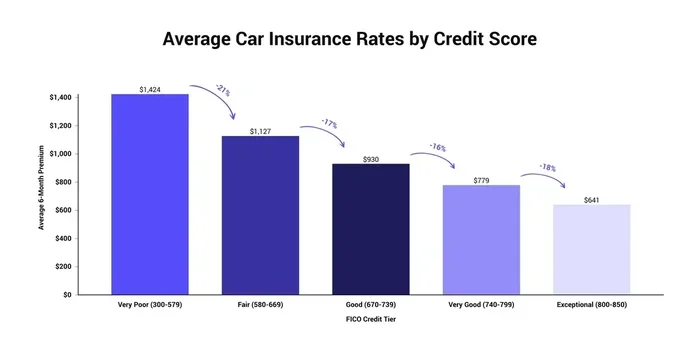
Your credit score impact on insurance can be significant. Drivers with poor credit often pay much more than those with good credit. In some cases, the difference can be hundreds of dollars per year.
Let us look at a quick example. Two 35-year-old drivers live in the same city. They drive the same car. They both have clean driving records. But one has excellent credit and the other has poor credit. The driver with poor credit could pay 50% to 100% more for the same coverage.
That is a huge gap. And it happens because insurers see poor credit as a risk factor. They believe drivers with low credit scores are more likely to file claims. This is called credit-based pricing.
Factors That Affect Your Insurance Score
Not all credit factors carry the same weight for insurers. Here are the key elements that influence your credit-based insurance score:
- Payment History: Do you pay your bills on time? Late payments hurt your score significantly.
- Credit Utilization: How much of your available credit do you use? Lower is better.
- Length of Credit History: How long have you had credit accounts? Longer history helps.
- Credit Mix: Do you have a mix of credit types? Cards, loans, and mortgages all count.
- New Credit Inquiries: Have you opened several new accounts recently? This can lower your score.
- Outstanding Debt: How much do you owe overall? High debt can hurt your insurance score.
These factors help insurers assess your financial responsibility. The idea is that people who manage their money well also tend to be more careful with their vehicles.
States That Ban Credit-Based Insurance Scoring
Not all states allow insurers to use credit in their pricing. A few states have banned this practice entirely. If you live in one of these states, your credit score does not affect your car insurance rates.
Here are the states where car insurance without credit check is the law:
- California: Insurers cannot use credit-based insurance scores at all.
- Hawaii: Credit-based scoring for auto insurance is prohibited.
- Massachusetts: The state bans the use of credit in setting insurance premiums.
These laws were put in place to protect consumers. Lawmakers in these states believe credit should not determine how much people pay for insurance. They argue that this practice can unfairly penalize lower-income households.
In all other states, insurers can and do use credit as a rating factor. If you live outside California, Hawaii, or Massachusetts, your credit likely affects your rates.
Why Do Some States Allow It?
The majority of states permit credit-based insurance scoring. They believe it helps create a more accurate pricing model. Insurers argue that credit score car insurance rates reflect real risk data.
Regulators in these states oversee how insurers use credit information. They make sure companies follow fair practices. Consumers are also protected by federal laws that limit how credit data can be used.
Can You Get Car Insurance With Bad Credit?
Yes, you can. Having bad credit does not mean you cannot get car insurance. It just means you might pay more for it. Poor credit car insurance is available from many providers.
Some insurers specialize in high-risk drivers. They work with people who have less-than-perfect credit. These companies may charge higher premiums, but they still offer coverage.
Here are some tips for finding affordable auto insurance premiums with bad credit:
- Shop Around: Different insurers weigh credit differently. One company might charge you less than another.
- Raise Your Deductible: A higher deductible can lower your monthly payment.
- Look for Discounts: Safe driver discounts, multi-car discounts, and bundling can save you money.
- Consider Usage-Based Insurance: Some companies offer discounts based on safe driving habits tracked through an app.
- Ask About Payment Plans: Many insurers offer monthly payment options that can ease the burden.
The key is not to give up. You have options. And every year that you work on improving your credit, your rates should go down.
Quick Tips to Lower Your Insurance Costs With Bad Credit
Even if your credit is not great, you can still save money. Here are some quick wins:
- Compare quotes from at least three insurers. Prices vary wildly between companies.
- Maintain continuous coverage. Lapses in coverage raise your rates regardless of credit.
- Keep a clean driving record. Avoid tickets and accidents at all costs.
- Ask about all available discounts. You might qualify for discounts you do not even know about.
- Pay your premiums on time. Late payments can trigger rate hikes.
How to Improve Your Insurance Score
The good news is that your credit is not permanent. You can improve it over time. And as your credit improves, your car insurance rates should drop too.
Improving your credit score factors takes patience and discipline. But the payoff is worth it. Lower insurance premiums are just one of the many benefits of better credit.
Steps to Build Better Credit for Lower Insurance Rates
Follow these steps to boost your credit and save on insurance:
- Pay All Bills on Time: Set up automatic payments so you never miss a due date. Payment history is the biggest factor.
- Reduce Your Debt: Focus on paying down credit cards. Lower balances improve your credit utilization ratio.
- Avoid Opening Too Many New Accounts: Each new inquiry can temporarily lower your score.
- Keep Old Accounts Open: Length of credit history matters. Do not close your oldest credit cards.
- Check Your Credit Report Regularly: Look for errors and dispute them. Incorrect information can drag your score down.
- Maintain a Healthy Mix of Credit: A combination of revolving and installment credit shows financial maturity.
As you work through these steps, your insurance premium calculation should reflect your progress. Most insurers update your credit information once or twice a year. So improvements may not be instant, but they will come.
Expert Insight: The Long-Term Payoff
Financial experts agree that improving your credit has ripple effects. Better credit means lower interest rates on loans. It also means lower car insurance premiums. Over time, the savings can add up to thousands of dollars.
Insurance score improvement follows the same path as general credit improvement. Stay consistent, and the results will follow.
Your Rights as a Consumer
You have rights when it comes to how insurance companies use your credit. Federal and state laws protect you from unfair practices.
Here is what you need to know:
- The Fair Credit Reporting Act (FCRA): This federal law requires insurers to tell you if your credit was used in their decision. You also have the right to a free copy of the report they used.
- Adverse Action Notices: If your credit leads to a higher premium or a denial, the insurer must send you an adverse action notice. This notice explains why and tells you how to dispute the information.
- State Consumer Protection Laws: Many states have additional rules about how insurers can use credit data. Check your state’s insurance department website for details.
You also have the right to dispute inaccurate information on your credit report. If a negative item is dragging down your insurance score, you can challenge it with the credit bureau. If the dispute is successful, your rates could go down.
Common Mistakes People Make With Insurance and Credit
Here are some mistakes to avoid:
- Assuming All Insurers Use Credit the Same Way: Some companies weigh credit heavily. Others barely consider it. Always compare.
- Not Asking About Credit-Based Discounts: Some insurers offer discounts for good credit. Ask your agent.
- Ignoring Your Credit Report: Errors happen. Regularly checking your report can catch problems early.
- Closing Old Credit Cards: This shortens your credit history and can lower your score.
- Applying for Multiple Policies at Once: Each application triggers a credit inquiry. Space them out.
Frequently Asked Questions
Do all car insurance companies check your credit?
Most major car insurance companies check credit as part of their underwriting process. However, not every single insurer does. Some smaller or specialty carriers may skip credit checks entirely. The vast majority of the industry, though, uses a credit-based insurance score to help set rates.
Does checking my credit for insurance hurt my score?
No, it does not. Insurance companies perform a soft credit inquiry, which has no impact on your credit score. This is different from a hard inquiry that happens when you apply for a loan or credit card. You can check with multiple insurers without worrying about your score.
Can I be denied car insurance because of my credit?
It is rare to be denied coverage entirely due to credit alone. Most insurers will still provide a policy. However, poor credit can lead to significantly higher premiums. In some cases, the cost might be so high that coverage becomes unaffordable, but outright denial is uncommon.
How much does credit affect car insurance rates?
Credit can affect your rates by 20% to over 100% depending on your state and insurer. Drivers with poor credit often pay the most, while those with excellent credit enjoy the lowest premiums. The exact impact varies widely based on your overall profile.
Which states do not allow insurance companies to check credit?
California, Hawaii, and Massachusetts are the only states that currently ban the use of credit-based insurance scoring. In these states, your credit score has no impact on your car insurance rates. All other states permit insurers to use credit as a rating factor.
How can I find out if credit affected my insurance rate?
If your credit influenced your rate, your insurer is required to send you an adverse action notice. This notice explains the factors used, including your credit-based insurance score. You can also ask your insurance agent directly how much weight they give to credit in their pricing model.
Final Thoughts
Do car insurance companies check your credit score? Yes, they do. And understanding this connection is the first step toward taking control of your insurance costs.
Your credit score and car insurance are closely linked. Good credit can lead to lower premiums and better coverage options. Poor credit does not lock you out of the market, but it can make coverage more expensive.
The best thing you can do is stay informed. Know your rights. Compare quotes from multiple insurers. And work on improving your credit over time. Every step you take toward better credit is a step toward lower insurance costs.
Start today. Check your credit report. Get multiple quotes. And remember, your financial health affects more than just your bank account. It affects your insurance rates too. Take charge of both, and you will see the difference in your wallet.