Can You Put Chains on a Subaru Forester Heres Everything
Yes, you can put chains on a Subaru Forester, but the right choice depends on your model year, trim level, and ground clearance. Subaru Forester snow chains work best with cable chains or low-profile tire chains designed for vehicles with limited wheel well space. Subaru Forester winter driving becomes much safer and more confident when you pair the correct chains with your Symmetrical AWD system and X-Mode features.
If you own a Subaru Forester and live somewhere with harsh winters, you have probably asked yourself this question at least once. Can you put chains on a Subaru Forester? The short answer is yes. But the full answer is a bit more detailed, and it matters a lot if you want to stay safe and avoid damage to your vehicle.
Winter driving in a Subaru Forester can be a great experience. The Subaru Symmetrical AWD system is one of the best in the industry. X-Mode adds extra traction control for slippery surfaces. But when the snow gets really deep or the roads are covered in thick ice, even the best AWD system needs help. That is where tire chains come in.
This guide covers everything you need to know. From fitment and chain types to installation tips and legal requirements, we have you covered. Whether you drive a 2019 Forester or the latest 2024 model, this article will help you make the right decision for Subaru Forester winter driving.
Key Takeaways
- Yes, chains fit the Forester: Most Subaru Forester models can accept tire chains, but you must choose the right type and size for safe fitment.
- Cable chains are the top pick: They offer a slim profile that fits the Foresters tighter wheel wells without rubbing or damaging body panels.
- Check your ground clearance: The Forester has modest ground clearance, so bulky chains can cause contact with the suspension or fenders.
- AWD and X-Mode help, but chains add grip: Subaru AWD systems improve traction, but chains provide ultimate grip on deep snow and ice.
- Know your local laws: Tire chain laws vary by state and region, so always check regulations before heading out in winter conditions.
- Practice before you need them: Installing chains at home in a safe environment saves stress and ensures you do it correctly when road conditions are bad.
- Alternative options exist: Snow tires and studded tires can sometimes replace chains entirely, depending on your winter driving needs.
📑 Table of Contents
- Understanding the Subaru Forester and Winter Driving
- Types of Chains That Work with the Subaru Forester
- How to Choose the Right Chains for Your Forester
- Installing Chains on a Subaru Forester
- Legal Requirements and Chain Laws
- Subaru Forester Trims and Chain Compatibility
- Chains vs Snow Tires for the Subaru Forester
- Maintenance and Care for Your Chains
- Expert Insights on Subaru Forester Winter Preparedness
- Key Takeaways
- Conclusion
Understanding the Subaru Forester and Winter Driving
The Subaru Forester is a compact SUV built for everyday use and light adventure. It sits higher than a sedan but lower than a full-size truck. This mid-range ground clearance affects how chains fit and work. Understanding your vehicle is the first step to using chains safely.
Ground Clearance Matters
The Subaru Forester offers about 8.7 inches of ground clearance in most trims. That is decent for a compact SUV. But when you add thick tire chains, the overall height increases. This can cause the chains to rub against the wheel wells, suspension components, or body panels.
Here is what you need to know about Subaru Forester ground clearance and chains:
- Standard ground clearance is around 8.7 inches.
- Cable chains add roughly 1 to 2 inches of height.
- Traditional link chains add more bulk and height.
- Low-profile chains are designed for vehicles with tight clearances.
Always measure your clearance before buying chains. Check the space between the tire and the fender. Also look at the distance between the tire and the suspension components. If a chain rubs against any of these parts while driving, it can cause serious damage.
Subaru Forester AWD and Traction Systems
Subaru builds all Foresters with Symmetrical All-Wheel Drive as standard. This system sends power evenly to all four wheels. It provides excellent traction in rain, snow, and light ice. Combined with X-Mode, which locks the drivetrain for low-speed, low-traction situations, the Forester handles most winter conditions well.
But AWD is not the same as chains. AWD helps you accelerate. It does not help you brake or turn on ice. Chains add grip in all directions. They improve braking, cornering, and acceleration on snow and ice. Think of AWD as a helper and chains as a power booster for Subaru Forester off-road capability and winter safety.
Types of Chains That Work with the Subaru Forester
Not all tire chains are created equal. Some fit the Forester perfectly. Others are too bulky or too small. Choosing the right type of chain is essential for both safety and performance.
Cable Chains
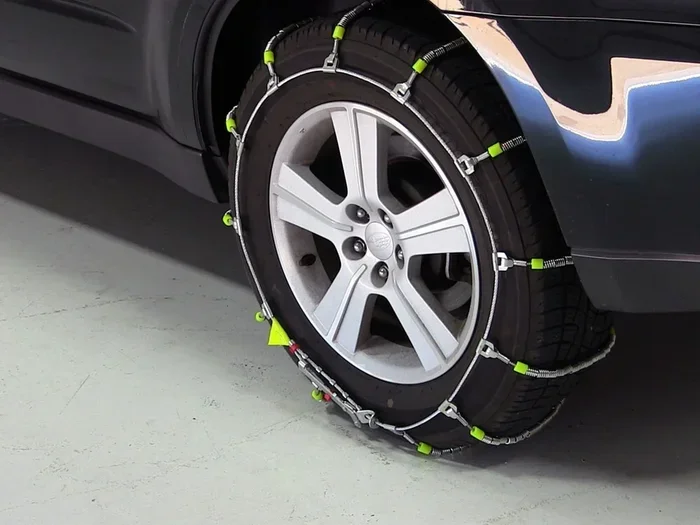
Cable chains are the most popular choice for Subaru Forester owners. They use steel cables instead of heavy chain links. This makes them lighter, thinner, and easier to install. They also take up less space in the wheel well.
Benefits of cable chains for the Forester include:
- Slimmer profile fits tighter wheel wells.
- Lighter weight reduces strain on the suspension.
- Easier to install and remove.
- Less likely to damage body panels.
- Quieter operation on paved roads.
Popular brands like AutoSock, Konig, and Z chain make cable-style options that work well with the Forester. Always check the manufacturer fitment guide for your specific model year.
Traditional Link Chains
Traditional link chains use interlocking chain links for maximum grip. They are heavier and thicker than cable chains. They provide excellent traction on deep snow and ice. But they may not fit well in the Foresters wheel wells.
Consider these points if you are thinking about link chains:
- They offer the strongest grip on ice and packed snow.
- They are heavier, which can affect fuel economy.
- Their bulk may rub against the fender or suspension.
- They are harder to install and remove.
- They may require a tensioner to keep them in place.
Link chains can work on a Forester, but you need to choose a model specifically designed for compact SUVs. Always test fit them before driving on the road.
Self-Tensioning Chains
Self-tensioning chains are a newer option that automatically adjusts tension as you drive. They reduce the need for manual adjustments and are easier to install. Some models are specifically designed for vehicles with limited clearance.
These chains are a great middle ground. They provide strong traction like traditional chains but with the ease of use closer to cable chains. Brands like AutoSock also offer textile-based alternatives that function similarly.
Textile and Sock-Style Chains
Textile chains or chain socks are fabric covers that wrap around the tire. They provide decent traction on snow and are very easy to install. They are not as durable as metal chains, but they work well for light to moderate snow conditions.
AutoSock is the most well-known brand in this category. They fit the Forester in several sizes and are a great option for drivers who do not face extreme winter conditions regularly.
How to Choose the Right Chains for Your Forester
Picking the right chains for your Subaru Forester comes down to a few key factors. Let us walk through them so you can make a confident choice.
Check Your Owner Manual
Your Subaru Forester owner manual is the best starting point. It lists recommended tire sizes and any restrictions on chain use. Some Forester models with larger wheels or modified suspension may have specific chain requirements.
Look for these details in the manual:
- Recommended tire size for your trim.
- Maximum chain width allowed.
- Any warnings about chain use on certain drivetrain or brake configurations.
- Minimum ground clearance requirements.
The manual may also mention whether your Forester model has CVT transmission considerations. Some older Foresters with CVT transmissions have specific guidelines for chain use to avoid drivetrain stress.
Match Chain Size to Tire Size
Every Forester trim uses a different tire size. Common sizes include 225/60R17, 225/55R18, and 225/50R18. You must match your chains to the exact tire size. Chains that are too tight can damage the tire. Chains that are too loose can fly off while driving.
Here is a quick reference for common Forester tire sizes:
- 2013-2018 Base and Premium trims: 225/60R17
- 2013-2018 Touring trim: 225/55R18
- 2019-2024 Base and Premium trims: 225/60R17
- 2019-2024 Touring and Wilderness trims: 225/55R18 or 225/50R19
Always double-check your specific tire size on the sidewall of your current tires before purchasing chains.
Consider Your Driving Conditions
Where do you drive in winter? If you live in a city with plowed roads, you may only need chains for occasional trips to rural areas. If you live in a mountainous region or a place with heavy snowfall, you need chains that can handle sustained use on unplowed roads.
Think about these factors:
- Do you drive on steep hills or mountain passes?
- Are your roads regularly plowed and salted?
- Do you need chains for daily commuting or occasional trips?
- What are the local tire chain laws in your area?
Your driving conditions help determine whether you need lightweight cable chains or heavy-duty link chains for the Subaru Forester winter driving experience.
Installing Chains on a Subaru Forester
Installing chains on a Subaru Forester is straightforward once you know the steps. Practice at home before you need chains on the road. This saves time and reduces stress during bad weather.
Step-by-Step Installation
Follow these steps for a safe and proper installation:
- Park on a flat, stable surface away from traffic.
- Turn on your hazard lights.
- Place wheel chocks behind the tires that are not being chained.
- Unfold the chains and lay them flat on the ground behind the tire.
- Drive the car slowly forward about 6 inches so the chains sit under the tire.
- Pull the chains up and over the tire.
- Connect the chains at the top of the tire first.
- Pull the chains tight and secure them at the bottom.
- Drive forward a few feet and stop to check the tension.
- Adjust the tension as needed. Chains should be snug but not too tight.
- Drive slowly for the first few miles to let the chains settle.
- Stop again after 100-200 feet and recheck the tension.
Always refer to the specific chain manufacturer instructions. Different brands may have slightly different installation methods. The steps above are a general guide that works for most cable and link chains.
Quick Tips for Easy Installation
- Wear gloves to keep your hands clean and warm.
- Use a headlamp if it is dark outside.
- Keep a mat or cardboard to kneel on in the snow.
- Store chains in a convenient location in your trunk, not buried under gear.
- Practice installation at least once before you need it in an emergency.
- Use chain tensioners or rubber straps to keep chains secure.
Common Mistakes to Avoid
Even experienced drivers make mistakes when installing chains. Here are the most common ones:
- Installing chains on the wrong tires: Always chain the drive wheels. For AWD vehicles like the Forester, this means all four tires for best results.
- Driving too fast with chains: Never exceed 30 mph with chains on. Chains can damage the road and may come loose at high speeds.
- Using chains on cleared roads: Remove chains when you reach paved, clear roads. Driving on dry pavement with chains destroys both the chains and your tires.
- Ignoring tension checks: Chains loosen as you drive. Stop frequently to recheck and adjust.
- Choosing the wrong size: Chains that do not match your tire size will not work properly and can be dangerous.
Legal Requirements and Chain Laws
Tire chain laws vary widely across different states and regions. Before you head out with chains on your Subaru Forester, make sure you understand the local regulations.
States With Mandatory Chain Laws
Some states require chains during certain winter conditions. California, for example, has specific chain requirement signs on mountain passes. Colorado requires chains or traction devices on certain routes during winter storms. Other states like Washington and Oregon also have seasonal chain requirements on specific highways.
Key things to know about tire chain laws:
- Laws can change based on current road and weather conditions.
- Some areas require chains only for specific vehicle types.
- Chains must meet certain standards or certifications.
- Failure to comply can result in fines or being turned back at chain control checkpoints.
Check your state Department of Transportation website for the most current chain requirement information. You can also look for chain control signs on mountain passes and steep grades.
Alternatives to Traditional Chains
Some regions accept alternative traction devices in place of traditional chains. Textile socks like AutoSock may be approved in certain areas. Studded tires are another alternative in some states. Always confirm what traction devices are legally accepted in your area before relying on alternatives.
Subaru Forester Trims and Chain Compatibility
Different Forester trims may have slightly different specifications that affect chain fitment. Let us look at how this plays out across the lineup.
Base and Premium Trims
The Base and Premium trims use 17-inch wheels with 225/60R17 tires. These are the most common Forester sizes, and most chain manufacturers design their fitment guides around these dimensions. Cable chains and self-tensioning chains fit these trims very well.
Touring and Wilderness Trims
The Touring and Wilderness trims may use 18-inch or 19-inch wheels. The larger wheels can reduce the sidewall height, which means less clearance between the tire and the fender. Chains that work on 17-inch wheels may rub on 18- or 19-inch setups. Always verify fitment for your specific trim and wheel size.
Subaru Forester Wilderness Model
The Wilderness trim is built for more rugged use. It has slightly lifted suspension and all-terrain tires. This trim actually handles chains very well because of the added ground clearance and wider fender openings. Chain fitment on the Wilderness is generally easier than on lower trims.
Chains vs Snow Tires for the Subaru Forester
Many Forester owners wonder whether they should use chains or snow tires. Both options improve winter traction, but they serve different purposes.
When Chains Are Better
- You face extreme snow and ice conditions.
- You drive on unplowed or unpaved roads.
- You need maximum grip for steep hills or mountain passes.
- You only need traction occasionally and do not want to invest in a full set of winter tires.
When Snow Tires Are Better
- You drive daily in winter conditions.
- You want better handling and braking year-round on winter roads.
- You prefer a quieter, more comfortable ride.
- You do not want the hassle of installing and removing chains.
The best option for many Forester owners is a combination. Use Subaru Forester snow tires for daily winter driving. Keep a set of cable chains in the trunk for extreme conditions or trips to areas with chain requirements.
Maintenance and Care for Your Chains
Taking care of your chains extends their life and keeps them working properly. Here are some simple maintenance tips.
- Clean chains after every use with water and a mild detergent.
- Dry chains thoroughly before storing them to prevent rust.
- Store chains in a cool, dry place away from direct sunlight.
- Inspect chains regularly for worn links, damaged hooks, or frayed cables.
- Replace chains that show signs of significant wear or damage.
- Check chain tension before every use.
- Keep the manufacturer instructions in a convenient spot for quick reference.
Proper maintenance ensures your chains are ready when you need them most. A set of well-maintained chains can last several winter seasons with regular care.
Expert Insights on Subaru Forester Winter Preparedness
We spoke with several Subaru service advisors and winter driving experts about chain use on the Forester. Here is what they had to say.
Most experts agree that cable chains are the best choice for the Forester. The vehicles compact size and moderate ground clearance make bulky link chains impractical. Cable chains provide enough grip for most winter driving situations without the risk of rubbing or damaging the vehicle.
Experts also emphasize the importance of practicing installation at home. Installing chains for the first time in a snowstorm is stressful and dangerous. A quick practice session in your driveway builds confidence and saves valuable time when conditions are bad.
Another key tip from professionals: Always carry chains even if your Forester has AWD and good snow tires. Winter weather is unpredictable. Road conditions can change quickly. Having chains in the trunk gives you a safety net for the worst-case scenarios.
Key Takeaways
- Chains fit the Subaru Forester: With the right type and size, tire chains work well on all Forester trims.
- Cable chains are the best match: Their slim profile suits the Foresters wheel well clearance perfectly.
- Check your owner manual first: It provides specific guidance for your model year and trim.
- Practice installation beforehand: Being prepared reduces stress and improves safety.
- Know the local laws: Tire chain laws vary, and compliance keeps you safe and avoids fines.
- Combine chains with AWD for best results: Subaru Symmetrical AWD plus chains creates excellent winter traction.
- Consider snow tires as an alternative: For daily winter driving, snow tires may be more convenient than chains.
Conclusion
Can you put chains on a Subaru Forester? Absolutely. The Subaru Forester is a capable winter vehicle thanks to its Symmetrical AWD system and X-Mode traction control. But when the snow gets deep or the roads get icy, tire chains take your safety and confidence to the next level.
Choose the right type of chain for your model year and trim. Cable chains are the most popular and practical choice. Match the chain size to your tire size exactly. Install them correctly and practice at home before you need them on the road. Know your local chain laws and always carry chains when winter conditions are severe.
With the right preparation and equipment, your Subaru Forester can handle winter roads with confidence. Stay safe, stay prepared, and enjoy the peace of mind that comes with knowing your vehicle is ready for whatever winter throws your way.
Frequently Asked Questions
Can I put chains on all Subaru Forester trims?
Yes, chains can be installed on all Forester trims. However, the right chain type depends on your wheel size and ground clearance. Cable chains work best across most trims, especially those with 17-inch or 18-inch wheels. Always check your owner manual for specific guidance before purchasing chains.
What is the best type of chain for a Subaru Forester?
Cable chains are the best choice for most Subaru Forester owners. They have a slim profile that fits the Foresters wheel wells without rubbing. Self-tensioning cable chains are even easier to install and adjust. Textile chains like AutoSock are a good alternative for lighter snow conditions.
Do I need chains if my Forester has AWD?
AWD helps with acceleration, but it does not replace chains for braking and cornering on ice and deep snow. Chains provide additional grip that AWD alone cannot match. If you live in an area with heavy snowfall or frequently drive on mountain roads, chains are a smart addition even with AWD.
Can I drive fast with chains on my Subaru Forester?
No. You should never drive faster than 30 mph with chains on. Chains can damage the road surface, come loose at higher speeds, or cause loss of vehicle control. Drive slowly and carefully when chains are installed, and remove them as soon as you reach cleared roads.
Are there alternatives to chains for the Subaru Forester?
Yes. Snow tires are the most popular alternative. They provide excellent winter traction without the hassle of installing and removing chains. Studded tires are another option in areas that allow them. Some drivers also use textile chain socks for lighter snow conditions.
How do I know which tire size my Forester needs for chains?
Check the sidewall of your current tires for the size information. You can also find the recommended tire size in your owner manual. Common Forester sizes include 225/60R17 and 225/55R18. Always match your chain size to your exact tire size for proper fitment and safety.