Are 2016 Toyota Tundras Reliable After All These Years
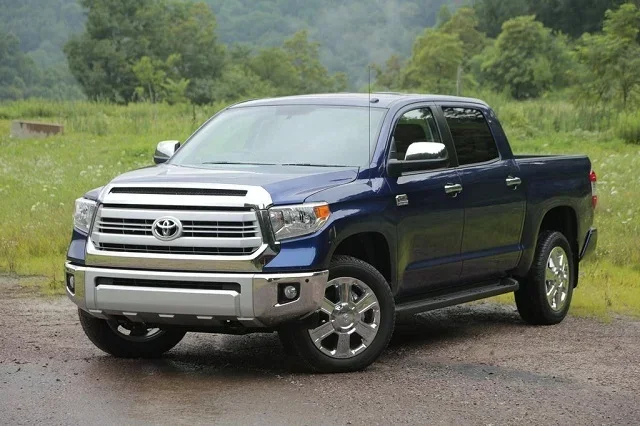
Are 2016 Toyota Tundras Reliable? The short answer is yes. The 2016 model year sits in the third generation of Toyota’s full-size pickup and continues to earn strong reliability scores. Owners report solid engine durability, good towing capability, and manageable maintenance costs even after years of use. Toyota Tundra reliability remains one of the best in the full-size truck segment, making the 2016 model a smart used buy.
Key Takeaways
- Strong Engine Reliability: The 5.7L V8 engine in the 2016 Toyota Tundra is known for longevity and durability with proper maintenance.
- Good Towing Capacity: With up to 10,500 pounds of towing capacity, the 2016 Tundra handles heavy loads with ease.
- Manageable Maintenance Costs: Routine upkeep is affordable, and major repairs are uncommon at this mileage range.
- Solid Resale Value: The 2016 Tundra holds its value well compared to competing full-size trucks from Ford and Ram.
- Common Issues to Watch: Frame rust, transmission lag, and aging interior materials are the main concerns for long-term owners.
- TRD Trims Add Value: TRD Pro and TRD Off-Road trims offer enhanced capability and desirability in the used market.
- Overall Verdict: The 2016 Toyota Tundra remains a dependable full-size pickup that can easily surpass 200,000 miles with care.
📑 Table of Contents
- Are 2016 Toyota Tundras Reliable? The Full Breakdown
- The Engine and Transmission: The Heart of the Tundra
- Common Issues to Watch For
- Maintenance Costs and Ownership Expenses
- TRD Trims: Are They Worth It?
- Towing and Hauling: What the 2016 Tundra Can Do
- Fuel Economy: What to Expect
- Tips for Buying a Used 2016 Toyota Tundra
- Expert Insights on the 2016 Tundra’s Long-Term Outlook
- The Bottom Line: Is the 2016 Toyota Tundra Worth Buying?
Are 2016 Toyota Tundras Reliable? The Full Breakdown
Let us get one thing straight. The 2016 Toyota Tundra has been on the road for nearly a decade now. And yet, it still shows up in reliability rankings year after year. If you are shopping for a used full-size pickup, the 2016 Tundra deserves a serious look. But the real question is whether it can hold up after all these years.
The answer depends on what you expect from a truck. If you want a dependable workhorse that can tow, haul, and last for hundreds of thousands of miles, the 2016 Toyota Tundra delivers. It is not without flaws. But when you compare it to the competition, it stacks up very well. Let us dive into everything you need to know about the 2016 Toyota Tundra reliability picture.
Why the 2016 Model Year Matters
The 2016 Tundra belongs to the third generation of Toyota’s full-size pickup. This generation launched in 2007 and received updates through 2021. The 2016 model falls right in the middle of that run. Toyota made several improvements to the 2016 lineup compared to earlier years. These updates addressed some common complaints from previous model years.
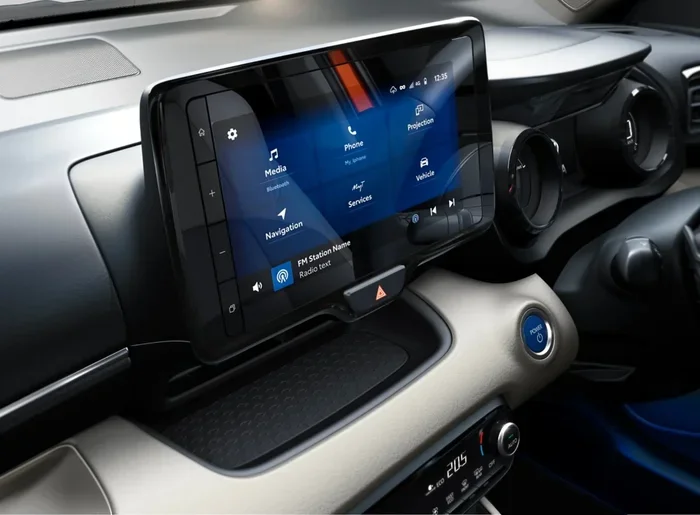
For example, the 2016 model came with updated safety features. It also received a refreshed interior design and improved infotainment. But the core mechanical platform remained the same. And that platform has a proven track record. The 5.7L V8 engine and the 6-speed automatic transmission have been around for years. That means Toyota had plenty of time to refine and fix any early issues.
What Owners Say About Long-Term Ownership
Real-world ownership stories tell you a lot. Many 2016 Tundra owners report crossing the 200,000-mile mark without major problems. Some have even pushed past 300,000 miles. The truck keeps running. It keeps towing. And it keeps doing its job day after day.
Owner forums and review sites back this up. Sites like Consumer Reports and J.D. Power give the Tundra strong reliability scores. The 2016 model year specifically gets above-average ratings. Owners praise the truck’s simplicity. There is not a lot of complex electronics to break. And that is a good thing when you are looking at long-term ownership.
The Engine and Transmission: The Heart of the Tundra
The 2016 Toyota Tundra comes standard with a 5.7L V8 engine. This engine produces 381 horsepower and 401 pound-feet of torque. That is plenty of power for hauling and towing. But more importantly, this engine is known for lasting a very long time.
5.7L V8 Engine: Built to Last
The 5.7L V8 is one of Toyota’s most durable engines. It uses a cast-iron block and aluminum heads. This combination gives it strength and heat resistance. The engine also features Toyota’s D-4S fuel injection system. This system helps with fuel efficiency and performance.
Common engine issues on the 2016 Tundra are rare. Some owners report minor oil consumption at higher mileage. But this is normal for many V8 engines. The timing chain is another component that holds up well. Toyota designed it for long life. With regular oil changes and proper maintenance, this engine can easily go 250,000 miles or more.
6-Speed Automatic Transmission
The 2016 Tundra uses a 6-speed automatic transmission. It is not the newest or most advanced transmission out there. But it is proven and reliable. The transmission shifts smoothly under normal driving conditions.
Some owners mention a slight delay when shifting from park to drive. This is a known characteristic and not a serious problem. The transmission can handle the truck’s towing capacity with ease. Up to 10,500 pounds of towing capacity is no joke. The transmission holds up well under heavy loads when properly maintained.
Common Issues to Watch For
No truck is perfect. And the 2016 Toyota Tundra has its share of known issues. Being aware of them helps you stay ahead of problems. Here are the most common concerns that owners and mechanics have flagged.
Frame Rust
This is the biggest concern with older Tundras. The frame can develop rust over time, especially in cold climates. Salt and road grime eat away at the metal. If you live in a snowy or coastal area, you need to check the frame regularly.
Inspect the frame underneath the truck during every oil change. Look for any bubbling or flaking paint on the frame rails. Catching rust early makes a huge difference. A small rust spot is easy to fix. A rotted frame section is a very expensive repair.
Transmission Lag
As mentioned earlier, some 2016 Tundras show a slight delay when shifting from park to drive. This is more of an annoyance than a serious problem. It becomes more noticeable as the truck ages. The transmission itself still works fine. It just takes a moment to engage.
Regular transmission fluid changes help keep everything smooth. Toyota recommends changing the fluid every 60,000 miles. Staying on top of this simple maintenance task goes a long way.
Interior Wear and Aging
The 2016 Tundra interior is functional but not luxurious. After years of use, the materials show wear. Seat upholstery can fade and tear. The center console and dashboard may develop cracks. These are cosmetic issues, not mechanical ones.
If you are buying a used 2016 Tundra, inspect the interior carefully. Check for tears in the seats. Test all the buttons and switches. Make sure the air conditioning blows cold. These small checks give you a good sense of how the truck has been treated.
Electrical Gremlins
Some owners report minor electrical issues. These can include flickering lights, faulty power windows, or sensor warnings. Most of these are simple fixes. A loose connection or a failing sensor causes them. They are not signs of a major problem.
However, electrical issues can be frustrating. They are the kind of small problems that add up over time. A pre-purchase inspection by a trusted mechanic can catch these before you buy.
Maintenance Costs and Ownership Expenses
One of the best things about the 2016 Toyota Tundra is its maintenance cost. Compared to other full-size trucks, the Tundra is reasonably affordable to own. Here is a closer look at what you can expect.
Routine Maintenance
Oil changes, tire rotations, and brake pads are the regular costs of ownership. For a 2016 Tundra, an oil change costs around $50 to $70. Brake pads typically last 40,000 to 60,000 miles. Tires last about 50,000 to 60,000 miles depending on driving habits.
Toyota parts are widely available. You can find them at dealerships and aftermarket suppliers. This keeps the cost of repairs lower than you might expect. Many independent mechanics are familiar with the Tundra platform too.
Major Repairs to Budget For
At higher mileage, you may encounter a few big-ticket items. The water pump and thermostat are common replacements around the 150,000-mile mark. The catalytic converter can fail after 150,000 to 200,000 miles. These repairs cost several hundred to a few thousand dollars each.
But here is the good news. These repairs are predictable. They happen at known mileage intervals. And they are not unique to the Tundra. Most full-size trucks face similar maintenance needs at these mileage levels.
How the Tundra Compares to the Competition
Let us put things in perspective. How does the 2016 Tundra compare to other full-size trucks? The table below breaks it down.
| Factor | 2016 Toyota Tundra | 2016 Ford F-150 | 2016 Ram 1500 |
|---|---|---|---|
| Engine | 5.7L V8 | 3.5L EcoBoost V6 / 5.0L V8 | 3.6L V6 / 5.7L V8 |
| Towing Capacity | Up to 10,500 lbs | Up to 12,200 lbs | Up to 10,600 lbs |
| Reliability Rating | Above Average | Average | Average |
| Resale Value | Strong | Moderate | Moderate |
| Maintenance Cost | Moderate | Moderate | Moderate-High |
| Fuel Economy | 15 mpg city / 19 mpg hwy | 16 mpg city / 23 mpg hwy | 15 mpg city / 22 mpg hwy |
The 2016 Tundra may not have the best fuel economy. And it might not tow as much as the latest Ford F-150. But its reliability and resale value make up for it. When you look at the total cost of ownership over five or ten years, the Tundra often comes out ahead.
TRD Trims: Are They Worth It?
The 2016 Tundra came in several trim levels. The TRD Off-Road and TRD Pro trims stand out. These trims add off-road capability, upgraded suspension, and unique styling. They also hold their value better in the used market.
If you plan to use the truck for off-roading, a TRD trim is a smart choice. The TRD Pro comes with Bilstein shocks, skid plates, and all-terrain tires. These features make the truck more capable on rough terrain. They also add to the truck’s overall appeal when it is time to sell.
Even the base SR5 trim is a solid choice. It has everything you need for daily driving and light hauling. The TRD trims are better if you want extra capability. But do not overlook the base models. They are reliable too.
Towing and Hauling: What the 2016 Tundra Can Do
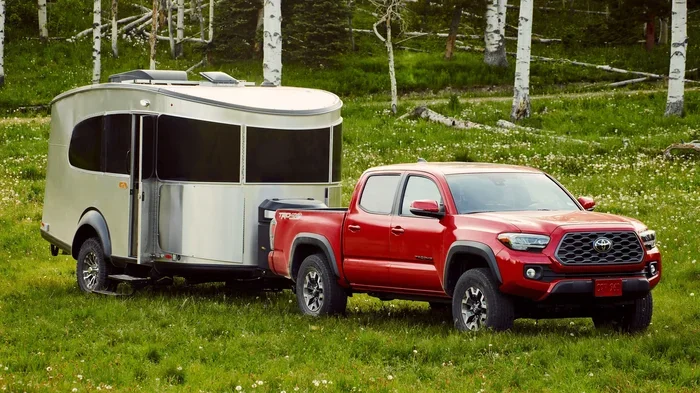
The 2016 Toyota Tundra is a capable towing machine. With its 5.7L V8 engine, it can tow up to 10,500 pounds when properly equipped. That is enough for most trailers, boats, and RVs.
The truck also has a strong payload capacity. Depending on the configuration, it can carry between 1,400 and 2,000 pounds in the bed. This makes it a versatile truck for work and play alike.
If you plan to tow regularly, invest in a proper towing package. The 2016 Tundra offers a towing package that includes a heavy-duty radiator and wiring harness. These additions help the truck handle the extra load without overheating.
Fuel Economy: What to Expect
Let us be honest. The 2016 Tundra is not a fuel-efficient truck. The EPA rates it at 15 mpg in the city and 19 mpg on the highway. These numbers are typical for a full-size V8 pickup from that era.
Real-world fuel economy varies. Driving habits, load weight, and terrain all play a role. Some owners report getting closer to 17 mpg on the highway with careful driving. Others see numbers dip into the low teens when towing.
If fuel economy is a top priority, the 2016 Tundra is not the truck for you. But if you need towing and hauling capability, the fuel cost is a trade-off you may be willing to make. The reliability and durability of the truck more than make up for the extra fuel expense.
Tips for Buying a Used 2016 Toyota Tundra
Ready to buy a used 2016 Tundra? Great choice. But before you pull the trigger, keep these tips in mind.
- Get a Pre-Purchase Inspection. Always have a trusted mechanic look the truck over. They can spot hidden issues that you might miss.
- Check the Maintenance Records. A well-maintained Tundra is worth more than one with no service history. Look for records of oil changes, fluid flushes, and major repairs.
- Inspect the Frame. Pay special attention to the frame for rust. Use a magnet to check for bondo or patchwork on the frame rails.
- Test Drive Thoroughly. Listen for unusual noises. Test the transmission shifts. Check the brakes. Make sure the truck drives straight.
- Check the Mileage. A 2016 Tundra with 100,000 to 150,000 miles is in the sweet spot. It has been broken in but still has plenty of life left.
- Compare Prices. Use tools like Kelley Blue Book and Edmunds to check fair market value. Do not overpay for a truck with high mileage or visible damage.
Expert Insights on the 2016 Tundra’s Long-Term Outlook
Automotive experts generally agree on one thing. The 2016 Toyota Tundra is a solid and dependable truck. Consumer Reports gives it above-average reliability scores. J.D. Power awards it strong marks for quality and dependability.
Experts also point out that the Tundra’s simplicity works in its favor. Fewer complex systems mean fewer things to break. The truck does not have fancy touchscreen systems that can fail. It does not have turbochargers that need special maintenance. It has a straightforward V8 engine and a simple transmission. That simplicity translates to long-term reliability.
Mechanics who specialize in Toyota trucks also share this view. They say the 5.7L V8 is one of the most bulletproof engines Toyota has ever made. As long as you keep up with basic maintenance, the 2016 Tundra will keep running strong for many years to come.
The Bottom Line: Is the 2016 Toyota Tundra Worth Buying?
So, are 2016 Toyota Tundras reliable? Yes, they are. The 2016 model year represents a mature and refined version of Toyota’s full-size pickup. It has a proven engine, a reliable transmission, and a strong track record for longevity.
The truck is not perfect. Frame rust is a concern in certain climates. The fuel economy is not great. And the interior shows its age. But when you weigh the pros and cons, the reliability factor wins out for most buyers.
If you need a dependable full-size truck for towing, hauling, or everyday use, the 2016 Toyota Tundra is a smart choice. It offers strong capability, manageable ownership costs, and a reputation for lasting a long time. Few trucks in its class can match that combination.
Do your homework before buying. Get a pre-purchase inspection. Check the maintenance history. And look for a truck that has been well cared for. If you find a clean, well-maintained 2016 Tundra, you are getting a truck that will serve you well for many years to come.
The 2016 Toyota Tundra may not be the flashiest truck on the road. But it is one of the most reliable. And in the world of full-size pickups, reliability is worth its weight in gold.
Frequently Asked Questions
What is the lifespan of a 2016 Toyota Tundra?
With proper maintenance, a 2016 Toyota Tundra can easily last 250,000 to 300,000 miles. Many owners report surpassing 200,000 miles without major engine or transmission problems. Regular oil changes, fluid flushes, and timely repairs are key to reaching these high mileage marks.
What are the most common problems with the 2016 Toyota Tundra?
The most common issues include frame rust, transmission shifting delay, and interior wear over time. Some owners also report minor electrical gremlins like flickering lights or faulty sensors. These problems are generally minor and affordable to fix compared to the truck’s overall reliability.
How much does it cost to maintain a 2016 Toyota Tundra?
Annual maintenance costs for a 2016 Tundra typically range from $500 to $800. This includes oil changes, brake pads, tires, and routine inspections. Major repairs like a water pump or catalytic converter replacement can add $500 to $2,000, but these are predictable and occur at known mileage intervals.
Is the 2016 Toyota Tundra good for towing?
Yes, the 2016 Tundra is an excellent towing truck. It can tow up to 10,500 pounds when properly equipped with the towing package. The 5.7L V8 engine provides plenty of torque for hauling trailers, boats, and RVs. It is one of the strongest towing options in the full-size truck segment.
Should I buy a 2016 Toyota Tundra with over 150,000 miles?
It can be a good deal if the truck has been well maintained. A 2016 Tundra with over 150,000 miles still has plenty of life left in the engine and transmission. Just make sure to get a pre-purchase inspection and check for frame rust. Review the maintenance records carefully before buying.
How does the 2016 Tundra compare to newer Toyota truck models?
The 2016 Tundra holds its own against newer models in terms of reliability. The mechanical platform is proven and time-tested. Newer models may offer better fuel economy and more technology features. But the 2016 Tundra’s simplicity and durability make it a strong choice for buyers who prioritize dependability over flash.
=== CONCLUSION ===
The 2016 Toyota Tundra remains one of the most reliable full-size trucks you can buy today. Whether you need a work truck, a towing machine, or a dependable daily driver, the Tundra delivers. Its 5.7L V8 engine, solid build quality, and proven track record make it a standout in the competitive full-size truck market.
Are 2016 Toyota Tundras Reliable? The evidence says yes. The truck handles high mileage well. It keeps running with proper care. And it holds its value better than many competitors. If you are in the market for a used full-size pickup, the 2016 Toyota Tundra should be at the top of your list. It is a truck that earns its reputation for reliability and long-term durability.